What a Self-Aligning Idler Bracket Does
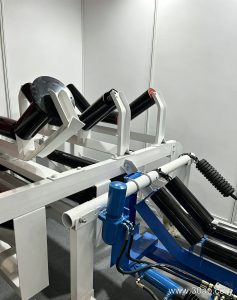
A self-aligning idler bracket is a pivoting support that holds carrying idlers and automatically corrects belt misalignment. Unlike a fixed bracket, it responds to the belt’s drift by swiveling slightly, which steers the conveyor belt back toward the center line. This makes it a practical choice where a conveyor runs long distances or carries uneven loads, such as in a limestone quarry, a coal washing plant, or a cement clinker line. The bracket is sometimes called a self-tracking idler bracket, and both names refer to the same assembly.
It is important to distinguish it from other bracket types. A troughing bracket holds idlers at a fixed angle, while a return bracket supports the empty side of the belt. The self-aligning version is a separate subtype, used mainly on the carrying side or at transition zones where tracking problems are common.
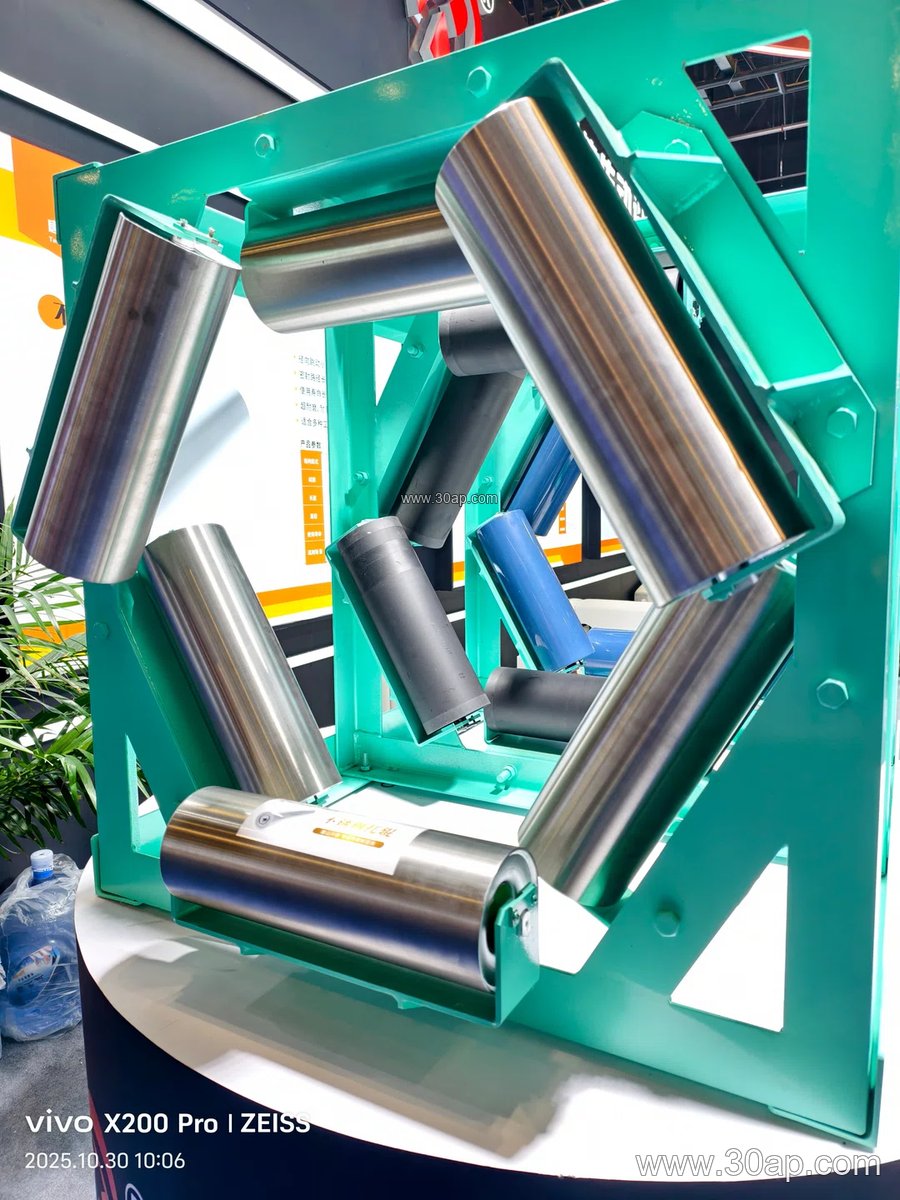
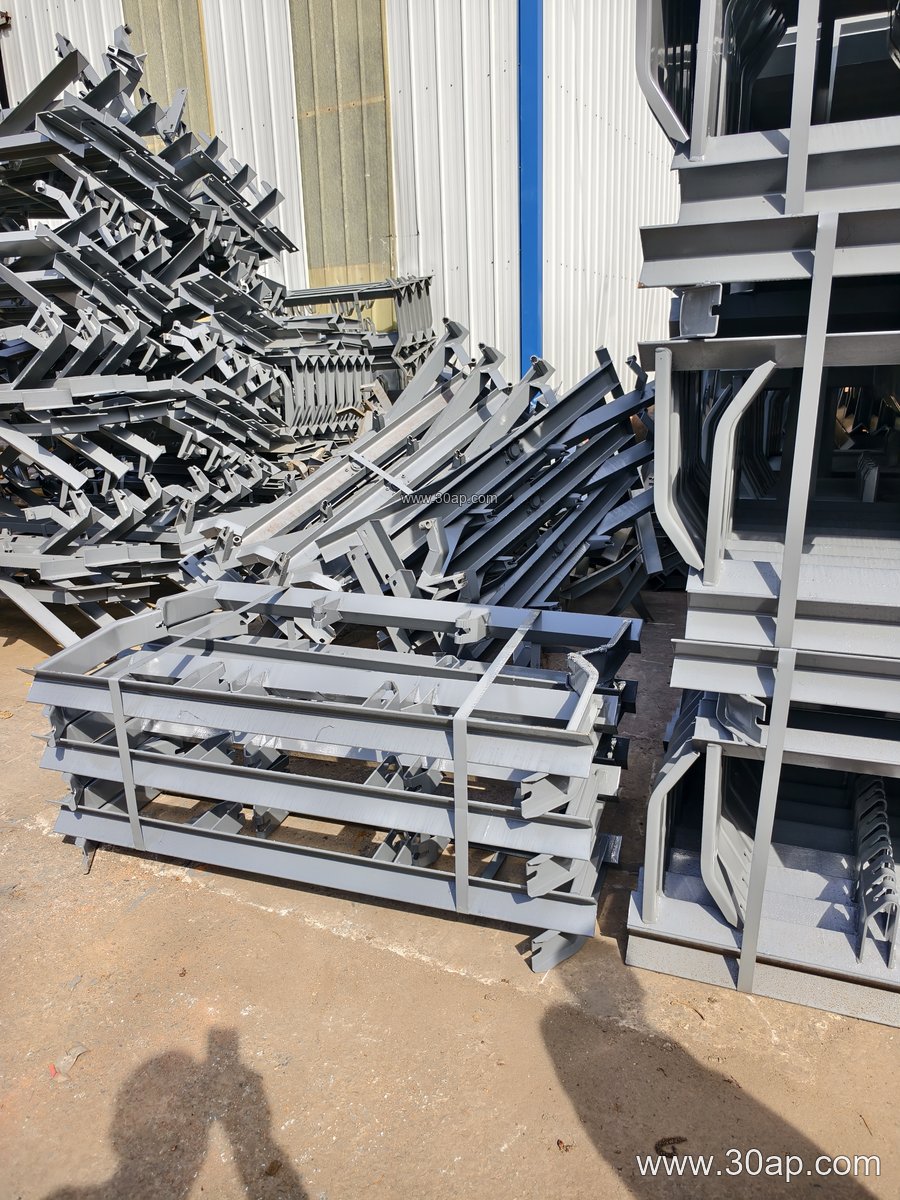
Construction and Adjustment Features
Most units are built from angle steel, channel steel, or bent steel plate. The frame includes a pivot point, often with a vertical pin or bearing, that allows the idler set to rotate a few degrees. Some designs add a small forward tilt of about 1.5 to 2 degrees to help center the belt. Adjustable versions let maintenance crews set the trough angle between 20, 30, 35, and 45 degrees to match the conveyor’s profile.
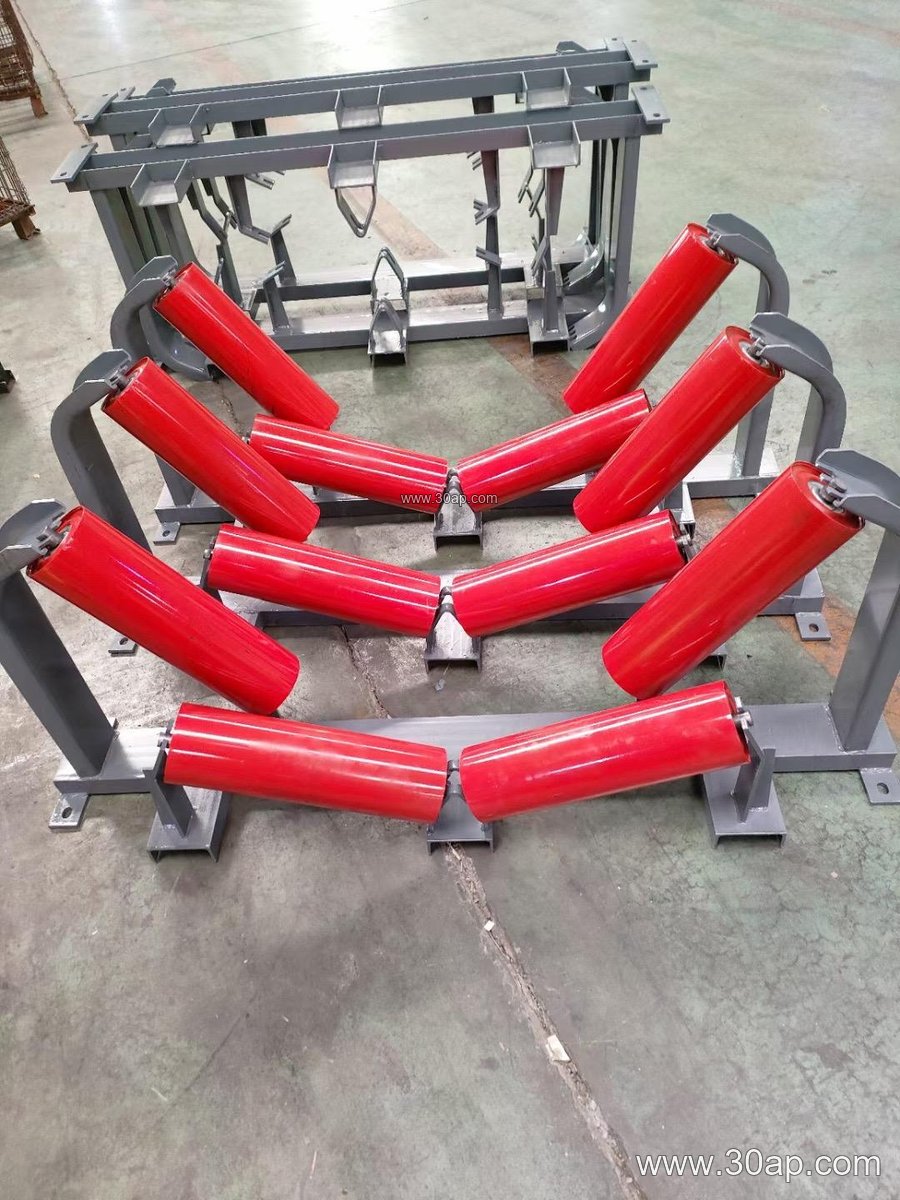
Typical belt width and roller diameter references are shown below. These are common ranges, not a fixed rule; final dimensions depend on the conveyor design.
| Belt Width (B) | Common Roller Diameter | Trough Angle Options |
|---|---|---|
| B500 | Ø89 | 20°, 30° |
| B650 | Ø89, Ø108 | 30°, 35° |
| B800 | Ø108, Ø133 | 30°, 35°, 45° |
| B1000 | Ø108, Ø133, Ø159 | 35°, 45° |
| B1200 | Ø133, Ø159 | 35°, 45° |
| B1400 | Ø159, Ø194 | 35°, 45° |
Mounting hole spacing and crossbeam length vary with belt width and trough angle, so they should be confirmed from the drawing rather than assumed.
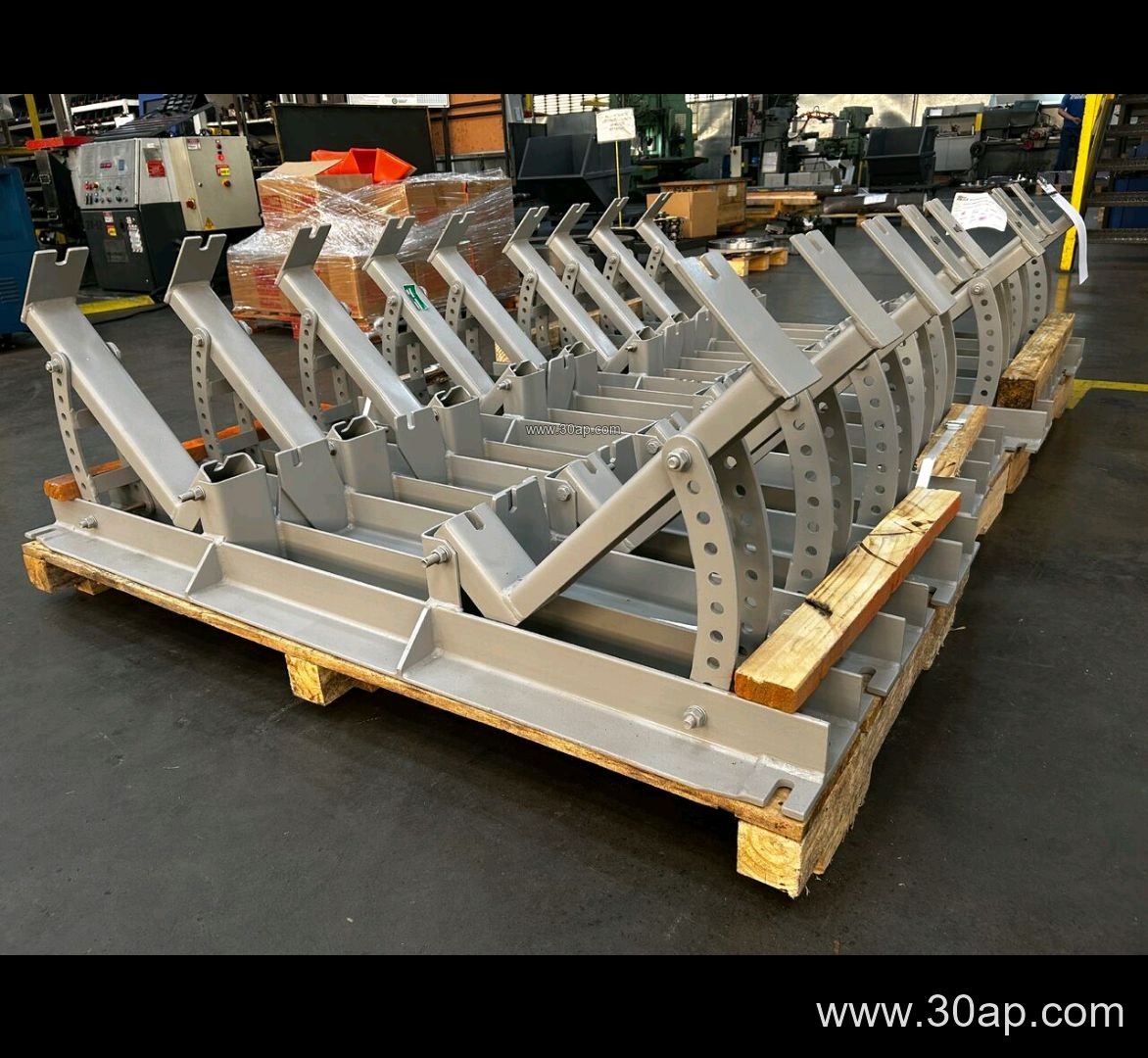
Where It Fits in a Conveyor System
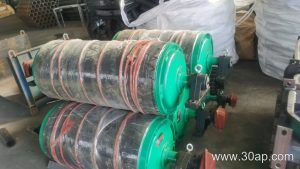
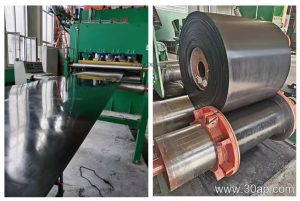
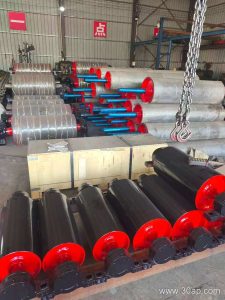
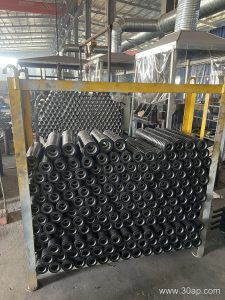
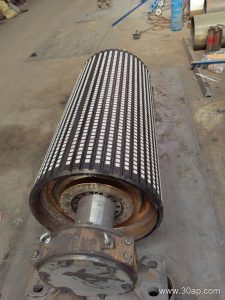
You will find self-aligning brackets on bulk handling conveyors in power plant coal yards, iron ore terminals, sand and gravel lines, and fertilizer silos. They are often placed after a conveyor pulley or at the head and tail sections where the belt is more likely to wander. In a crushing and screening circuit, a few units spaced along the carrying run can reduce edge damage and spillage. The bracket works together with the idler roller and the conveyor belt, not as a replacement for either. A conveyor pulley or a bend pulley may be nearby, but those are different components with different functions.
Buyer Checklist
- Confirm belt width and the required trough angle; do not assume one width matches a single angle or roller diameter.
- Check the pivot and bearing arrangement for smooth movement and easy greasing.
- Ask for the crossbeam length and hole pattern to match existing idler frames.
- Specify material finish for dusty or wet conditions, such as a coal wash plant or a port terminal.
- Plan a maintenance routine that checks alignment and pivot freedom after the first weeks of operation.
A well-chosen self-aligning idler bracket reduces belt edge wear and downtime. Match it to the actual conveyor layout, and it will work quietly alongside the conveyor bracket, idler roller, and pulley components already in place.