What a Carrying Trough Idler Does on the Conveyor
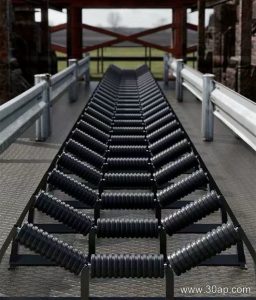
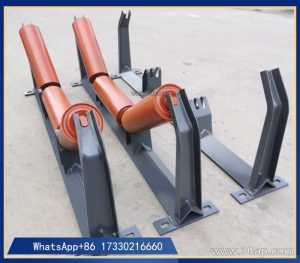
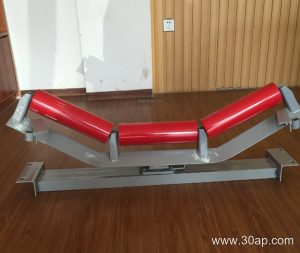
The carrying trough idler is the upper support that shapes a loaded conveyor belt into a trough, guiding material along the line without spillage. It sits on the load side of the structure, usually in three-roll groups, and works together with the conveyor belt, frame and conveyor bracket to keep the belt tracking steadily. In a quarry, cement plant or power station coal yard, these idlers are the parts most often replaced after the belt itself.
Unlike a return idler, which supports the empty strand, the carrying trough idler is directly under the material load. Its rolls are set at a trough angle so the belt forms a shallow channel, improving capacity and reducing edge spillage.
Construction and Main Parts
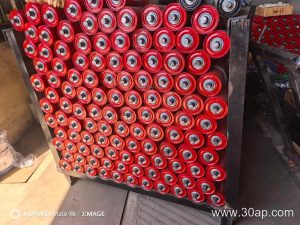
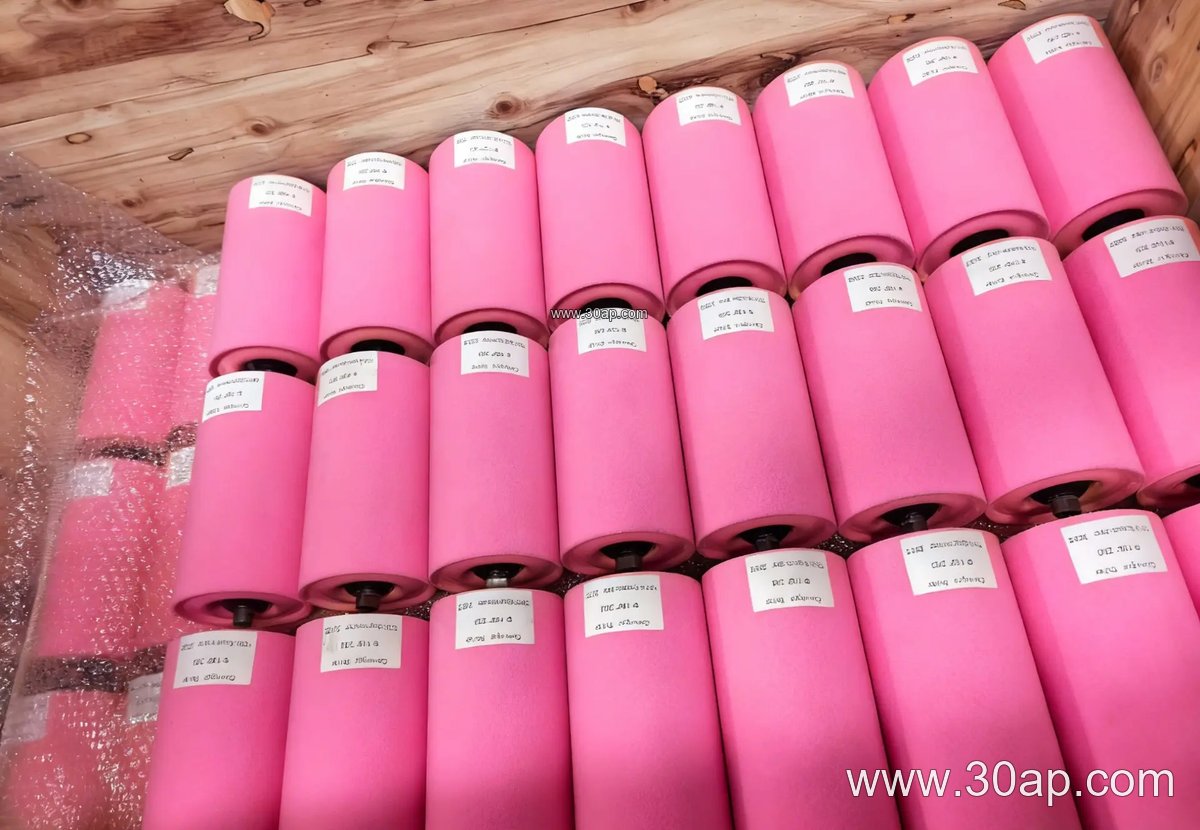
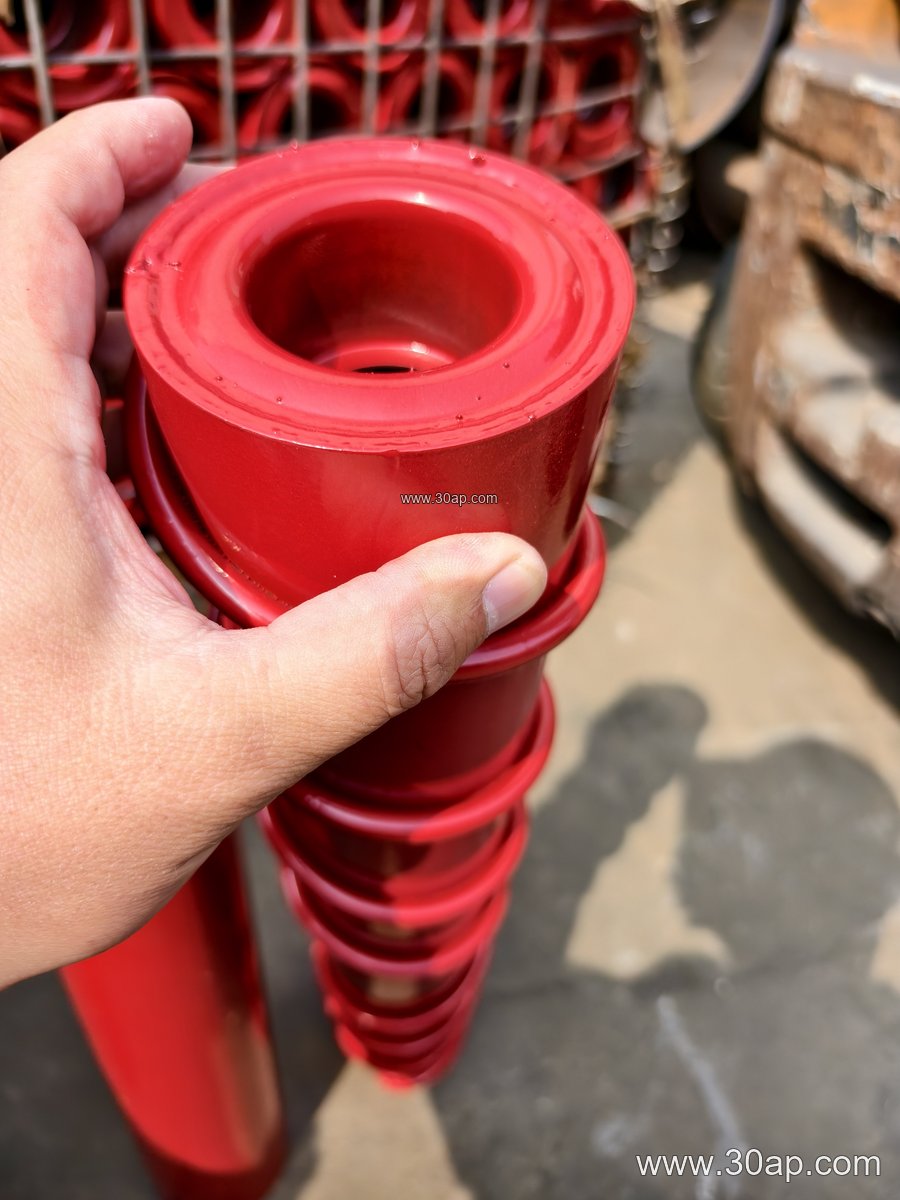
A typical unit consists of steel or nylon rolls, a shaft, bearing housings and a sealed bearing. The roll shell may be plain steel, nylon, or fitted with rubber rings in impact zones. Seals keep dust out, which matters in stone crushing, sintering and coal handling. Bearings such as 6204, 6205, 6305, 6306, 6308 and 6310 are common, but the correct bearing is chosen with the roll diameter and load, not by belt width alone.
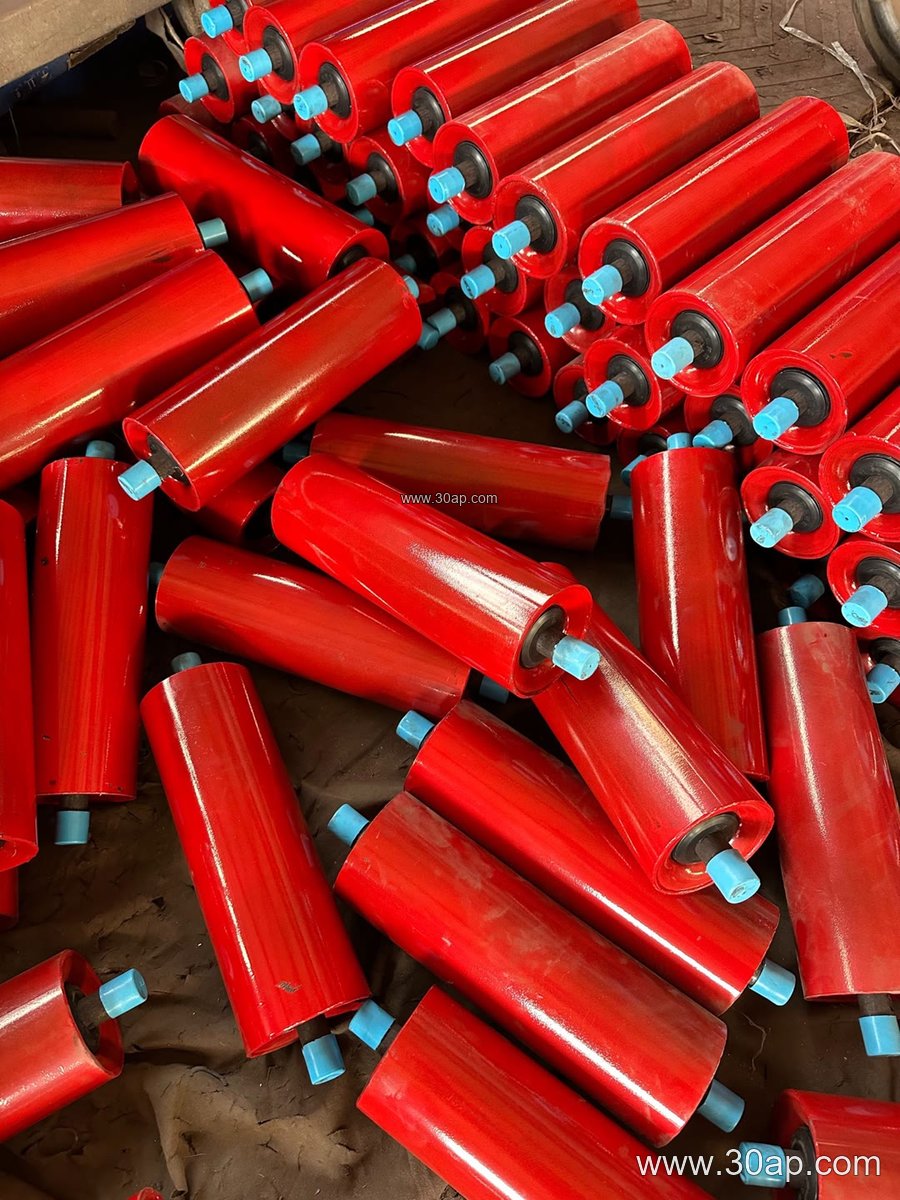
Trough angles are commonly 20, 30, 35 and 45 degrees. A three-roll group is the usual arrangement, while two-roll and single-roll groups appear in narrower or special structures. Forward tilt of about 1.5 to 2 degrees is sometimes used for training, though it is a separate design detail.
Common Sizes and Reference Data
Roll diameter and belt width are related through the conveyor design, not a fixed pairing. The table below gives common reference values; actual roll length, side roll and centre roll dimensions are determined by the trough angle and idler group form.
| Belt Width | Common Roll Diameter | Typical Roll Length (three-roll group) |
|---|---|---|
| B500 | Ø63 to Ø89 | approx. 200 mm |
| B650 | Ø76 to Ø108 | approx. 250 mm |
| B800 | Ø89 to Ø133 | approx. 315 mm |
| B1000 | Ø102 to Ø159 | approx. 380 mm |
| B1200 | Ø108 to Ø178 | approx. 465 mm |
| B1400 | Ø127 to Ø194 | approx. 530 mm |
| B1600 | Ø133 to Ø219 | approx. 600 mm |
| B1800 | Ø159 to Ø219 | approx. 670 mm |
| B2000 | Ø178 to Ø219 | approx. 750 mm |
These values are examples for layout planning. A B1200 belt does not require one specific pulley diameter, and the same applies to the idler roll. The shaft diameter follows load and bearing selection, not a rule from belt width.
Where It Fits in the Plant
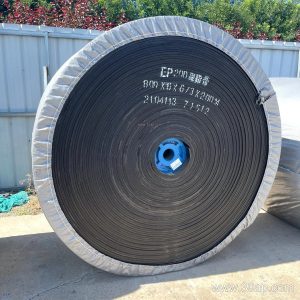
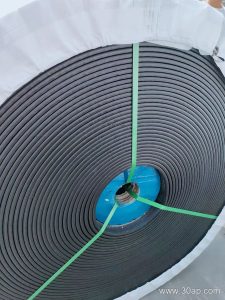
You will find carrying trough idlers on the load strand in a limestone quarry, an iron ore transfer line, a cement clinker cooler discharge, or a power plant coal yard. They also appear in sand and aggregate lines, crusher discharge conveyors and port ship loading systems. In these places the belt may be an EP conveyor belt, a steel cord conveyor belt or a flame retardant conveyor belt, and the idler must suit the belt, the material and the environment.
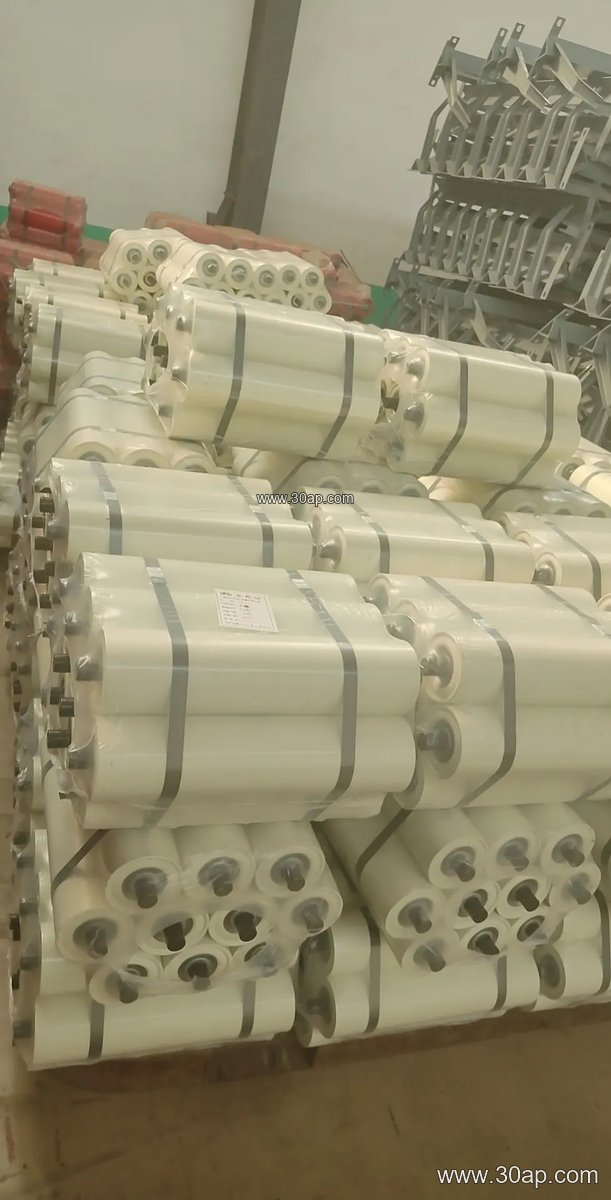
In dusty or abrasive service, a well-sealed idler reduces maintenance. In impact areas near a crusher, rubber-ring or impact idlers are often compared with standard carrying trough idlers because the load is different. The carrying trough idler remains the standard upper support, while the impact type is a separate choice for the feed point. More product information on belt and idler matching is available at conveyor idler and Rubber Conveyor Belt pages.
Buyer Checklist
- Confirm the belt width, trough angle and idler group form before ordering.
- Match roll diameter and bearing to the actual load, not to a single belt size.
- Check the roll surface: steel, nylon, ceramic or rubber ring, depending on abrasion and impact.
- Verify the shaft end and bracket fit with the existing conveyor bracket.
- Ask for seal and bearing details for dusty or wet conditions.
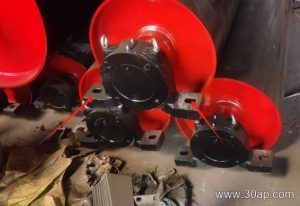
For a coal mining conveyor belt or an underground mining conveyor belt, flame resistance and dust sealing are often part of the specification. For a heat resistant conveyor belt in a cement or sinter plant, the idler and bearing grease should tolerate the ambient heat. A supplier can confirm the exact roll length and bearing for your structure, and related components such as the conveyor pulley and EP Conveyor Belt should be reviewed together with the idler selection.