What a Conveyor Carrying Bracket Does
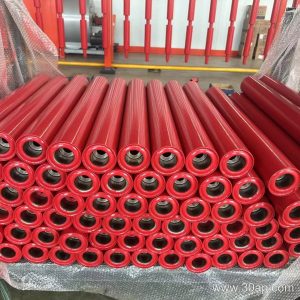
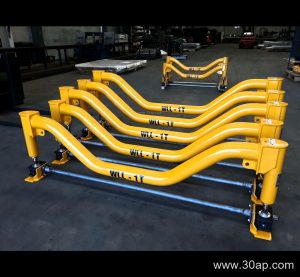
A conveyor carrying bracket is the structural support that holds the carrying-side idler rollers in position along a belt conveyor. Often called a carrying idler bracket or troughing bracket, this component keeps the conveyor belt in a stable trough shape so bulk material stays centered during transport. In a quarry, cement plant, or coal handling system, the bracket absorbs the load from the belt and rollers and transfers it to the conveyor frame. The design directly influences belt tracking, material spillage, and the service life of the idler roller.
Construction and Common Forms
Most carrying brackets are fabricated from angle steel, channel steel, or folded steel plate. The bracket includes mounting slots or holes for the idler shafts and a crossbeam that sets the trough angle. Common types include the standard troughing bracket, transition bracket, and adjustable bracket. A fixed bracket holds a set trough angle, while an adjustable version allows the operator to change the angle between 20, 30, 35, and 45 degrees to suit different belt loads and material characteristics. Forward-leaning brackets, typically around 1.5 to 2 degrees, are used to help center the belt.
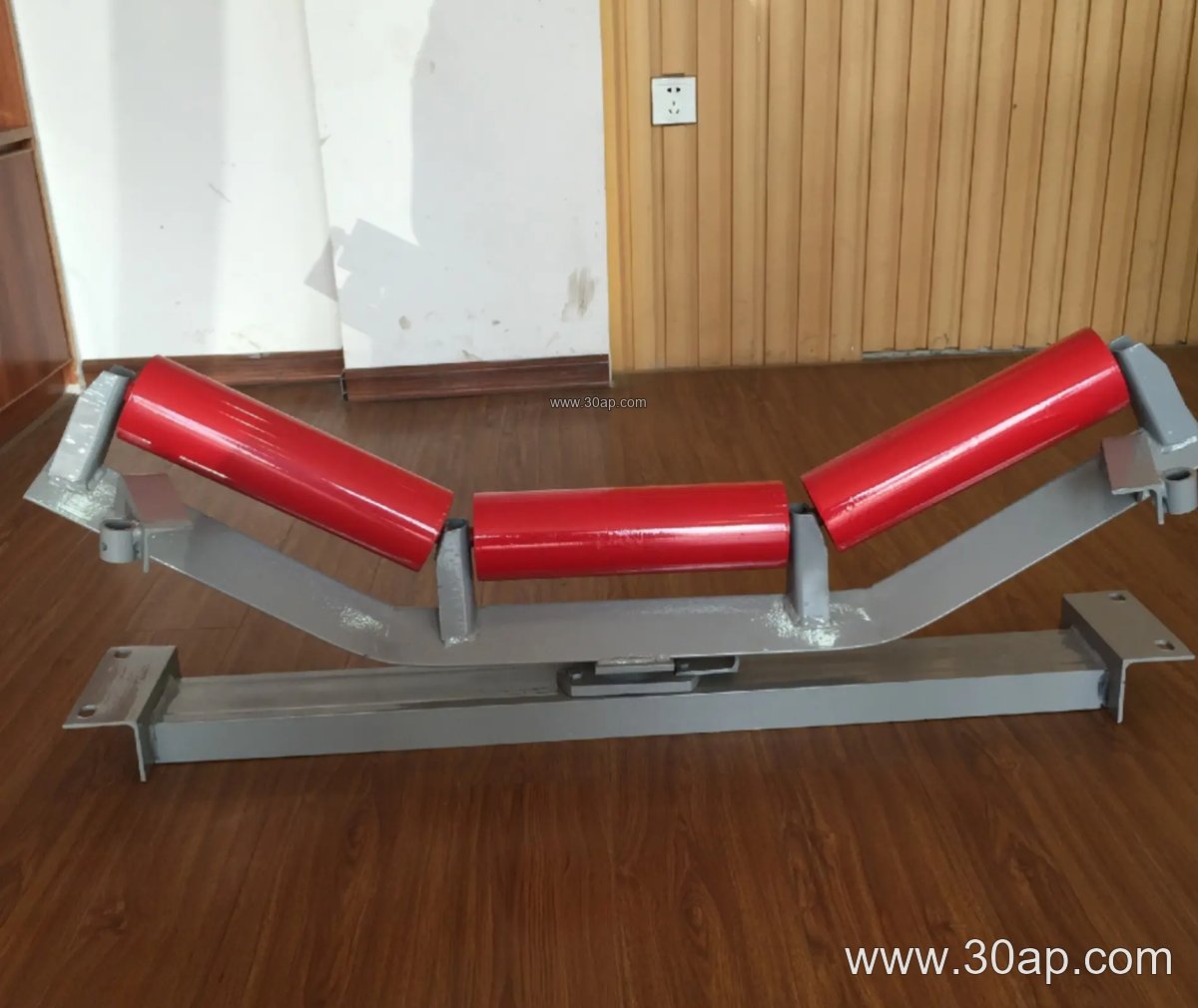
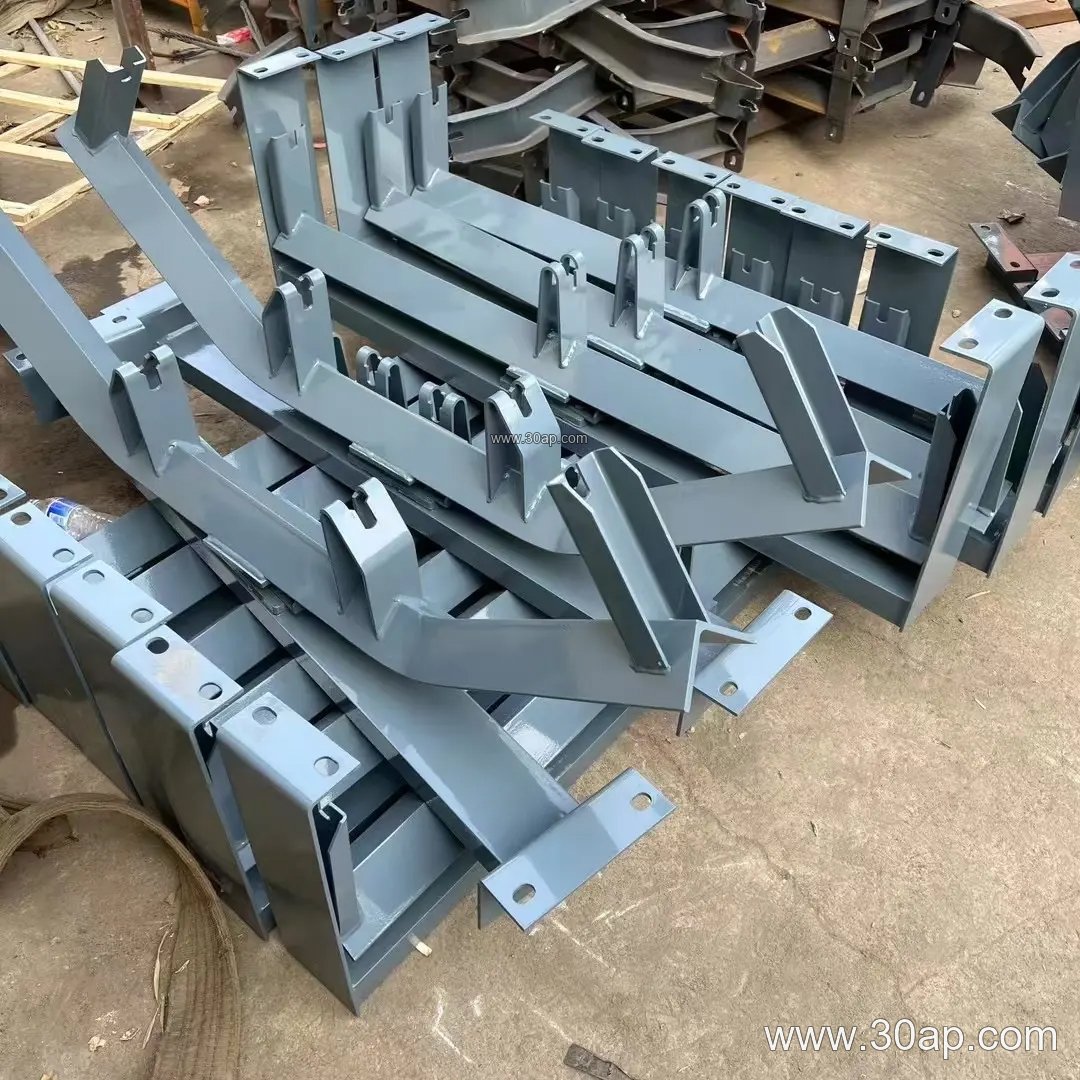
For reference, typical bracket sizes are matched to belt widths and roller diameters. The table below shows common combinations, but actual mounting hole spacing and crossbeam length are determined by the conveyor design, not by a single universal rule.
| Belt Width | Common Trough Angle | Typical Roller Diameter | Bracket Style |
|---|---|---|---|
| B500 | 20° – 30° | Ø89 | Fixed troughing |
| B650 | 30° | Ø89 – Ø108 | Fixed or adjustable |
| B800 | 35° | Ø108 | Adjustable troughing |
| B1000 | 35° – 45° | Ø108 – Ø133 | Troughing or transition |
| B1200 | 45° | Ø133 | Heavy-duty troughing |
| B1400 | 35° – 45° | Ø133 – Ø159 | Adjustable or fixed |
| B1600 | 35° – 45° | Ø159 | Heavy-duty troughing |
| B1800 | 35° – 45° | Ø159 – Ø194 | Mining-duty bracket |
| B2000 | 35° – 45° | Ø194 | Heavy-duty troughing |
These values are common references; a specific conveyor may use a different combination based on load, speed, and material lump size.
Where It Fits in the Conveyor System
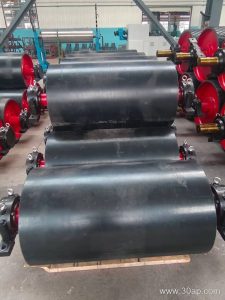
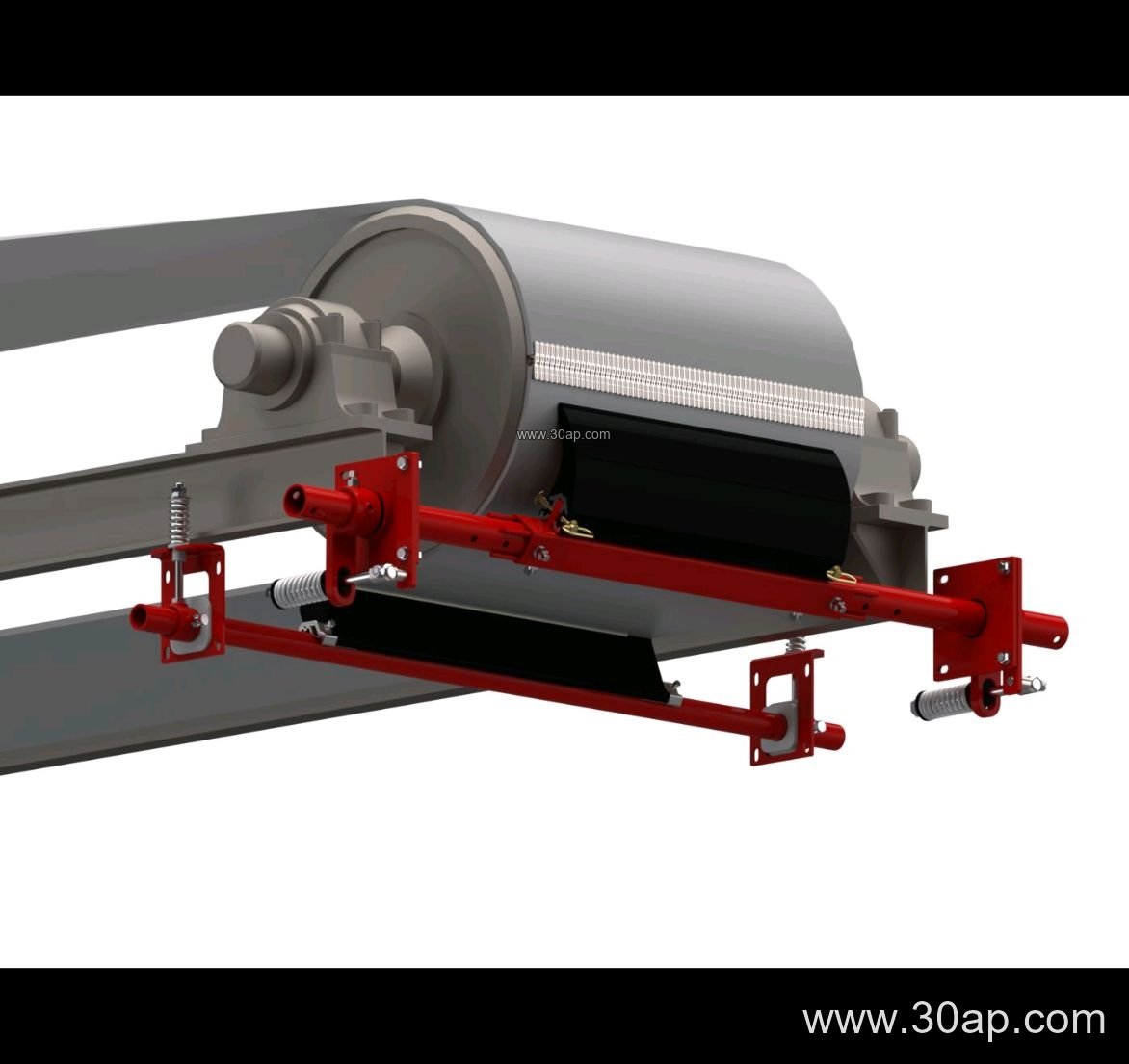
The carrying bracket sits on the upper side of the conveyor frame, supporting the troughing idlers that carry the loaded belt. It works together with the conveyor belt, idler roller, and conveyor pulley to maintain a continuous material flow. In a coal preparation plant or a limestone crushing line, the bracket must resist dust, vibration, and occasional impact from large lumps. For impact zones, a buffer idler bracket may be used instead of a standard troughing bracket to absorb shock. On the return side, a separate return bracket supports the belt, but it is not interchangeable with the carrying bracket.
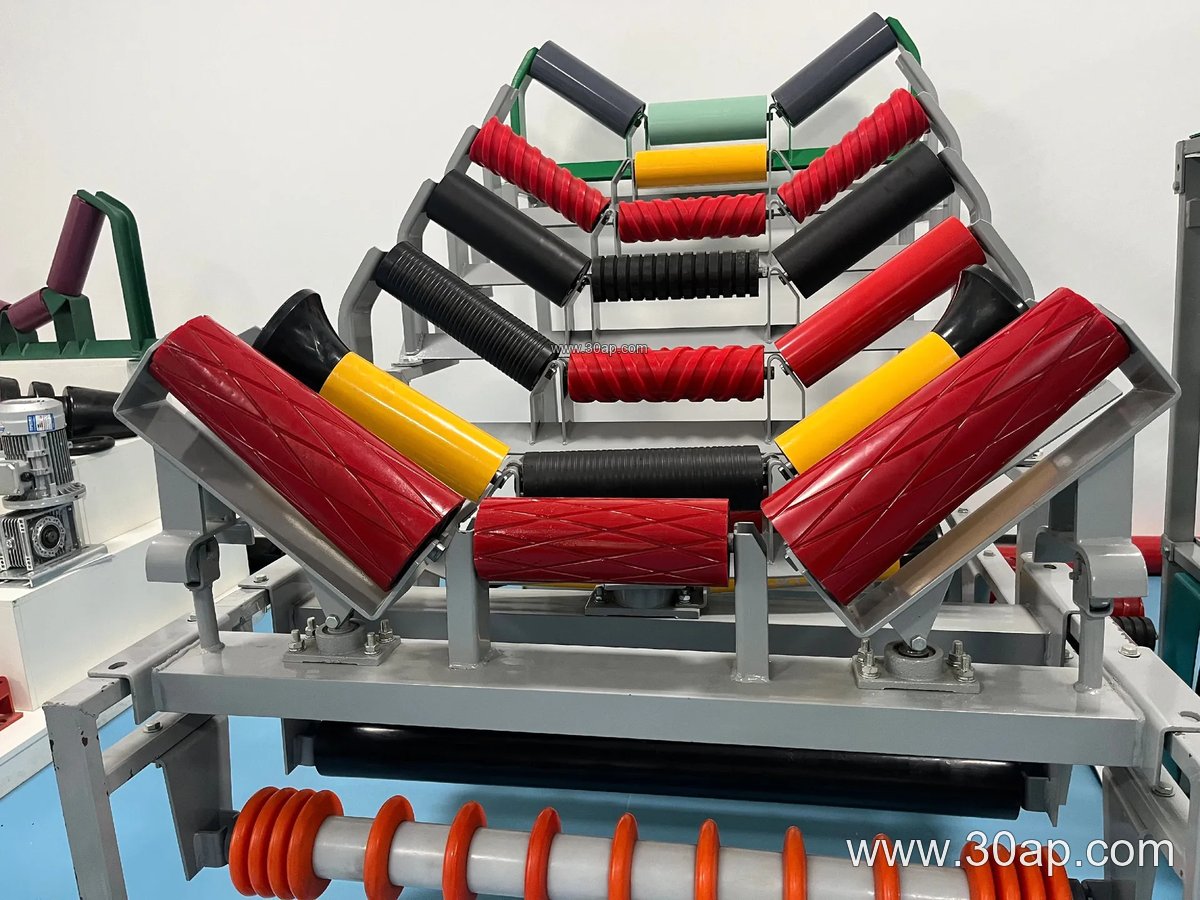
Common industries include mining, coal washing, cement production, power plant coal handling, and sand and gravel plants. Each environment places different demands on the bracket: a cement plant may prioritize dust resistance, while a mine may need extra structural strength for heavy loads.
Selection and Maintenance Notes
When choosing a conveyor carrying bracket, consider belt width, trough angle, roller diameter, and the bracket material. The bracket should match the idler shaft size and the frame mounting pattern. Adjustable brackets offer flexibility when material characteristics change, while fixed brackets provide simpler, more rigid support. During maintenance, check for bent crossbeams, worn mounting slots, and loose fasteners. A misaligned or damaged bracket can cause the belt to run off-center and increase wear on the conveyor pulley and idler roller.
For spare parts planning, keep a small stock of brackets that match the most common belt widths and trough angles on site. Always confirm dimensions against the original conveyor design, since mounting hole spacing and crossbeam length vary with belt width and trough angle.