What a Galvanized Idler Is
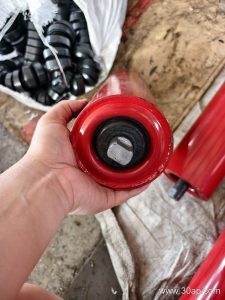
A galvanized idler is a conveyor idler roller whose steel shell and end structures receive a zinc coating, usually by hot dip galvanizing, before assembly. The coating is the defining feature: it gives the roller a sacrificial zinc layer that resists rust far better than bare painted steel when the belt line is wet, dusty, or exposed to the weather. In practice, the product is often called a galvanized idler roller or galvanized carrying idler, but it is the same item and the same role under the belt.
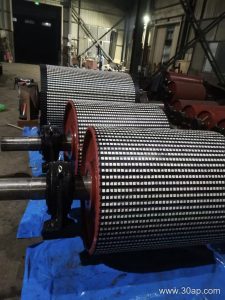
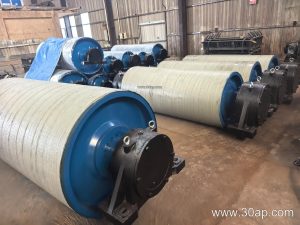
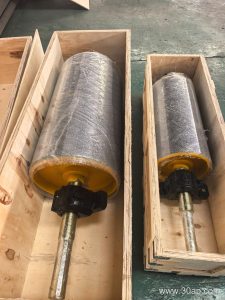
Idlers are the small rotating parts that support the conveyor belt and the material load. They are not the same as a conveyor pulley. A drive pulley, a tail pulley, and a bend pulley transmit power or change belt direction; an idler simply carries the belt. That distinction matters when specifying, because pulley dimensions and idler dimensions follow different rules.
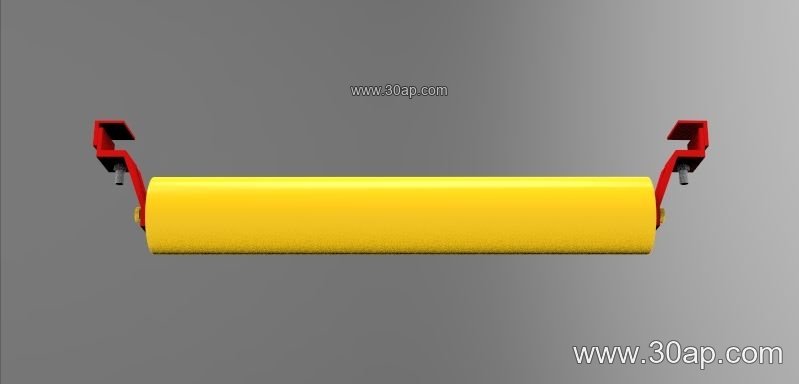
How the Roller Is Built
A typical unit starts with a steel tube shell, machined at both ends to seat the bearing housings. Sealed ball bearings sit inside, usually in a pressed or machined housing with a labyrinth or lip seal arrangement to keep out dust and water. The shaft is fixed, and the shell rotates on the bearings. Galvanizing is applied to the shell and frame parts, with the bore and bearing seats masked or cleaned so the fit remains accurate.
Bearing selection is matched to load and speed rather than to the coating. Common bearing numbers include 6204, 6205, 6305, 6306, 6308 and 6310. A given bearing is not tied to one roller diameter, and a given shell diameter does not dictate one shaft size. The seal design and grease retention often matter more than the coating alone for service life in a dusty plant.
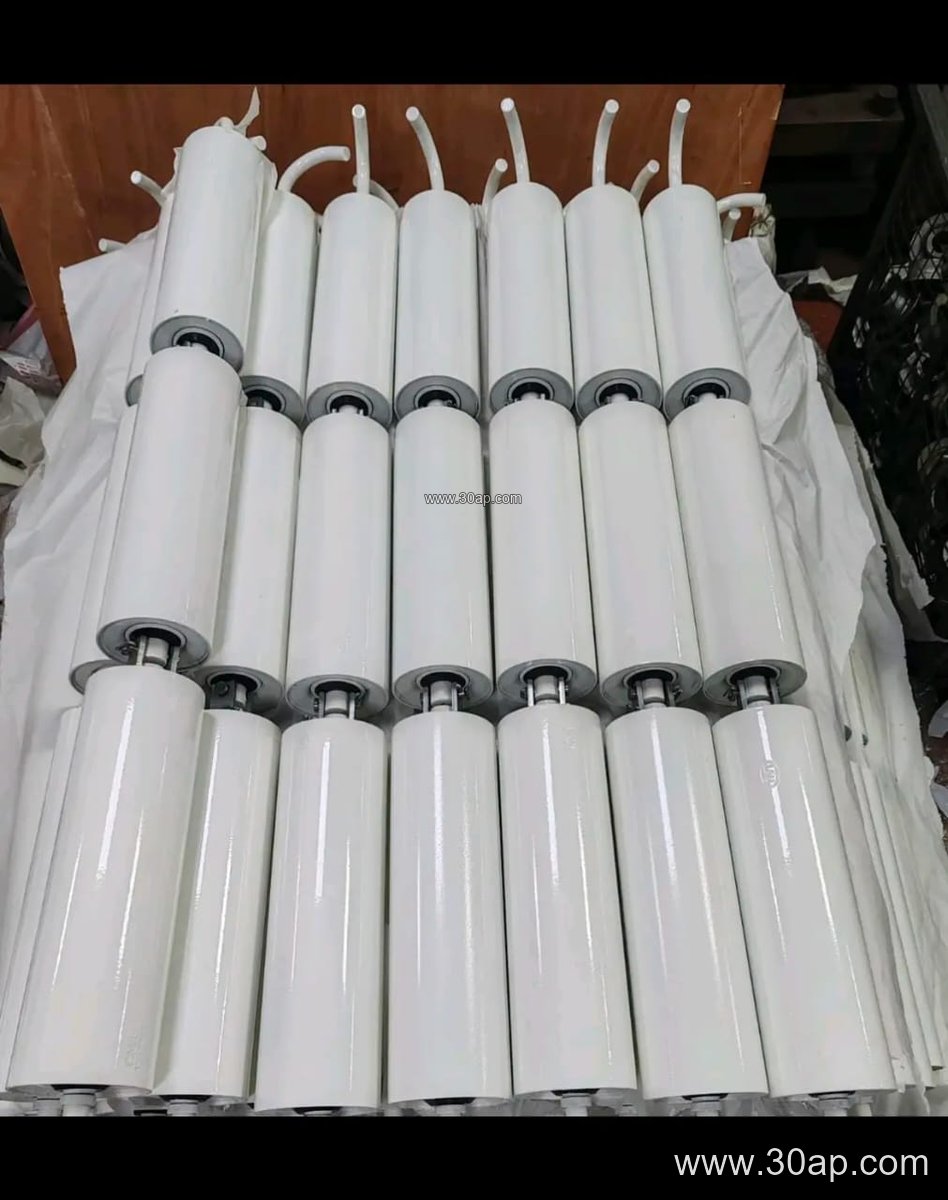
Where Galvanized Idlers Fit
These rollers suit outdoor and humid duty. You will see them on overland conveyors at a quarry or limestone mine, on stacker and yard lines at a port, on coal handling systems at a power plant, and on aggregate lines at a sand and gravel plant where wash water and rain keep the structure damp. They also appear in cement plants and steel mills where fine dust combines with moisture.
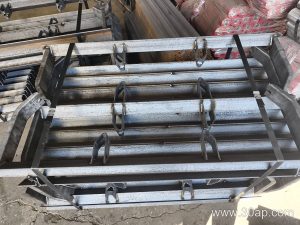
Position on the conveyor decides the type. Troughing idlers form the belt into a trough on the carrying side; return idlers support the empty belt on the way back. Transition idlers ease the belt from flat to troughed. Impact idlers and rubber-disc impact rollers sit under loading points to absorb fall energy. Self-aligning idlers, including friction and tapered varieties, correct belt drift. A galvanized finish can be applied to any of these, so the coating choice is separate from the idler type.
Common Reference Dimensions
The table below shows typical reference values for orientation only. Final dimensions are set by belt width, trough angle, and idler arrangement, and side rollers often differ from the center roller.
| Item | Common reference values |
|---|---|
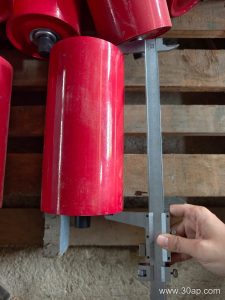
| Roller diameter | Ø63, Ø76, Ø89, Ø102, Ø108, Ø127, Ø133, Ø159, Ø178, Ø194, Ø219 mm |
| Belt width | B400, B500, B650, B800, B1000, B1200, B1400, B1600, B1800, B2000, B2200, B2400 |
| Trough angle | 20°, 30°, 35°, 45° |
| Troughing set | single roll, two-roll, three-roll |
| Shell surface | steel tube, nylon, ceramic, rubber disc |
| Bearing | 6204, 6205, 6305, 6306, 6308, 6310 |
For three-roll troughing sets, common roller lengths run roughly 200 mm at B500, 250 mm at B650, 315 mm at B800, 380 mm at B1000, 465 mm at B1200, 530 mm at B1400, 600 mm at B1600, 670 mm at B1800 and 750 mm at B2000. These are examples, not fixed pairings, and a wide belt can be carried by different roll combinations depending on the design.
What Buyers Should Check
- Confirm the galvanizing thickness and whether the bore and bearing seats are protected from zinc buildup.
- Match the seal class to the site: washdown, fine dust, or abrasive grit each call for different sealing.
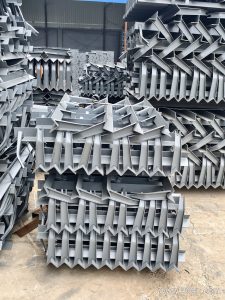
- Check that the idler frame and conveyor bracket interface match the existing stringer spacing.
- Ask for the load rating at the intended belt speed, not just the shell diameter.
- Verify that replacement rollers keep the same trough angle so the conveyor belt trains correctly.
Galvanized idlers are a practical choice where corrosion shortens the life of plain steel rollers. They cost more than a basic painted roller, but in wet or coastal service the extra protection is often recovered through fewer stoppages and longer replacement intervals.