What a 630mm Diameter Conveyor Pulley Is
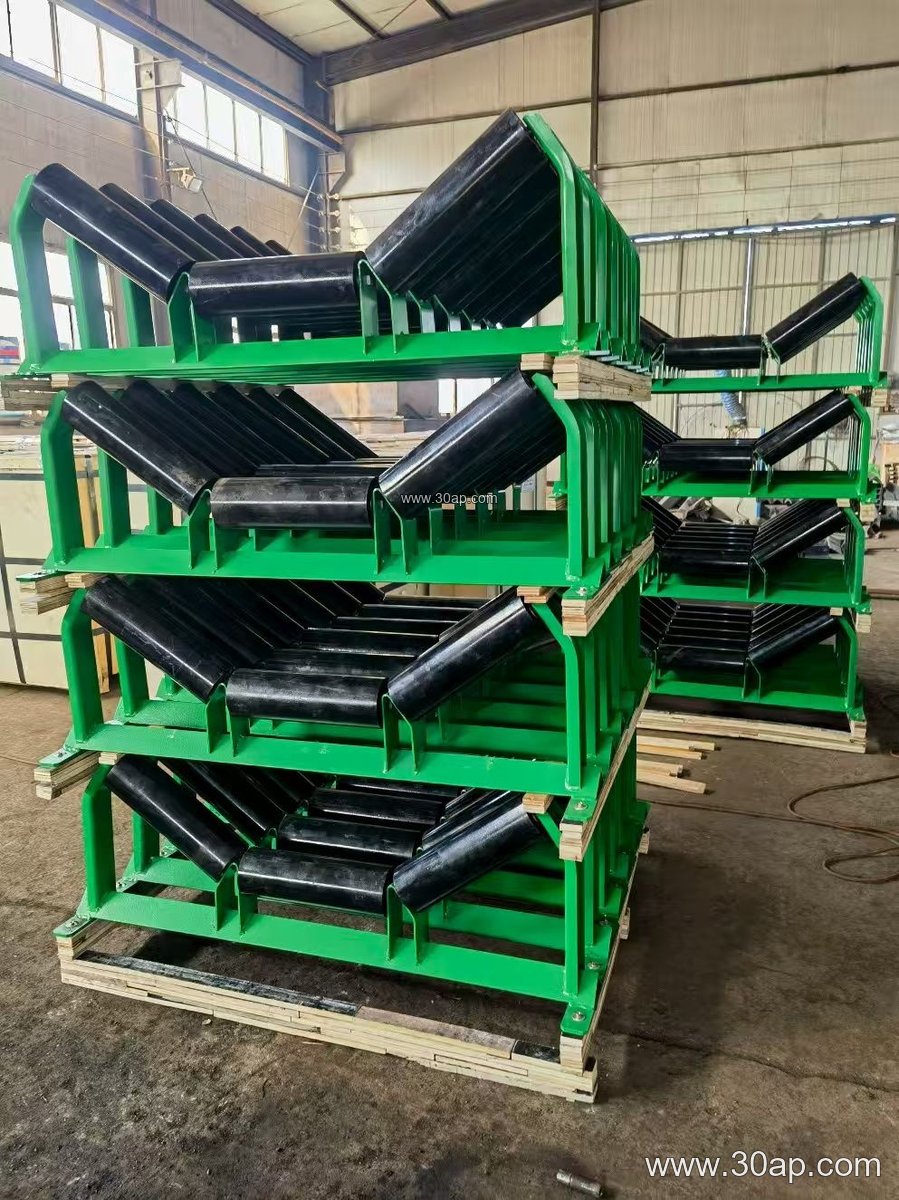
A 630mm diameter conveyor pulley is a drum-shaped rotating component used to support, drive, or redirect the conveyor belt in a bulk material handling system. With a nominal diameter of Ø630 mm, this size sits in the mid-to-heavy range of pulley dimensions, making it suitable for conveyors that carry substantial loads over moderate to long distances. The pulley works together with the conveyor belt, idler rollers, and conveyor brackets to keep the belt tracking correctly and moving efficiently.
In a typical conveyor frame, the pulley is mounted on a shaft supported by bearings at both ends. The belt wraps around the pulley surface, and friction between the two transmits power or provides tension. A 630mm diameter conveyor pulley is often chosen when the belt width and load require a larger contact area and greater torque capacity than smaller drums can provide.
How the 630mm Diameter Pulley Is Built
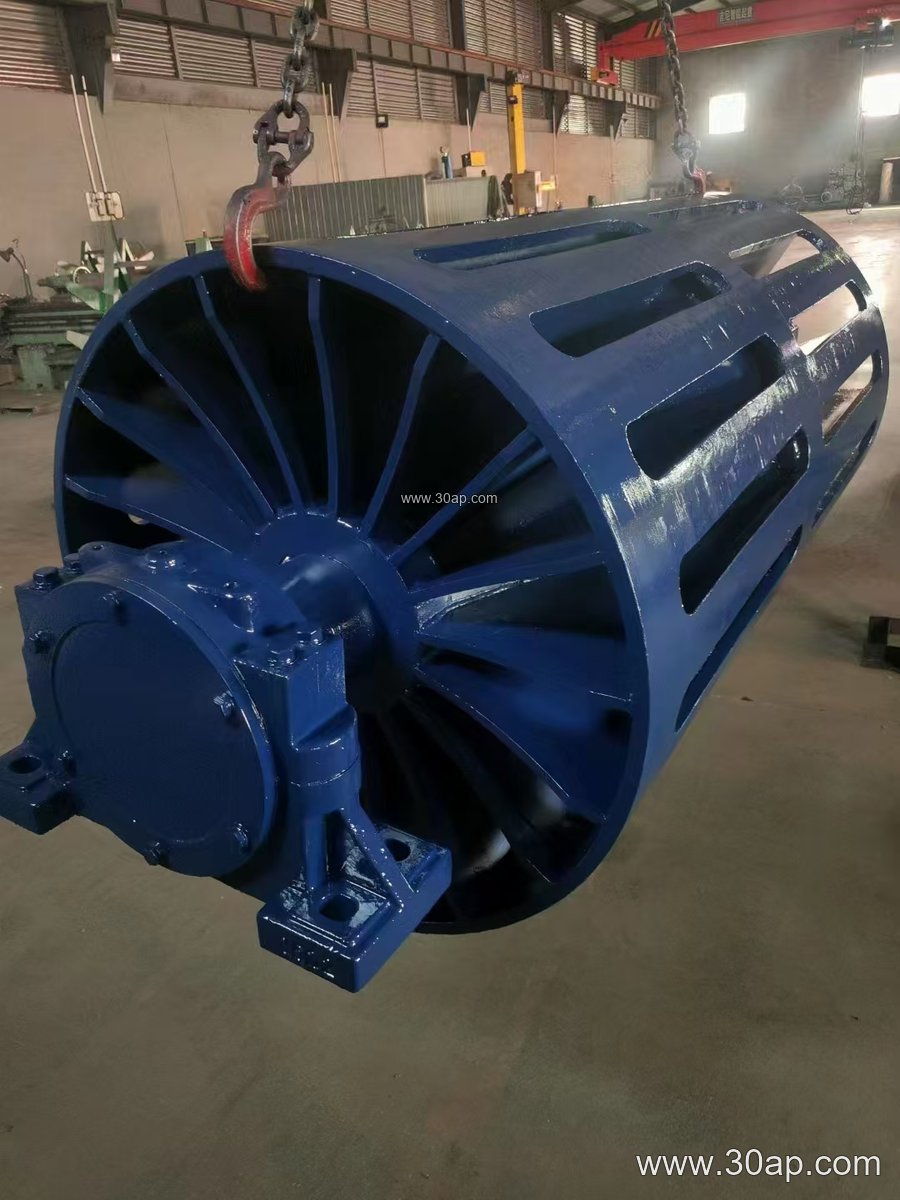
The construction of a 630mm diameter conveyor pulley generally involves a cylindrical shell, end discs, a shaft, and a locking assembly or keyed connection. The shell is usually made from rolled steel plate, machined to ensure roundness and balance. End discs are welded to the shell and bored to accept the shaft. Depending on the design, the shaft may be keyed, shrink-fitted, or locked with a ringfeder-type assembly.
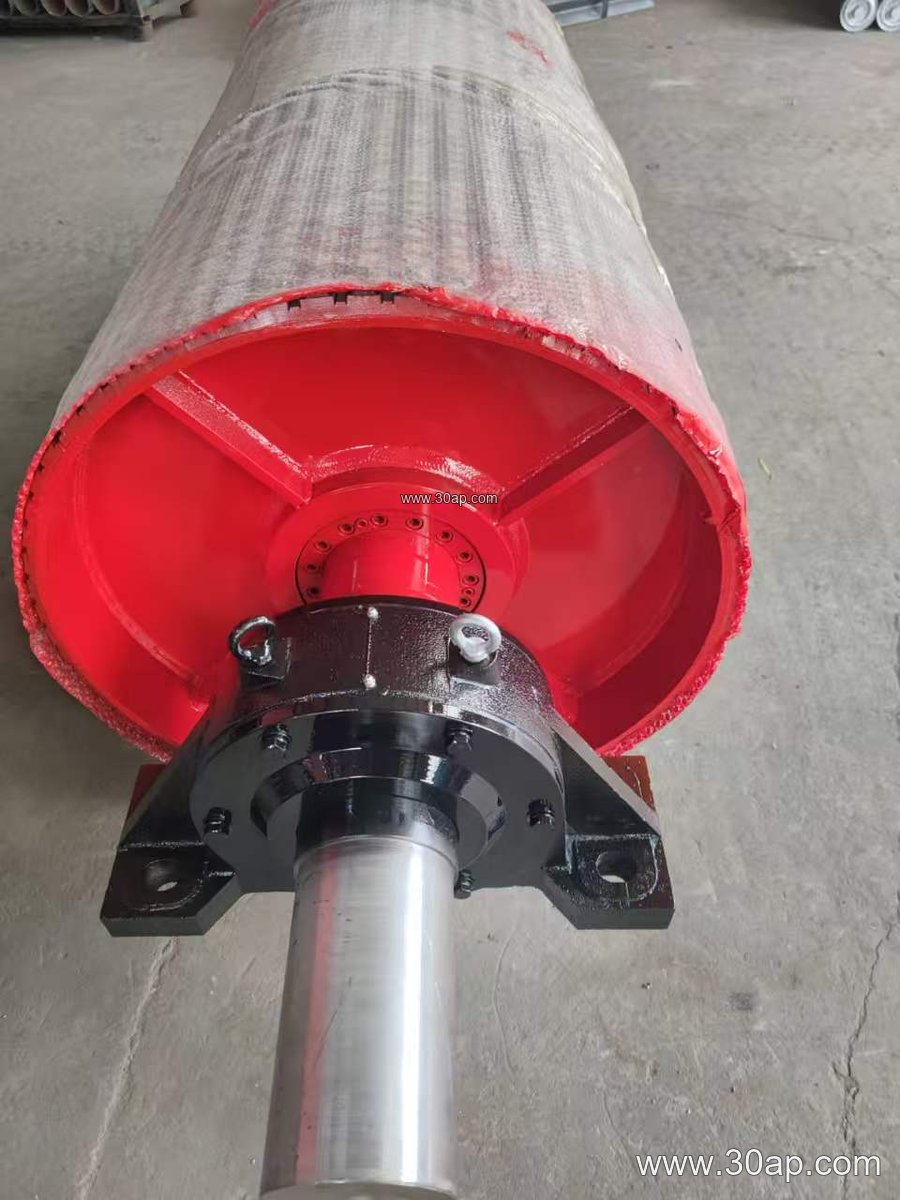
Surface treatment is a critical part of the build. Pulleys may be supplied plain, or with rubber lagging applied by cold bonding or hot vulcanization. Common lagging thicknesses include 8 mm, 10 mm, 12 mm, 15 mm, and 20 mm. Diamond grooved or herringbone patterns are often used to improve grip and shed water or fines. Ceramic lagging is another option for high-wear applications.
Bearing housings are typically bolted to the conveyor bracket, and the shaft ends may be fitted with bearing seals to keep out dust and moisture. The overall design must account for the belt tension, the torque transmitted, and the radial loads imposed by the belt.
Where a 630mm Diameter Conveyor Pulley Is Used
This pulley size appears in several industries where conveyors move heavy or abrasive materials. In a quarry or aggregate plant, a 630mm diameter pulley may serve as a head pulley on a primary crushing conveyor, working with an abrasion resistant conveyor belt to handle crushed stone. In a coal preparation plant, it can be found on raw coal conveyors where flame retardant conveyor belt properties are required. Cement plants use this size on clinker and limestone conveyors, while power plants may apply it on coal handling lines.
The pulley is also used as a bend or tension pulley in longer conveyor systems. When used as a bend pulley, it changes the belt direction without driving the belt. When used as a tail pulley, it provides the return-end support and helps maintain belt tension. Each position imposes different loads, so the design and lagging choice should match the duty.
Common Specifications and Size Combinations
The 630mm diameter is one of many standard pulley diameters. It can be combined with a range of belt widths. The table below shows typical face width relationships and possible diameter combinations for reference only. Actual dimensions are determined by the conveyor design.
| Belt Width (mm) | Typical Pulley Face Width (mm) | Example Diameter Combination |
|---|---|---|
| B650 | About 750 | B650 × Ø630 |
| B800 | About 950 | B800 × Ø630 |
| B1000 | About 1150 | B1000 × Ø630 |
| B1200 | About 1400 | B1200 × Ø630 |
| B1400 | About 1600 | B1400 × Ø630 |
Shaft diameter is not fixed by belt width alone. Common shaft sizes range from Ø100 mm to Ø200 mm for this pulley class, but the final choice depends on torque, bending load, and bearing selection. Buyers should provide the conveyor duty, belt speed, and starting conditions so the manufacturer can calculate the shaft correctly.
Lagging options for a 630mm diameter pulley include plain surface, rubber lagging, diamond lagging, and ceramic lagging. The lagging thickness may be 10 mm or 12 mm for general duty, or up to 15–20 mm for high-traction applications. A rubber conveyor belt running over a lagged pulley generally achieves better grip than over a plain steel surface.
What Buyers Should Know Before Ordering
- Confirm the pulley position: drive, tail, bend, or tension. Each has different load and traction requirements.
- Specify the belt width and the required face width. The pulley face is usually wider than the belt.
- State the belt type, such as EP conveyor belt or steel cord conveyor belt, because belt tension affects pulley shaft design.
- Choose the lagging based on material conditions. Wet, dusty, or oily environments may call for different surface patterns.
- Provide the shaft diameter and bearing type if the pulley must match an existing conveyor bracket.
- Ask for dynamic balancing if the pulley will run at higher speeds.
A 630mm diameter conveyor pulley is a robust, versatile component that can serve many conveyor positions when correctly specified. Matching it to the belt, the load, and the environment is the key to long service life and smooth operation.