What an Underground Mining Conveyor Belt Is
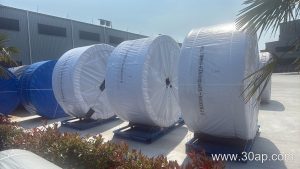
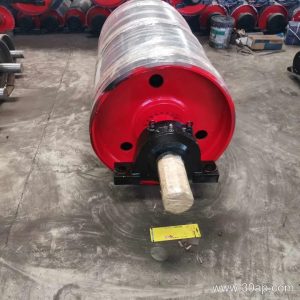
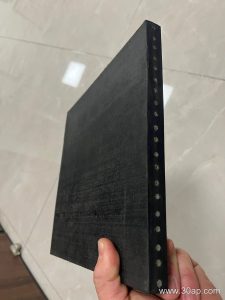
An underground mining conveyor belt is the continuous load-bearing surface of a conveyor system installed in mines, tunnels, and other confined extraction environments. It moves coal, ore, rock, and processed minerals from the working face to the shaft, slope, or surface transfer point. In many operations, this rubber or PVC-based belt runs on idler rollers and is driven by a head pulley, with a tail pulley at the return end and bend pulleys guiding the path around corners and inclines. The belt itself is a composite of a tension-carrying carcass and protective cover layers, engineered to resist abrasion, impact, and sometimes fire or static buildup.
Construction and Common Configurations
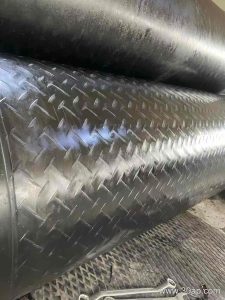
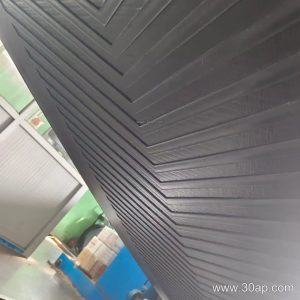
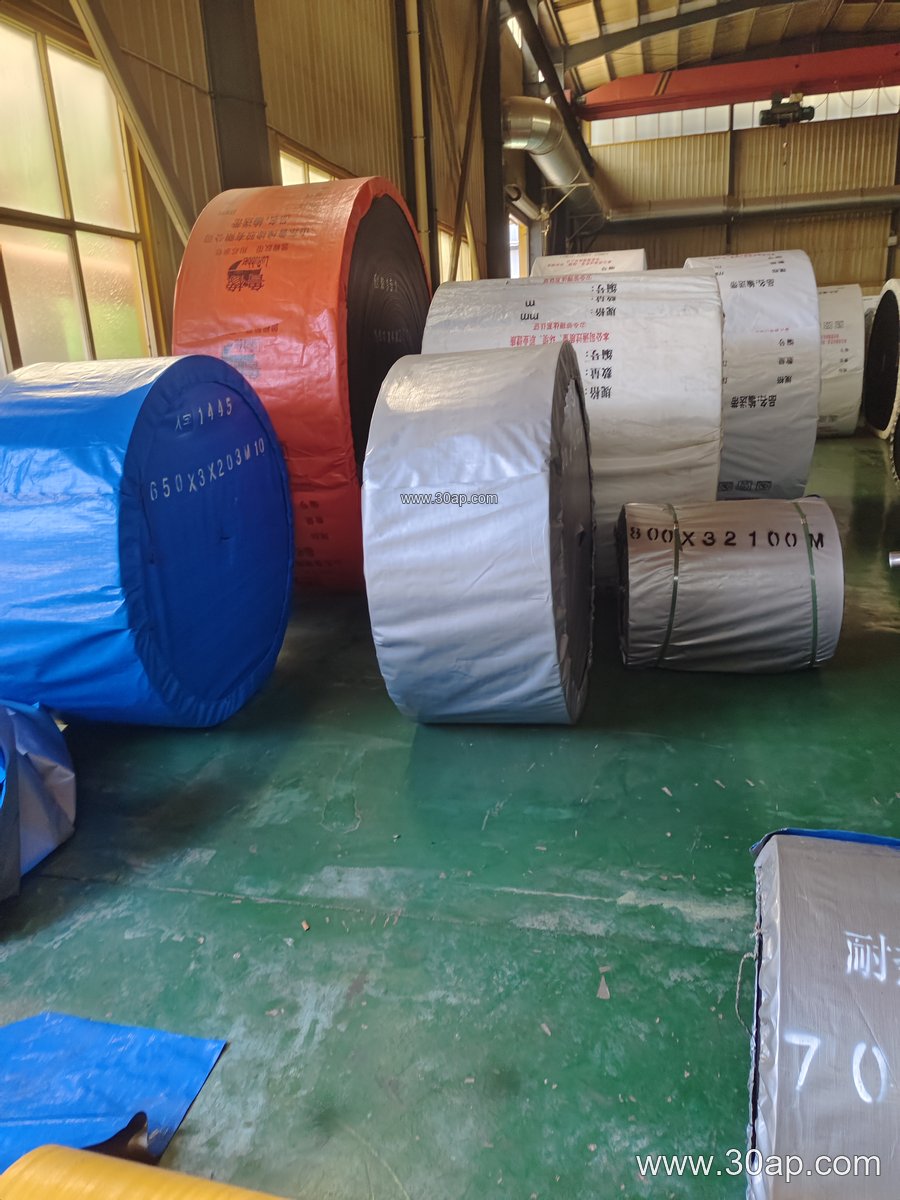
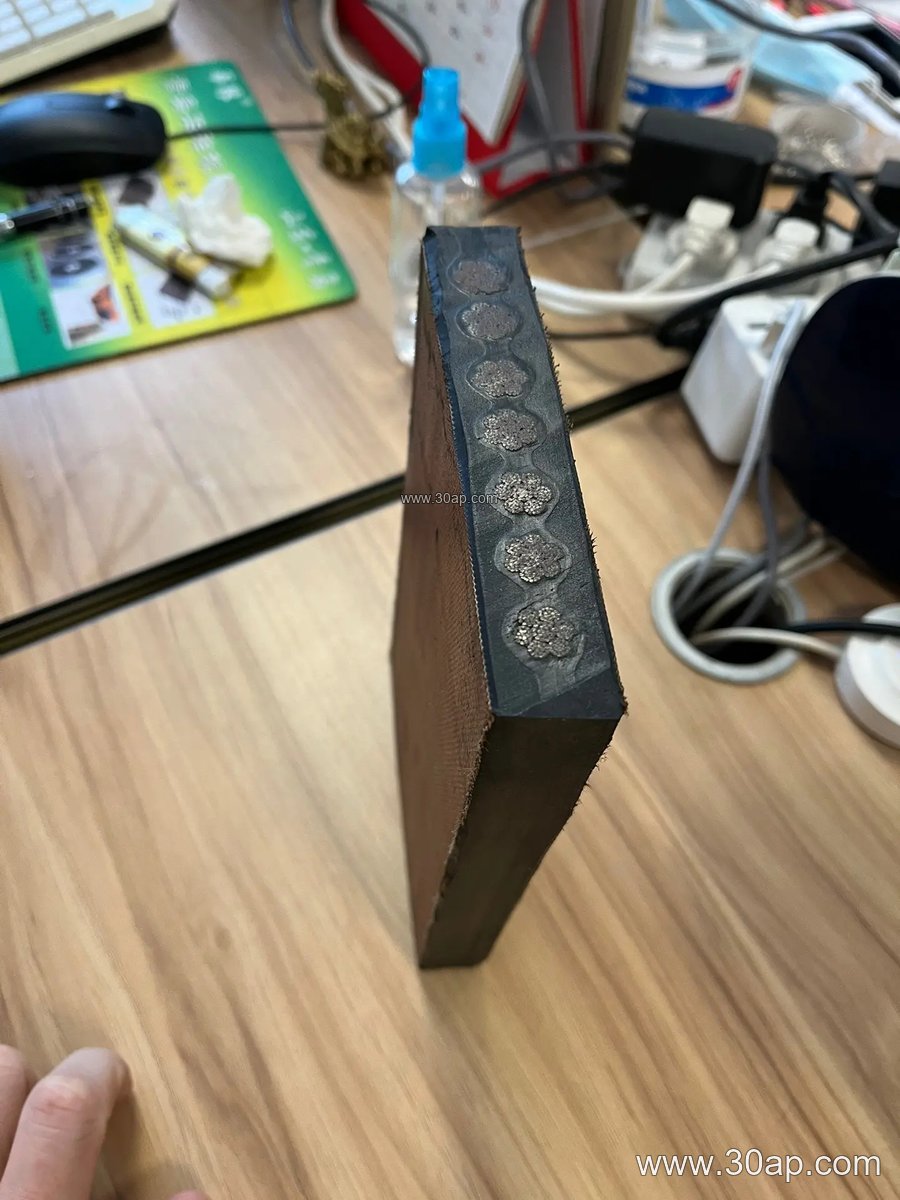
Most underground mining conveyor belts use a fabric carcass (EP or NN) or a steel cord carcass, depending on the required tensile strength and the load profile. The carcass is bonded between top and bottom cover rubber. Cover thickness is often specified as a combined value, for example 4+2 mm or 6+2 mm, where the first number represents the top cover and the second the bottom cover. The belt edge can be cut square or molded, and for steep inclines, patterned surfaces such as herringbone or chevron may be used to reduce material rollback. Flame-resistant and antistatic grades are frequently requested for coal mines and other gassy underground operations.
Typical Reference Data
The following values are common reference points, not universal specifications. Final dimensions and constructions are determined by the conveyor design and the belt manufacturer.
| Property | Common Reference Range |
|---|---|
| Belt type | EP, NN, steel cord, PVC, PVG; flame-resistant, antistatic, wear-resistant |
| Tensile strength (EP) | EP200 to EP2000 |
| Belt width | B500, B650, B800, B1000, B1200, B1400, B1600, B1800, B2000 |
| Cover thickness | 3+1.5 mm, 4+2 mm, 5+2 mm, 6+2 mm, 8+3 mm |
| Carcass layers (fabric) | 2 to 6 plies, depending on strength class |
These values should be matched to the conveyor’s calculated tension, the material lump size, and the available take-up travel. A belt width is not tied to a single pulley diameter; the pulley and shaft dimensions are selected from the conveyor’s power and tension requirements, not from the belt width alone.
Where It Is Used
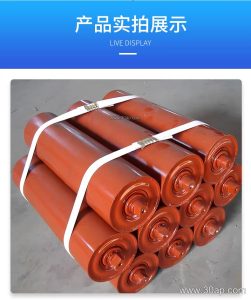
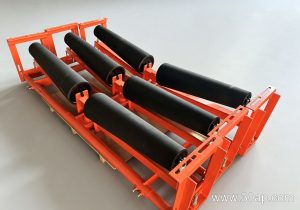
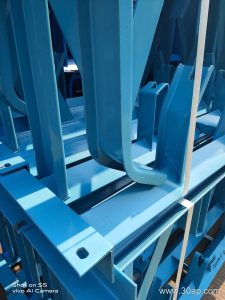
Underground mining conveyor belts appear in coal mines, metal mines, limestone and aggregate operations, cement plants, and underground power plant fuel handling. In a coal mine, a flame-resistant belt is often mandatory, while a hard-rock mine may prioritize abrasion resistance and impact resistance. In a cement plant or sand and gravel facility, the same belt family may run on surface conveyors, but the underground version must also handle confined space, limited maintenance access, and potential water or dust exposure. The belt works together with idler rollers, conveyor pulleys, and conveyor brackets that support and guide the loop.
Selection Notes for Buyers
Buyers should start with the conveyor design data: capacity, belt speed, incline angle, material density and lump size, and the required tensile strength. From there, choose the carcass type and strength class, then the cover grade and thickness. For underground work, confirm the flame resistance and antistatic requirements with the site’s safety plan. Consider the environment: wet or oily conditions may call for a different cover compound, and cold climates may require a cold-resistant grade. Specify the belt width and cover thickness as part of the complete specification, and remember that the drive pulley, tail pulley, and bend pulleys are separate components with their own selection criteria.
Maintenance and Spare Parts
Regular inspection of belt splices, edge wear, and cover condition helps avoid unplanned stops. Keep spare idler rollers and a spare conveyor pulley or two on site if the conveyor is critical. The conveyor bracket and frame should be checked for alignment, because misalignment accelerates edge damage. Belt tracking should be adjusted through the tail pulley and bend pulleys, not by altering the belt construction. Store spare belts in a dry, shaded area and follow the manufacturer’s splice instructions for the chosen carcass type.
Practical Summary
The underground mining conveyor belt is a system component, not a standalone product. Its type, strength, width, and cover thickness must fit the conveyor layout and the mine’s safety requirements. Use the reference values above as a starting point for discussion with the belt supplier and the conveyor designer, and verify all dimensions against the actual installation.