What an EP300 Conveyor Belt Is
An EP300 conveyor belt is a fabric-reinforced rubber belt built around polyester warp and polyamide weft fabric, usually called EP fabric. The number 300 refers to the nominal tensile strength of the carcass, commonly expressed as 300 N/mm per ply. In practical terms, this is a mid-to-high strength belt that sits above general EP200 grades and below heavier EP400 and EP500 constructions, making it a frequent choice for main haulage lines in mines, cement plants, power stations and sand and gravel yards.
The same product also appears in catalogues as a polyester-polyamide conveyor belt or EP carcass belt. Those names describe the same construction; they are not different belt types.
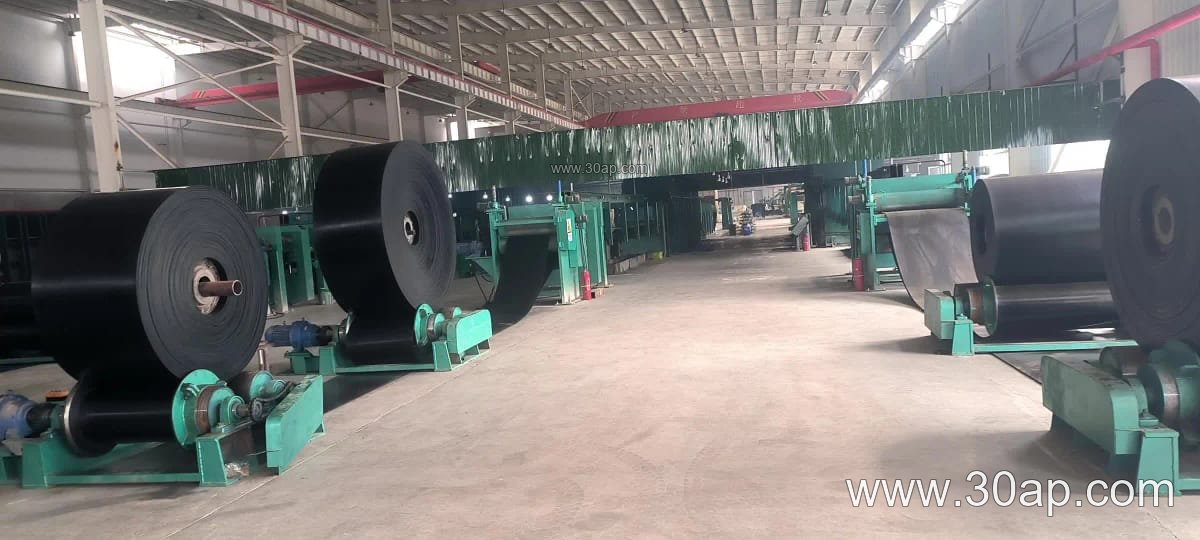
How the Belt Is Built
The carcass consists of multiple EP fabric plies bonded together with rubber skim compound. The ply count is normally selected by the belt designer, and common constructions run from two to six plies depending on the required strength and the load profile. Top and bottom cover rubber protect the carcass from abrasion, impact and moisture.
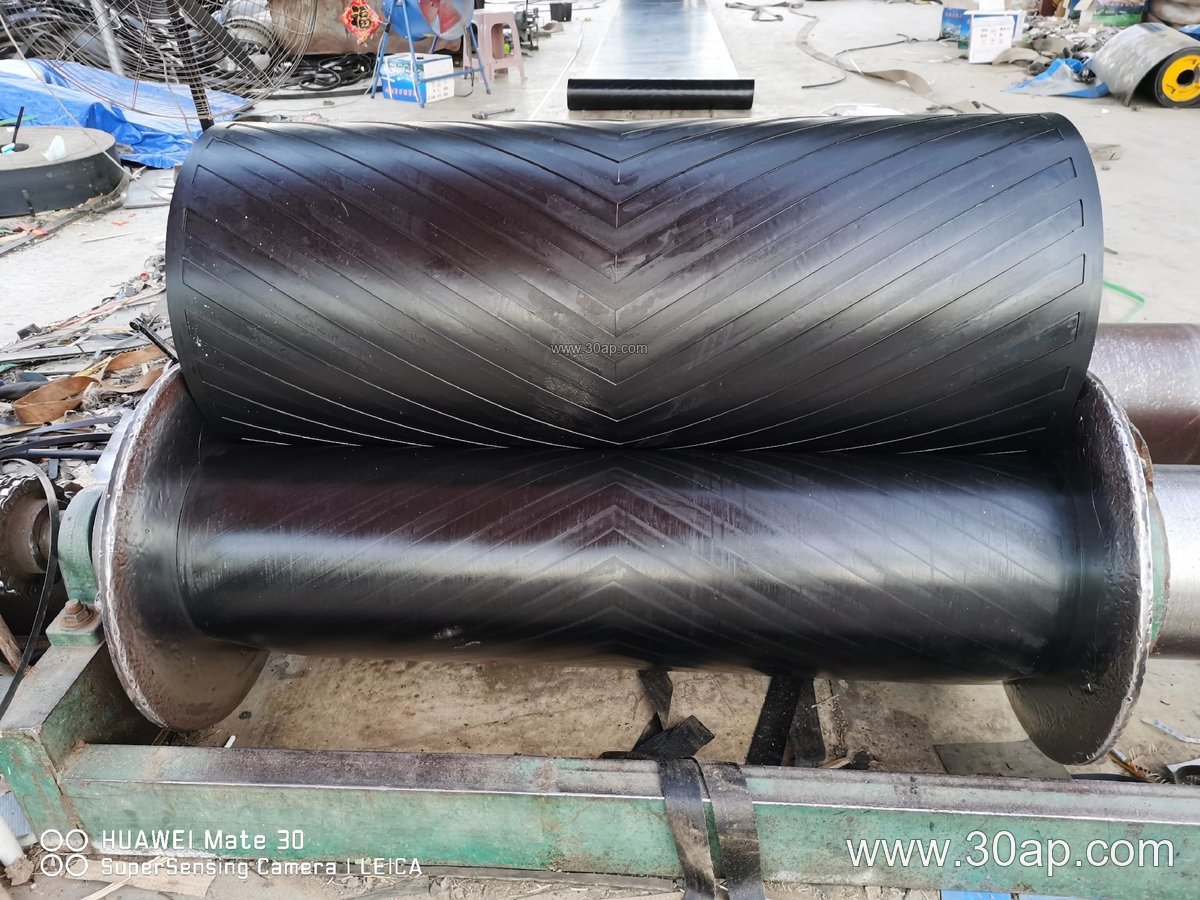
Cover thickness is usually written as top plus bottom, for example 4+2 mm or 6+2 mm. A 3+1.5 mm cover suits lighter abrasive duty, while 8+3 mm is used where sharp rock or hot clinker is present. The buyer should confirm the actual cover grade, since abrasion-resistant, heat-resistant, oil-resistant, flame-retardant and anti-static versions are all available on EP carcasses.
Typical Strength and Width References
The table below shows common reference values. These are design references, not fixed universal specifications, and every project should be checked against the actual conveyor calculation.
| Property | Common reference values |
|---|---|
| Carcass grade | EP200, EP315, EP400, EP500, EP630, EP800, EP1000, EP1250, EP1600, EP2000 |
| Belt width | B500, B650, B800, B1000, B1200, B1400, B1600, B1800, B2000 |
| Cover thickness | 3+1.5, 4+2, 5+2, 6+2, 8+3 mm |
| Ply count | Usually 2 to 6 layers |
Width and strength are chosen together with the pulley diameters on the conveyor. A wider belt does not automatically require one specific pulley size, and shaft diameter must be calculated from the drive load, not guessed from belt width.
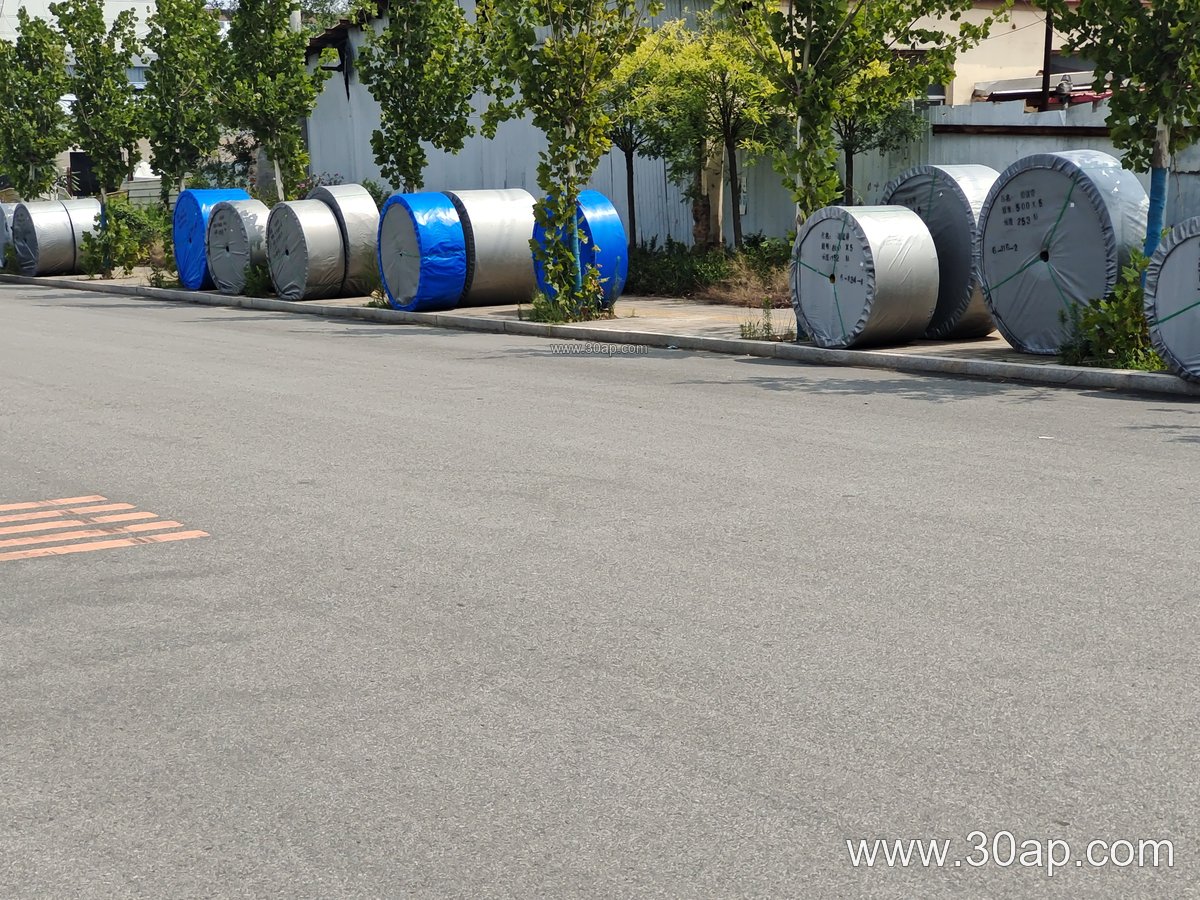
Where It Fits on the Conveyor
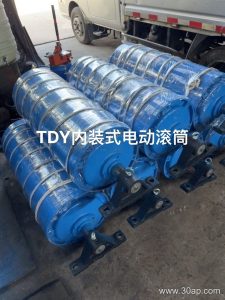
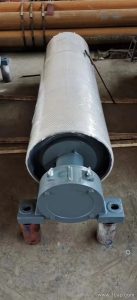
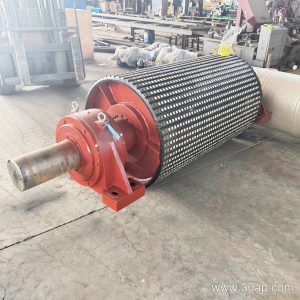
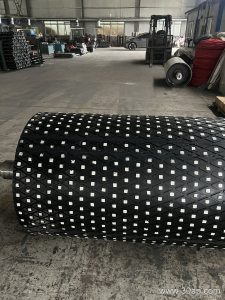
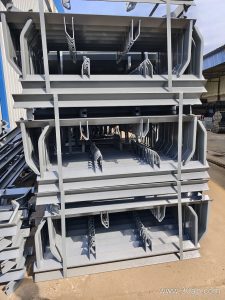
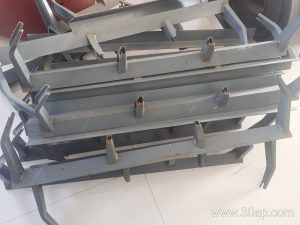
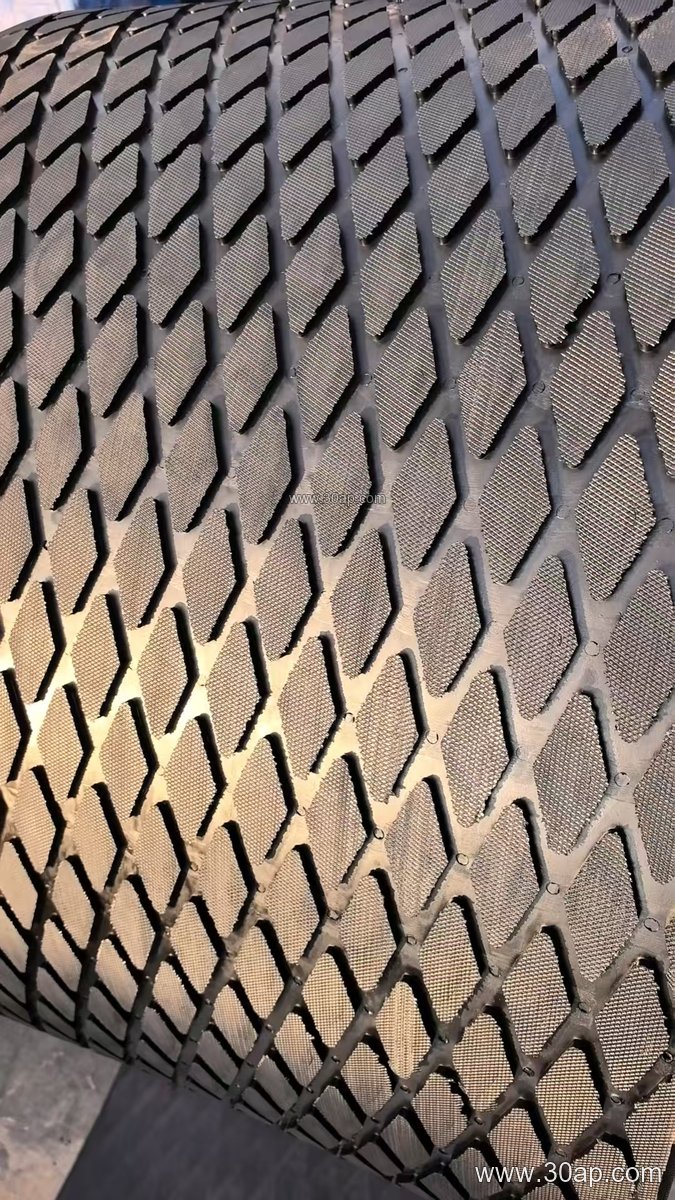
An EP300 belt runs over a drive pulley, tail pulley and bend pulleys, and is supported by idler rollers along the carrying and return strands. The belt, pulleys, idlers and conveyor brackets form one mechanical system, so belt tension and pulley lagging should be reviewed together. The drive, tail and bend pulleys each perform a different function and are not interchangeable.
In a coal preparation plant, an EP300 belt may carry washed coal over a long incline. In a cement works it can feed clinker or limestone, and in a power plant it often moves fuel or ash. Sand and gravel operations use it on primary and secondary haulage. In each case the belt grade should match the material: sharp, heavy rock calls for a thicker cover and impact resistance, while fine dry material may allow a lighter cover.
Selection Points for Buyers
- Check the duty, not only the number. EP300 is a carcass strength class; the cover grade decides wear life.
- Confirm ply construction. Two-ply and multi-ply EP300 belts behave differently in troughing and splicing.
- Match the splice method. Vulcanized splicing is usual for permanent installations; mechanical fasteners suit temporary lines.
- Review pulley and idler compatibility. Trough angle, idler spacing and pulley diameter all affect belt training.
- Ask for the data sheet. Elongation, adhesion and cover hardness should be stated by the supplier rather than assumed.
Handling and Maintenance Notes
Store EP300 belts in a dry, shaded place and avoid tight coils that can crack the cover. During operation, check for edge wear, cover cuts and exposed fabric. A small cover nick can allow moisture into the carcass, so repair it early. Keep idler rollers turning freely and inspect the drive pulley lagging for wear, because a slipping pulley accelerates belt damage. Belt tracking should be corrected by adjusting idlers and pulleys, not by over-tensioning the belt.
When replacing a belt, record the width, ply count, cover thickness and strength class from the old belt and compare them with the conveyor design. That record makes the next purchase simpler and helps keep spare belts consistent across a plant.