What a Q235 Conveyor Bracket Does
A Q235 conveyor bracket is the steel support that holds idler rollers in the correct position under or over a conveyor belt. It is often called a Q235 conveyor support bracket or Q235 idler bracket, and the name comes from the steel grade: Q235 is a common low-carbon structural steel in China, chosen for its weldability, formability and predictable strength. In a quarry, a coal washing plant or a cement kiln line, these brackets are the quiet link between the frame and the rotating parts.
The bracket does not carry the material itself. It positions the idler roller so the conveyor belt keeps its trough shape, tracks straight and runs without rubbing the structure.
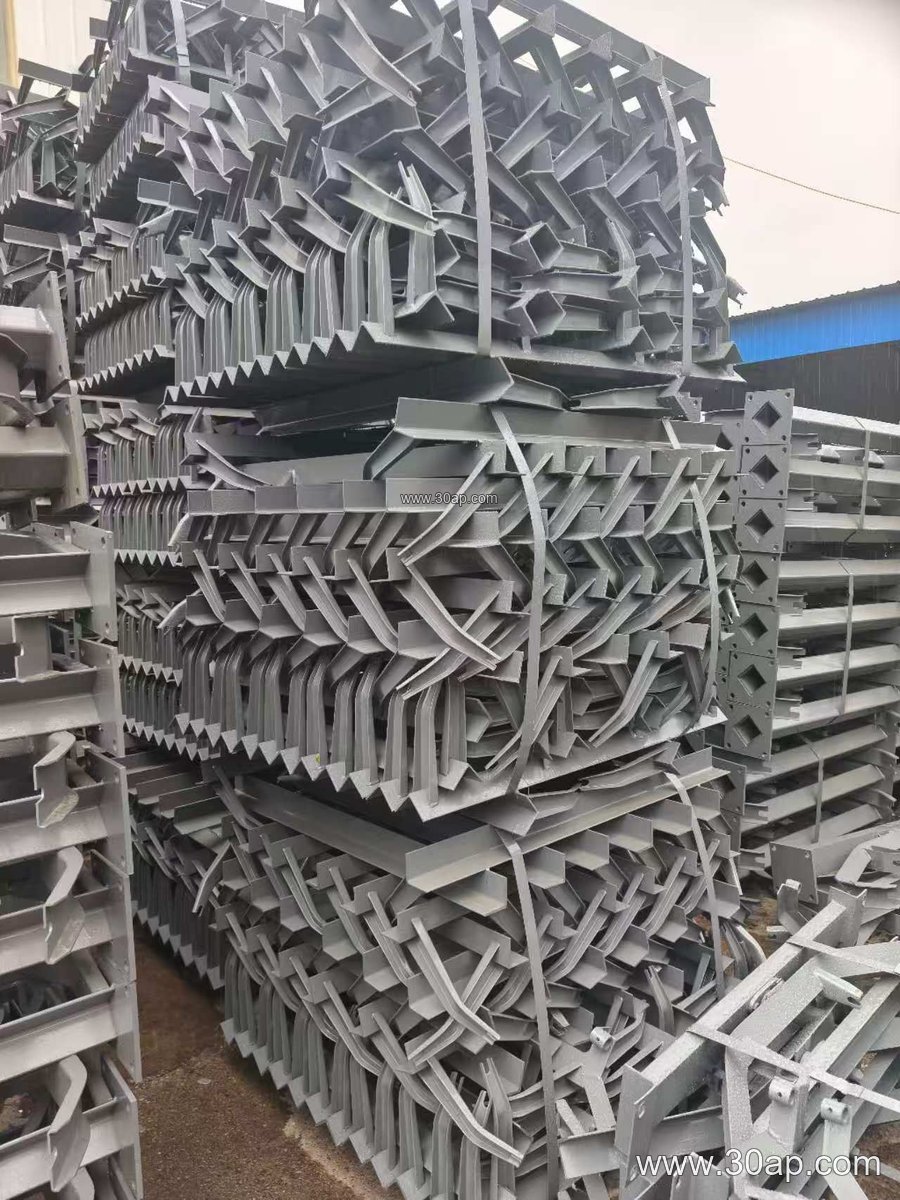
How the Bracket Is Built
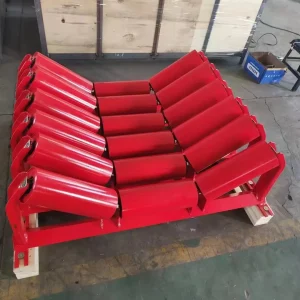
Most Q235 conveyor brackets are fabricated from angle steel, channel steel or folded steel plate. The material is cut, punched and welded, then usually painted or galvanized for corrosion protection. A trough bracket has angled arms that set the trough angle; a return bracket is flatter and supports the belt on its lower run.
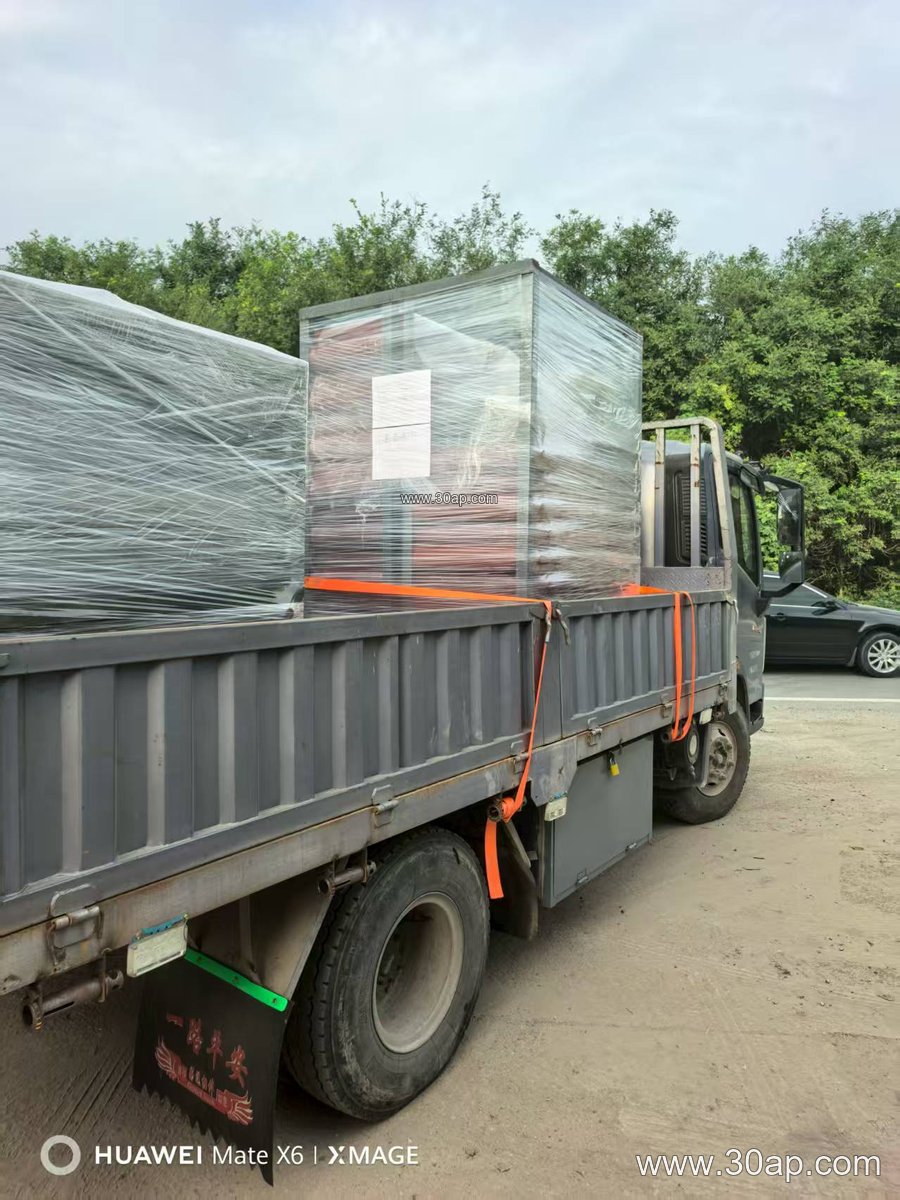
- Angle steel: light brackets for smaller belt widths
- Channel steel: heavier loads and wider frames
- Folded plate: cleaner shapes and fewer welds
Installation hole spacing and crossbeam length change with belt width and trough angle, so they are set by design rather than treated as a fixed number.
Common Types and Where They Sit
The same Q235 steel can be formed into several bracket types, each with a different job on the conveyor:
- Trough bracket (upper carrying side)
- Transition bracket near the pulley
- Return bracket and V-return bracket
- Impact bracket under the loading point
- Self-aligning and forward-leaning brackets
- Adjustable brackets that allow trough angle changes
On a crushing and screening line, trough brackets carry the belt through the load zone, while impact brackets absorb the drop from the crusher. In a coal yard or power plant coal handling system, self-aligning brackets help keep the belt centered over long runs.
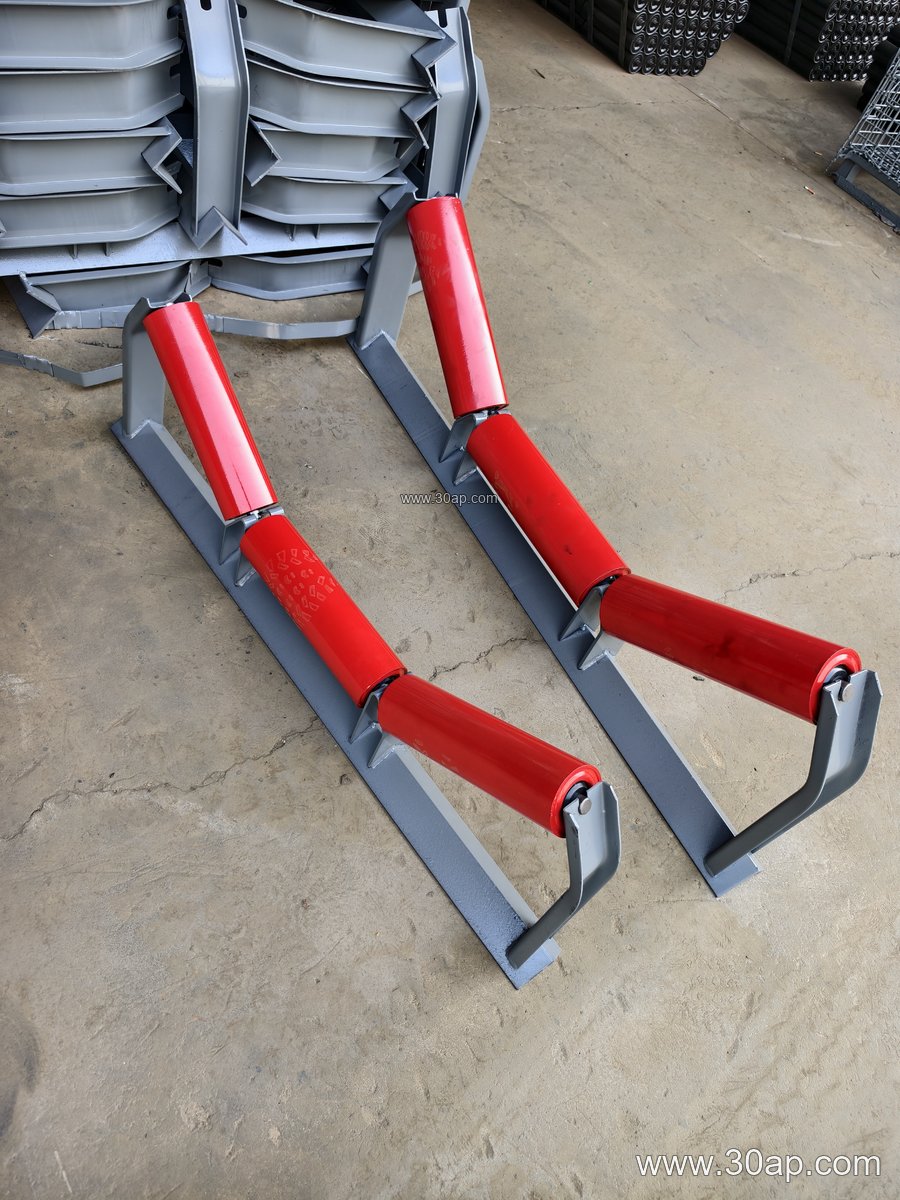
Trough Angle, Belt Width and Roller Diameter
Trough angle is one of the first choices a buyer makes. Common values are 20, 30, 35 and 45 degrees. A wider, deeper trough suits high-capacity lines, while a shallower angle suits materials that are easy to disturb. Adjustable brackets can be set between these angles during installation or maintenance.
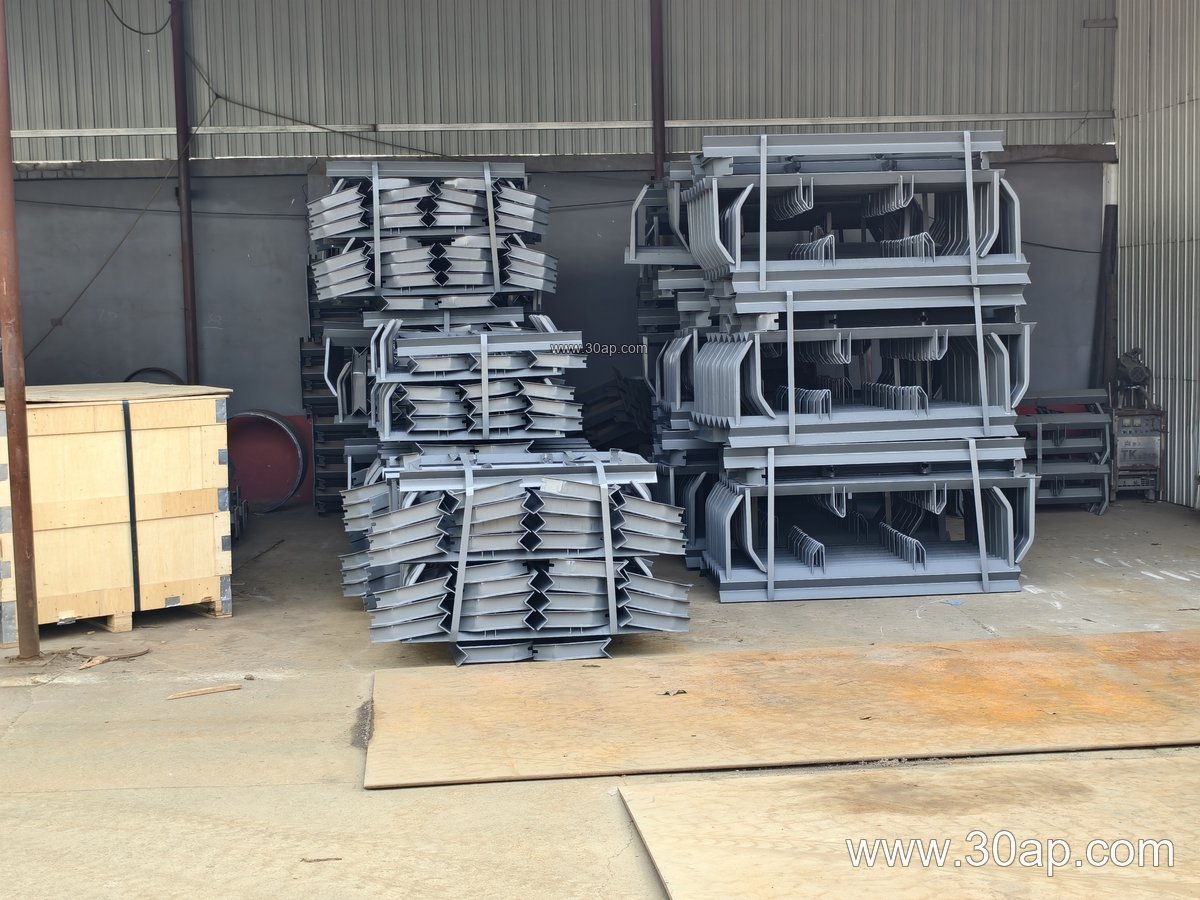
| Belt width | Trough angle | Roller diameter | Typical setting |
|---|---|---|---|
| B500 | 20 to 30 degrees | Ø89 | Small aggregate or sand line |
| B650 | 30 degrees | Ø89 or Ø108 | Batch plant feed |
| B800 | 35 degrees | Ø108 | Screening plant |
| B1000 | 35 degrees | Ø108 or Ø133 | Cement plant transfer |
| B1200 | 45 degrees | Ø133 | Coal handling |
| B1400 | 45 degrees | Ø133 or Ø159 | Heavy bulk haulage |
| B1600 to B2000 | 35 to 45 degrees | Ø159 or Ø194 | Large mine and port lines |
These pairings are common examples, not fixed rules. Belt width, trough angle and roller diameter are selected together with belt speed and material load. A given belt width does not limit the conveyor to one trough angle or one roller size.
Matching the Bracket to the Rest of the Conveyor
The bracket has to fit the conveyor pulley and frame layout, so check the shaft and bearing arrangement of the neighboring conveyor pulley, and confirm the bracket hole pattern matches the idler roller ends. The belt line should flow smoothly from the tail pulley through the trough brackets to the drive pulley without sudden changes in support height. Forward-leaning brackets, usually set at about 1.5 to 2 degrees, are used to help training on some lines.
Buyer Checklist
- Confirm the steel grade and the surface treatment you need.
- Give belt width, trough angle and roller diameter as a group.
- State the mounting hole spacing and crossbeam length from your drawing.
- Explain whether the bracket is fixed or adjustable.
- Check weld quality, squareness and paint coverage on arrival.
A well-chosen Q235 conveyor bracket is simple, but it decides how evenly the belt sits, how long the idler roller lasts and how often maintenance crews have to walk the line.