What a High Impact Resistant Idler Does
A high impact resistant idler is the carrying roller placed where material hits the conveyor belt hardest. Instead of a standard steel shell, this idler roller uses a cushioning surface such as rubber rings or a heavy rubber lagging to absorb the drop energy of lump ore, crushed stone, or coal. The goal is simple: protect the conveyor belt, keep the belt tracking, and reduce the shock that reaches the roller bearings and frame.
In a quarry, limestone mine, or coal washing plant, the loading zone is where most belt damage begins. A high impact resistant idler acts as a buffer between falling material and the belt line, so the rest of the conveyor can run with fewer interruptions.
How the Impact Roller Is Built
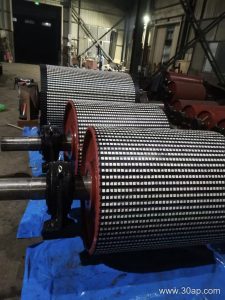
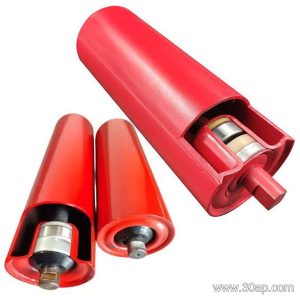
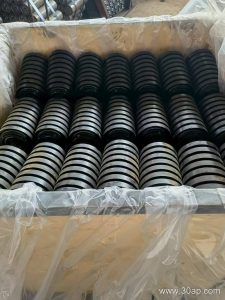
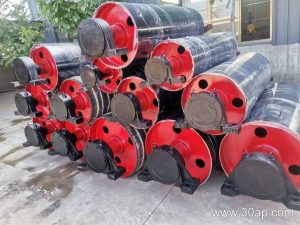
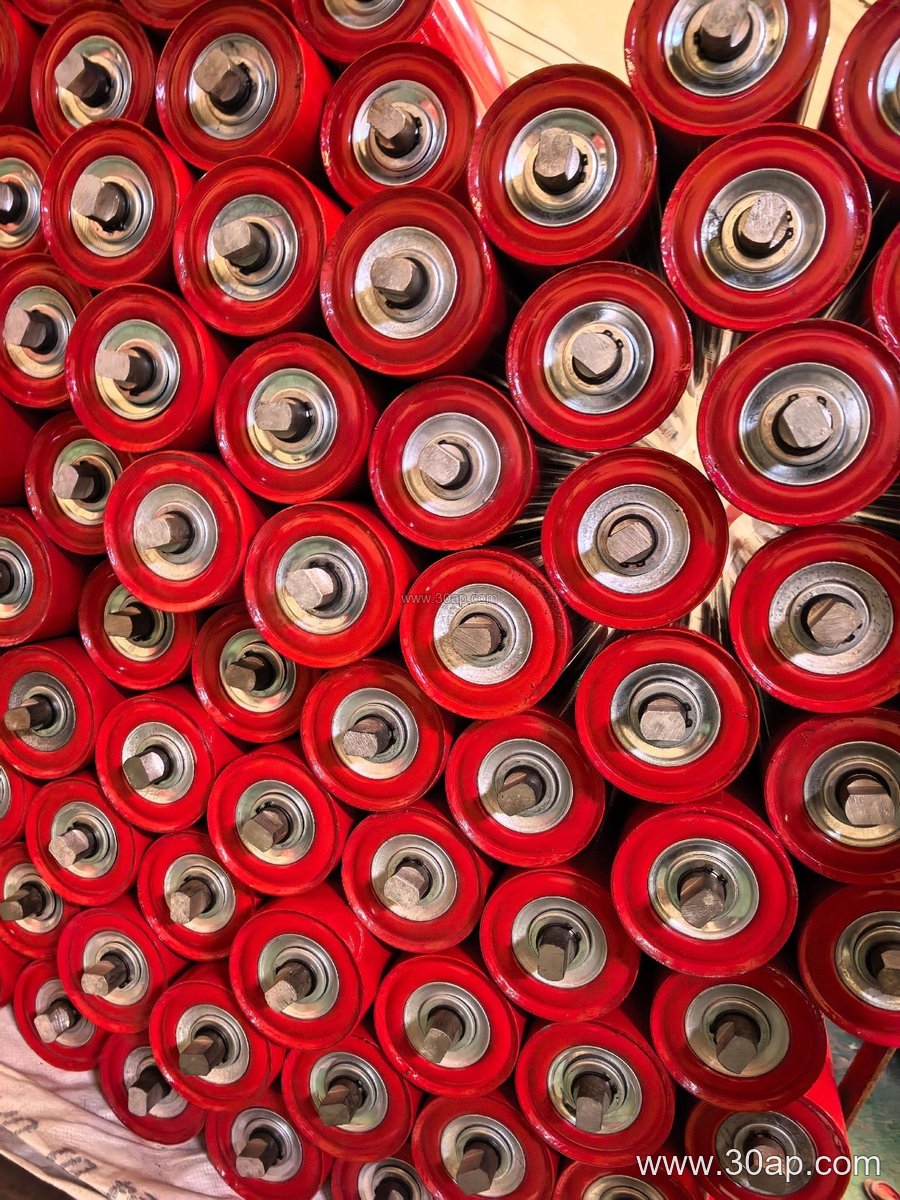
The construction usually starts with a steel tube body, fitted with rubber rings or a rubber sleeve on the outside. The rubber rings are spaced along the roller length, and each ring compresses slightly under load. Inside, the shaft runs through bearing housings that are sealed against dust and water. Common bearing sizes for this kind of roller include 6204, 6205, 6305, 6306, 6308, and 6310, though the bearing is selected by load and speed, not by belt width alone.
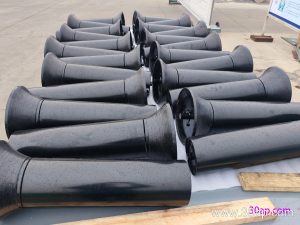
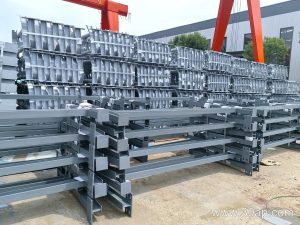
The roller ends may use a labyrinth seal or a contact seal. In dusty locations such as a cement plant or a crushing and screening line, sealing quality matters as much as the rubber surface. The mounting brackets and conveyor bracket dimensions must match the existing idler frame so the roller sits at the correct height under the belt.
Where It Fits on the Conveyor
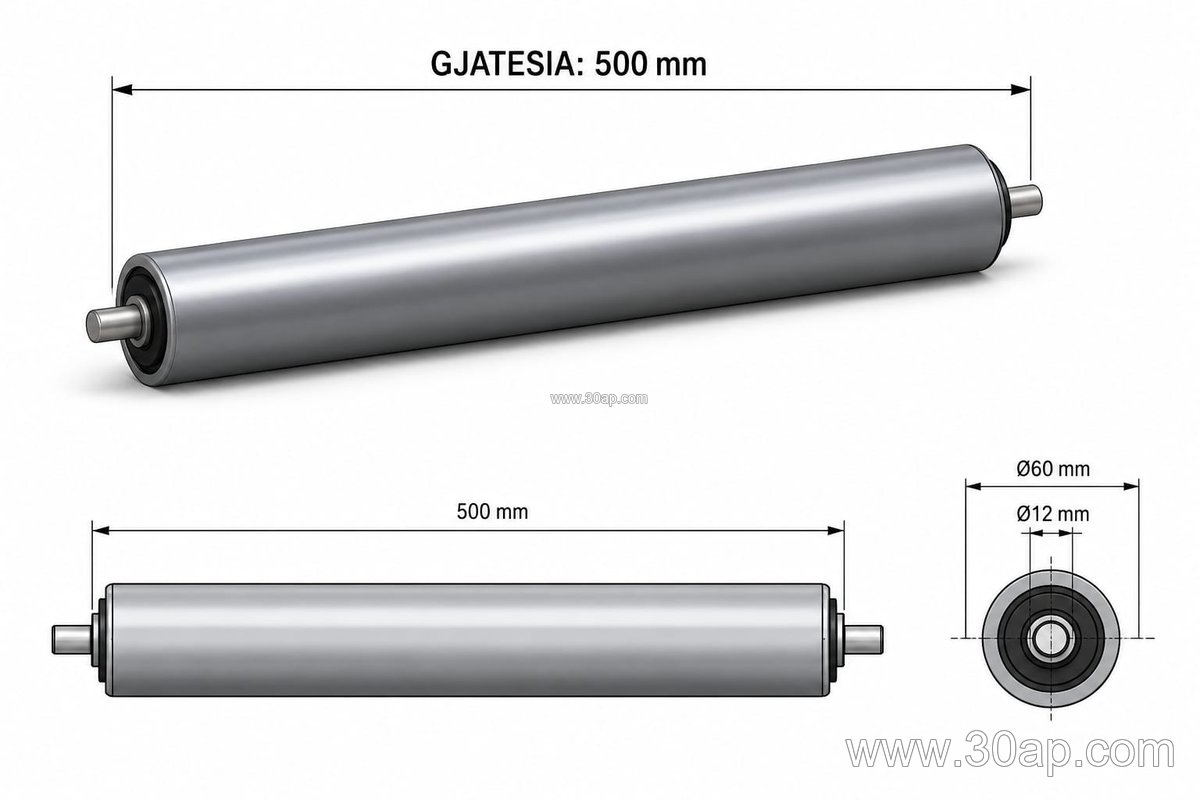
The high impact resistant idler is normally installed at the feed point, just below the chute or hopper. It can be a single roller or part of a three-roll troughing set. In a three-roll arrangement, the center roll takes the direct hit, while the side rolls support the belt edges. The trough angle may be 20, 30, 35, or 45 degrees, depending on the material and belt width.
Typical belt widths in these applications include B500, B650, B800, B1000, B1200, B1400, B1600, B1800, B2000, B2200, and B2400. The roller length changes with belt width and trough angle. For example, a three-roll troughing set commonly uses roll lengths around 200 mm for B500, 250 mm for B650, 315 mm for B800, 380 mm for B1000, 465 mm for B1200, 530 mm for B1400, 600 mm for B1600, 670 mm for B1800, and 750 mm for B2000. These are common references, not fixed rules, and side rolls may differ from the center roll.
Common Sizes and Surface Forms
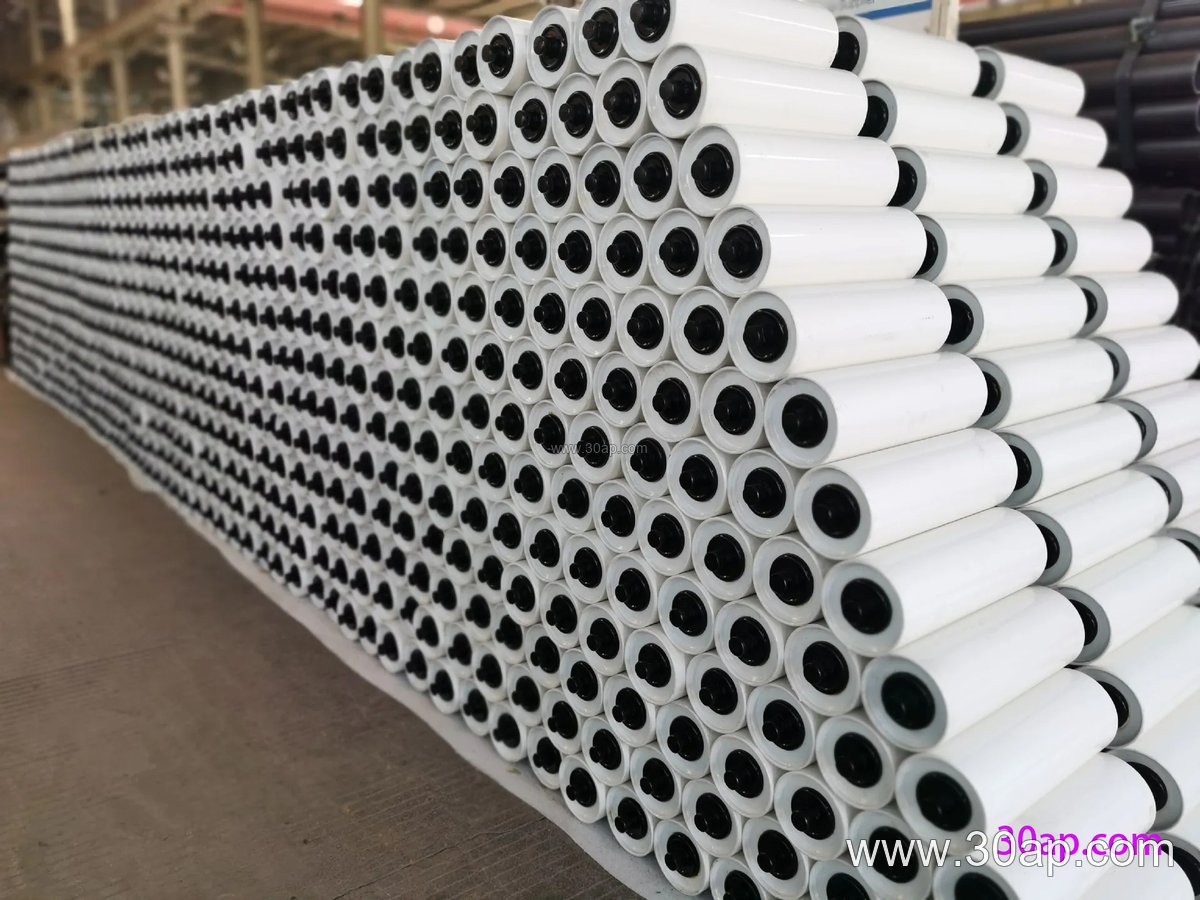
Roller diameters for impact service often range from Ø89 up to Ø219. Smaller diameters suit lighter belts, while larger diameters handle heavier lumps and higher belt speeds. The table below shows common reference combinations, but the final choice should follow the conveyor design.
| Roller Diameter | Common Belt Width | Surface Form | Typical Bearing |
|---|---|---|---|
| Ø89 mm | B500 – B650 | Rubber ring | 6204 / 6205 |
| Ø108 mm | B650 – B800 | Rubber ring | 6205 / 6305 |
| Ø133 mm | B800 – B1200 | Rubber ring or rubber sleeve | 6306 / 6308 |
| Ø159 mm | B1000 – B1400 | Rubber sleeve | 6308 / 6310 |
| Ø178 mm | B1200 – B1800 | Rubber sleeve | 6310 |
| Ø219 mm | B1600 – B2400 | Heavy rubber sleeve | 6310 |
Rubber rings are the most common cushioning form. Some designs use a smooth rubber sleeve instead, which gives a more continuous contact surface. Both are impact idlers; the choice depends on lump size, drop height, and belt speed.
Selection Points for Buyers
- Check the drop height and maximum lump size at the loading point.
- Match the roller diameter and bearing to the belt speed and load.
- Confirm the trough angle and roll length against the existing idler frame.
- Review the seal type for dusty or wet conditions.
- Verify that the conveyor bracket and shaft fit the current installation.
A high impact resistant idler is not a replacement for a troughing idler or a return idler; it is a specialized buffer roller for the load zone. Used correctly, it helps extend conveyor belt life and keeps the material moving in mines, power plants, and aggregate operations.