What an Acid Resistant Conveyor Belt Is
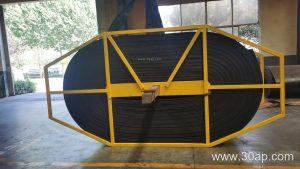
An acid resistant conveyor belt is a rubber conveyor belt built to carry materials or operate in environments where acidic substances would attack ordinary cover rubber. It is also described as an acid and alkali resistant conveyor belt, because the same cover compounds are usually formulated to resist both acidic and alkaline attack. The belt keeps its carrying surface, carcass and pulley-side cover protected while handling damp ore, chemical residues, fertilizer dust, or acidic wash water.
This is still a fabric or steel-cord conveyor belt at heart. The difference lies in the cover compound and in how the splice and edges are protected. In a sand and gravel plant, a cement works or a power station, acid attack often arrives quietly through moisture and fine dust, so buyers should treat chemical exposure as a design condition rather than an afterthought.
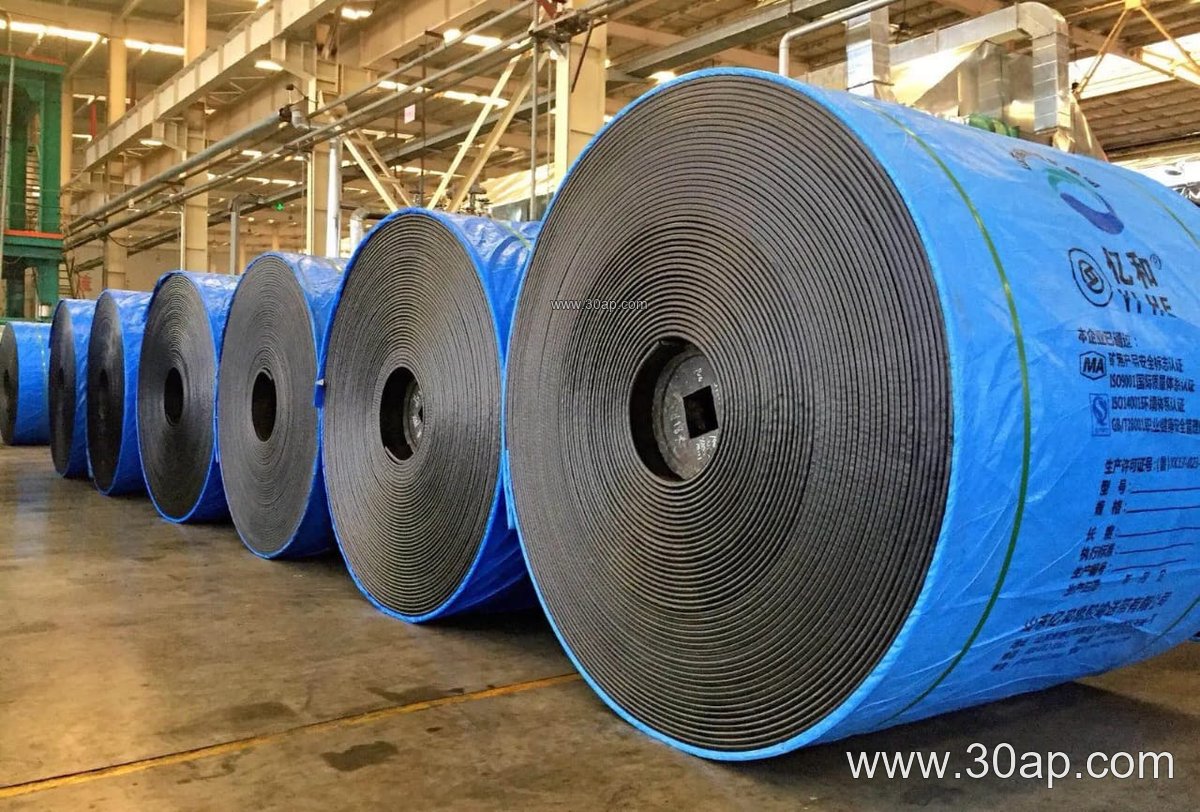
Construction and Cover Compound
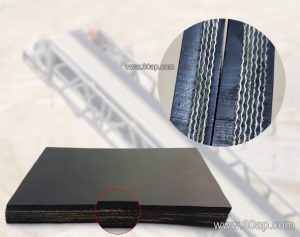
The belt normally combines a tension-carrying carcass with protective covers on both sides. Common carcass options include EP (polyester-cotton) fabric, NN nylon fabric, and steel cord for long, high-tension lines. The acid resistant cover is usually a rubber compound selected for low swell and low hardness change after contact with dilute acids and alkalis.
Cover thickness is stated as top plus bottom gauge, for example 4+2 mm, 5+2 mm, 6+2 mm or 8+3 mm. Fabric belts commonly use 2 to 6 plies, depending on the duty. The edge is often a weak point in corrosive service, so edge quality and a well-sealed splice deserve attention during inspection.
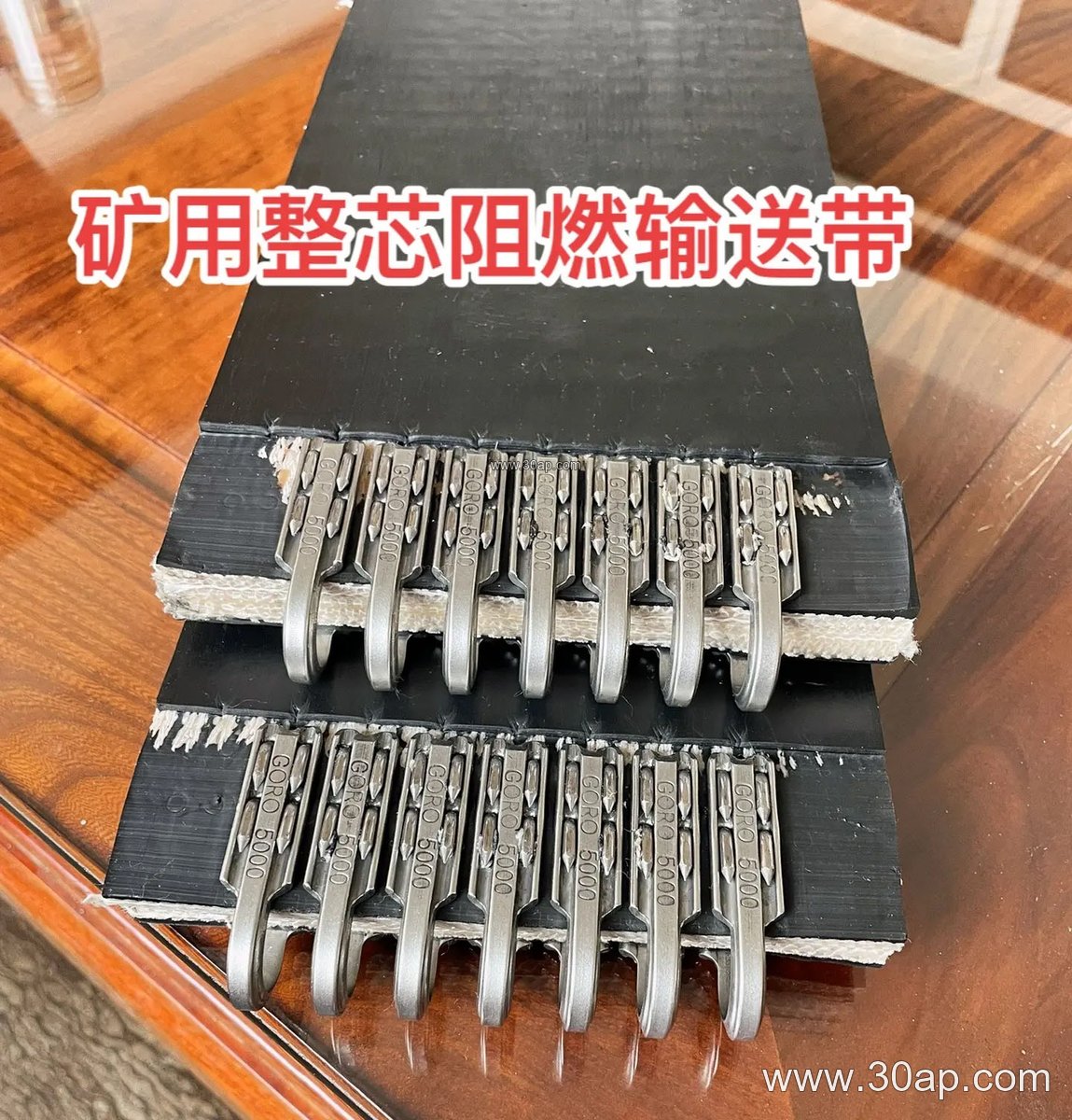
| Parameter | Typical reference |
|---|---|
| Belt type | EP, NN, steel cord with acid resistant cover |
| Strength grades | EP200, EP315, EP400, EP500, EP630, EP800, EP1000 and above |
| Belt width | B500, B650, B800, B1000, B1200, B1400, B1600 |
| Cover gauge | 3+1.5, 4+2, 5+2, 6+2, 8+3 mm |
| Carcass plies | Commonly 2 to 6 layers in fabric belts |
These figures are reference data. Final strength, width and cover thickness are set by the conveyor design, the material carried and the chemical concentration involved.
Where It Fits in the Plant
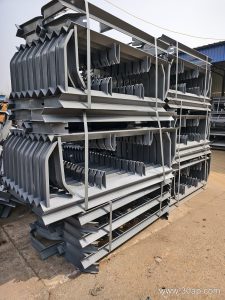
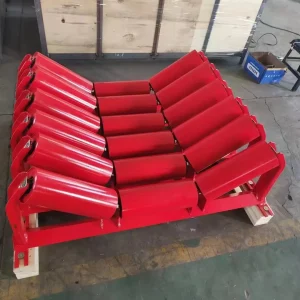
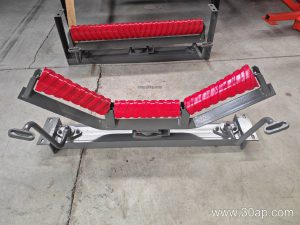
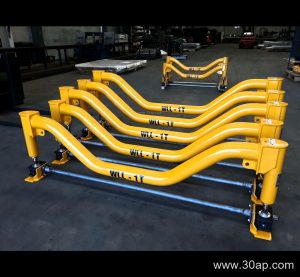
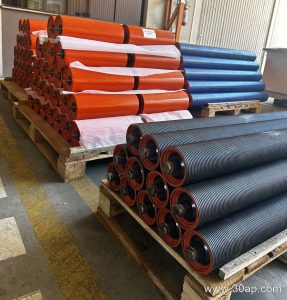
Acid resistant belts appear in fertilizer handling, chemical processing, mineral processing and waste-to-energy lines. In a coal preparation plant they may carry coal with acidic water; in a cement plant they may handle damp raw material or gypsum; in a mine they may work near acid mine drainage. The belt runs over idler rollers, wraps the drive pulley, tail pulley and bend pulleys, and is held in line by conveyor brackets and frames.
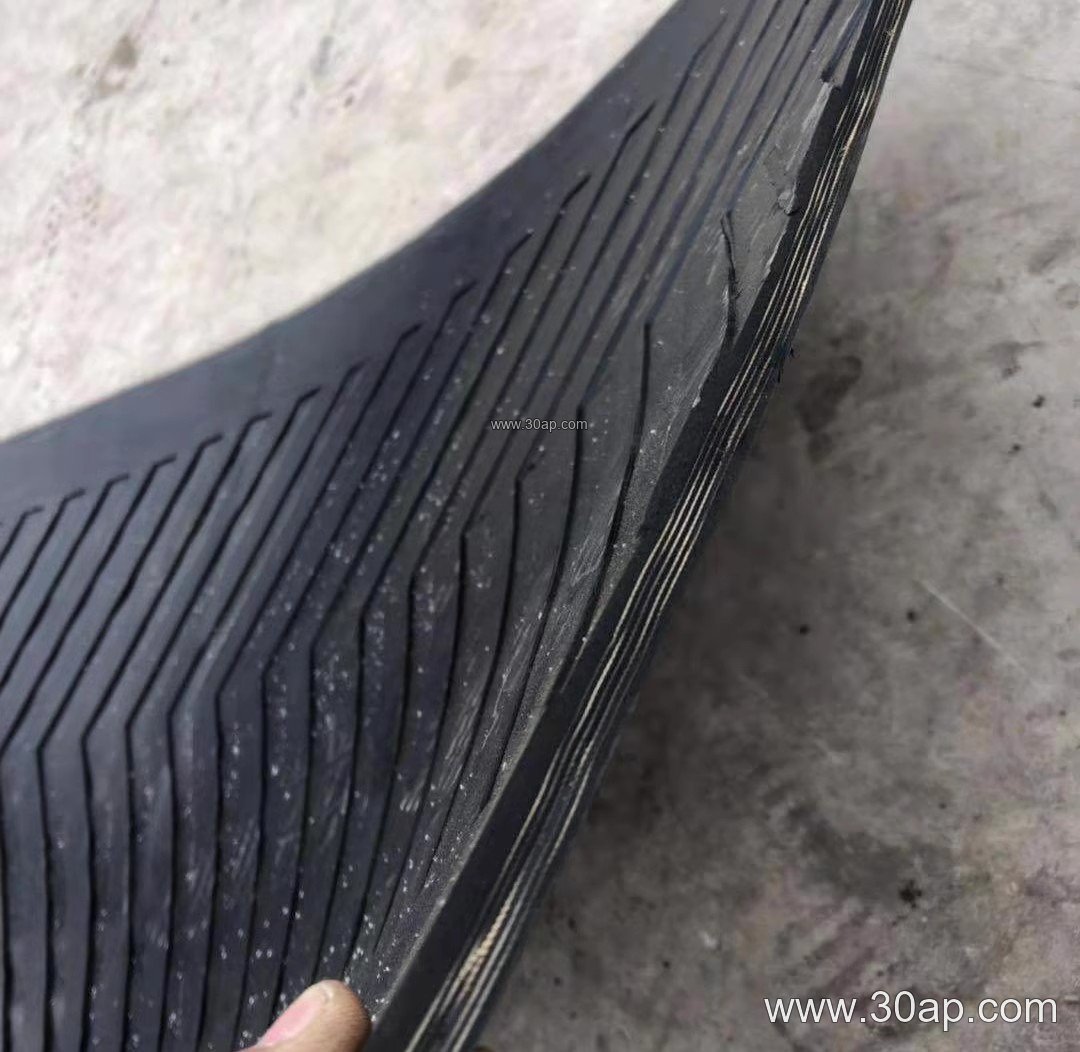
It is worth separating this product from a general耐酸碱 belt claim on a standard EP belt. A dedicated acid resistant conveyor belt uses a cover compound chosen for the chemical duty, while an oil resistant or heat resistant belt is a different subtype selected for a different threat. If a line carries both acid and hot material, discuss the combination with the belt supplier instead of assuming one cover handles both.
Selection Points for Buyers
- Identify the acid or alkali, its concentration and the temperature at the belt surface.
- Check whether exposure is continuous immersion, splash, or only damp dust.
- Match belt strength and width to the actual conveyor, not to a catalogue default.
- Confirm cover gauge and ply count with the load and the pulley diameters used.
- Ask how the splice will be made, since a poor joint shortens belt life in corrosive service.
- Review belt cleaner settings so the acid-wet carryback is removed without damaging the cover.
Installation and Maintenance Notes
Good tracking reduces edge wear, and edge wear opens a path for acid to reach the carcass. Check idler rollers for seizure, keep the tail pulley clean, and inspect the bend pulleys for build-up that can cut the cover. Wash-down water should drain away rather than sit on the belt. Store spare belts away from sunlight, ozone sources and acidic liquids.
During operation, watch for cover swelling, hardening, cracking or exposed fabric. A small patch of exposed carcass in an acid environment can grow quickly, so repair it early. Keep a simple log of the chemical exposure and running hours; this helps the next belt selection and supports a fair comparison between suppliers.