What a Ceramic Lagged Drive Pulley Does
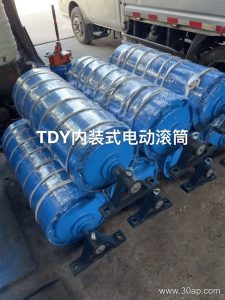
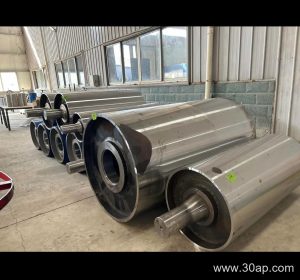
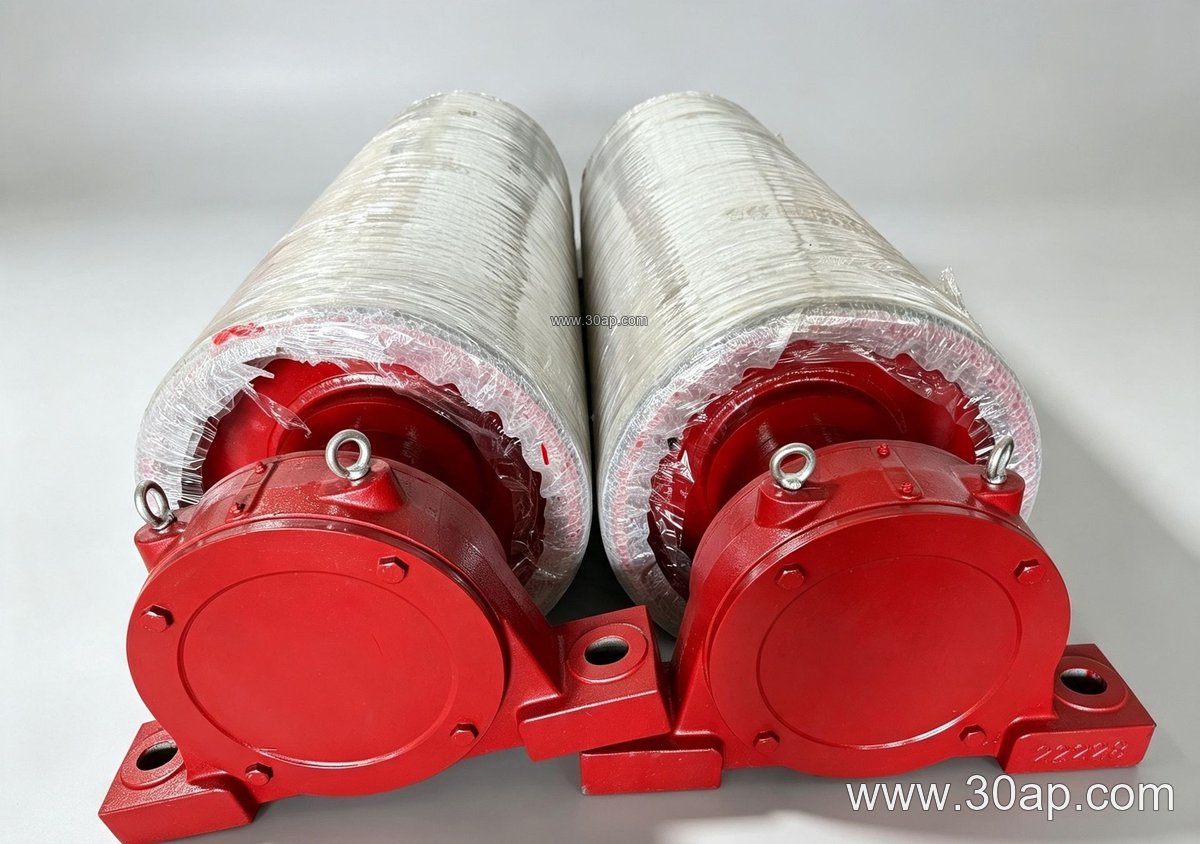
A ceramic lagged drive pulley is the head-end drum that transmits motor torque to the conveyor belt. Because it is the drive pulley, it must grip the belt without letting it slip, even when the belt is wet, dusty, or carrying a heavy load. The ceramic lagging is the key feature: small ceramic tiles are bonded to the drum surface in a raised pattern, giving the pulley a hard, high-friction face that resists wear far better than plain rubber in abrasive conditions.
In a quarry, a limestone mine, or a coal preparation plant, the drive pulley often works in dust and moisture. A ceramic lagged drive pulley is chosen for those conditions because the ceramic surface keeps friction high while the rubber backing absorbs shock and protects the belt.
How the Ceramic Lagging Is Built
The pulley shell is usually a welded steel drum with machined end discs and a shaft sized to the torque and load. Lagging is applied in layers. A rubber or elastomer base is bonded to the shell, and ceramic tiles are embedded in that base in a pattern, often diamond or square, with gaps between tiles for water and debris to escape.
- Shell: steel drum, machined for balance and concentricity
- Lagging base: rubber or elastomer layer, commonly 8, 10, 12, 15, or 20 mm thick
- Ceramic tiles: hard alumina tiles set in the base, raised above the rubber surface
- Shaft and bearings: shaft diameter selected by torque and load, not by belt width alone
The raised ceramic pattern is what separates this pulley from a plain rubber lagged drum. The tiles bite into the belt cover, and the grooves between them channel away water, so traction stays reliable in wet or muddy service.
Where It Fits in the Conveyor
The ceramic lagged drive pulley sits at the discharge or head end of the conveyor, where it pulls the belt and drives the load. It is not the same as a tail pulley, which turns at the tail end and sets belt tension, nor a bend pulley, which changes belt direction. Those positions have different duties, and a tail or bend pulley would not be used as a substitute for a drive pulley.
Typical duty locations include:
- Primary crushing and screening circuits in a quarry or aggregate line
- Coal handling and wash plant conveyors
- Cement plant clinker and raw material conveyors
- Power plant coal feed lines
- Port bulk terminals and stockyard conveyors
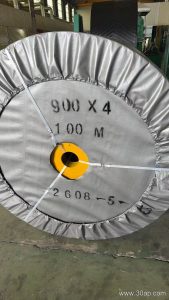
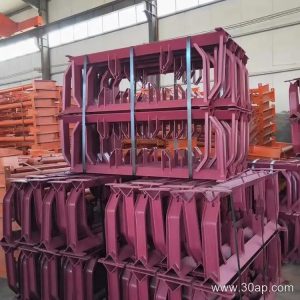
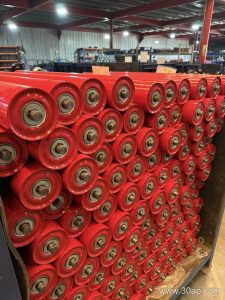
In these places the pulley works with the conveyor belt, conveyor idler rollers, and conveyor brackets, and the drive pulley must match the belt width and the belt’s own cover compound.
Common Sizes and Combinations
Pulley dimensions are set by belt width, belt tension, and the torque the drive must deliver. The table below shows common reference ranges; actual values are confirmed per project.
| Belt width | Typical pulley face width | Common diameter range |
|---|---|---|
| B500 | about 600 mm | Ø200 to Ø500 |
| B650 | about 750 mm | Ø250 to Ø630 |
| B800 | about 950 mm | Ø315 to Ø800 |
| B1000 | about 1150 mm | Ø400 to Ø1000 |
| B1200 | about 1400 mm | Ø500 to Ø1250 |
| B1400 | about 1600 mm | Ø630 to Ø1400 |
| B1600 | about 1800 mm | Ø800 to Ø1600 |
Combinations such as B800 × Ø500 or B1200 × Ø1000 are common, but no single diameter is fixed for a given belt width. Larger diameters reduce belt bending stress and can improve lagging life; smaller diameters save space. Shaft diameters commonly range from Ø50 to Ø200 and are determined by torque and bearing load, not by belt width alone.
What Buyers Should Check
- Lagging thickness and pattern: confirm the base thickness and tile pattern suit the belt cover and the wet or dry duty.
- Belt cover compatibility: ceramic lagging is hard on the belt; check that the belt cover grade can take the contact pressure.
- Balance and concentricity: a drive pulley runs at full belt speed, so balance matters for bearing life.
- Shaft and bearing sizing: ask for torque and load calculations, not just a diameter guess.
- Installation position: confirm the pulley is specified as a drive pulley for the head end, with correct keyways and bearing housings.
Ceramic lagging is not the right choice for every conveyor. On light-duty or fragile belts, a plain rubber or diamond rubber lagged drive pulley may be gentler and sufficient. For heavy abrasive duty, a ceramic lagged drive pulley is often the more durable option, provided the belt and the pulley are matched correctly.