What a 1000mm Conveyor Belt Is
A 1000mm conveyor belt is a belt with a nominal width of one meter, typically written as B1000 in specification sheets. It sits in the mid-to-heavy range of belt widths, wide enough to carry substantial tonnage yet still manageable for standard conveyor structures. In quarrying, coal preparation, cement plants, and power station coal yards, this width is a common choice for main haulage and transfer lines where a 800mm belt would be too narrow and a 1200mm belt would be oversized for the required throughput.
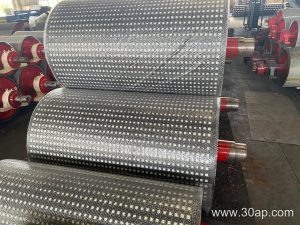
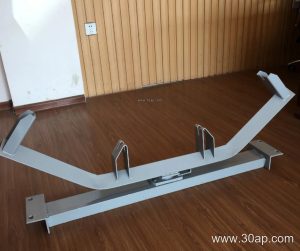
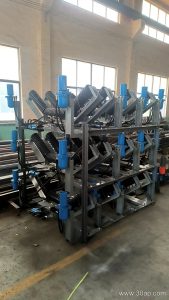
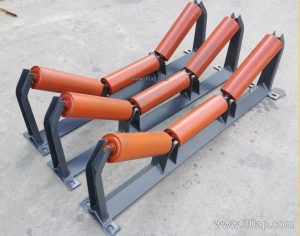
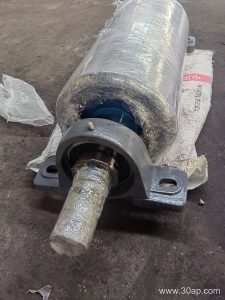
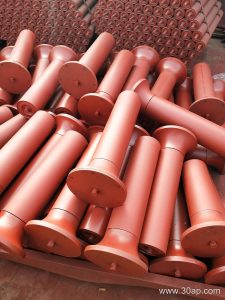
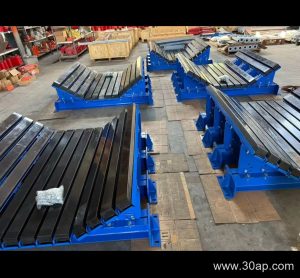
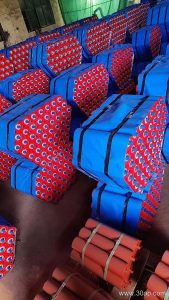
The belt itself is only one component of the conveyor. It runs over idler rollers that support the loaded strand, wraps around a drive pulley at the head and a tail pulley at the return end, and is held in alignment by conveyor brackets and frame sections. The 1000mm width refers to the belt, not to the pulley face or the idler length, and those components are selected separately by the conveyor designer.
Construction and Common Specifications
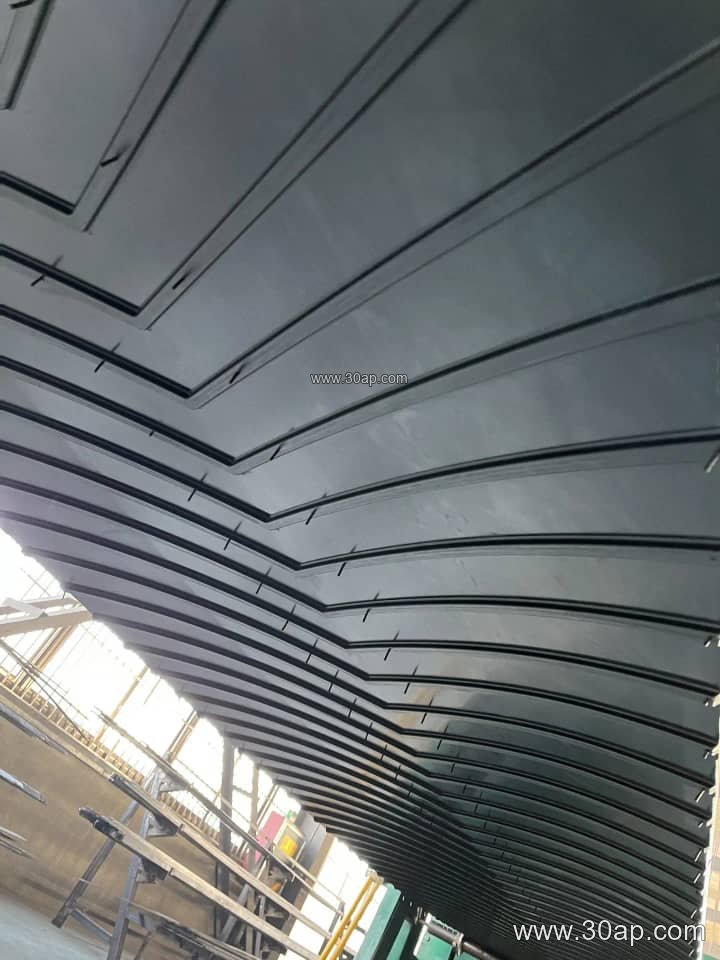
Most 1000mm belts are built from a fabric carcass with rubber covers, or from steel cord for long, high-tension runs. The carcass carries the tensile load, while the top cover protects against abrasion and the bottom cover runs on the idlers. Typical constructions include EP fabric, NN nylon, and steel cord, with cover grades chosen for wear, heat, oil, flame resistance, or cold service.
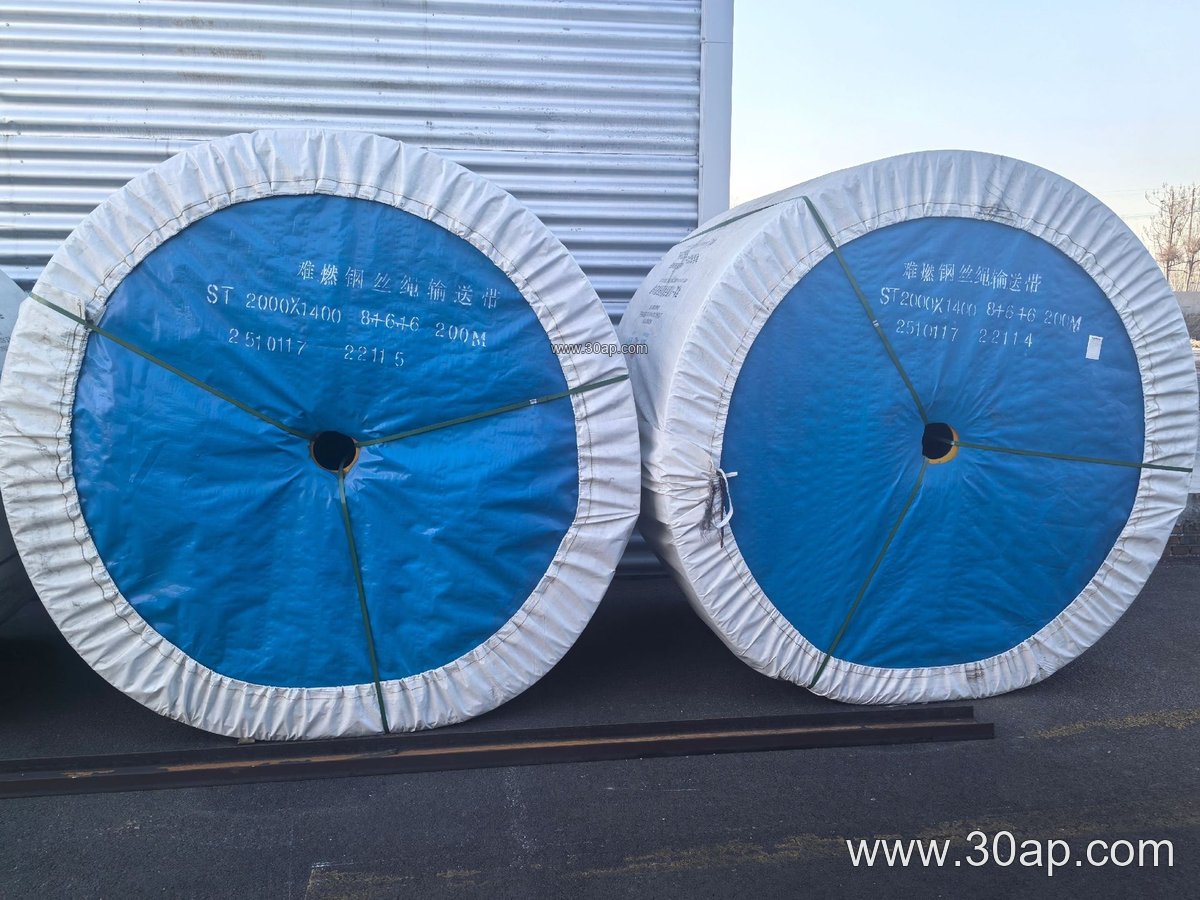
The table below collects reference values that appear in general product literature. They are indicative only; actual belt construction is confirmed against the conveyor design and the manufacturer’s data.
| Parameter | Common reference values |
|---|---|
| Belt width | B1000 (1000 mm) |
| Carcass type | EP, NN nylon, steel cord |
| Strength grades (EP) | EP200, EP315, EP400, EP500, EP630, EP800, EP1000 |
| Number of plies | Usually 2 to 6, depending on duty |
| Top and bottom cover | 3+1.5, 4+2, 5+2, 6+2, 8+3 mm |
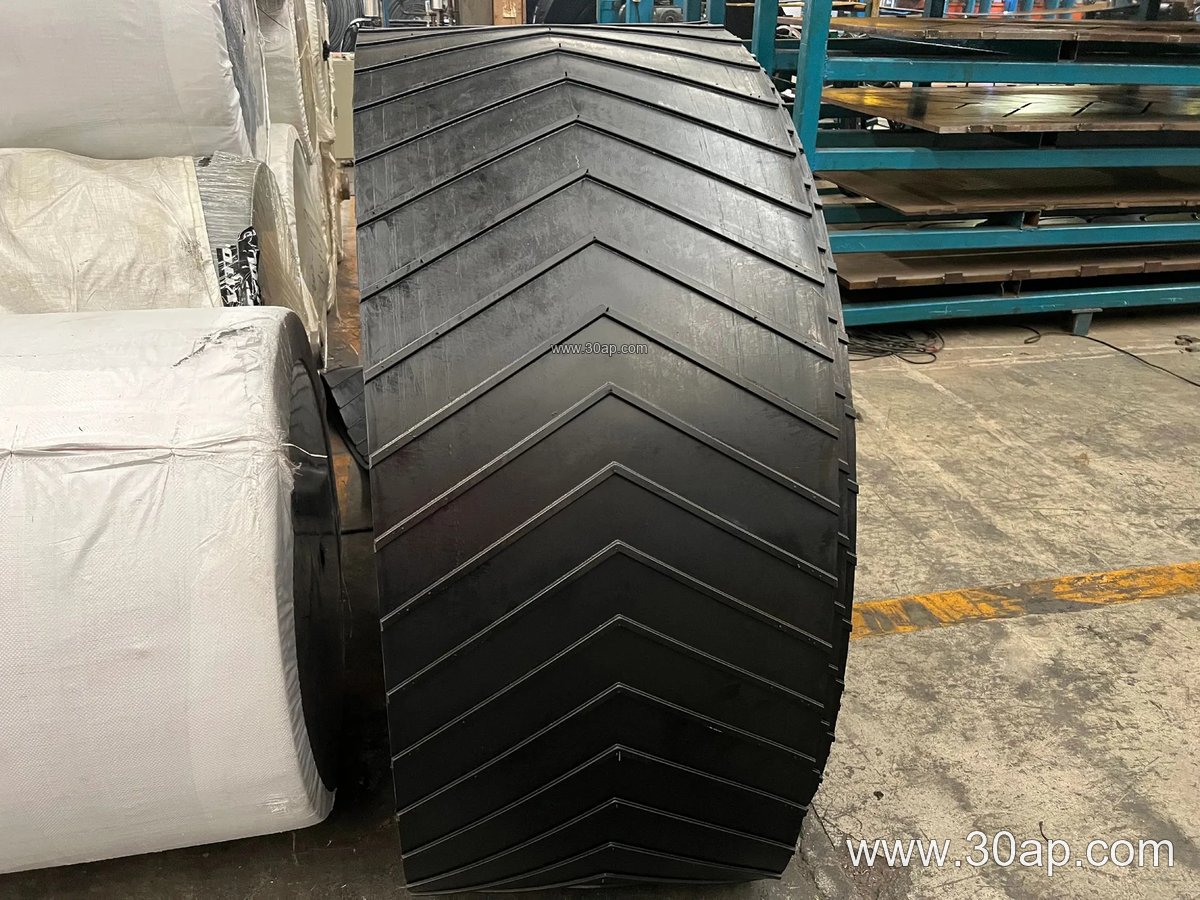
| Surface forms | Smooth, patterned, chevron, corrugated sidewall |
| Special grades | Abrasion resistant, heat resistant, oil resistant, flame retardant, antistatic, cold resistant, acid and alkali resistant |
A smooth cover suits general bulk material. Chevron or patterned surfaces help on inclines where material would otherwise slide back. Corrugated sidewall belts are a separate construction used where the conveyor has steep sections and needs material containment.
Where the Width Fits in the Plant
On a 1000mm line, the belt usually handles crushed stone, clinker, coal, or ore at transfer points between screens, crushers, and stockpiles. The width allows a decent lump size and a steady material bed without excessive spillage at the loading point. Idler rollers under the carrying side are normally arranged in a three-roll trough set, and the return side runs on flat return idlers. The drive pulley and tail pulley are sized by the conveyor engineer according to torque, wrap angle, and belt tension, not by belt width alone.
In cement plants, a 1000mm belt may feed a clinker silo or link the packing area. In coal-fired power stations, it often appears in the coal handling system between the unloading facility and the bunker. In sand and gravel operations, it is a frequent choice for the main stockpile conveyor. The same width can serve different duties because the carcass grade, cover thickness, and surface form change with the material and the environment.
What Buyers Should Confirm
- Belt length, measured along the conveyor centerline, and whether the belt is endless or open-ended for splicing on site.
- Carcass type and strength grade, matched to the actual operating tension rather than to a rule of thumb.
- Cover thickness and grade, based on material abrasion, temperature, oil exposure, and fire risk.
- Surface form, if the conveyor has an incline that requires extra grip.
- Pulley and idler specifications, kept as separate items with their own dimensions and bearing details.
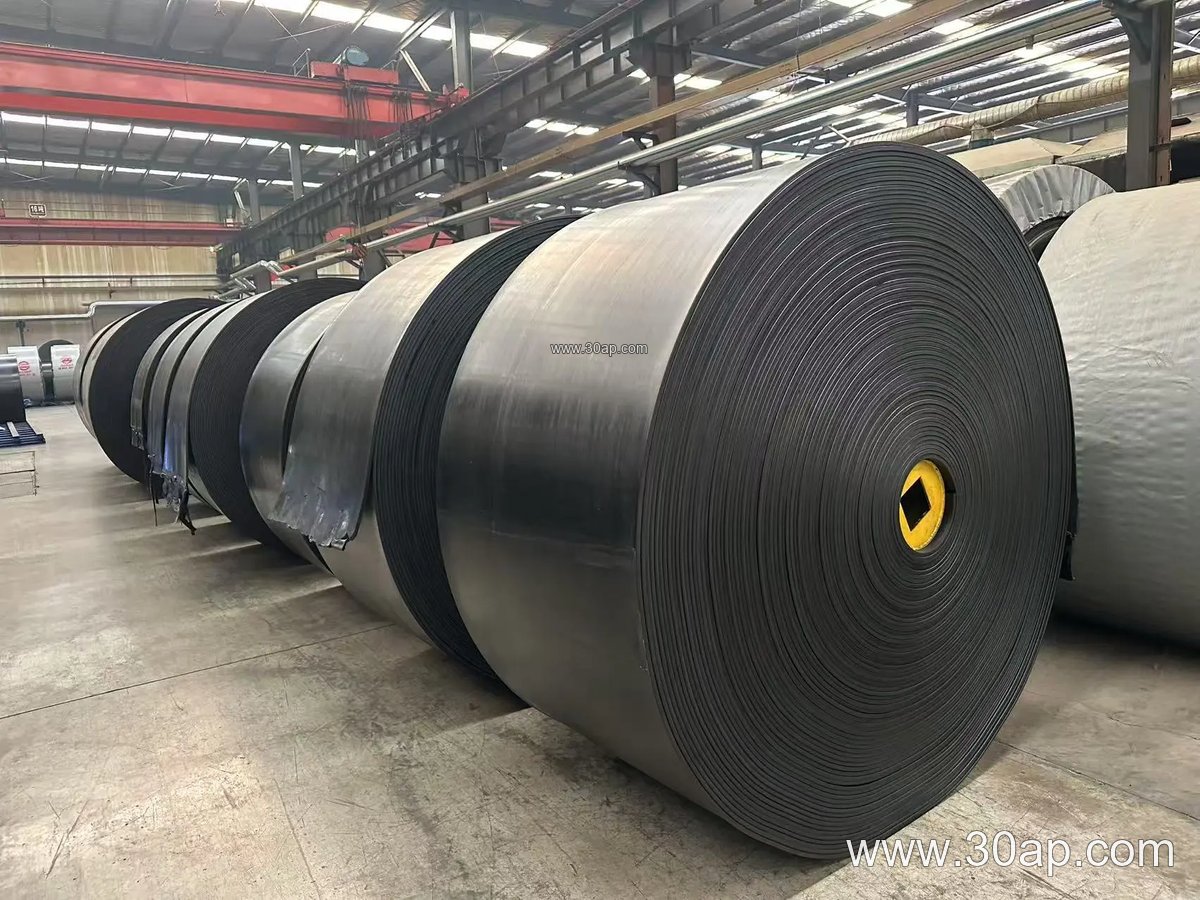
- Splice method and the required tools, since a 1000mm belt is heavy and needs proper handling during installation.
A buyer should also ask for the belt’s recommended minimum pulley diameter for the chosen carcass, because a belt run on an undersized pulley can suffer ply separation and shortened service life. This is a design relationship, not a fixed pairing with the belt width.
Maintenance Notes
Alignment matters on a one-meter belt. Check that the idler rollers are square to the frame and that the conveyor brackets have not shifted. Worn return idlers can cause edge damage, and material buildup on the tail pulley can pull the belt off track. Inspect the cover for cuts and exposed carcass, particularly near loading points where impact is highest. Keep the belt tension within the design range, and check splices regularly on high-tonnage lines. With reasonable care, a well-matched 1000mm belt gives long service in mine, quarry, cement, and power plant duty.