What a Self-Aligning Idler Set Does
A self-aligning idler set, also called a training idler assembly, is a group of rollers mounted on a pivoting frame that nudges a drifting conveyor belt back toward the center line. Instead of fixing the rollers rigidly to the conveyor bracket, the set allows them to steer slightly when the belt contacts a vertical guide roller or when friction from a misaligned belt turns the frame. The result is continuous, mechanical correction without operator intervention.
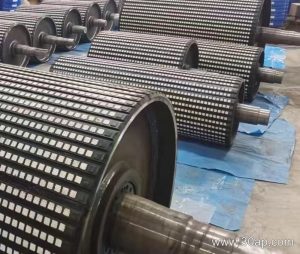
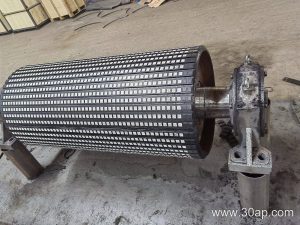
This product is not a drive pulley or a tail pulley. Those are separate components that transmit power or change belt direction. A self-aligning idler set belongs to the carrying or return side of the conveyor and works together with standard troughing idlers, impact idlers, and return rollers.
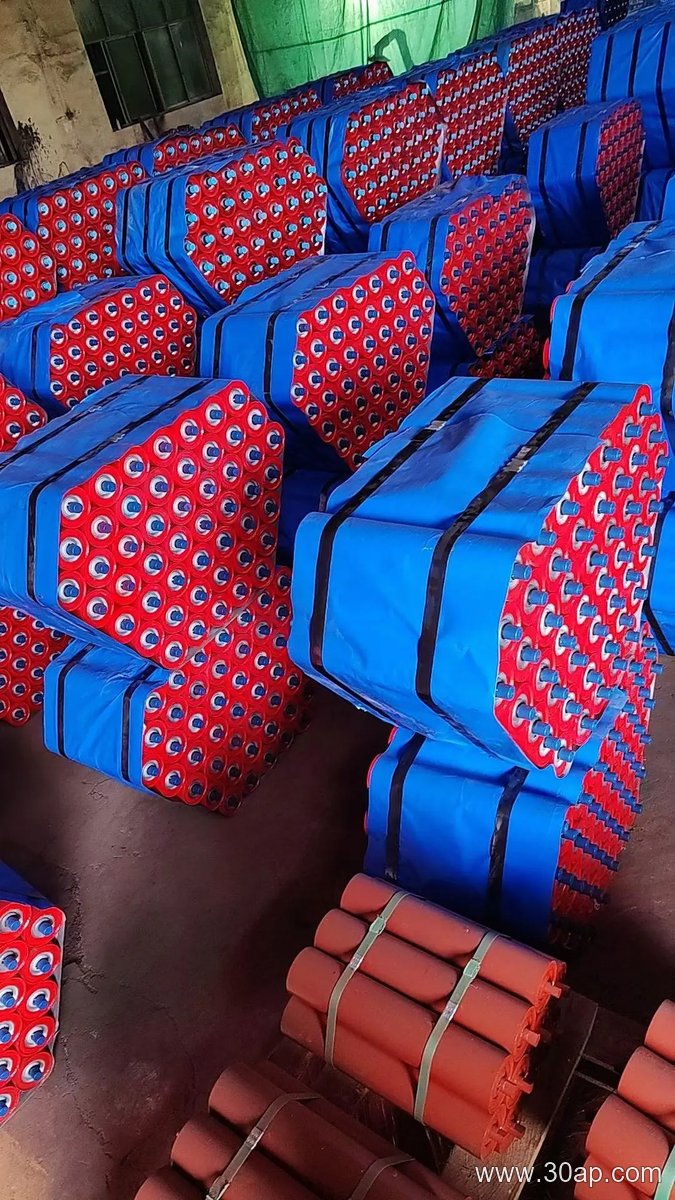
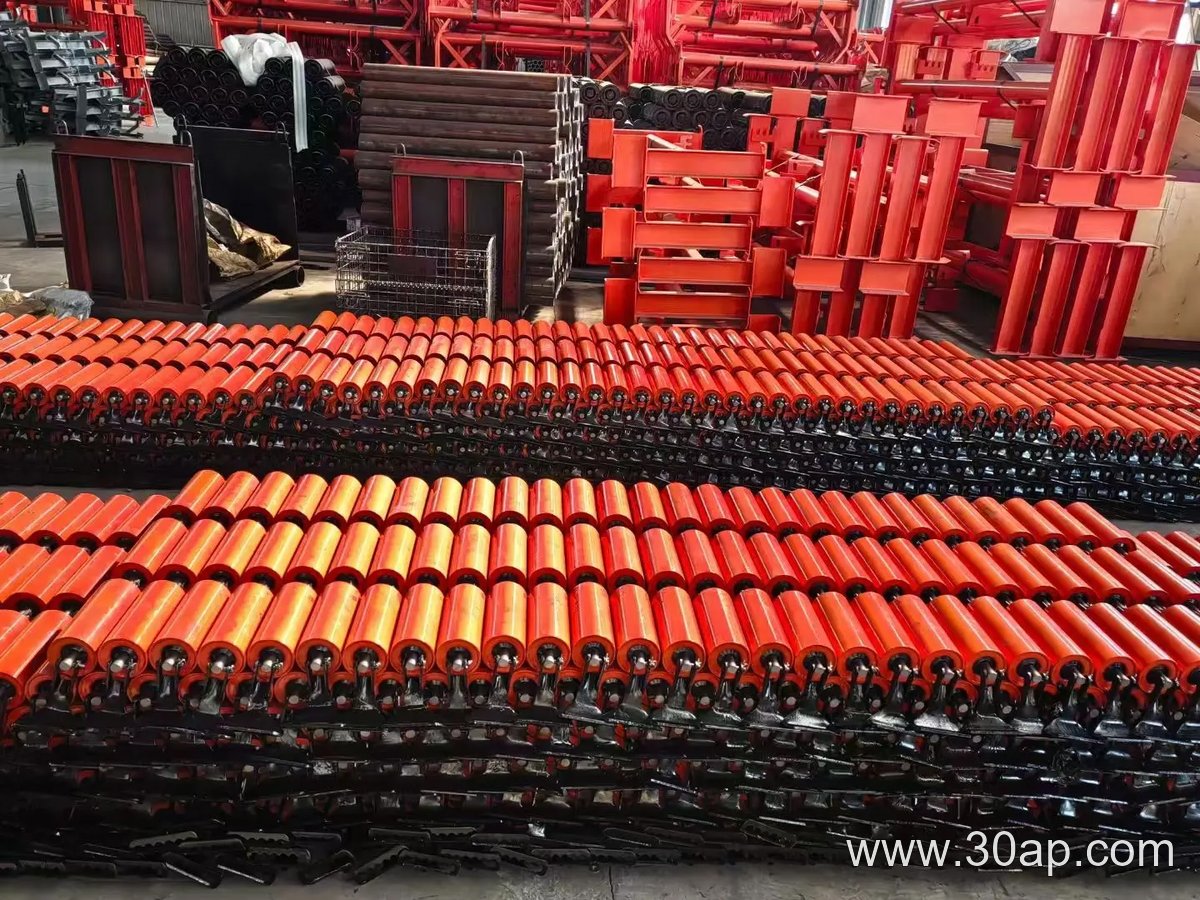
How the Assembly Is Built
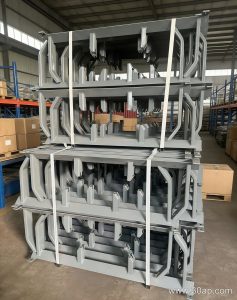
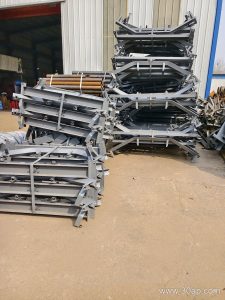
A typical unit combines two or three idler rollers on a common base. The rollers may be flat, troughed, or tapered depending on the belt width and the material being conveyed. The frame sits on a central pivot, often with a small amount of vertical play, and includes one or two vertical edge rollers that sense belt drift. When the belt shifts sideways, it presses against the edge roller, causing the whole frame to rotate slightly in the direction that steers the belt back.
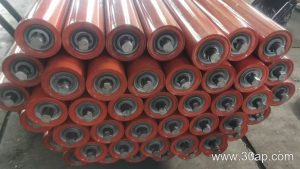
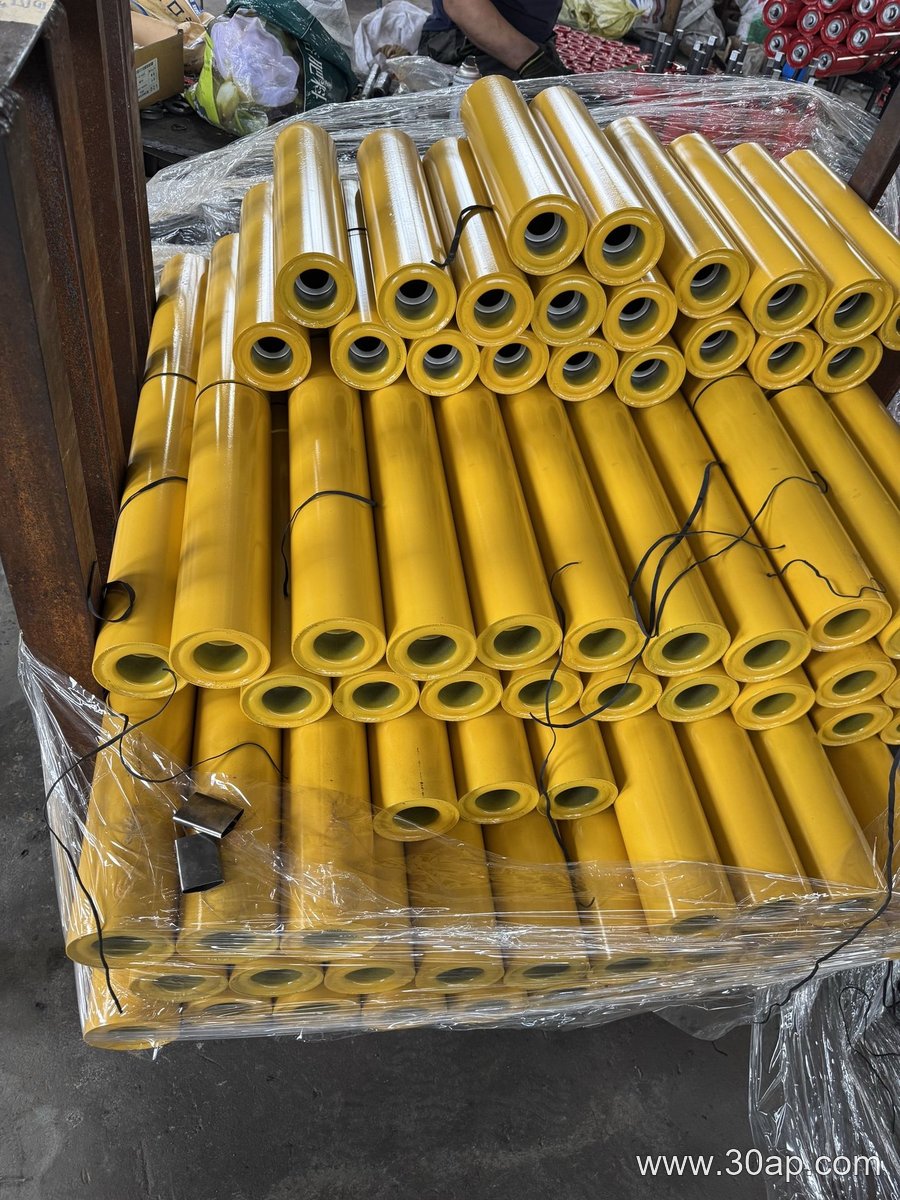
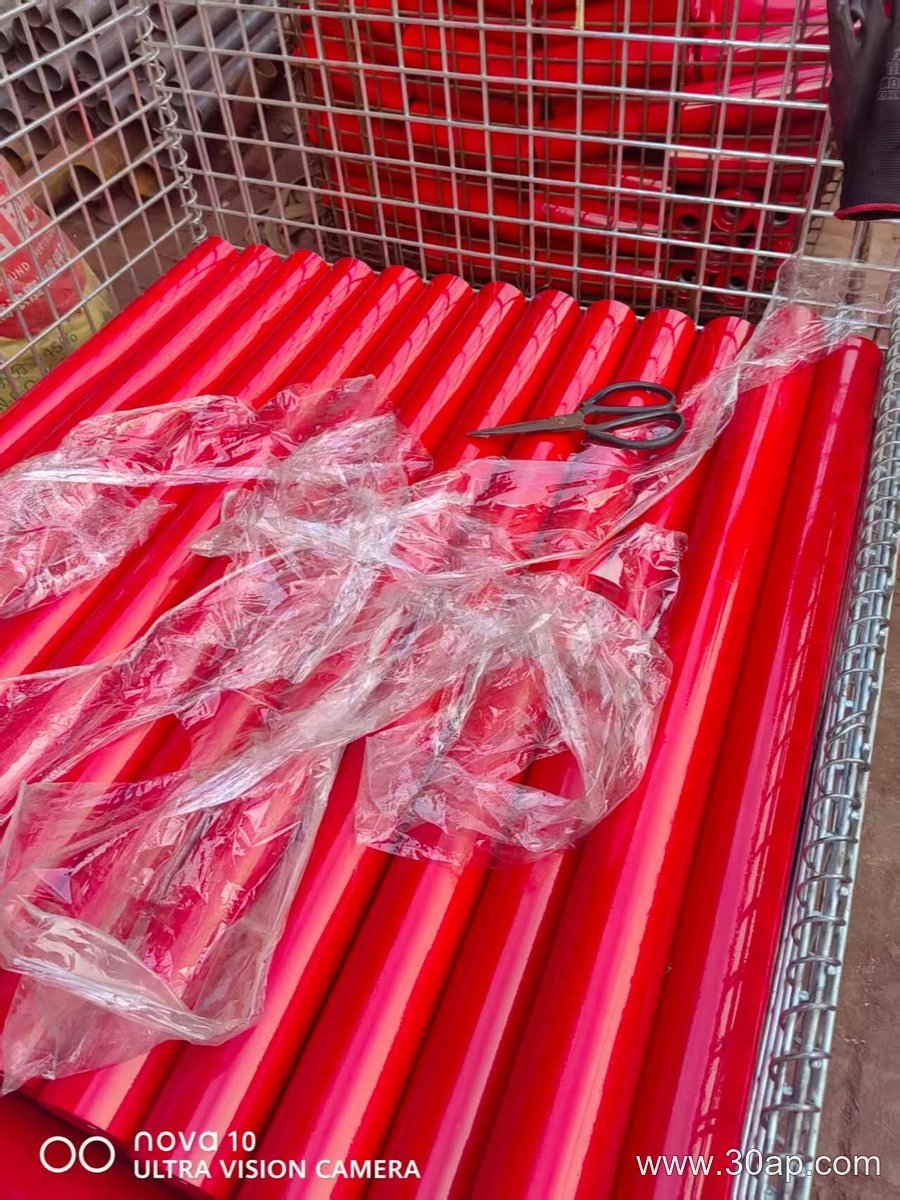
Roller shells are usually steel tube, but nylon, rubber-disc, or ceramic-covered versions exist for different wear and sticking conditions. Common bearing sizes include 6204, 6205, 6305, and 6306, though the bearing is selected to match the roller diameter and load, not the belt width alone. Roll diameters such as Ø89, Ø108, Ø133, and Ø159 appear in many training idler designs, and belt widths from B500 to B1400 are frequently served by these sets. The roller length changes with belt width, trough angle, and whether the set is two-roll or three-roll. For example, a three-roll troughing set at B800 might use side rollers around 315 mm long, while a B1200 set could use side rollers near 465 mm. These are common references, not fixed pairings.
Where Self-Aligning Idler Sets Are Used
These assemblies are common in sand and gravel plants, where belt wander is frequent because of uneven loading and wet material. They also appear in coal handling systems at power plants and in crushing and screening circuits. In a quarry or aggregate line, a self-aligning idler set is often placed after the loading point and before the discharge pulley to correct tracking before the belt reaches the head pulley.
They are less useful on very short conveyors or where the belt is already constrained by close-spaced rollers. For comparison, a fixed troughing idler set does not pivot and cannot correct misalignment on its own. A return-side V-shaped idler set helps center the belt on the empty strand, but it is not the same as a pivoting training assembly. Each type has a different job.
What Buyers Should Consider
- Belt width and trough angle: A self-aligning idler set must match the conveyor belt width and the existing trough angle, commonly 20, 30, 35, or 45 degrees. A set designed for B650 will not fit a B1000 belt without changing the frame and roller lengths.
- Roller diameter and bearing: Larger rollers and heavier bearings suit higher loads and faster belts. Do not assume that a given belt width automatically requires one specific shaft diameter or bearing number.
- Surface form: Steel rollers are standard. Rubber-disc rollers reduce material buildup, while ceramic or nylon surfaces may help in wet or abrasive service. The choice depends on the material and the environment.
- Mounting and clearance: Check the conveyor bracket spacing and the available height. The pivoting frame needs room to rotate a few degrees without hitting nearby structure.
- Maintenance access: A training idler set should be inspectable and greasable if it uses sealed bearings with grease fittings. Seized pivots or edge rollers defeat the self-aligning action.
Installation and Adjustment Notes
Place the set so the edge rollers contact the belt only when it drifts, not continuously. Over-tight or pre-loaded edge rollers can cause the belt to over-correct and oscillate. After installation, run the conveyor empty and then with load, and adjust the pivot stops or the frame position gradually. A self-aligning idler set works best when the belt is already reasonably centered; it corrects minor drift, not a badly misaligned structure or a damaged conveyor pulley.
For anyone specifying a replacement, the key is to match the existing mounting pattern, belt width, trough angle, and roller diameter. If those details are unknown, measure the current idler set and note the roller length, shaft size, and bearing number before ordering. A correctly sized self-aligning idler set will extend belt life and reduce edge damage without becoming a source of extra friction or vibration.