What Rubber Pulley Lagging Is and Why It Matters
Rubber pulley lagging is a rubber layer applied to the cylindrical surface of a conveyor pulley to improve grip between the pulley and the conveyor belt. Without it, a bare steel drum can slip when the belt is wet, dusty, or heavily loaded. The lagging also protects the pulley shell from abrasion and helps center the belt during operation. In many conveyor systems, this rubber covering is the difference between steady material flow and constant belt mistracking.
The product is often called rubber lagging or pulley rubber, but the core idea remains the same: a replaceable wear surface that increases friction and absorbs shock. It is not a substitute for a drive pulley, tail pulley, or bend pulley; those are distinct positions with different duties. Lagging is the covering, not the pulley type itself.
How Rubber Pulley Lagging Is Built
Manufacturers typically bond a rubber sheet to a prepared steel shell. The rubber compound may be natural rubber, styrene-butadiene rubber, or a blend chosen for abrasion resistance and elasticity. The bonding process matters as much as the rubber: hot vulcanization creates a strong chemical cross-link, while cold bonding uses an adhesive system for field installation.
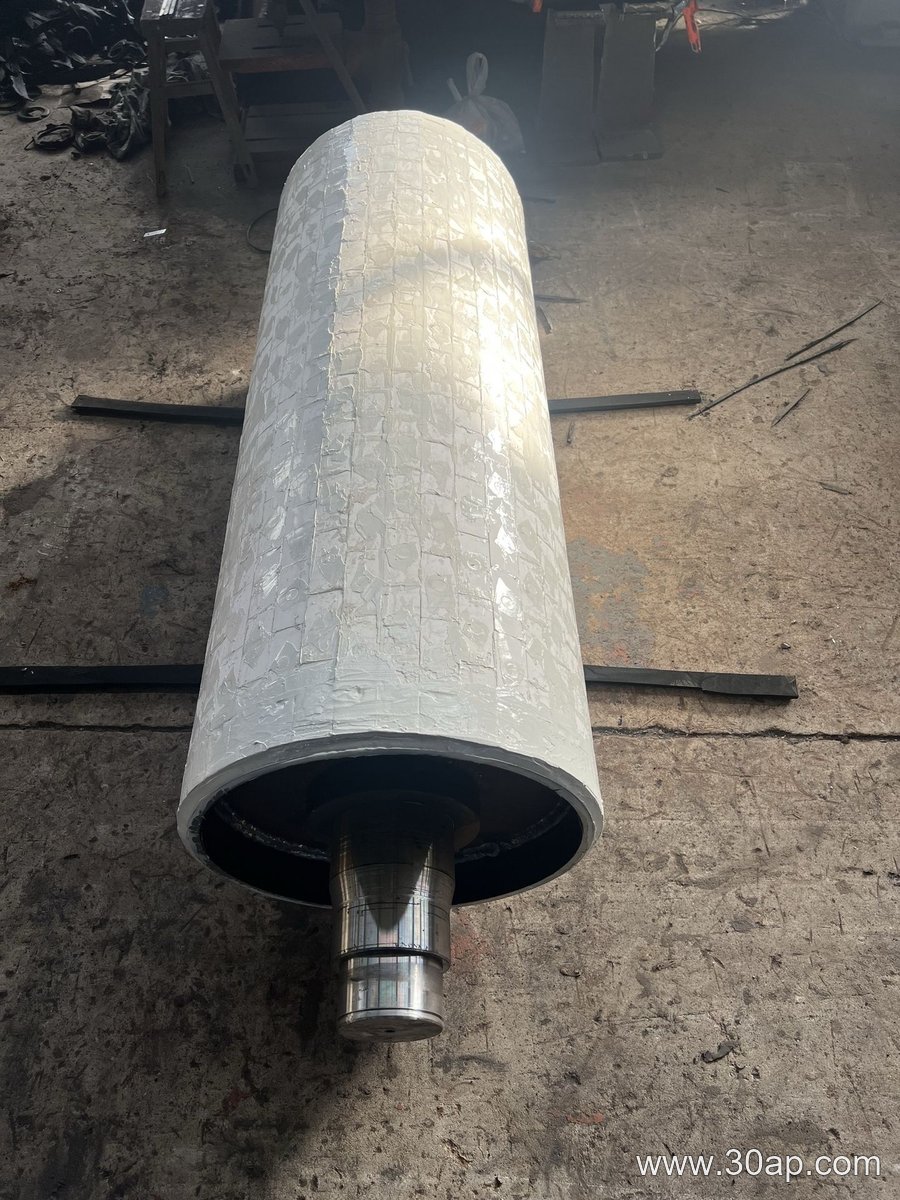
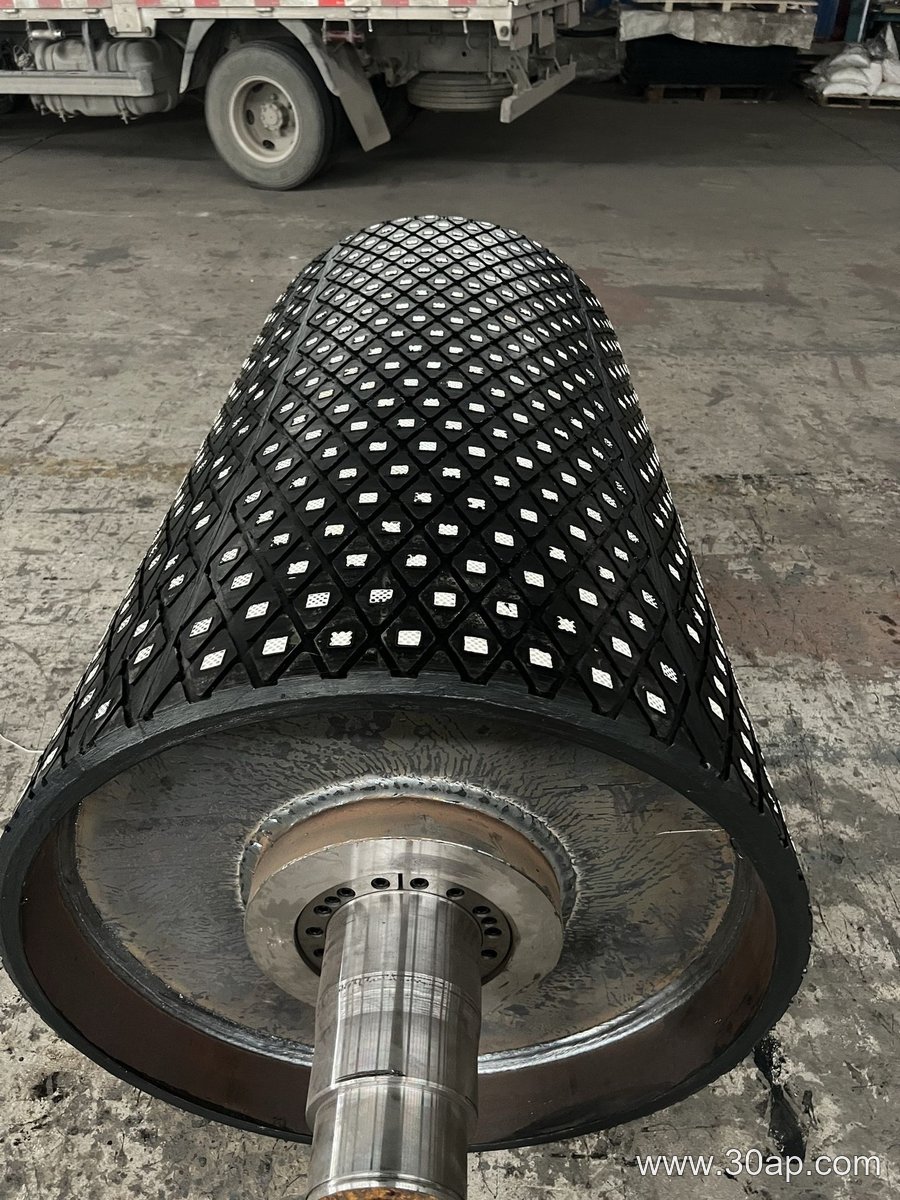
Surface patterns vary by application. Plain rubber offers uniform contact for general use. Diamond or herringbone profiles channel water and fines away from the contact patch, which helps in wet or dirty conditions. Ceramic lagging embeds small ceramic tiles in the rubber for extreme slip resistance, though it is usually reserved for high-tension drive pulleys. Thickness commonly ranges from 8 mm to 20 mm, with 10 mm and 12 mm being frequent choices for medium-duty conveyors.
Where It Is Used
Rubber lagging appears on drive pulleys, tail pulleys, and bend pulleys, but the requirements differ. A drive pulley needs high friction to transmit torque without slipping. A tail pulley often uses lagging to protect the shell and reduce material buildup. A bend pulley may use a thinner cover simply to guide the belt and extend pulley life. In a quarry or a coal handling plant, one might see B800 × Ø500 drive pulleys with diamond lagging, while a B1200 × Ø1000 drive pulley may carry thicker ceramic lagging for higher power.
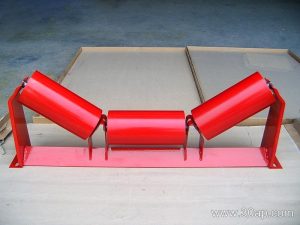
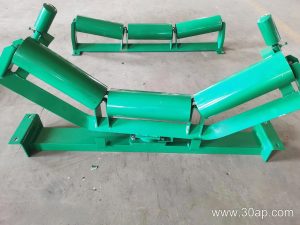
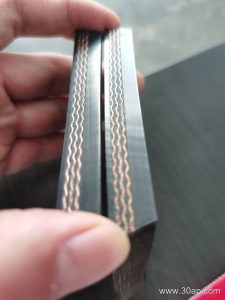
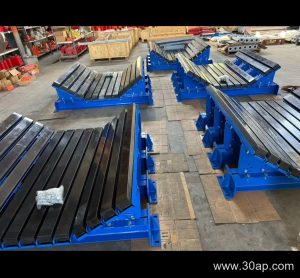
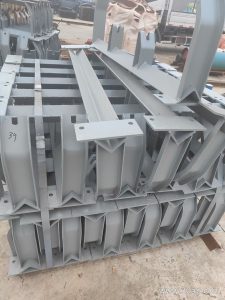
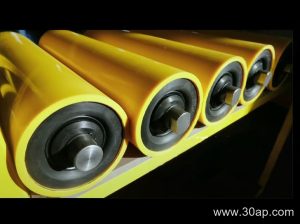
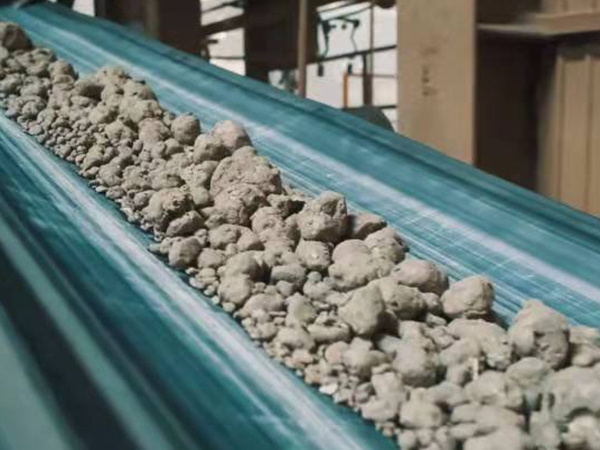
Other equipment in the same conveyor system includes the conveyor belt itself, idler rollers that support the belt, and conveyor brackets that hold the structure together. Lagging works alongside these components, not in place of them. A poorly aligned idler roller or a worn bracket can cause belt mistracking that no amount of lagging will fix.
Key Parameters for Buyers
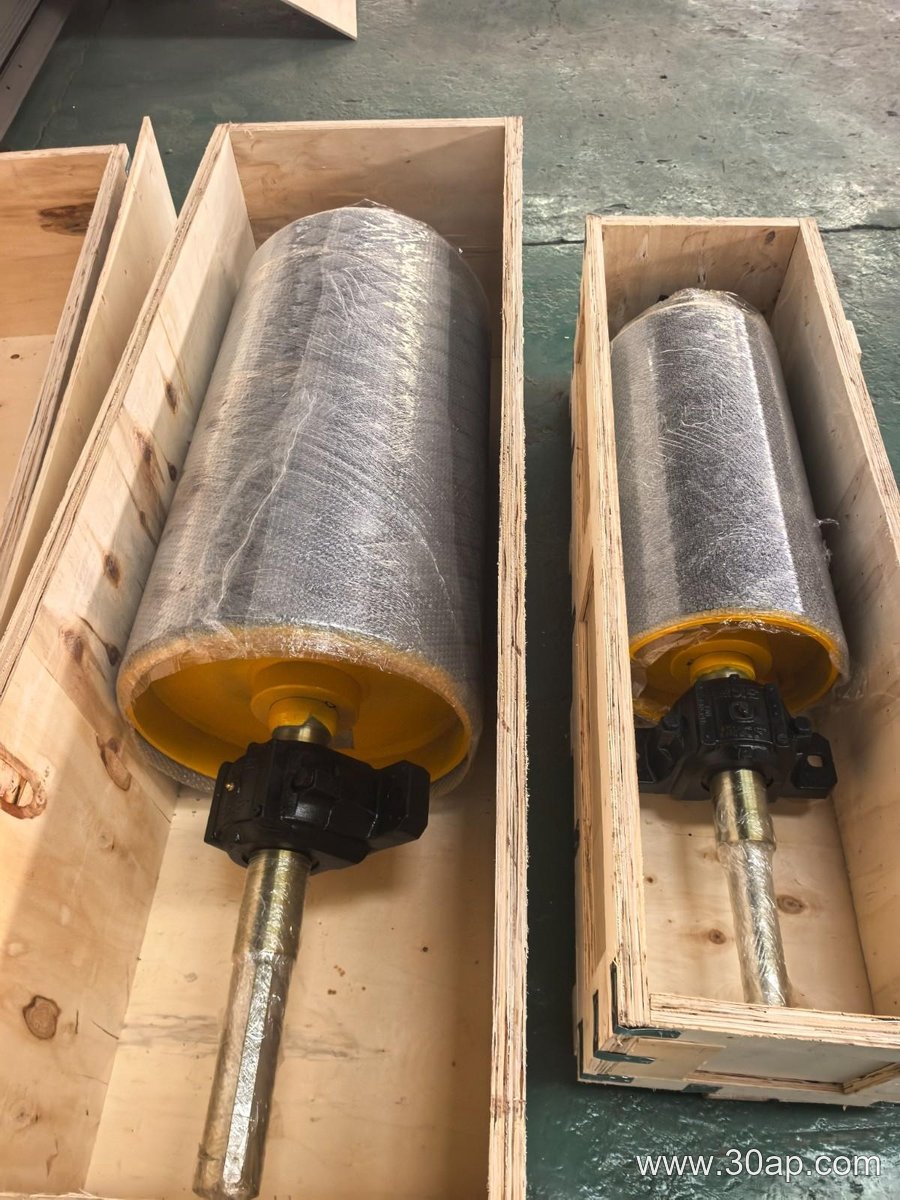
When specifying rubber pulley lagging, several dimensions and material choices come into play. The table below lists common reference values; actual selection depends on belt tension, pulley diameter, and environmental conditions.
| Parameter | Common Reference Values |
|---|---|
| Belt width (B) | B400, B500, B650, B800, B1000, B1200, B1400, B1600 |
| Pulley diameter (Ø) | Ø200, Ø250, Ø315, Ø400, Ø500, Ø630, Ø800, Ø1000 |
| Lagging thickness | 8 mm, 10 mm, 12 mm, 15 mm, 20 mm |
| Surface pattern | Plain, diamond, herringbone, ceramic |
| Bonding method | Hot vulcanized, cold bonded |
Do not assume that one belt width matches only one pulley diameter. A B800 belt might run on a Ø500 drive pulley in one system and a Ø630 pulley in another. Shaft diameter is determined by torque and load, not by belt width alone. Common shaft sizes include Ø50, Ø60, Ø80, Ø100, Ø120, and Ø140, but the final value comes from the engineering calculation.
Selection and Maintenance Notes
Choose the rubber compound and surface pattern based on the material being conveyed. For abrasive rock or ore, a thicker, harder rubber with a diamond pattern may last longer. For wet, fine materials, a herringbone or ceramic surface can improve water shedding. Always check that the lagging thickness does not interfere with the belt path or pulley clearance.
Inspect lagging regularly for wear, cuts, and debonding. A worn drive pulley lagging can cause belt slip, which leads to heat, belt damage, and unplanned downtime. Replacing lagging before it fails is usually cheaper than replacing the pulley or the belt.
Rubber pulley lagging is a small component with a large effect on conveyor reliability. Match it to the pulley position, the belt width, and the operating environment, and it will keep the belt moving smoothly for years.