What a Heavy-Duty Welded Pulley Is
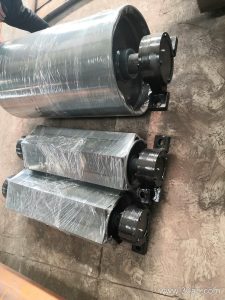
A heavy-duty welded pulley is a conveyor pulley whose shell is fabricated from rolled steel plate and joined by continuous welding, rather than being cast or built from a thin tube. It is the rugged workhorse of a bulk material conveyor: the rotating drum that carries the conveyor belt, transmits drive torque, or guides the belt around a bend. In a coal preparation plant, a crushed stone line, or a power station coal yard, this welded drum is often the component that decides whether the belt keeps running through shock loads and abrasive dust.
Buyers also know the same product as a welded conveyor drum or fabricated conveyor pulley. These are accurate equivalents, not different equipment. Drive pulleys, tail pulleys, and bend pulleys remain distinct roles, and a welded construction can serve any of them depending on how the drum is specified.
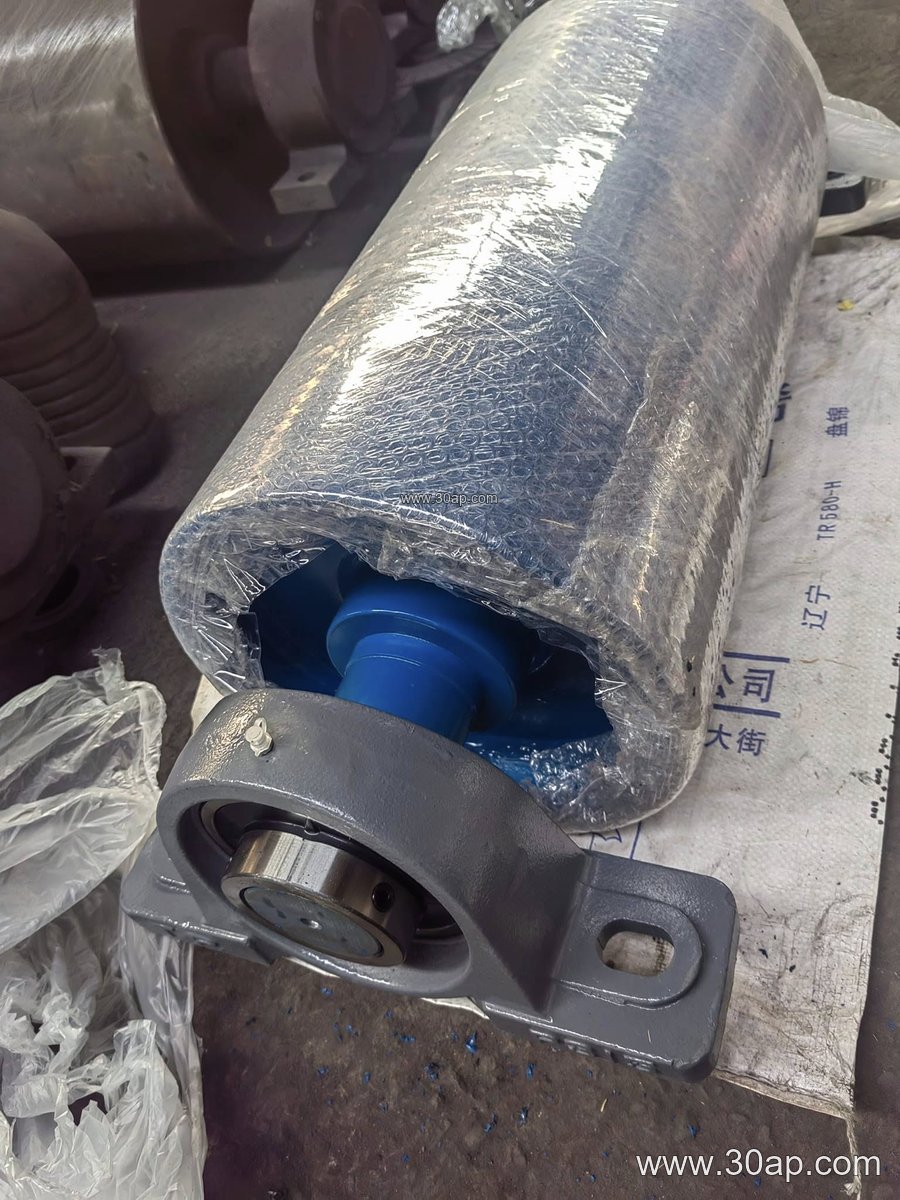
How the Welded Drum Is Built
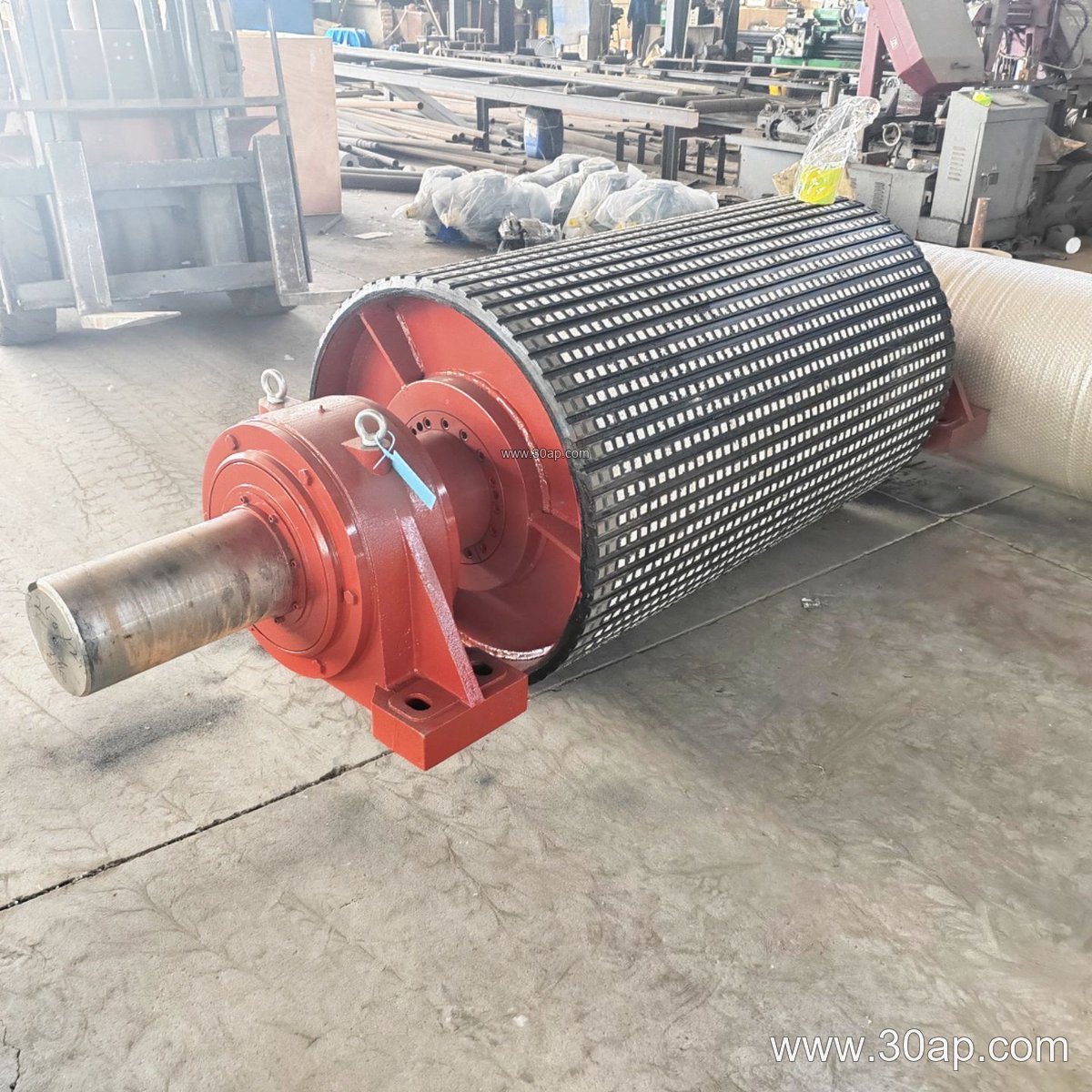
The shell starts as steel plate rolled to diameter and welded along the seam. End discs, or hubs, are welded to both ends, and the shaft is fitted through the hub bores with a keyway or shrink fit. Bearing housings, locking assemblies, and lagging are added afterward. Because the shell is welded rather than cast, the builder can tune wall thickness and hub geometry to the actual load case, which suits heavy-duty service in mines and cement plants.
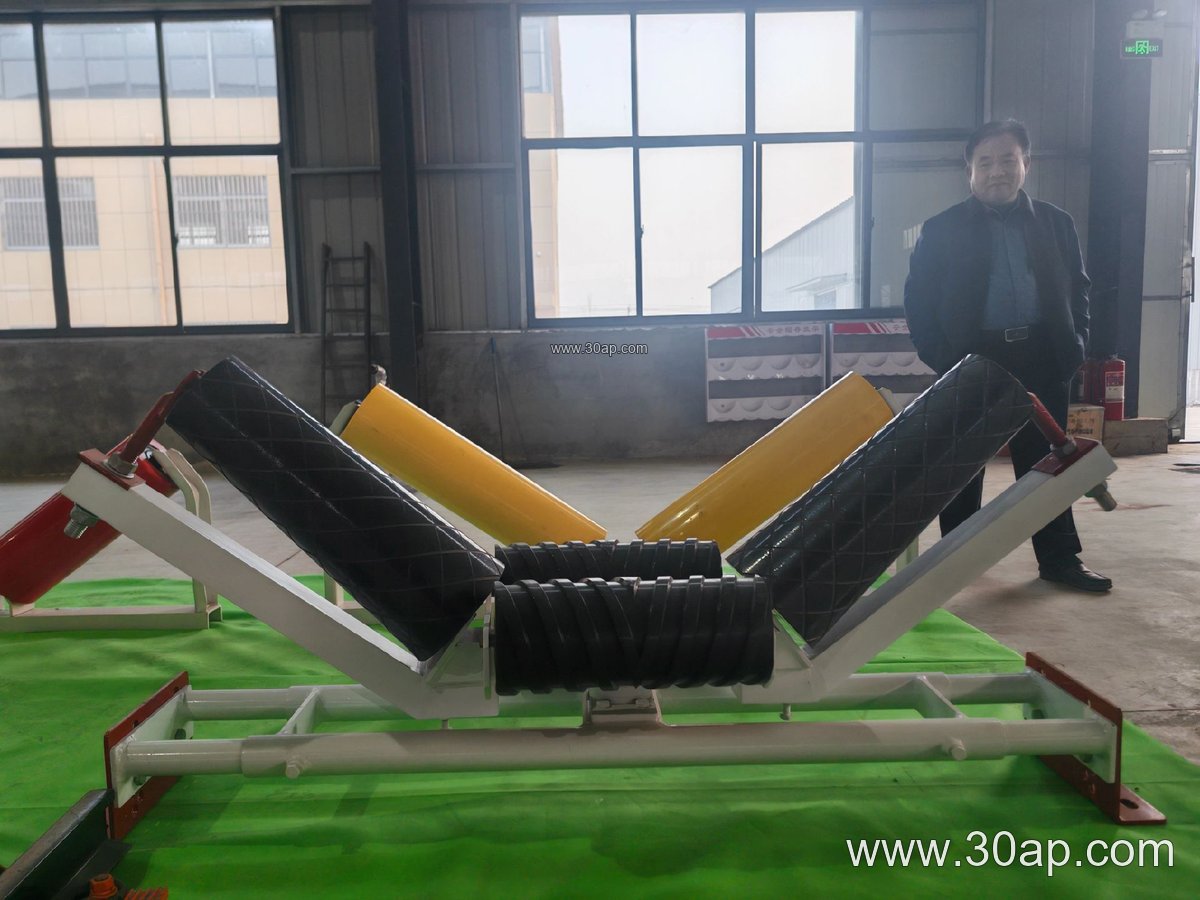
Key construction points a buyer should confirm:
- Shell plate thickness and weld procedure, including stress relief where specified
- Hub-to-shaft connection type and shaft material
- Bearing type, sealing arrangement, and lubrication method
- Surface finish: plain, rubber lagged, or ceramic lagged
- Balance grade and runout tolerance for high-speed duty
Where It Fits on the Conveyor
On a long overland or plant conveyor, the welded drum appears at several stations. At the head, a drive pulley pulls the loaded conveyor belt; at the tail, a tail pulley turns the belt back. A bend pulley changes belt direction, while a take-up pulley maintains tension. Each position imposes different loads, so the same welded construction may be built with different shell thickness, lagging, and shaft size.
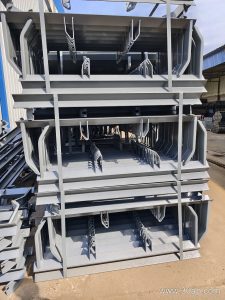
Typical duty environments include limestone quarries, iron ore concentrators, washed coal plants, clinker lines, and port bulk terminals. In these places the drum works alongside conveyor idler rollers and conveyor brackets, and its reliability matters as much as the belt itself.
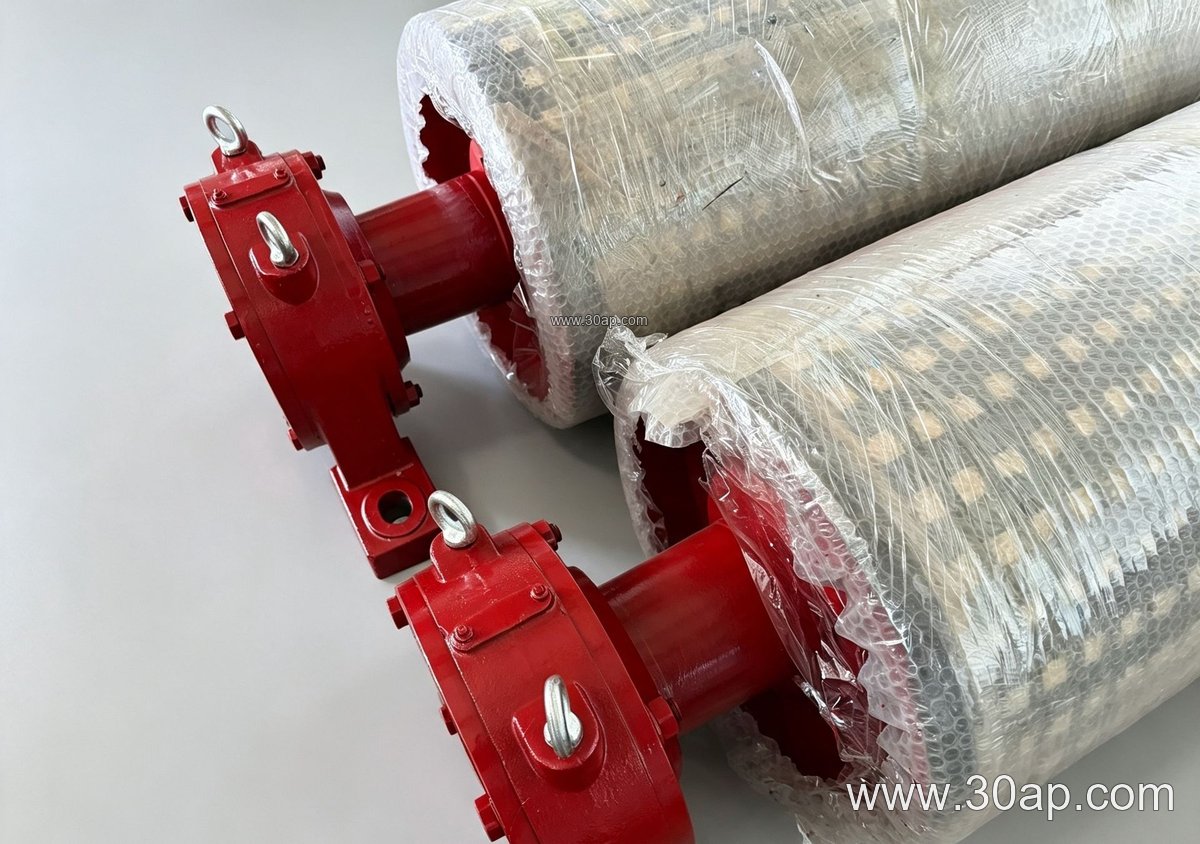
Common Reference Dimensions
The table below shows reference ranges often used in conveyor design. These are examples, not fixed pairings; final dimensions follow the actual belt width, torque, and load calculation.
| Reference item | Common values |
|---|---|
| Belt width | B500, B650, B800, B1000, B1200, B1400, B1600 |
| Pulley diameter | Ø250, Ø315, Ø400, Ø500, Ø630, Ø800, Ø1000, Ø1250 |
| Face width (example) | B800 about 950 mm; B1200 about 1400 mm; B1400 about 1600 mm |
| Shaft diameter | Ø60, Ø80, Ø100, Ø120, Ø140, Ø160, Ø180 |
| Lagging thickness | 8, 10, 12, 15, 20 mm |
| Surface form | Plain, hot vulcanized rubber, cold bonded rubber, diamond lagging, ceramic lagging |
A drum may be described as B1200 × Ø1000 or B800 × Ø500, but no belt width locks the pulley to a single diameter. Shaft size follows torque and bearing load, not belt width alone.
Surface and Lagging Choices
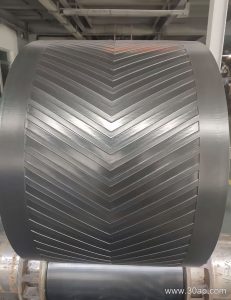
Lagging improves grip and protects the shell. Plain finish suits light duty or where the belt has its own traction layer. Rubber lagging, applied by hot vulcanizing or cold bonding, is common on drive pulleys in wet or dusty service. Diamond and herringbone patterns help shed water and fines, while ceramic lagging is chosen where abrasion is severe. Thickness usually ranges from 8 mm to 20 mm depending on wear expectation.
What to Check Before Ordering
Provide the conveyor layout, belt width, belt speed, motor power, and the position the drum will occupy. State whether it is a drive, tail, or bend application, since the load direction and lagging needs differ. Confirm shaft diameter from the torque calculation, not from a rule of thumb. Ask about bearing life targets, sealing for dusty or wet conditions, and whether the drum must be balanced for higher speed. For a heavy-duty welded pulley, the specification conversation is short when these details are clear, and the result is a drum that matches the conveyor rather than merely fitting it.