What an NN100 Conveyor Belt Is
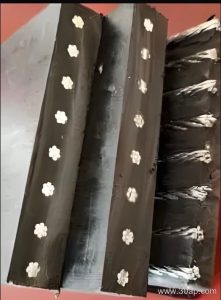
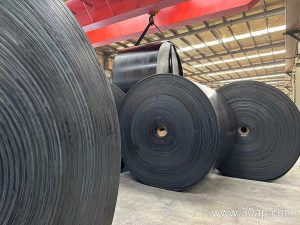
An NN100 conveyor belt is a nylon fabric-reinforced rubber belt. The “NN” refers to the warp and weft yarns both being nylon, and the number 100 indicates the nominal tensile strength per fabric ply, expressed in newtons per millimeter of belt width. In practical terms, it is a general-duty carcass belt used on bulk material conveyors where moderate strength, good troughability and reasonable elongation are needed. Buyers will also see it called a nylon conveyor belt or NN fabric belt; these terms describe the same product, while EP belts use polyester warp and nylon weft and are a different carcass construction.
How the Belt Is Built
The carcass is made from multiple layers of nylon fabric, usually two to six plies depending on the duty. Nylon has high tensile strength and excellent fatigue resistance, which helps the belt absorb shock loads at transfer points. The plies are bonded with rubber skim compound and protected by top and bottom cover rubber. Cover thickness is often written as a pair, such as 3+1.5 mm, 4+2 mm, 5+2 mm, 6+2 mm or 8+3 mm, where the first figure is the carrying cover and the second is the pulley cover.
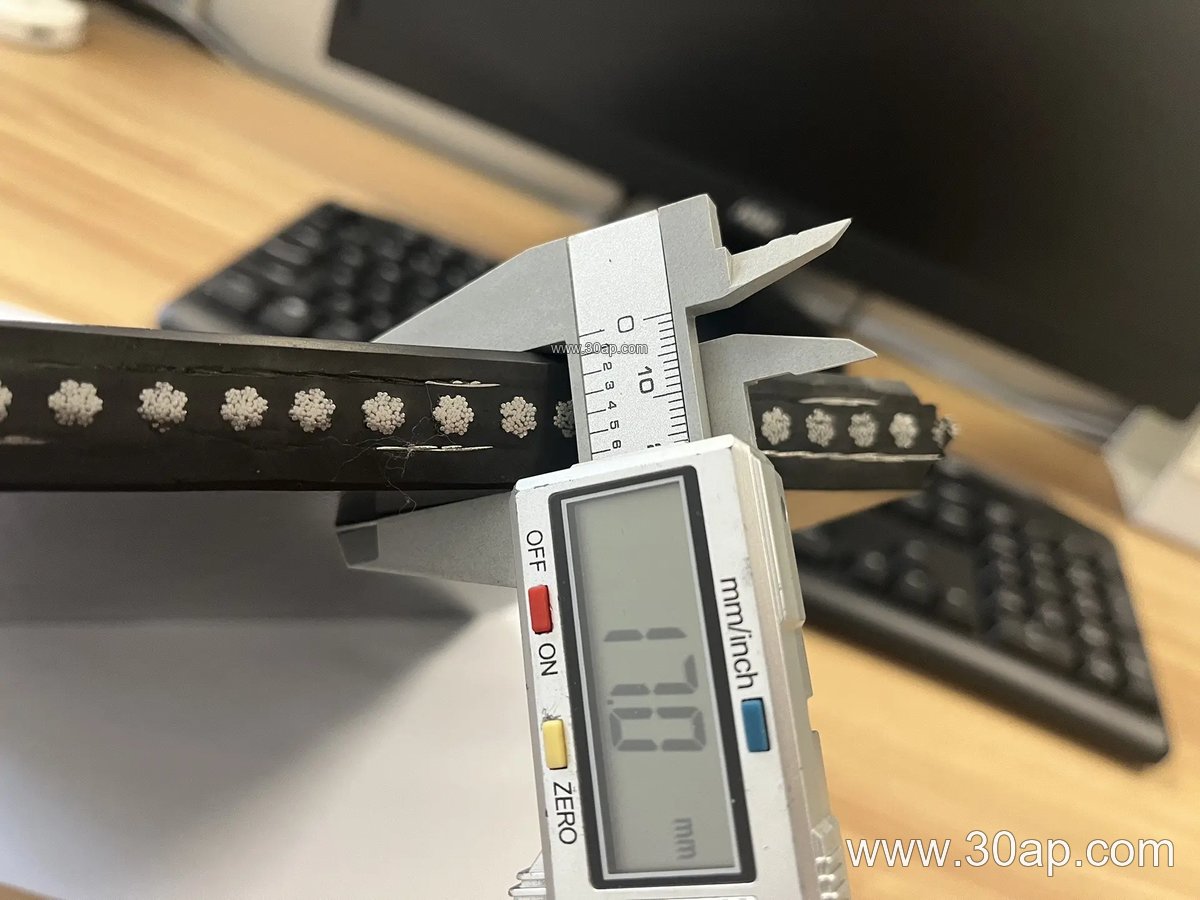
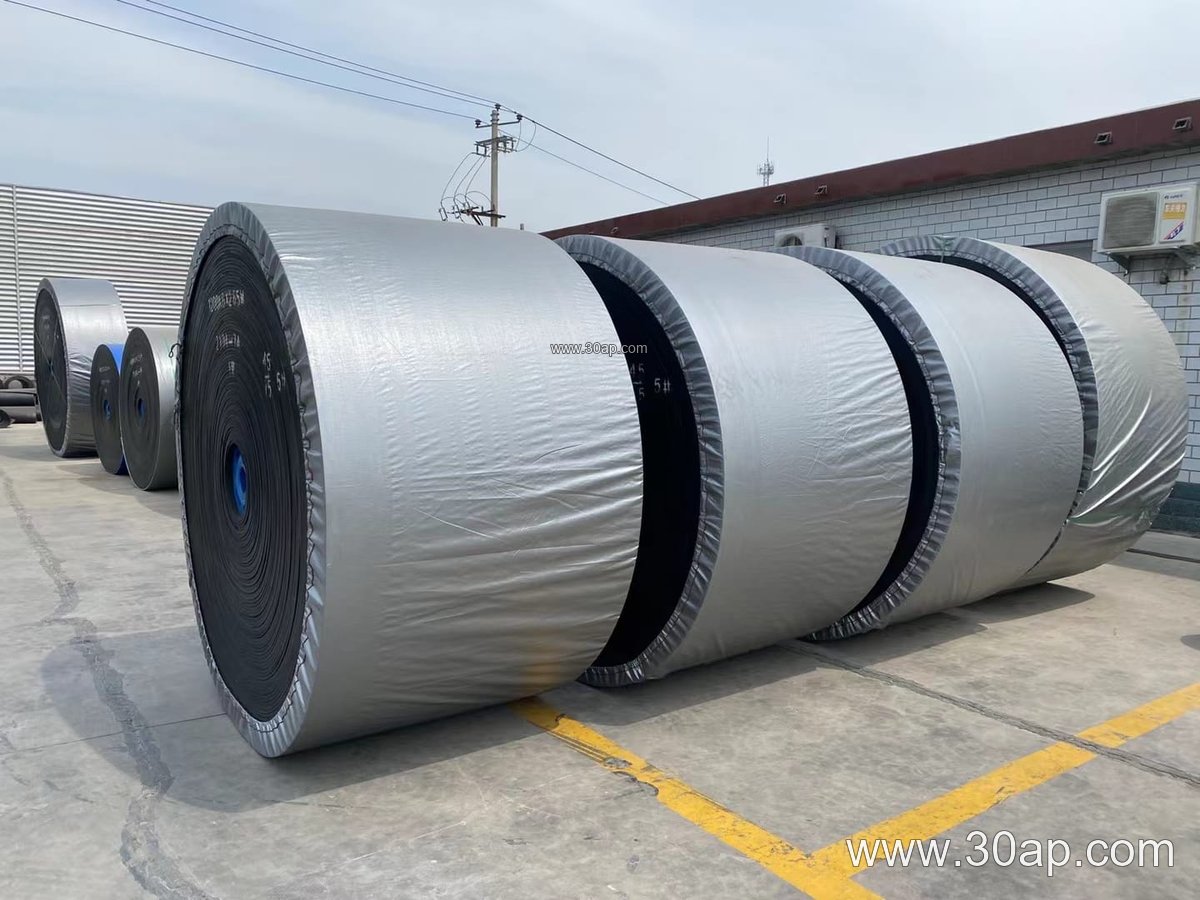
Common belt widths include B500, B650, B800, B1000, B1200, B1400, B1600, B1800 and B2000. These are reference ranges, not fixed rules. A wider belt is not automatically tied to one pulley diameter, and shaft sizes must be calculated from the actual conveyor design, not guessed from belt width.
Typical Bulk Handling Applications
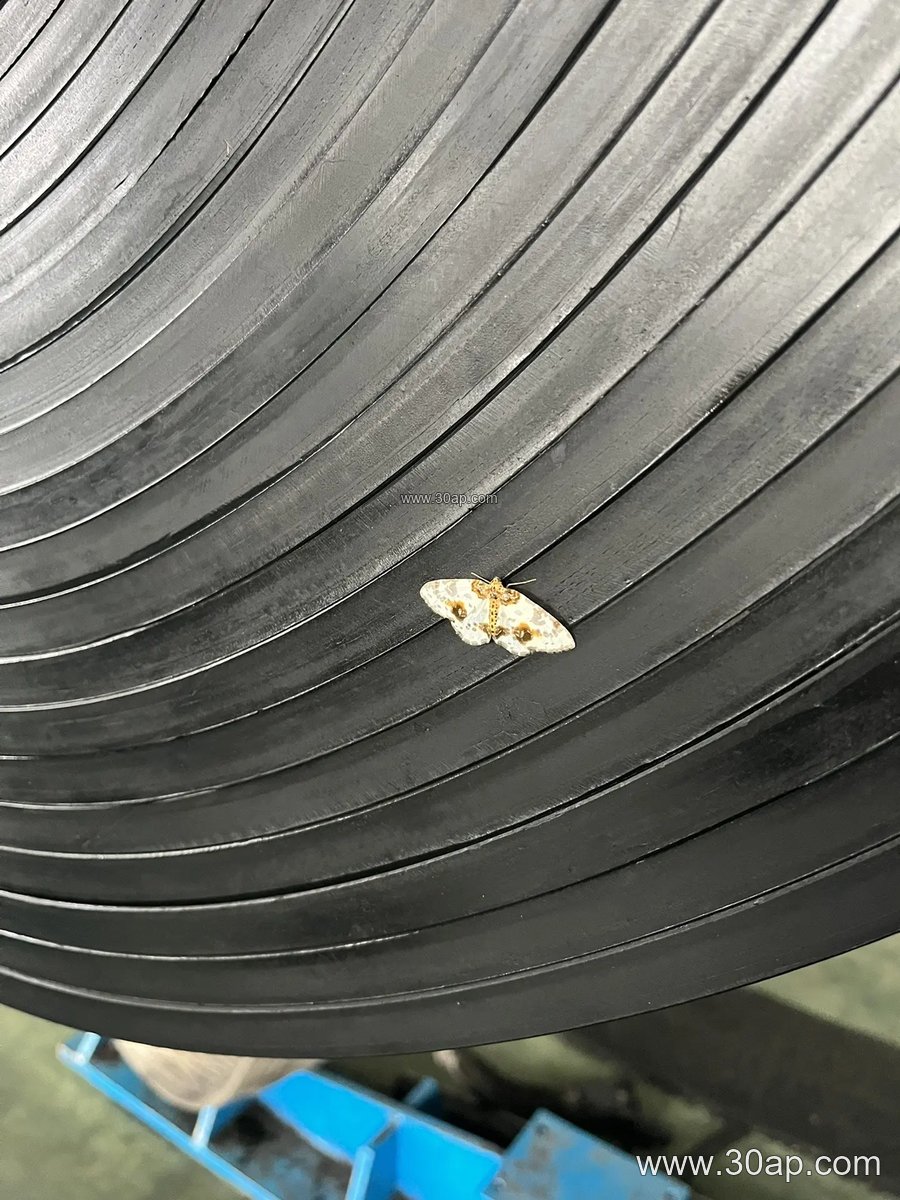
NN100 belts appear in mines, coal preparation plants, cement works, power stations, sand and gravel yards, and general bulk terminals. They suit lines carrying crushed stone, clinker, coal, ore, sand and similar abrasive or lumpy materials at moderate tonnage.
- Mining and quarrying: feed and transfer conveyors where impact and flexing are frequent.
- Cement plants: limestone, clinker and additive handling on medium-length conveyors.
- Power plants: coal yard and boiler feed lines, often with flame-retardant or antistatic cover options.
- Sand and gravel plants: washing and stockpile conveyors with abrasion-resistant covers.
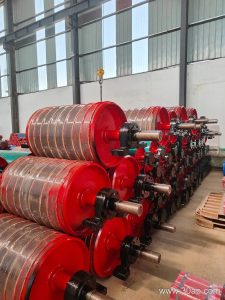
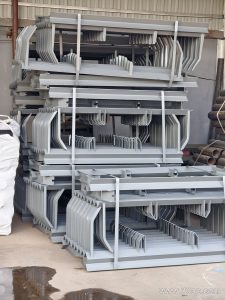
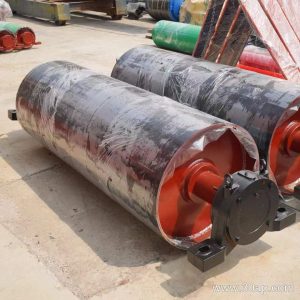
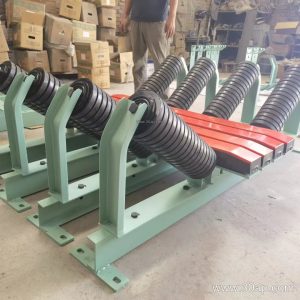
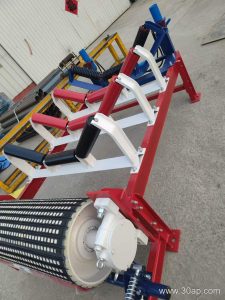
Supporting equipment matters as much as the belt. Idler rollers set the trough shape and reduce belt sag, conveyor pulleys at the drive, tail and bend positions guide and tension the belt, and conveyor brackets hold the idlers and pulleys in alignment. Drive pulleys, tail pulleys and bend pulleys perform different jobs and are not interchangeable, so specify each position separately.
Cover Compounds and Special Duties
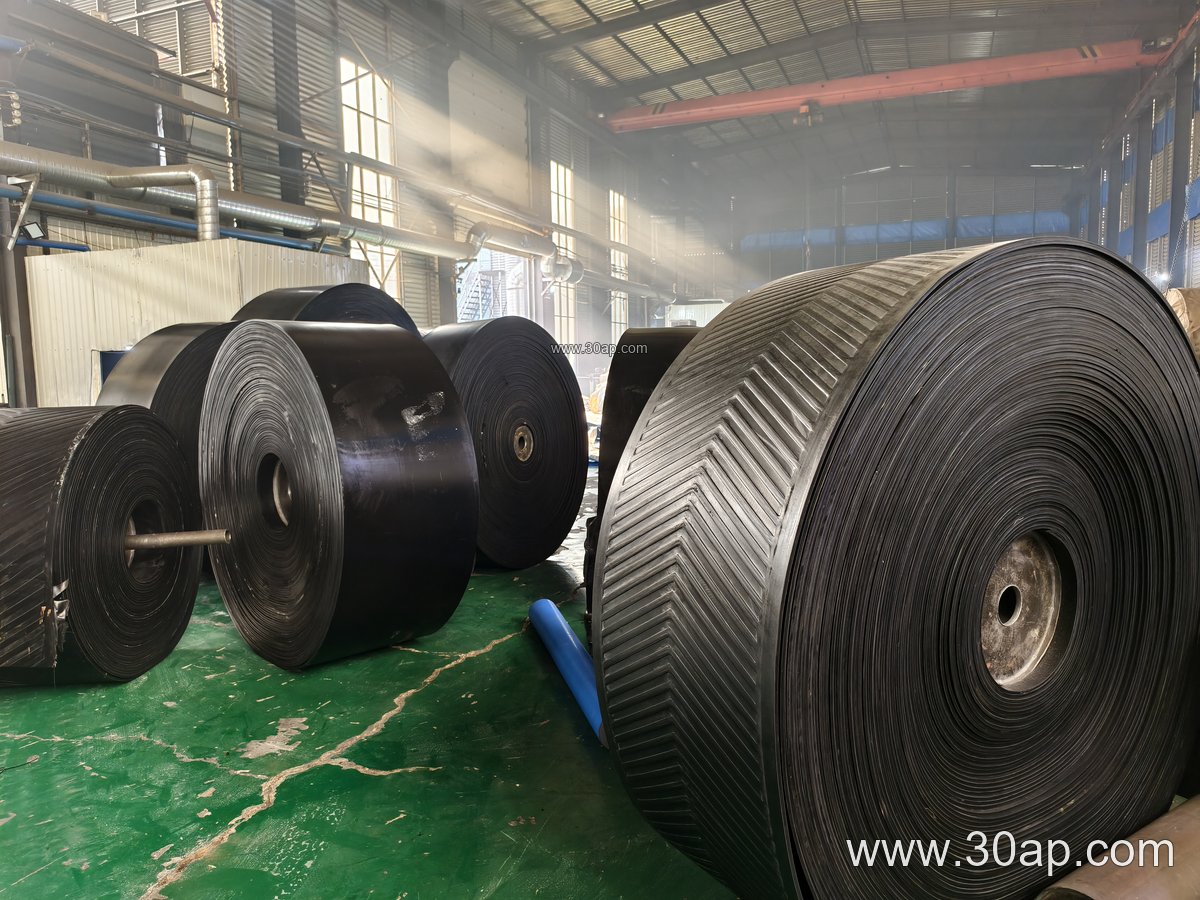
Beyond the standard NN100 carcass, covers can be selected for the environment. Common options include abrasion-resistant, heat-resistant, oil-resistant, flame-retardant, antistatic, cold-resistant and acid-alkali-resistant compounds. Patterned surfaces such as herringbone or chevron profiles and corrugated sidewalls are used on inclined runs where material must be held in place. These are cover or profile choices, not a change of carcass type.
| Parameter | Typical reference range |
|---|---|
| Carcass type | NN nylon fabric, 2 to 6 plies |
| Nominal strength | NN100 (per ply basis) |
| Belt width | B500, B650, B800, B1000, B1200, B1400, B1600, B1800, B2000 |
| Cover thickness | 3+1.5, 4+2, 5+2, 6+2, 8+3 mm |
| Special covers | Wear, heat, oil, flame, antistatic, cold, acid-alkali resistant |
What Buyers Should Check
Start with the actual duty: material type, lump size, capacity, incline and ambient conditions. Confirm the required belt width, ply number and cover grade with the conveyor designer. Check pulley diameters and shaft loads against the belt’s allowed tension and flex rating, and make sure idler roller spacing and conveyor bracket alignment are correct before installation. Ask for the manufacturer’s data sheet for the exact NN100 construction offered, since ply strength, cover compounds and tolerances vary between suppliers. Proper storage, square-cut splicing and controlled take-up tension will extend service life more than any single specification line.