Understanding the Conveyor Pulley
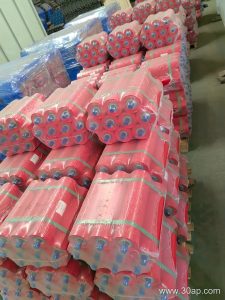
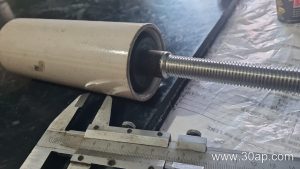
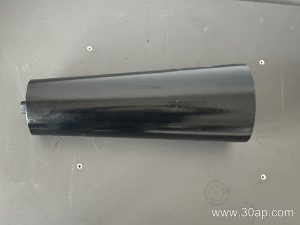
The conveyor pulley drives or redirects the belt. Choose drum or wing type based on load and environment.
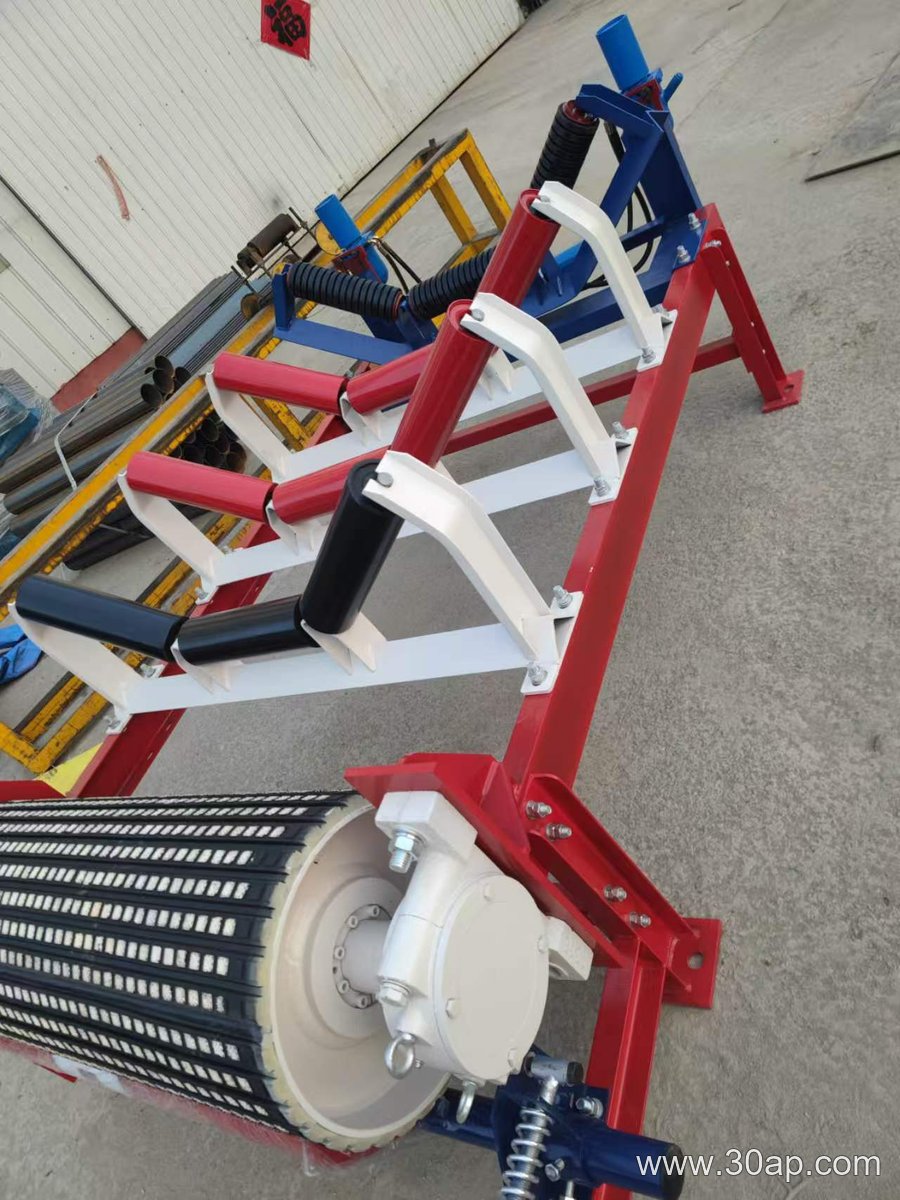
Key Selection Factors
- Belt width and tension
- Shaft and bearing load
- Lagging for grip
- Material: steel or stainless
Purchasing Advice
Verify diameter, face length, and balancing. Request load ratings and inspection reports before ordering.
Conveyor Bracket Essentials
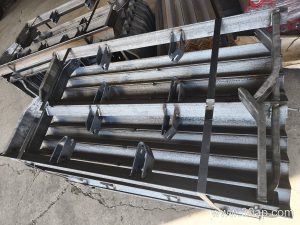
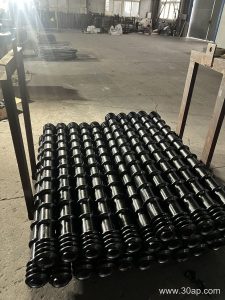
A conveyor bracket supports rollers, idlers, and frames, ensuring alignment and load stability.
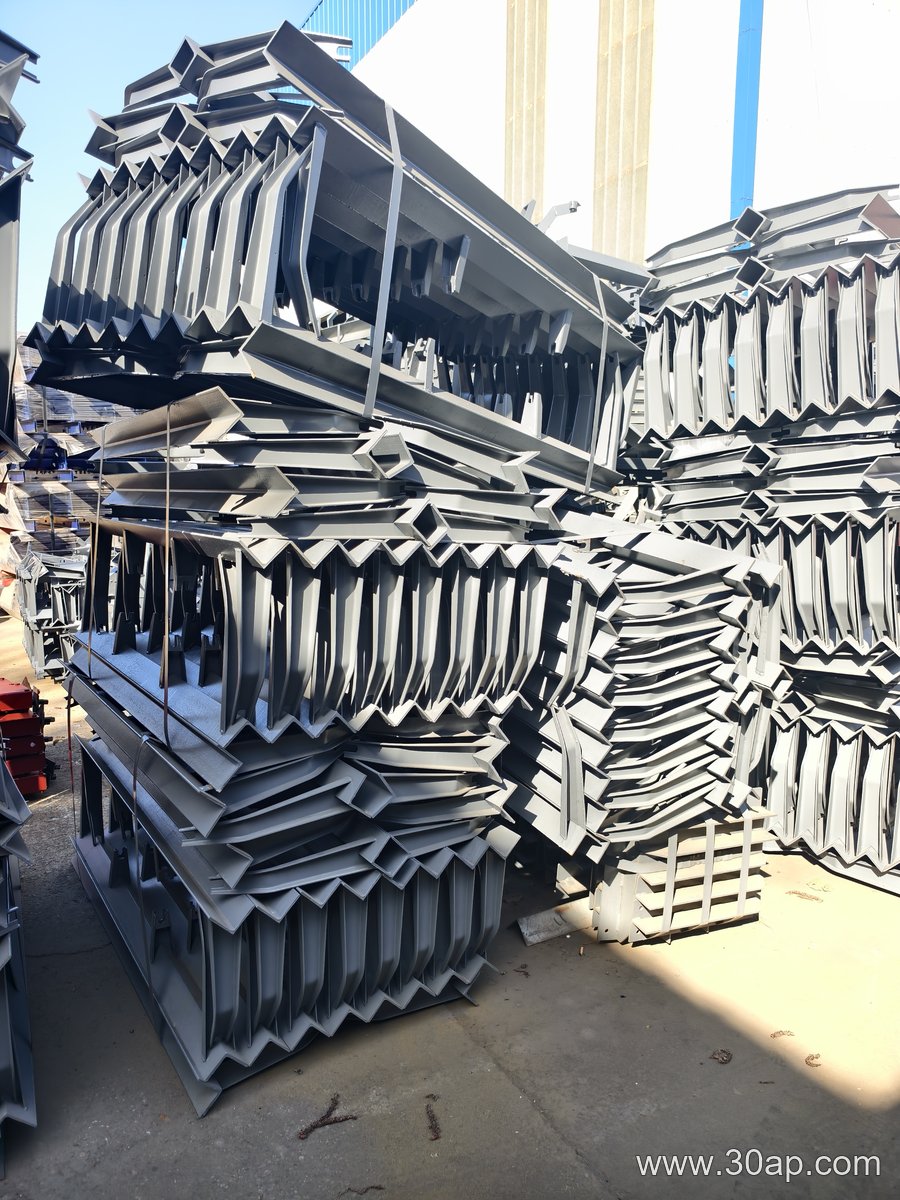
Selection Advice
- Match material to load and environment.
- Check hole spacing and bolt sizes.
- Prefer adjustable or reinforced designs.
Purchasing Tips
Verify load ratings, corrosion resistance, and compatibility with your conveyor system before ordering.
Conveyor Belt Selection and Purchasing Guide
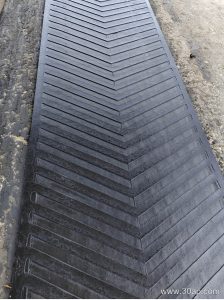
A conveyor belt is the core of any material handling system, so correct selection protects uptime, safety and freight costs. Start with load type, speed, incline and ambient conditions.
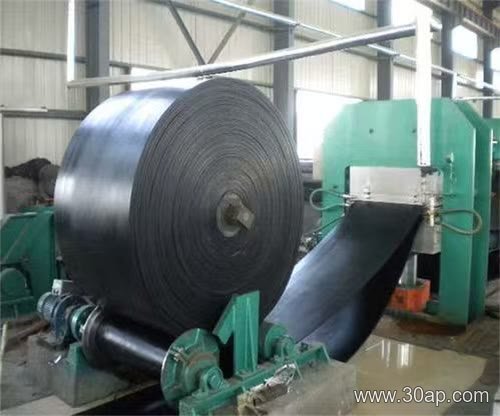
Key purchase checks
- Confirm carcass, cover grade and tensile strength.
- Match belt width, pulley diameter and splice method.
- Verify food, oil, heat or fire resistance.
- Request export packing, lead time and warranty.
Idler Roller Selection and Purchasing Guide
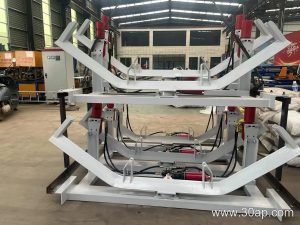
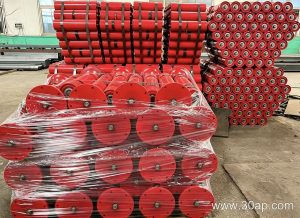
An idler roller supports the belt and reduces friction in bulk handling systems. Choose the correct size and material to prevent premature wear.
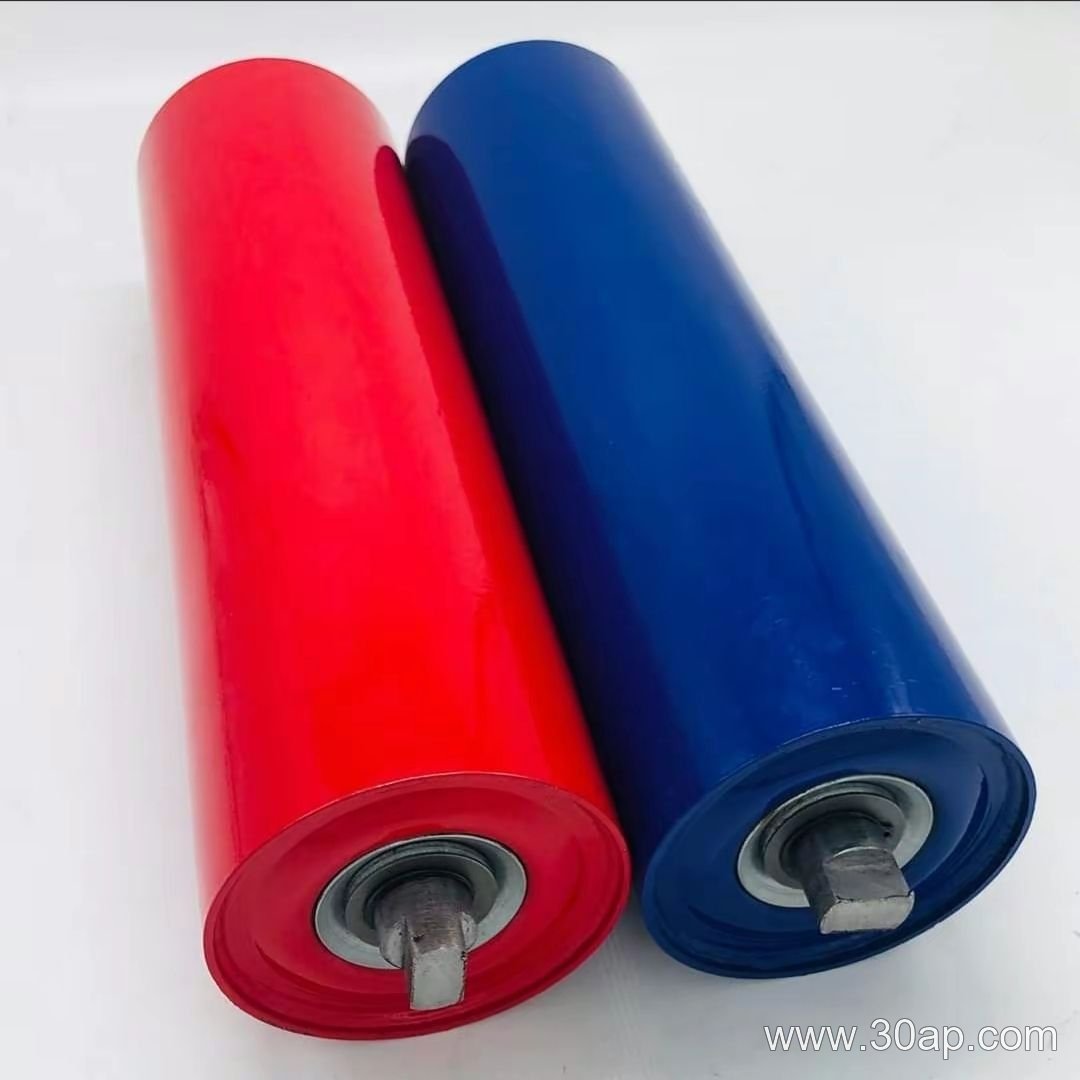
Key Selection Factors
- Check shaft diameter, bearing type, and load capacity.
- Match roller material to dust, moisture, or corrosive cargo.
- Confirm standard lengths and mounting tolerances.
Purchasing Advice
Buy from suppliers offering sealed bearings and consistent wall thickness. Request load ratings and compare total cost per service hour, not just unit price.