What an Aggregate Conveyor Pulley Does
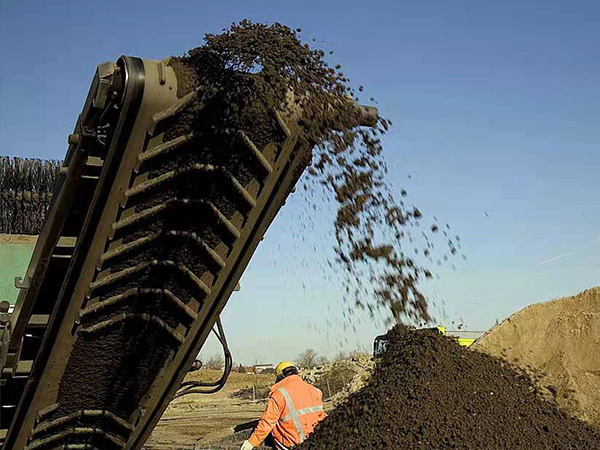
An aggregate conveyor pulley is the rotating drum at either end of a belt conveyor that keeps the belt moving and aligned. In a quarry, sand and gravel pit, or recycling yard, the belt carries crushed stone, sand, and other bulk material from one stage to the next. The pulley at the drive end pulls the belt; the one at the return end redirects it. Without a properly built drum, the whole conveyor line can slip, track poorly, or stop.
People use several names for the same family of components. A drive pulley, head pulley, tail pulley, and bend pulley all fall under the general term conveyor pulley. The name usually describes the job it performs rather than a different product. A belt conveyor tail pulley, for example, is simply the pulley at the tail end, often used to tension the belt and change its direction.
How a Conveyor Pulley Is Built
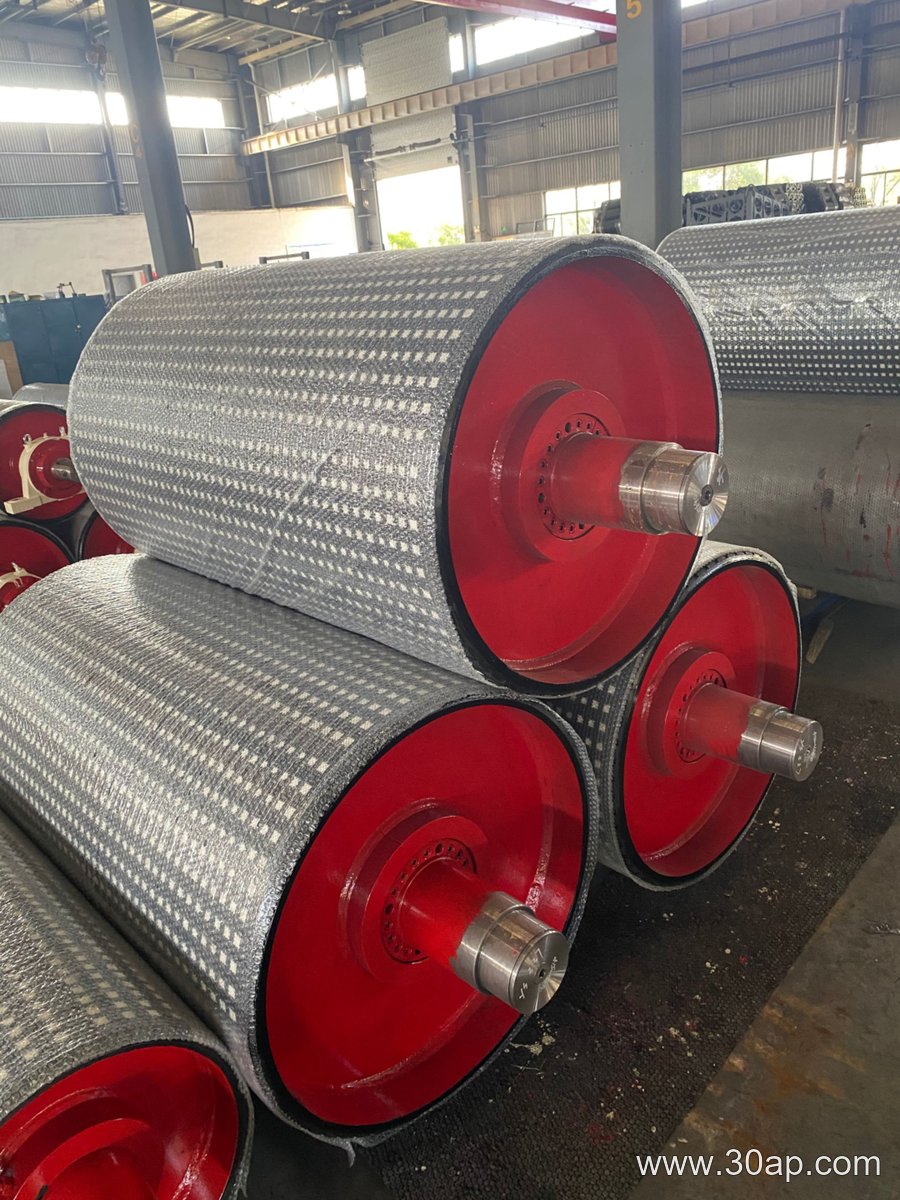
Most aggregate pulleys are welded steel assemblies. A heavy-duty welded pulley typically has a cylindrical shell, two end discs, and a shaft or hub arrangement that connects to the conveyor frame. The shell is the surface the conveyor belt wraps around, so it must be straight, round, and strong enough to resist bending under belt tension.
The end discs transfer load from the shell to the shaft. They are usually welded to the shell and machined to hold the shaft square. Some designs use a hub and bushing system so the pulley can be removed without cutting the shaft. Larger units may have a crowned face, which is a slight rise in the middle of the shell that helps the belt stay centered.
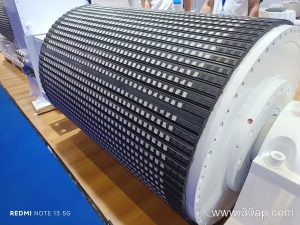
Lagging is another common feature. Rubber, ceramic, or grooved lagging is applied to the drive pulley surface to increase friction between the pulley and the belt. That friction matters most on the drive pulley, where torque is transferred to the belt. A tail pulley may run plain or lightly lagged, depending on the application.
Balance and alignment are also important. A pulley that is out of balance will vibrate, wear the belt edges, and shorten bearing life. Good manufacturers machine the shell, check runout, and balance the assembly before shipping.
Where Aggregate Pulleys Are Used
Aggregate operations rely on belt conveyors for nearly every material transfer. An aggregate conveyor pulley may sit on a primary crusher discharge belt, a screening plant feed belt, a stockpile conveyor, or a wash plant transfer. The same basic component appears in sand and gravel pits, crushed stone quarries, concrete recycling, and asphalt plants.
Similar pulleys are used in heavier duties. An iron ore conveyor pulley, for example, must handle abrasive and dense material, so the shell, shaft, and lagging are often built thicker and more wear resistant. A mining belt conveyor pulley may face continuous operation, heavy loads, and dusty conditions. In those cases, the pulley is usually designed with larger bearings, stronger welds, and better sealing.
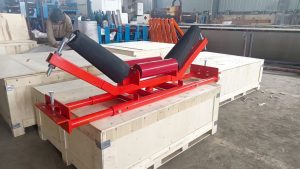
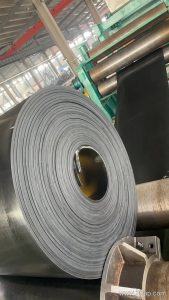
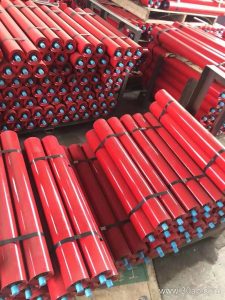
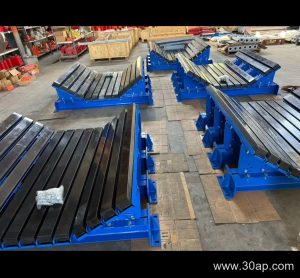
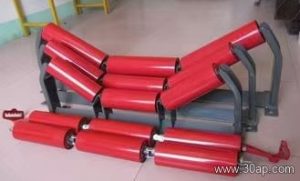
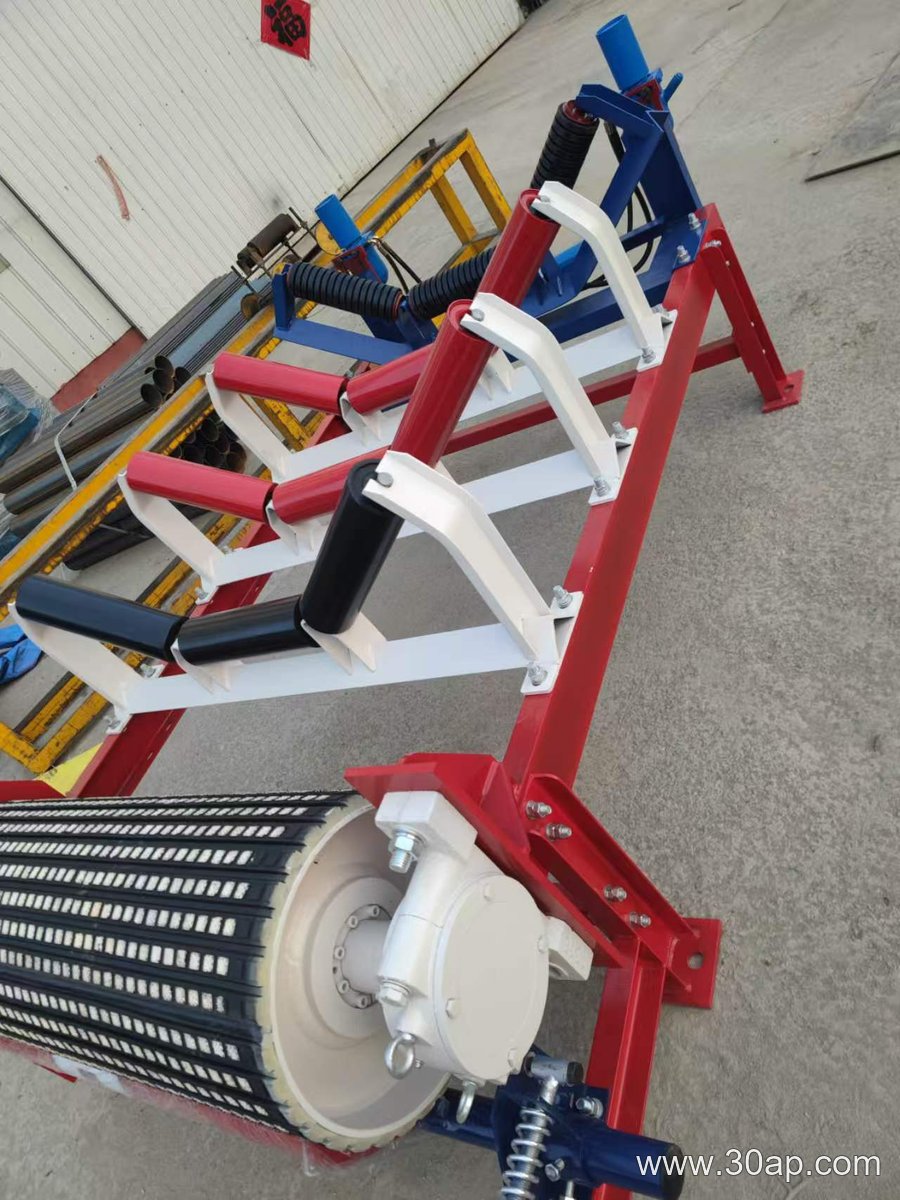
Other equipment around the pulley includes the conveyor belt itself, idler rollers that support the belt along the carrying side, and the conveyor bracket that holds the pulley assembly to the frame. A bend pulley may be added where the belt changes direction without driving or tensioning. Together, these parts form a system, and the pulley must match the belt width, speed, and load.
What Buyers Should Check Before Ordering
Buying a replacement or new pulley starts with the conveyor layout. The buyer should know the belt width, pulley diameter, face width, shaft diameter, and the type of bearing housing used. The pulley must fit the existing conveyor bracket, so mounting dimensions matter as much as the drum size.
Next, consider the duty. A light transfer belt and a primary crusher discharge belt do not place the same demands on the pulley. For abrasive or heavy material, specify a heavy-duty welded pulley with wear-resistant lagging and robust end discs. For a drive position, confirm the required torque and the lagging type. For a tail position, check whether the pulley needs to slide for tensioning.
Ask about the shaft material, welding quality, balancing, and surface finish. A poorly balanced drum can cause premature belt wear and bearing failure. Also confirm the bearing type, sealing arrangement, and lubrication method, because dust and water are common in aggregate plants.
- Confirm belt width, pulley diameter, and face width.
- Match shaft and bearing housing to the existing frame.
- Choose lagging based on drive or non-drive position.
- Check the pulley for balance, runout, and weld quality.
- Review sealing and lubrication for dusty or wet conditions.
Maintenance and Replacement Notes
Once installed, an aggregate conveyor pulley needs regular inspection. Check for lagging wear, material buildup, loose bolts, and unusual noise from the bearings. Misalignment often shows up as belt edge wear or material spillage. If the belt tracks poorly, inspect the tail pulley and the bend pulley before adjusting the whole system.
Replacement pulleys should be ordered with the same critical dimensions, or with a clear understanding of any changes. In many plants, a spare drive pulley or tail pulley can reduce downtime when the original unit fails. Keep the shaft, bearing, and lagging details on file so the next order is straightforward.
A well-chosen conveyor pulley is not just a drum. It is a load-bearing, torque-transferring part of the material handling line. Matching it to the belt, the material, and the surrounding equipment is the surest way to keep aggregate moving.