What an Adjustable Conveyor Bracket Does
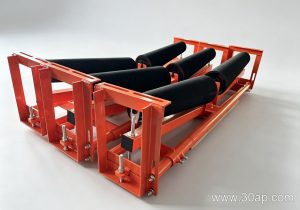
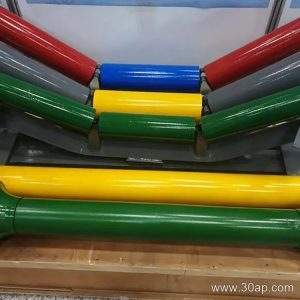
An adjustable conveyor bracket is a support component that holds idler rollers at a chosen trough angle and height along a belt conveyor. Instead of welding a fixed cradle at one angle, this bracket lets maintenance teams change the roller position as the conveyed material, belt load, or operating conditions change. The same hardware is sometimes called an adjustable idler bracket or adjustable troughing bracket, and it belongs to the broader family of conveyor brackets that carry rollers and pulleys.
It is not a drive pulley, tail pulley, or bend pulley, and it should not be confused with those components. A pulley turns the belt and transmits power or changes direction; an adjustable bracket only positions the rotating idlers that shape and support the belt. Keeping that distinction clear helps buyers order the right part.
How the Bracket Is Built
Most designs combine a base plate, one or more slotted or pivoting arms, and a locking mechanism. The frame is commonly made from angle steel, channel steel, or folded steel plate, then drilled or punched so the roller shaft can sit at different positions. A bolt-and-slot arrangement allows the trough angle to move, while a set of shims or a threaded adjuster changes the elevation. The bracket is then fixed to the conveyor stringer or cross beam.
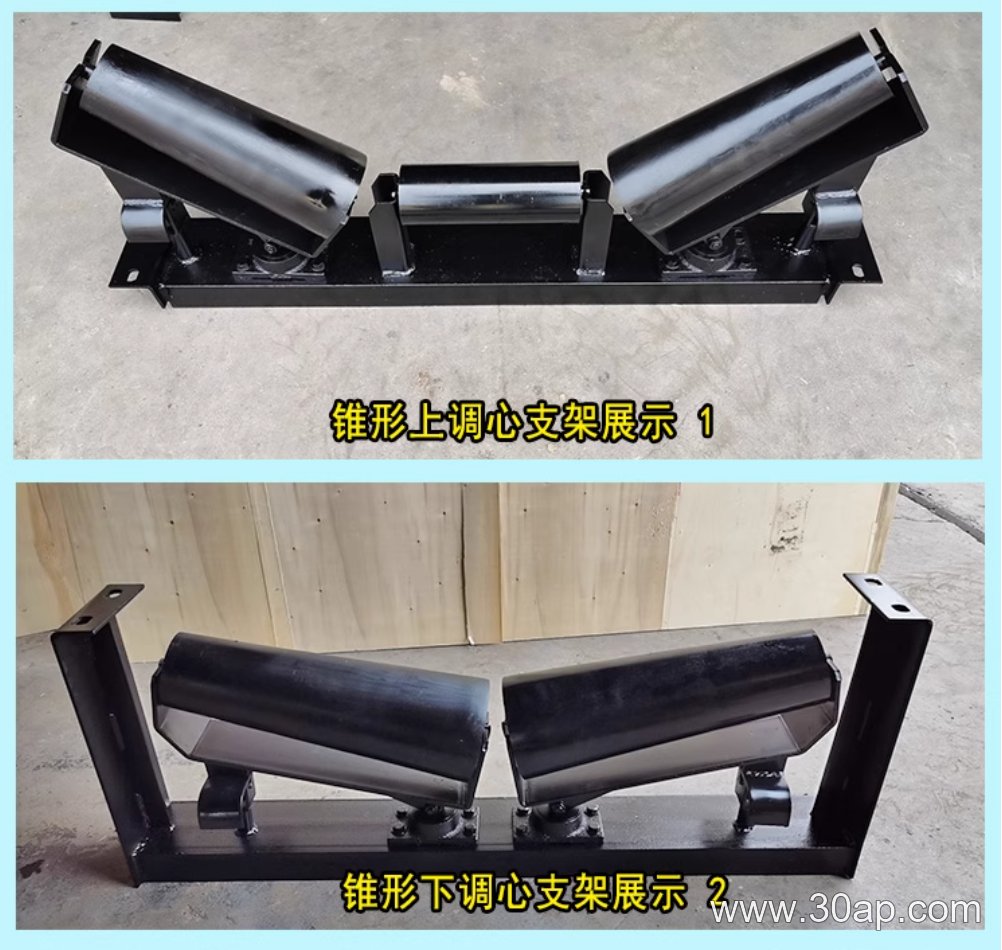
Because the bracket must resist vibration and belt pull, the locking points matter as much as the adjustment range. A good adjustable bracket stays put after it is tightened, yet can be readjusted with common hand tools during a maintenance window.
Where It Is Used
Adjustable brackets appear in many bulk handling lines. In a quarry or crushed stone plant, they help tune the trough shape after a screen change or a new belt installation. In a coal washing plant, they can be reset when the material bed becomes heavier or when spillage suggests the belt is not centered. They are also found in cement plants, power station coal yards, and aggregate transfer towers.
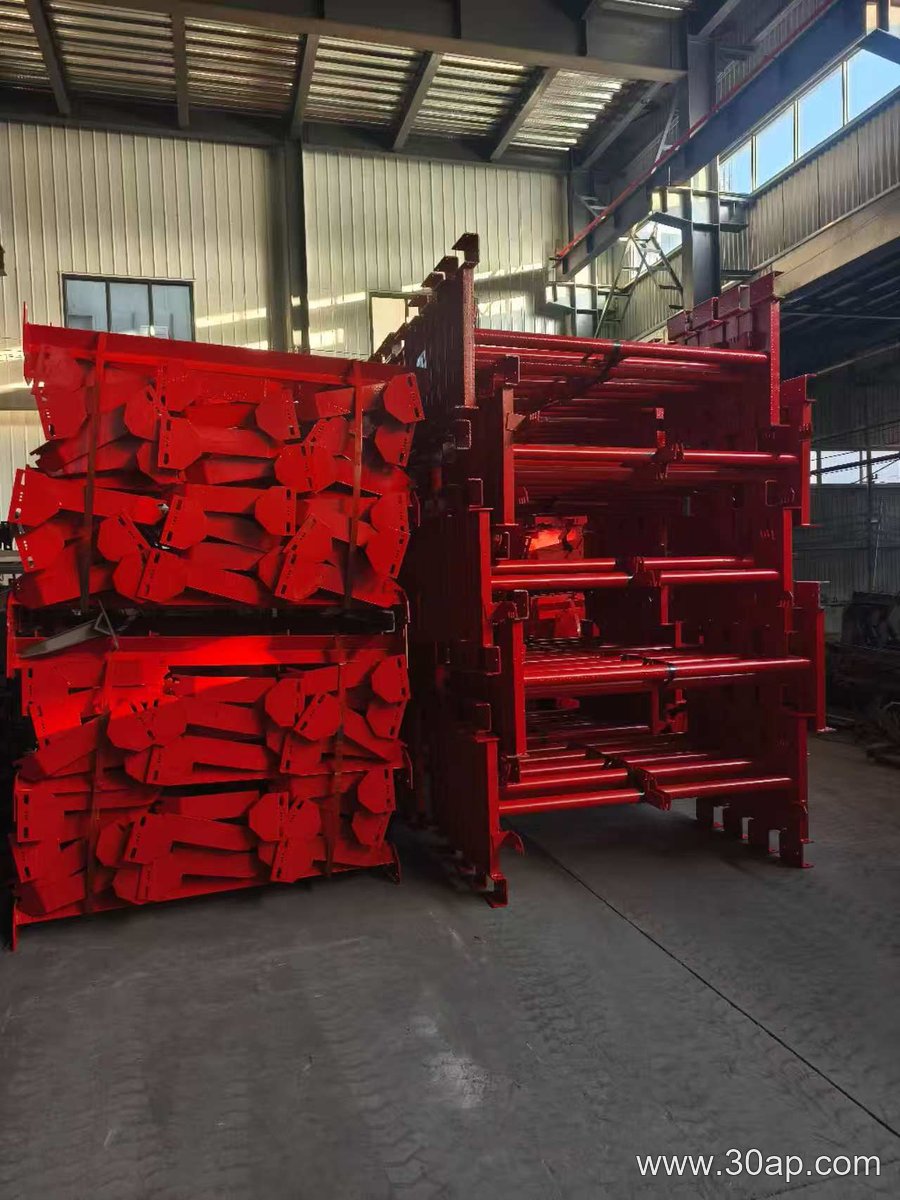
They work alongside the conveyor belt, idler roller, and conveyor pulley, but they do not replace any of them. A transition bracket, for example, is a different subtype used to guide the belt from a flat pulley into a troughed section. That comparison is useful, but the adjustable bracket remains the focus here.
Common Types and Parameters
Adjustable brackets are often grouped by their position and roller arrangement. A troughing bracket carries the carrying-side rollers, while a return bracket supports the belt on the return run. A V-return or flat-return bracket is a separate subtype for the lower strand. Impact and self-aligning brackets are also distinct, and they are selected for different duties.
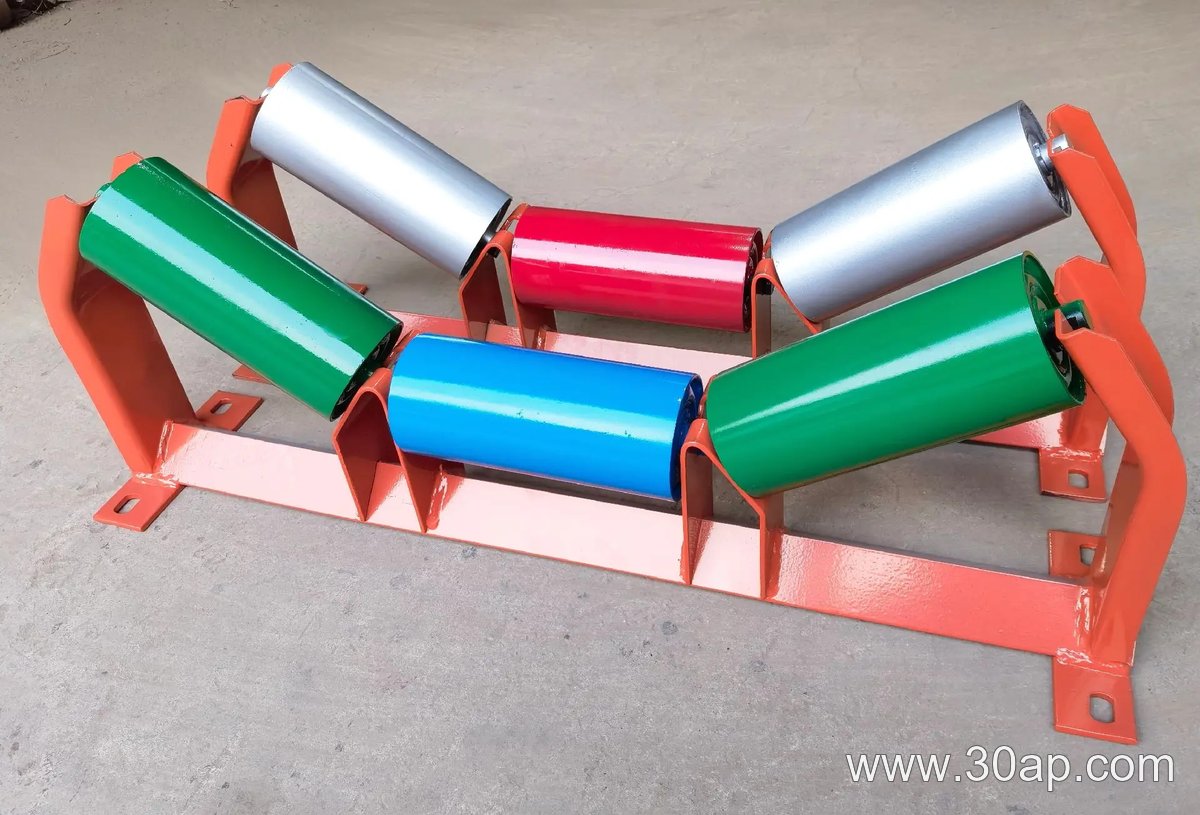
When specifying an adjustable bracket, the belt width, trough angle, and roller diameter are the main inputs. The table below shows typical reference combinations, not fixed rules. Any belt width can be used with more than one trough angle or roller diameter, and the final choice depends on the conveyor design.
| Belt width | Trough angle | Roller diameter | Typical use |
|---|---|---|---|
| B500 | 20 degrees | Ø89 | Small transfer conveyors |
| B650 | 30 degrees | Ø89 or Ø108 | Aggregate and sand lines |
| B800 | 35 degrees | Ø108 | General bulk handling |
| B1000 | 35 degrees | Ø133 | Higher capacity conveyors |
| B1200 | 45 degrees | Ø133 or Ø159 | Heavy troughing duties |
| B1400 | 45 degrees | Ø159 | Large tonnage systems |
| B1600 | 35 to 45 degrees | Ø159 or Ø194 | Mining and port conveyors |
Installation hole spacing and cross beam length are not universal. They change with belt width, trough angle, and the number of rollers, so they should be confirmed against the conveyor drawing rather than assumed from the belt width alone. Forward tilt, when used, is often around 1.5 to 2 degrees, but this is a design choice, not a standard setting.
What Buyers Should Check
- Confirm the bracket subtype: troughing, return, transition, impact, or self-aligning. Each has a different job.
- Match the roller diameter and shaft size to the idler roller being used. Do not derive shaft diameter from belt width alone.
- Check the adjustment range against the required trough angle. A bracket rated for 20 to 35 degrees may not suit a 45-degree application.
- Verify mounting dimensions with the stringer or cross beam on the existing conveyor.
- Consider the environment. Dust, moisture, and washdown affect the choice of coating and hardware.
- Keep spare locking bolts and pins on hand, since adjustment points are the most handled parts.
For maintenance, inspect the bracket after any belt tracking correction or roller replacement. A loose adjustable bracket can let the roller shift, which changes the trough profile and may cause edge wear or spillage. Tightening and rechecking the setting is usually faster than replacing a fixed bracket.
Selection Summary
The adjustable conveyor bracket is a practical way to fine-tune roller position without cutting or rewelding the conveyor frame. It suits lines where the material, belt, or operating angle may change over time. Buyers should treat belt width, trough angle, and roller diameter as linked but not locked, and should always confirm mounting details against the actual conveyor. When used correctly, this bracket helps the belt run centered, reduces spillage, and extends the life of the idler rollers and the belt itself.