What the Tail Pulley Does on a Conveyor
The belt conveyor tail pulley sits at the non-drive end of a conveyor, where the belt turns back after discharging its load. Unlike the head or drive pulley that pulls the belt forward, this turning pulley primarily redirects the belt and helps maintain proper tracking. In many systems, it also works with a take-up device pulley to keep tension steady as the belt stretches or contracts under changing loads. If you have ever watched a quarry conveyor run empty on the return side and wondered what keeps the belt centered, the tail pulley is often part of that answer.
On a typical bulk handling line, the belt leaves the head pulley, drops its material, and then travels back underneath the structure. At the tail end, the belt passes around this pulley and begins its carrying run again. Because it is a bend pulley in function, it must be aligned carefully with the head pulley and all idler rollers so the belt does not drift to one side. Misalignment here can cause edge damage, spillage, and unnecessary wear on the entire conveyor.
How a Belt Conveyor Tail Pulley Is Built
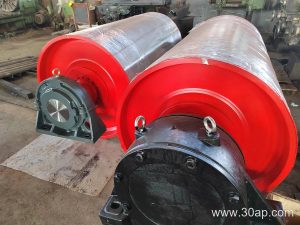
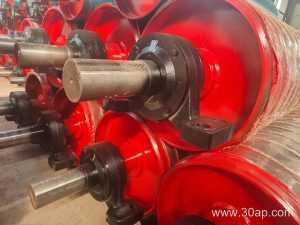
Most tail pulleys share a similar construction with other conveyor pulleys. The core is usually a steel drum, machined or rolled to a true cylindrical shape. End discs or hubs are welded to the drum, and shafts are fitted through the center. Depending on the duty, the shaft may be keyed, tapered, or mounted with locking assemblies. Bearings sit in housings that bolt to the conveyor frame or conveyor bracket.
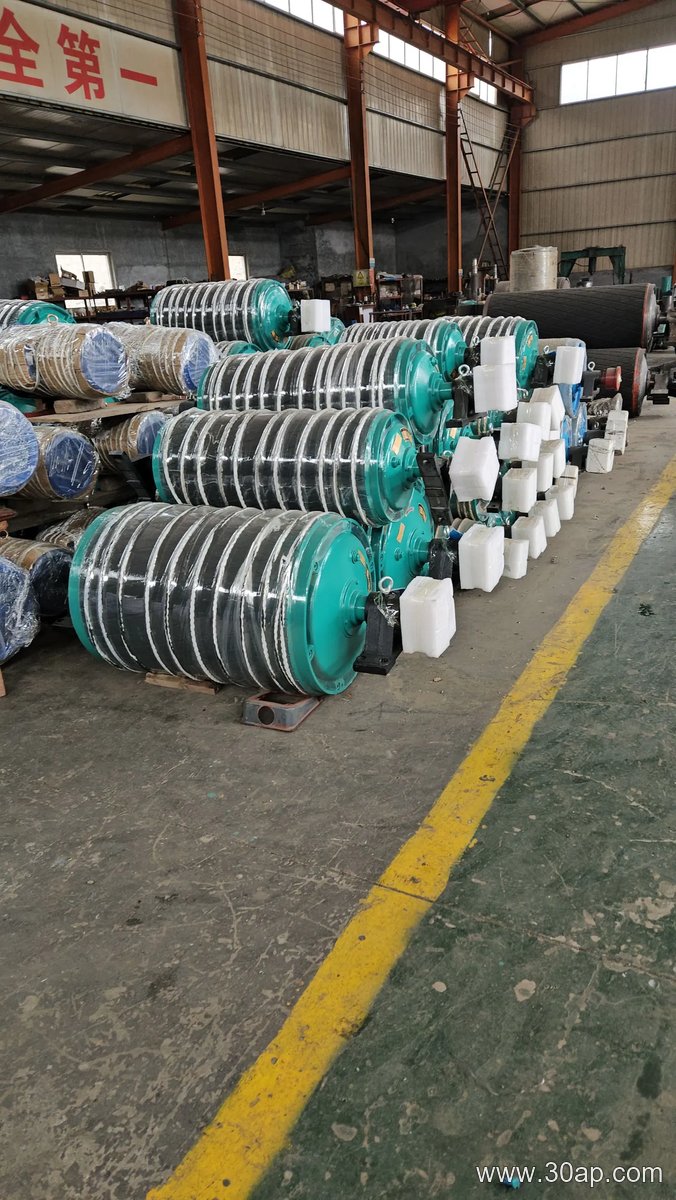
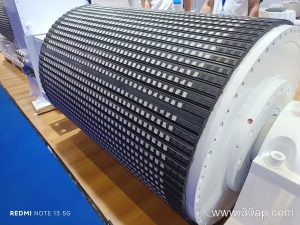
Lagging is a common option. Conveyor Pulley Lagging may be rubber, ceramic, or a grooved pattern applied to the pulley surface. While lagging is more often used on a drive lagged pulley to increase grip, it can also be applied to a tail pulley in wet or muddy conditions to reduce slip and protect the belt. In abrasive environments such as a quarry or cement plant, lagging helps extend the pulley life and keeps the belt running smoothly. The thickness and material of the lagging should match the belt type and the material being carried.
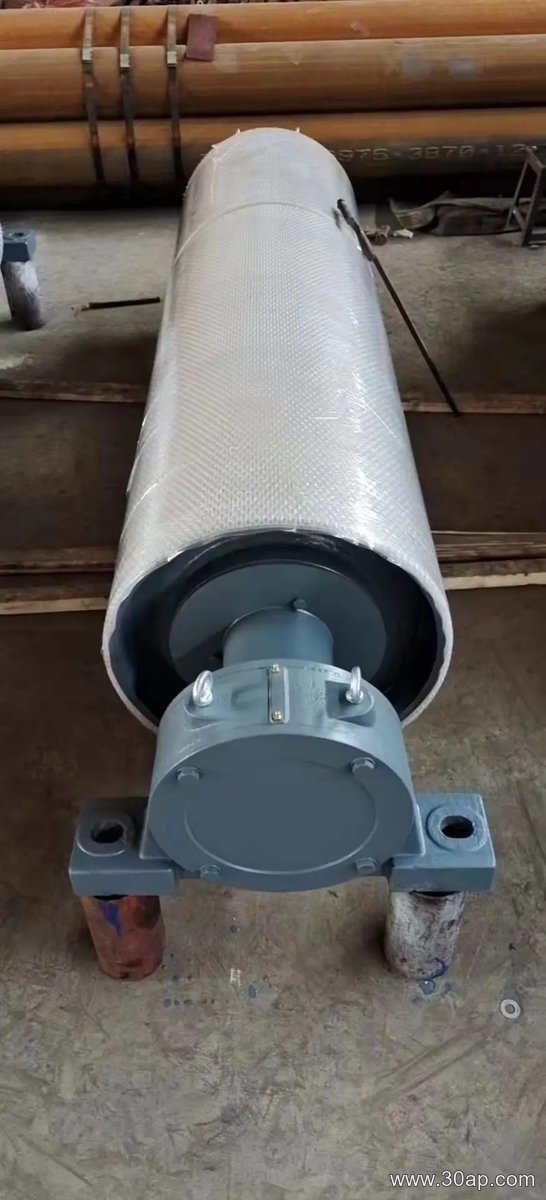
Some tail pulleys are designed as a tail bend pulley, meaning they are smaller in diameter and used purely to change the belt direction with minimal wrap. Others are larger and may include a built-in take-up mechanism. The choice depends on the conveyor profile, the amount of tension needed, and the space available at the tail end.
Where Tail Pulleys Are Used
You will find a belt conveyor tail pulley in almost any continuous bulk handling system. In a quarry, it sits at the rear of a primary crusher feed conveyor or a stockpile discharge belt. In a crushing line, it may be part of a short transfer conveyor that feeds a screen. Wash plants and sand washing lines use them in wet, gritty conditions where sealed bearings and lagging matter. Cement plants rely on them for clinker and raw material transport, often in dusty and high-temperature areas. Ports use them on ship loaders and stacker-reclaimers, where long belts and heavy loads demand robust construction.
Other conveyor types also use similar components. A turning pulley may appear in a curved conveyor or a special transfer point. A take-up device pulley is common on inclined conveyors where gravity or screw take-ups maintain tension. Each of these plays a different role, but they all share the goal of keeping the belt aligned and moving efficiently.
Matching the Tail Pulley to the Belt and Load
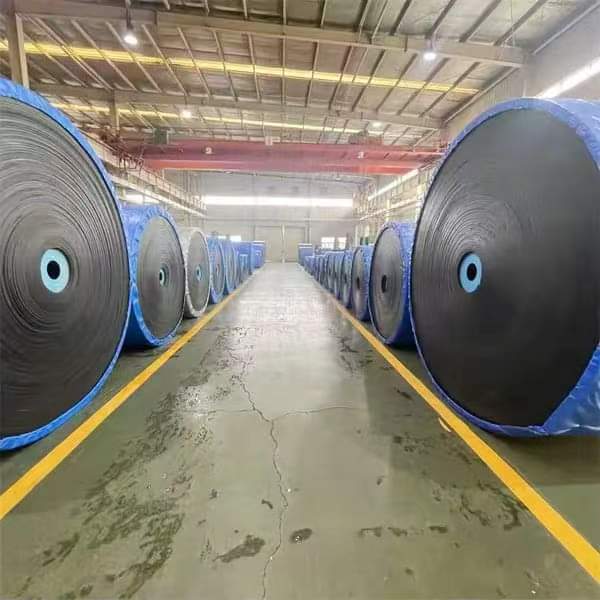
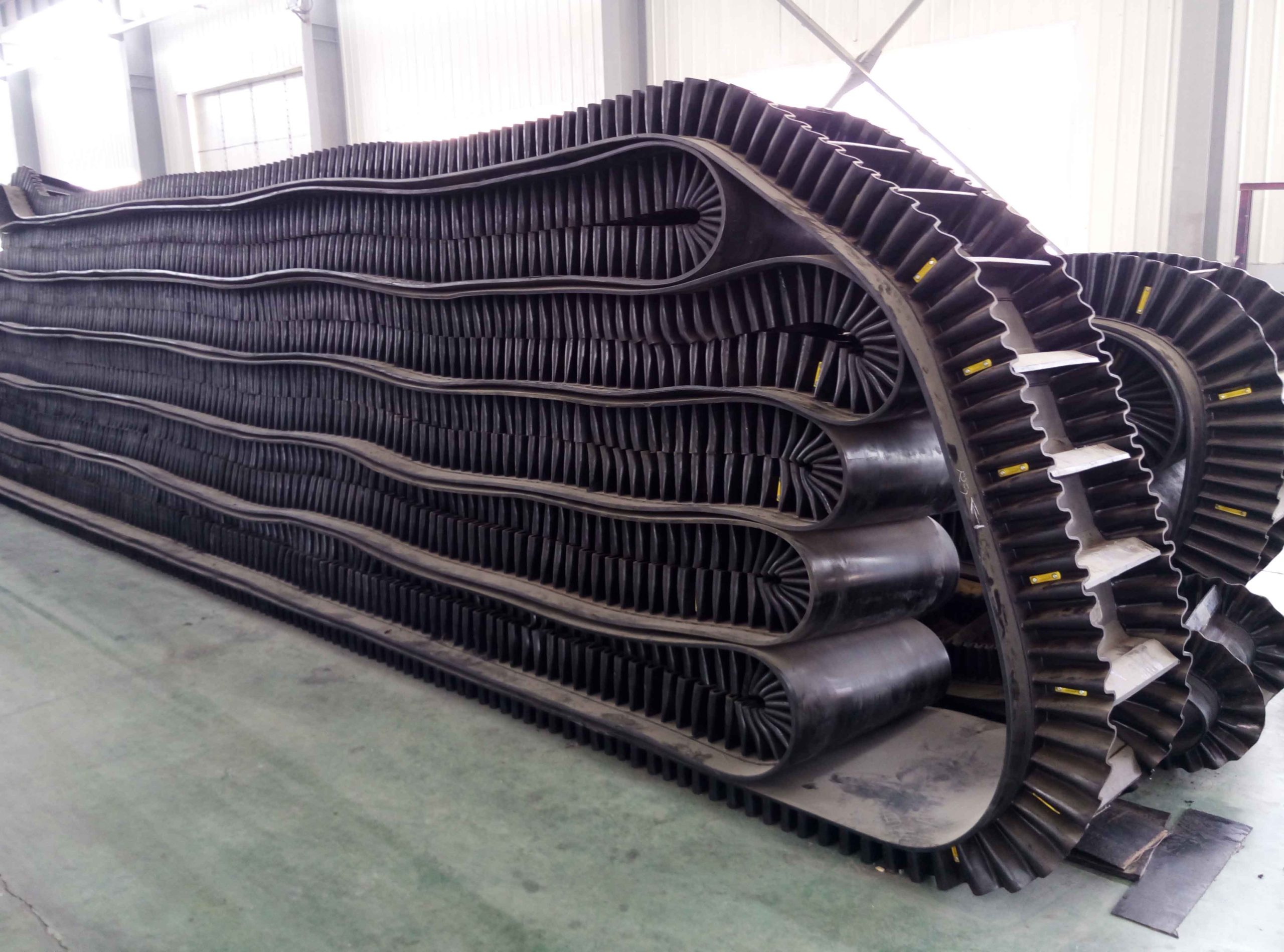
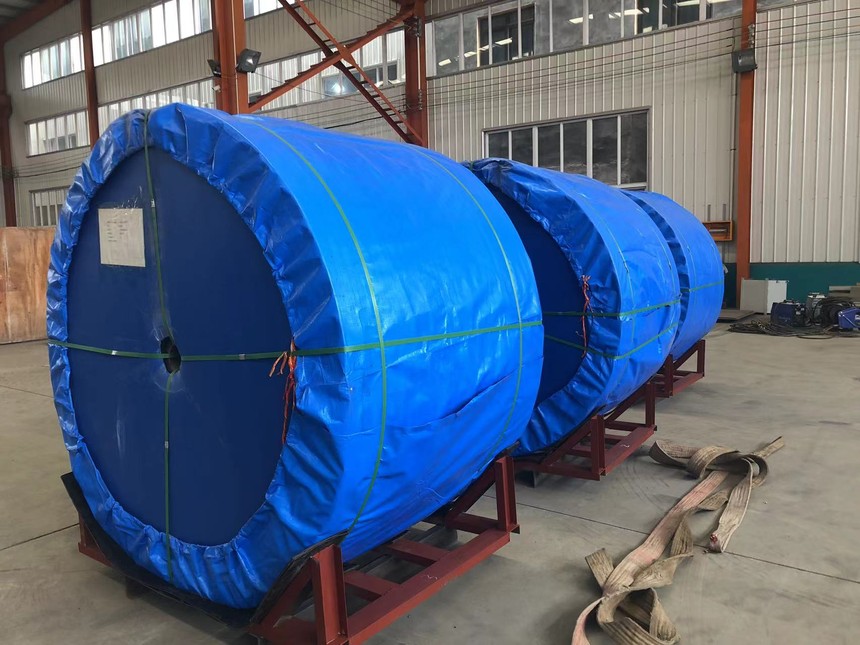
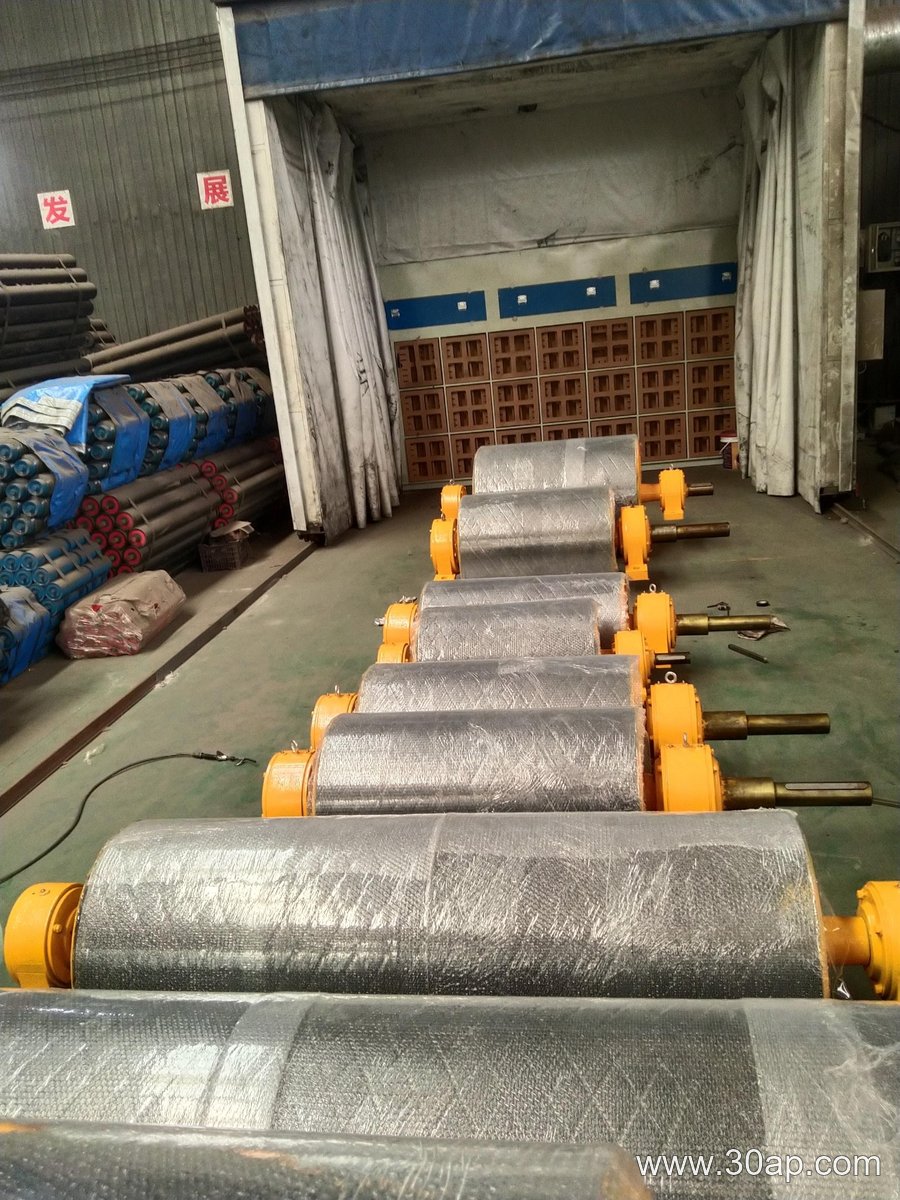
Selecting the right tail pulley starts with the conveyor belt itself. An EP or nylon fabric belt is more flexible and may tolerate a smaller pulley diameter than a steel cord belt, which needs a larger bending radius. Heat-resistant belts used in cement or foundry work require lagging that can withstand elevated temperatures. Patterned or cleated belts may need a smooth tail pulley to avoid catching the profiles.
The material being carried also matters. Sharp, heavy rock from a quarry can wear through thin lagging quickly, so a thicker rubber or ceramic lagging is often specified. Fine, wet sand in a wash plant may cause the belt to slip, making a lagged tail pulley a practical choice. In a port handling coal or ore, the pulley must resist corrosion from salt air and abrasive dust.
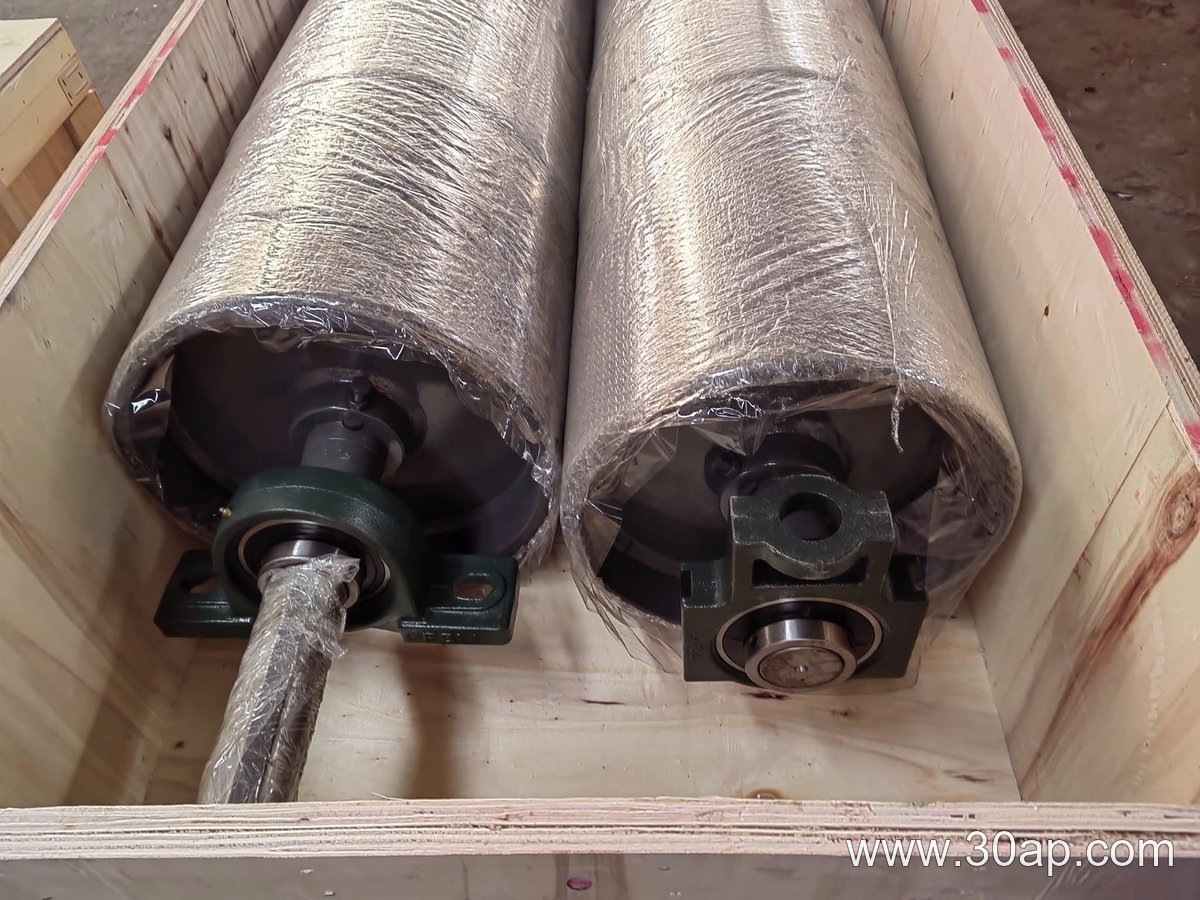
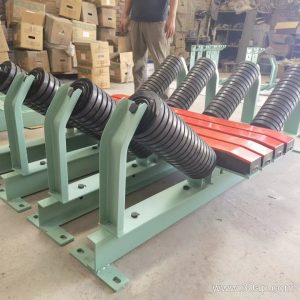
Idler rollers on the carrying and return sides should be checked at the same time. If the tail pulley is replaced but the idler rollers are worn or seized, the belt may still mistrack. Conveyor brackets that hold the pulley and idlers must be square and secure. A simple laser alignment or string line can save hours of troubleshooting later.
What Buyers Should Check Before Ordering
When specifying a belt conveyor tail pulley, gather a few key details first. The belt width and type, the maximum belt tension, the pulley diameter, the shaft size, and the bearing style are all essential. If the conveyor has a take-up device, note whether it is gravity, screw, or hydraulic, because this affects the shaft and bearing housing design. Also confirm the mounting arrangement: will the pulley bolt to a standard conveyor bracket or a custom frame?
- Belt width and belt type, such as EP, nylon, or steel cord
- Pulley diameter and face length
- Shaft diameter, keyway, and bearing type
- Lagging material and thickness, if required
- Operating environment: wet, dusty, hot, or corrosive
- Take-up style and available space at the tail end
It also helps to ask about dynamic balancing for high-speed conveyors. An unbalanced tail pulley can cause vibration, bearing failure, and belt damage. For slow-moving lines, static balancing may be enough, but the supplier should confirm. Finally, consider whether a drive lagged pulley is used at the head end; the tail pulley should complement that design, not fight it. A well-matched set of conveyor pulleys and idler rollers will keep the belt centered, reduce downtime, and lower the cost per ton hauled.
In short, the tail pulley may not be the most glamorous part of a conveyor, but it is essential for smooth operation. Whether you call it a bend pulley, a turning pulley, or simply the back-end roller, choosing the right one for your quarry, crushing line, wash plant, cement facility, or port will pay off in reliability and belt life.