What a Coal Conveyor Belt Is
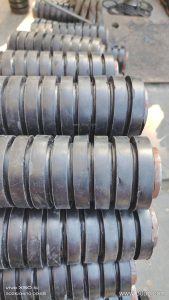
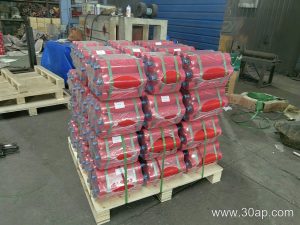
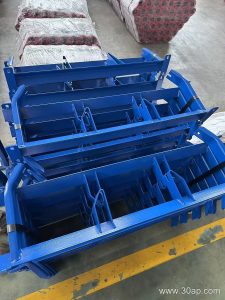
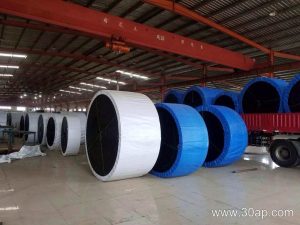
A coal conveyor belt is the rubber or fabric‑based carrying surface used to move coal from one point to another on a belt conveyor system. It works together with conveyor pulleys, idler rollers, and conveyor brackets to form a continuous transport loop. In coal mines, power plants, ports, and cement plants, this belt is the main contact surface for bulk material, so its construction and grade must match the duty.
The product is often called a coal conveyor belt, coal mining conveyor belt, or mining conveyor belt. These names refer to the same family of heavy‑duty belts built for coal and similar bulk materials.
Construction and Common Types
Most coal conveyor belts use a fabric core or steel cord carcass covered with rubber. The carcass provides tensile strength, while the cover rubber protects against abrasion, impact, and in some cases fire. Common carcass options include EP (polyester‑nylon) fabric, NN (nylon‑nylon) fabric, and steel cord conveyor belt for higher tension and longer runs.
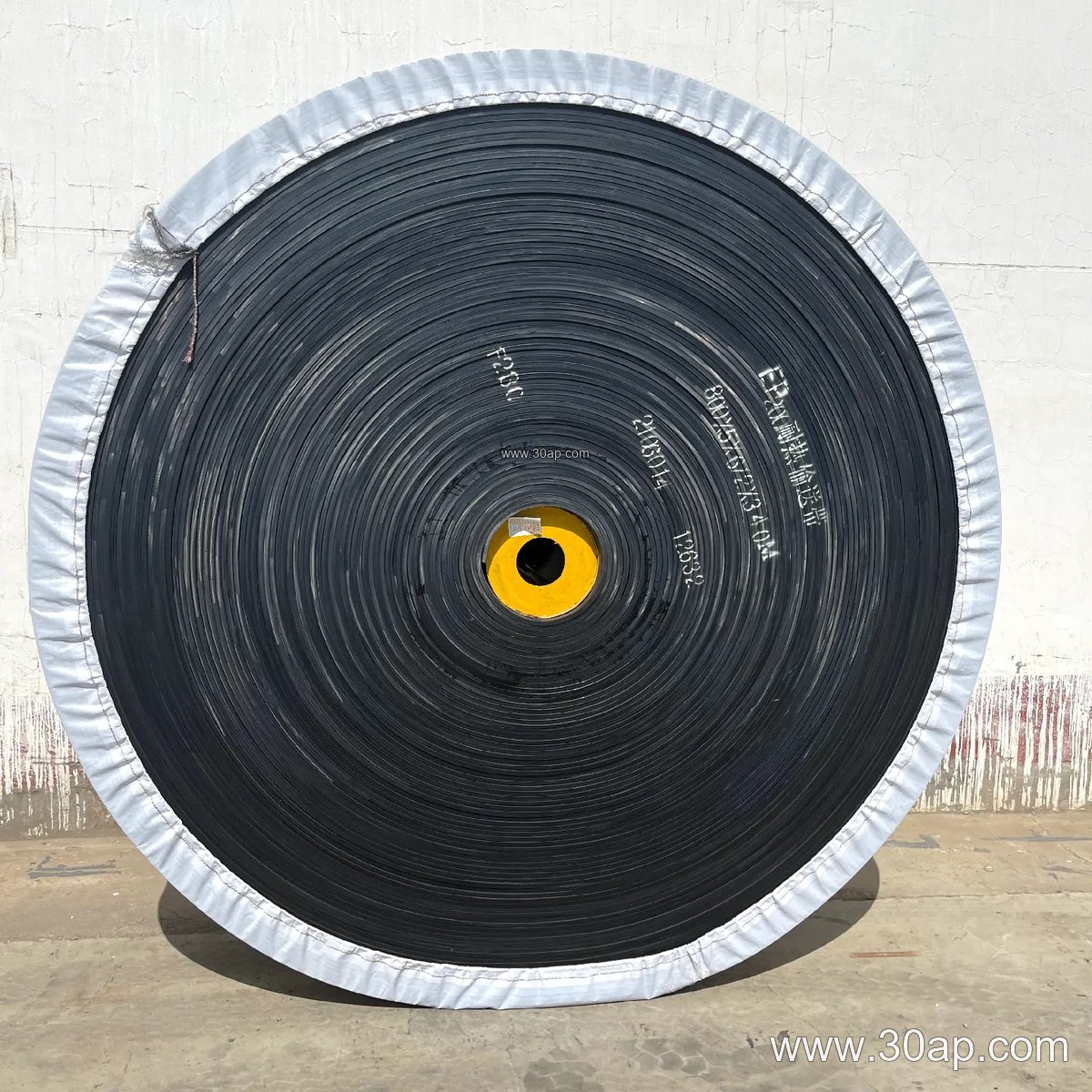
For underground coal mining, flame retardant and anti‑static properties are often required. A typical choice is PVG conveyor belt (polyvinyl chloride with rubber cover), which is common in underground coal mining conveyor belt systems. Surface coal handling may use EP or NN belts with abrasion‑resistant covers, and in some cases a chevron conveyor belt or corrugated sidewall belt helps control material on inclines.
Typical Specifications
Belt width, carcass strength, and cover thickness are selected according to the conveyor design, coal lump size, throughput, and incline. The table below shows common reference values; actual supply depends on the manufacturer and project requirements.
| Parameter | Common Reference Range | Notes |
|---|---|---|
| Belt width | B500, B650, B800, B1000, B1200, B1400, B1600, B1800, B2000 | Wider belts suit higher capacity; not tied to one pulley size |
| EP carcass strength | EP200, EP315, EP400, EP500, EP630, EP800, EP1000, EP1250, EP1600, EP2000 | Higher grades for longer or more loaded conveyors |
| Cover thickness | 3+1.5, 4+2, 5+2, 6+2, 8+3 mm | Top cover + bottom cover; thicker covers for abrasive coal |
| Fabric plies | 2 to 6 layers | Typical for EP and NN belts; steel cord belts use cord construction instead |
These values are for reference only and should be confirmed against the conveyor design. A belt width does not dictate a single pulley diameter, and shaft size is determined by the pulley manufacturer based on load and design.
Where It Is Used
Coal conveyor belts appear in underground coal mining, surface mines, coal preparation plants, power stations, steel plants, cement plants, and port loading facilities. In a coal‑fired power plant, the belt feeds coal from stockpile to bunker; in a coal mine, it may run on a underground mining conveyor belt system with flame‑retardant requirements. The same belt type can also handle coke, limestone, and other bulk materials in cement and aggregate operations.
Buyer Checklist
- Confirm the required flame retardant and anti‑static standard for the site, especially underground coal mining.
- Match carcass strength (EP, NN, or steel cord) to the conveyor length, load, and starting conditions.
- Select cover thickness and rubber grade for abrasion, impact, and moisture; heat‑resistant or oil‑resistant covers are available when conditions demand.
- Check belt width against the existing conveyor frame, idler roller spacing, and pulley dimensions.
- Ask for the manufacturer’s data sheet for the specific belt grade, and verify splice method and edge condition.
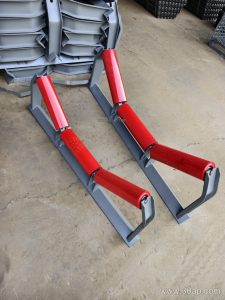
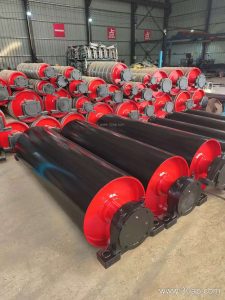
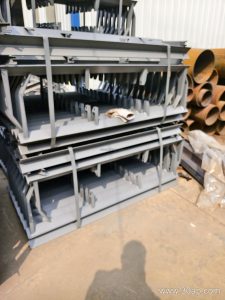
For coal handling, the belt is only one part of the system. Proper alignment of conveyor pulleys, free‑running idler rollers, and sturdy conveyor brackets all affect belt life. A well‑matched coal conveyor belt reduces spillage and downtime in mines, power plants, and cement works.