What a 10mm EP Conveyor Belt Is
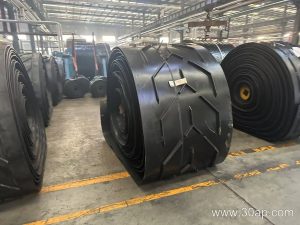
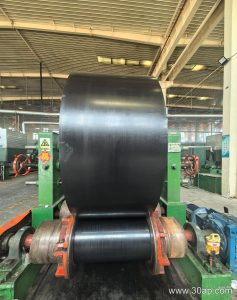
An EP conveyor belt is a fabric-reinforced rubber belt built on polyester-nylon (EP) carcass plies. When buyers specify an EP conveyor belt, 10mm thick, they usually mean the total belt thickness measured through the carcass and covers. That figure matters because it affects pulley wrap, troughability, splice preparation and the load the belt places on idler rollers and conveyor pulleys along the line.
The same product also appears in catalogues as a 10 mm thick EP rubber conveyor belt or a polyester-nylon conveyor belt with 10mm overall thickness. These are equivalent names for the same belt family; they are not different products.
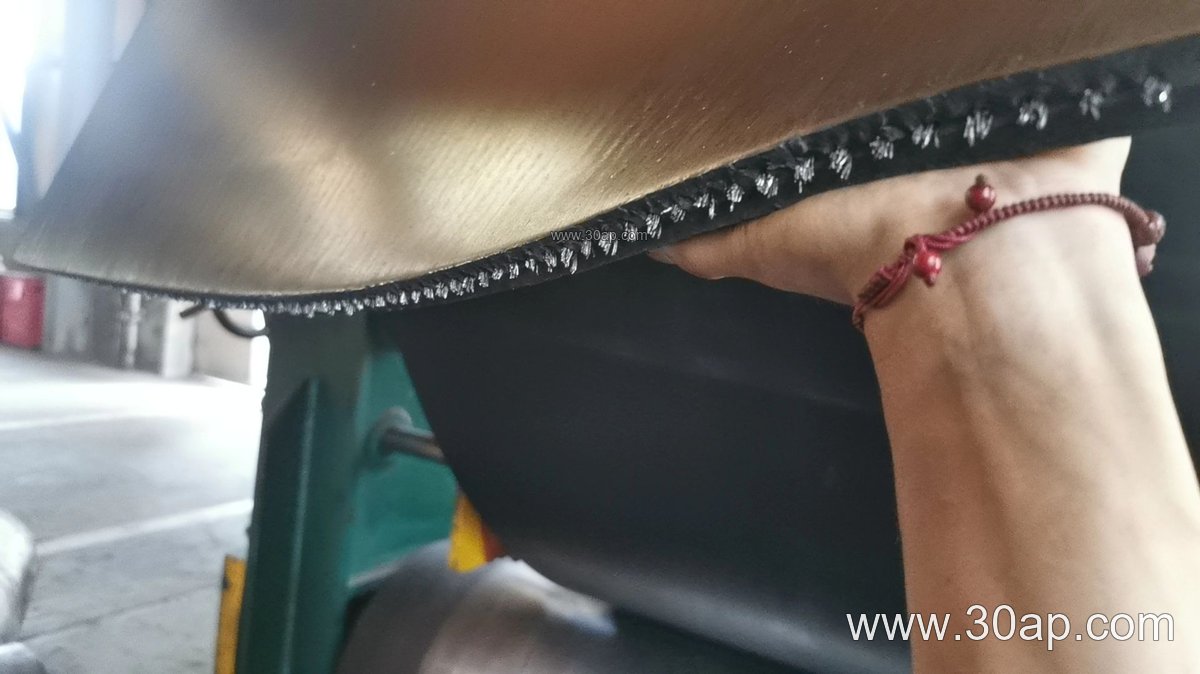
How the Belt Is Built
The carcass is the load-bearing part. EP fabric plies are bonded with rubber skim and friction layers, then covered top and bottom with abrasion-resistant rubber. A 10mm total thickness is commonly reached with a moderate ply count and standard cover gauges, but the split between carcass and covers is set by the manufacturer and by the duty.
- Carcass: usually 2 to 6 EP plies, depending on the required tensile strength.
- Top cover: the wear surface that carries the material.
- Bottom cover: protects the carcass on the return side and against idler roller contact.
- Edges: cut or moulded, and prepared for the chosen splice method.
Because EP fabric stretches less than cotton or NN under load, a 10mm EP belt holds its length well on long centre distances and needs less take-up travel. That is one reason it is common in mining, coal preparation, cement plants, power stations and sand and gravel yards.
Thickness, Strength and Width in Practice
Thickness alone does not define a belt. Two belts at 10mm can differ widely in strength and cover quality. The table below shows typical reference values; actual supply is confirmed by the manufacturer against the conveyor design.
| Parameter | Common reference values | Notes |
|---|---|---|
| Belt type | EP conveyor belt, 10mm thick | Polyester-nylon carcass |
| Tensile strength | EP200, EP315, EP400, EP500, EP630, EP800 | Higher grades exist for heavy duty |
| Belt width | B500, B650, B800, B1000, B1200, B1400 | Matched to tonnage and lump size |
| Cover gauges | 3+1.5, 4+2, 5+2, 6+2 mm | Top + bottom cover |
| Ply count | 2 to 6 layers | Set by strength requirement |
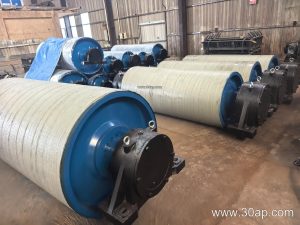
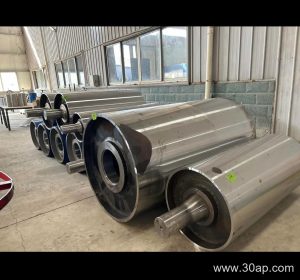
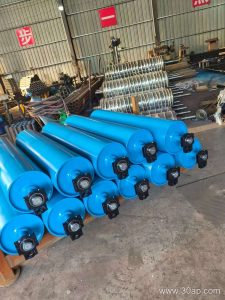
Width and pulley diameter are separate decisions. A B800 belt can run on more than one pulley size, and no single belt width fixes a shaft diameter. Drive pulley, tail pulley and bend pulley diameters are each calculated from belt tension, wrap angle and carcass flexibility, so they should never be treated as interchangeable.
Where It Fits on the Conveyor
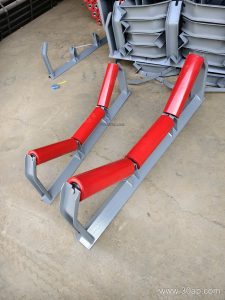
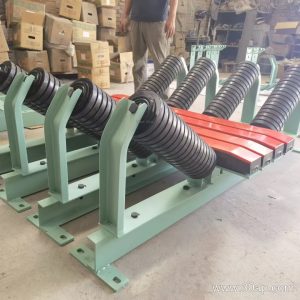
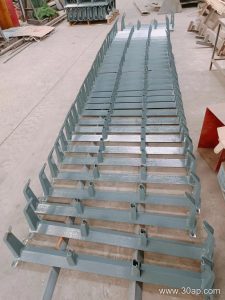
A 10mm EP belt is a general-purpose choice for primary and secondary haulage. In a coal mine it may run on a drift conveyor; in a cement plant it may feed a clinker cooler; in a power plant it may handle limestone; in a sand and gravel yard it may work on a stacker. In all these cases the belt runs over idler rollers on the carrying side, returns on closely spaced return rollers, and passes around the drive pulley, tail pulley and any bend pulley that redirects the route. Conveyor brackets and frames hold these components in alignment, and poor alignment shortens belt life faster than abrasion does.
Selection and Maintenance Points for Buyers
- State the material, lump size, tonnage per hour and incline so the strength grade and cover gauge can be checked together.
- Confirm the required cover compound: abrasion-resistant, heat-resistant, oil-resistant, flame-retardant and antistatic, or cold-resistant grades are available for different duties.
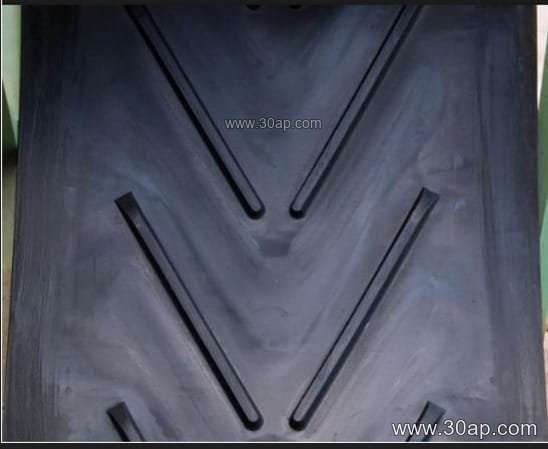
- Check whether the surface should be plain, patterned or chevroned for grip on inclines; these are surface options, not different carcass types.
- Ask for the splice method and edge condition, since a 10mm belt is usually spliced hot or mechanically and the preparation differs.
- Inspect idler rollers for seizure and check pulley lagging, because a dragging roller can wear through a cover in weeks.
- Keep the belt tracking straight through the tail pulley and bend pulley; edge damage usually starts with misalignment.
For comparison only, NN nylon belts are also used in similar duties, but the EP carcass generally offers lower elongation. The choice should follow the conveyor design rather than habit. A 10mm EP conveyor belt is a sound starting point for many medium-duty lines, provided the strength grade, cover compound and width are all confirmed against the actual load.