How Does a Conveyor Pulley Resist Abrasive Dust in a Quarry?
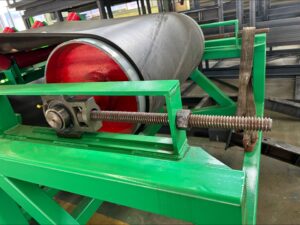
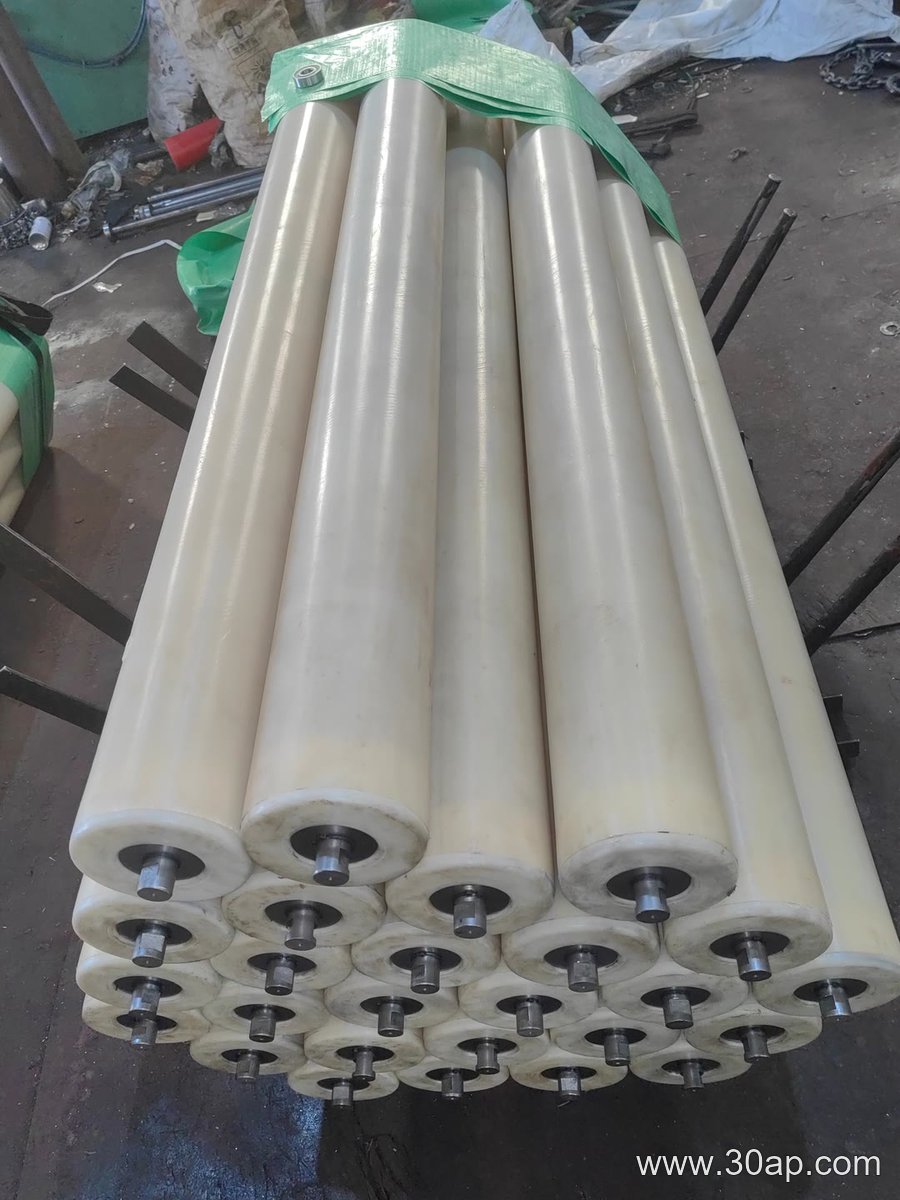
In a dusty quarry, a conveyor pulley faces constant abrasion from grit between the belt and shell. The key capability is abrasion resistance, achieved through hardened lagging and sealed bearings.
Design Checks for Abrasion Resistance
- Use thick, vulcanized rubber lagging with high tear strength.
- Specify labyrinth seals to keep dust out of bearings.
- Ensure shell thickness accounts for wear allowance.
These measures extend service life and reduce replacement frequency.
Start With the Duty, Not the Catalog
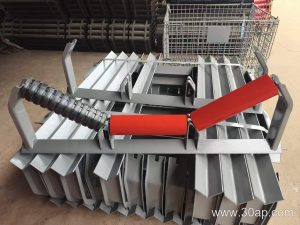
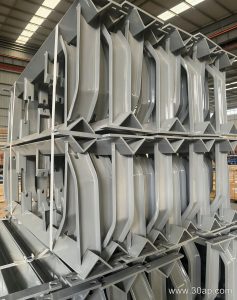
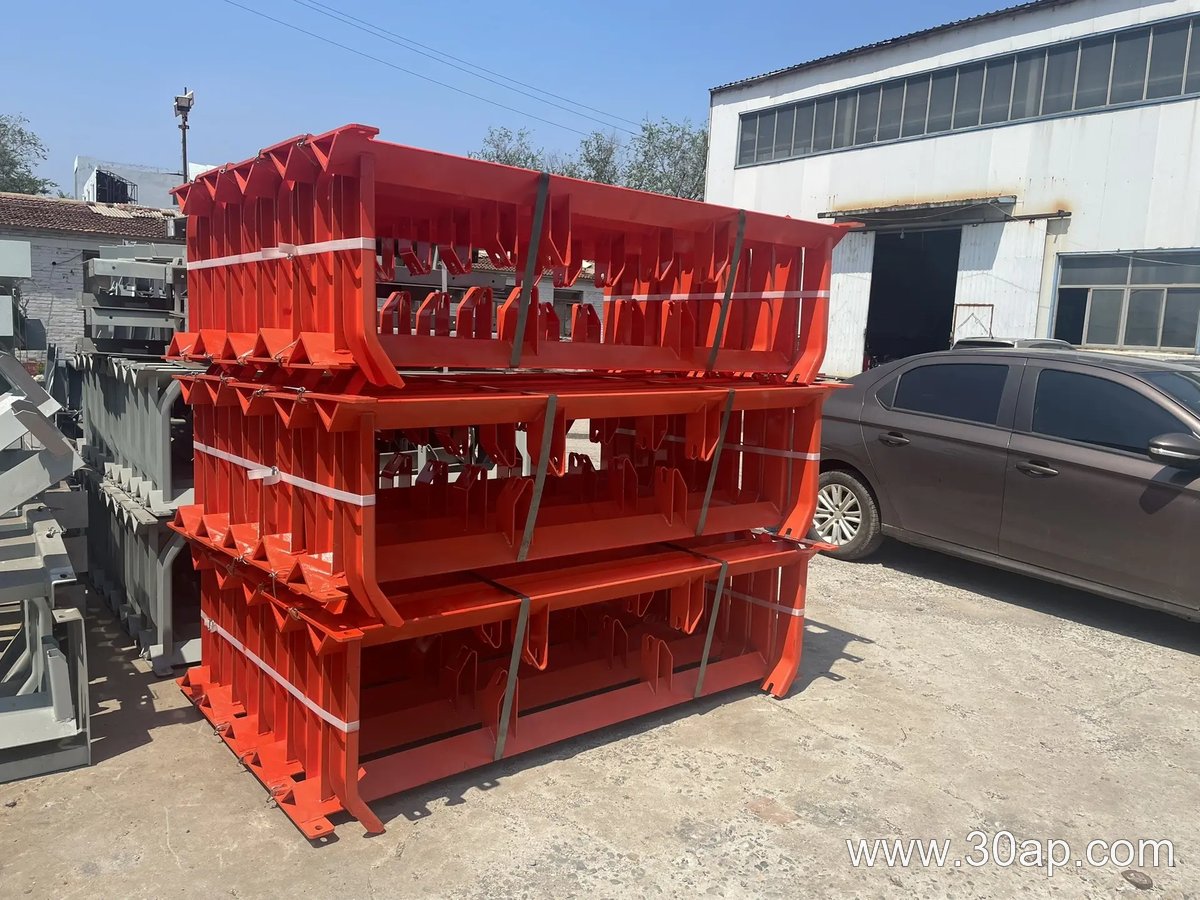
In a mineral-processing plant, a conveyor bracket must survive heat, abrasion and vibration. Selection follows four checks: material, belt speed, temperature and operating conditions.
Four Practical Checks
- Material: carbon steel suits dry, moderate duty; stainless resists corrosion but costs more and can gall at bolted joints.
- Speed: higher belt speeds raise dynamic loads, so brackets need stiffer sections and tighter bolt-hole tolerances.
- Temperature: thermal growth needs slotted holes or expansion allowances to prevent cracking.
- Conditions: dust, slurry splash and washdown dictate shedding geometry and coating.
Match the bracket to the worst condition, not the average. A hypothetical hot clinker line may need a heat-tolerant bracket with slotted mounting, while a wet tailings line favors a corrosion-resistant design.
FAQ
Can one bracket type serve the whole plant? Rarely. Different zones impose different loads and environments.
What is the first specification to fix? The mounting interface and idler fit, because the bracket must align with the existing frame.
When a Straight Run Is Not Enough
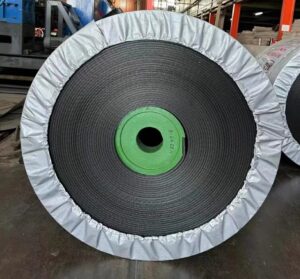
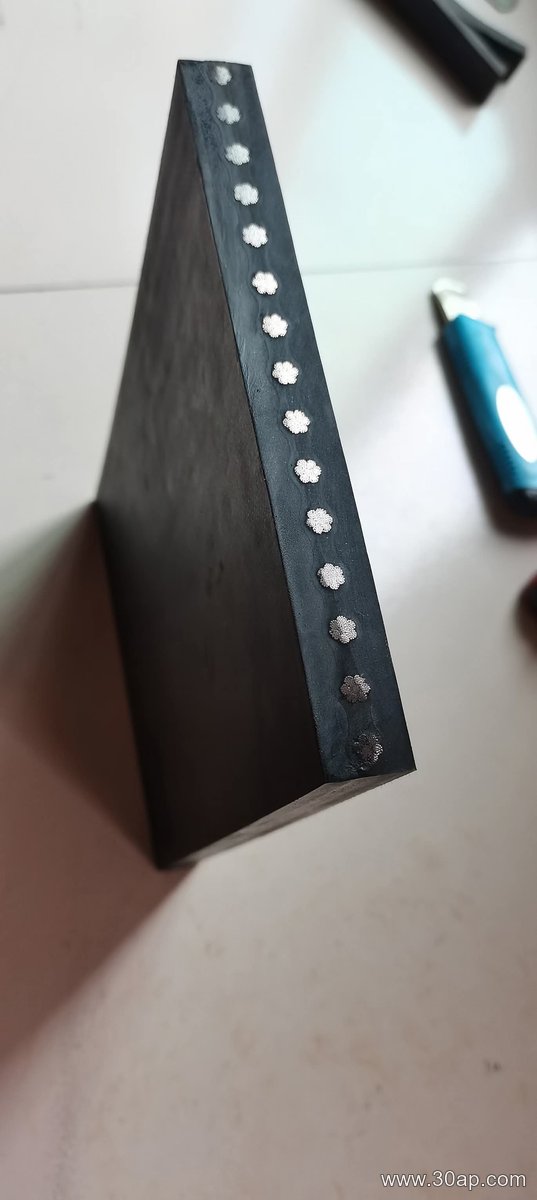
A conveyor belt normally follows a straight path. A 90-degree turn at a mid-line transfer creates edge stress, belt lift, and spillage risk. The trade-off is between using two straight conveyors with a transfer chute or one curved conveyor belt.
What the Conveyor Belt Must Do
- Resist edge stretch on the inside radius
- Maintain trough shape through the curve
- Keep tracking without excessive idler banking
In a hypothetical general manufacturing line, a fabric conveyor belt with balanced warp and weft can handle gentle curves. Sharper turns usually favor two straight runs.
What does the 20 degree troughing angle change for an idler roller
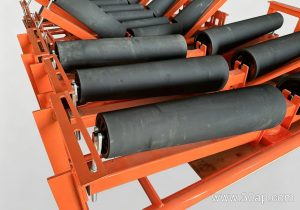
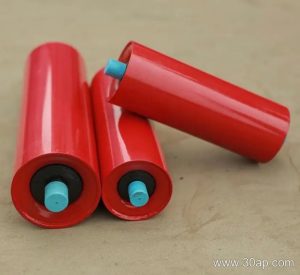
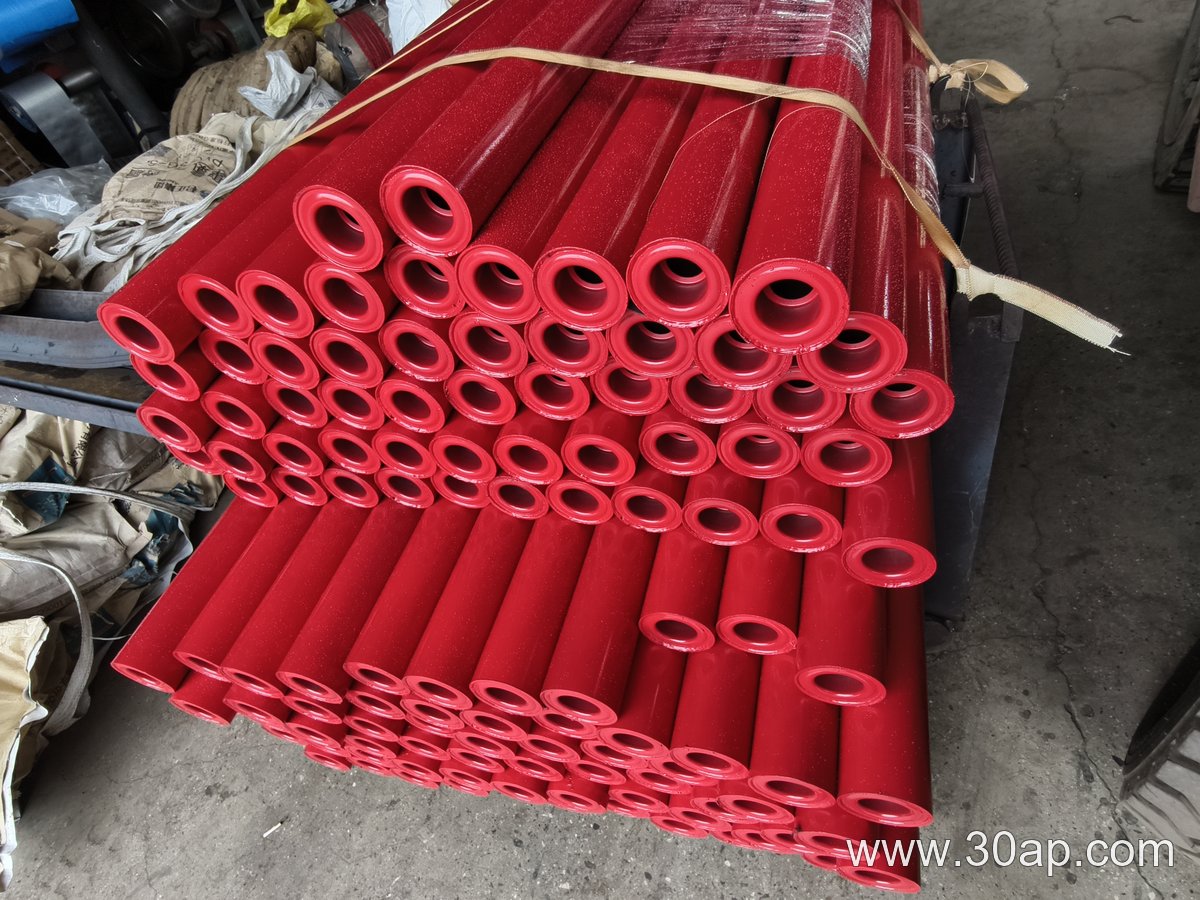
A bulk port terminal handling iron ore fines often specifies a 20 degree troughing idler roller instead of the common 35 degree arrangement. The trough angle is the angle between the horizontal centre roller and the inclined wing rollers. A shallower angle spreads the belt into a wider, flatter trough, so the idler roller contacts a longer arc of belt with lower normal pressure at each contact point.
How the angle affects the engineering decision
Lower contact pressure reduces indentation rolling resistance and belt cover wear, which matters when the belt carries sharp, dense material at high tension. The trade-off is a smaller material cross-section and a higher risk of spillage if the belt is overloaded. The engineer must therefore check that the reduced capacity still meets the terminal’s design tonnage before choosing the shallower idler roller.
- Confirm belt width and lump size suit a 20 degree trough.
- Verify the idler roller bearing load stays within its rated dynamic capacity.
- Check that transition distances allow the belt to form the trough without edge stress.