What a Recycling Conveyor Belt Does
A recycling conveyor belt is the moving surface that carries mixed recyclables, sorted fractions, scrap, and residual waste through a recovery plant. It is a heavy-duty conveyor belt chosen for abrasive, sharp, and sometimes wet or oily loads. The belt works with conveyor pulleys, idler rollers, and a conveyor bracket frame to form a complete conveying line. In recycling facilities, the belt often runs at variable speeds and handles material that changes in size and weight from one shift to the next.
Construction and Common Belt Types
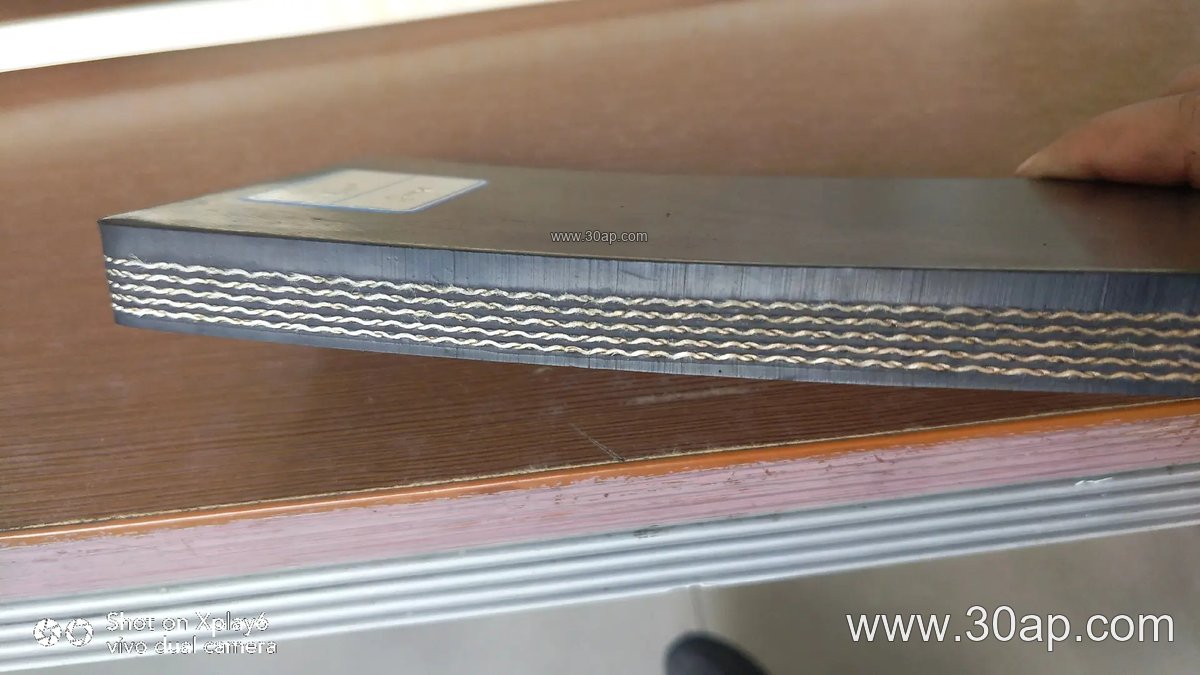
The belt body is usually a fabric-reinforced rubber or PVC/PVG product. The carcass provides strength, while the cover rubber protects against cuts, impact, and wear. For recycling lines that sort construction and demolition debris, a heavy EP conveyor belt or NN nylon conveyor belt is common. Where oil or grease is present, an oil-resistant cover is preferred. For tramp metal and sharp edges, a cut-resistant cover helps extend service life.
Common construction options include:
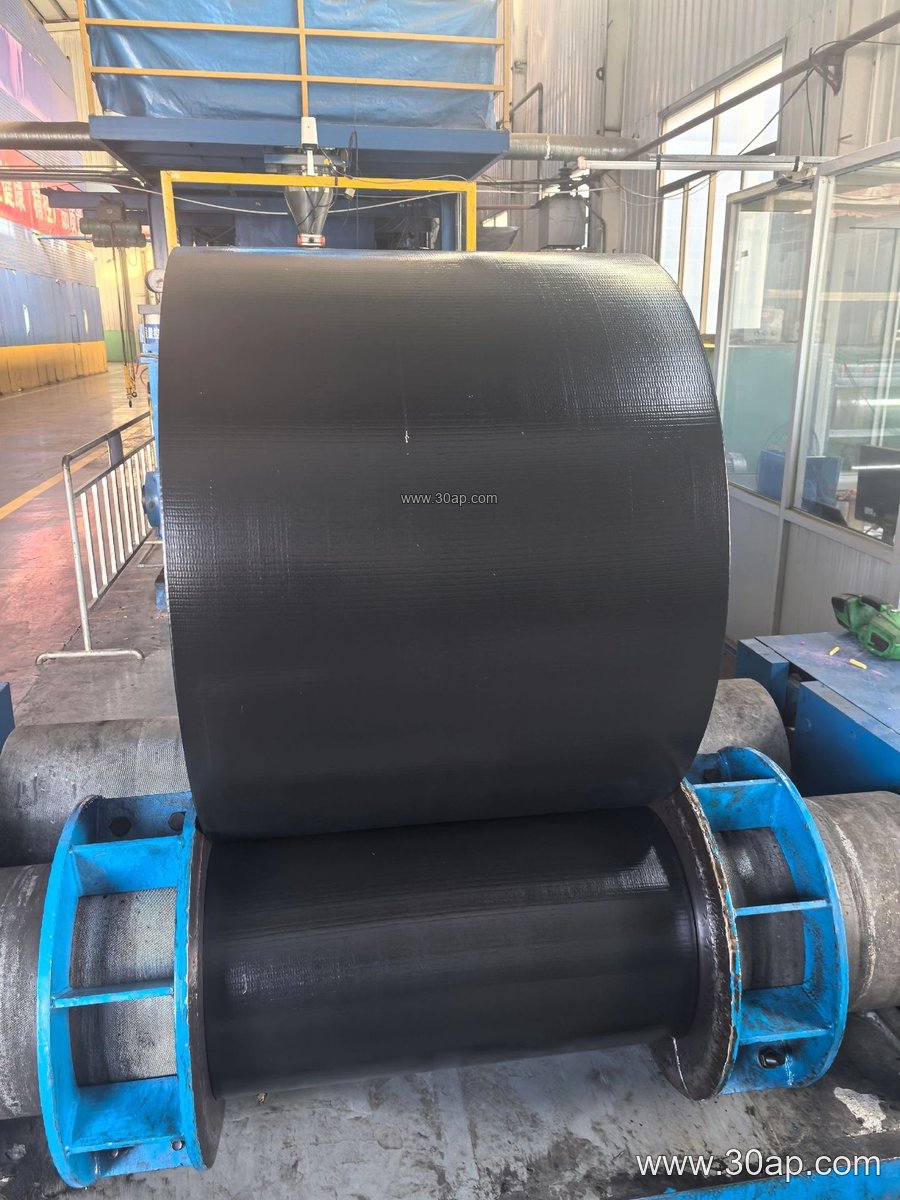
- EP conveyor belt with polyester-nylon carcass, often in grades such as EP200, EP400, EP630, or EP800 for general recycling duty.
- NN nylon conveyor belt for good flexibility and impact resistance.
- PVC or PVG belt for lighter fractions and where fire resistance or static control is needed.
- Cover rubber thickness such as 3+1.5 mm, 4+2 mm, or 5+2 mm, depending on abrasion and impact.
- Surface patterns such as plain, chevron, or cleated belts for inclined sorting lines.
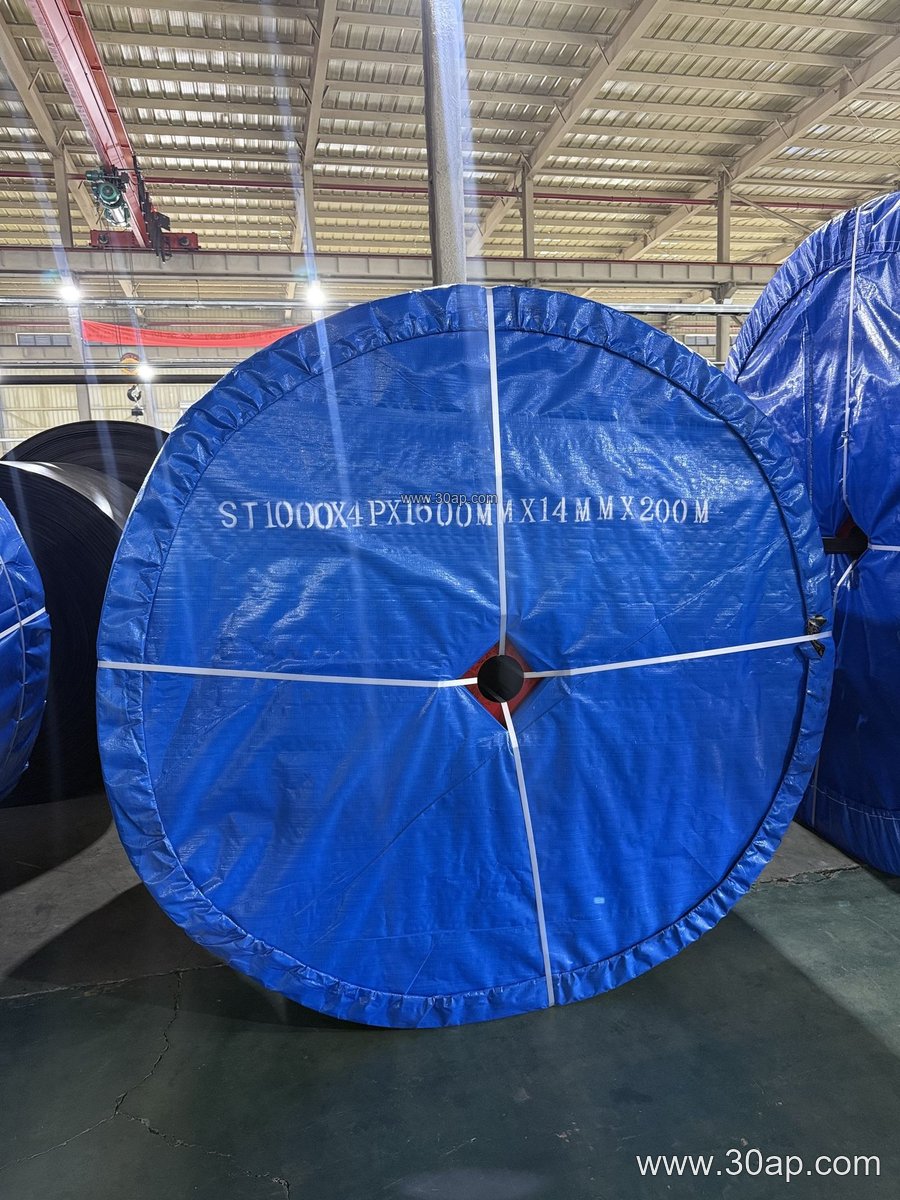
Belt width is matched to the throughput and the largest lump size. Common widths include B500, B650, B800, B1000, and B1200. Wider belts such as B1400 or B1600 may appear on high-capacity municipal waste lines. These are reference sizes; final selection follows the conveyor design.
Where Recycling Conveyor Belts Are Used
These belts appear in material recovery facilities, construction and demolition sorting plants, scrap yards, compost sites, and waste-to-energy feed lines. They also serve in related industries such as mining, cement plants, power plants, and sand and gravel yards where similar abrasive loads are handled. In a recycling plant, the belt may feed a trommel, a magnetic separator, an eddy current unit, or a manual sorting station. Each position places different demands on the belt cover and carcass.
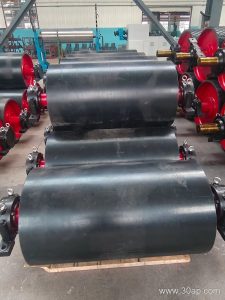
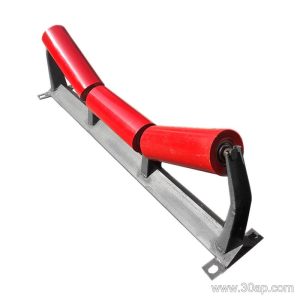
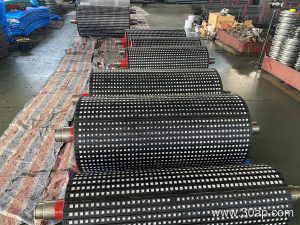
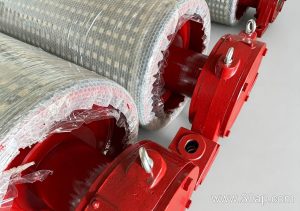
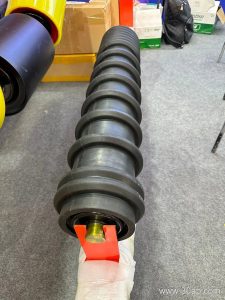
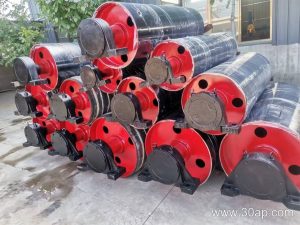
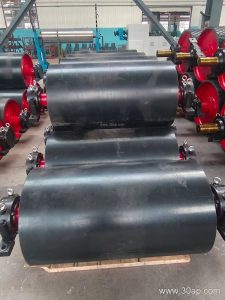
The belt does not work alone. Conveyor pulleys drive and tension the belt, idler rollers support the carrying run, and the conveyor bracket holds the structure together. Drive pulleys, tail pulleys, and bend pulleys each have a distinct role and are not interchangeable. A recycling line may use a wing pulley at the tail to shed debris, while a smooth drive pulley runs under the head.
Specification Pointers for Buyers
Buyers should confirm the belt type, carcass grade, cover thickness, and width against the actual conveyor design. The table below lists common reference values, not fixed supply promises.
| Parameter | Common Reference Values |
|---|---|
| Belt type | EP, NN nylon, PVC, PVG, oil-resistant, flame-retardant |
| Strength grade | EP200, EP315, EP400, EP500, EP630, EP800, EP1000 |
| Belt width | B500, B650, B800, B1000, B1200, B1400 |
| Cover thickness | 3+1.5 mm, 4+2 mm, 5+2 mm, 6+2 mm |
| Carcass layers | 2 to 6 layers, depending on duty |
| Surface form | Plain, chevron, cleated, wave-sidewall |
Do not assume that one belt width matches only one pulley diameter. Pulley size is set by the conveyor designer based on belt tension, carcass flexibility, and shaft load. Shaft diameter is also a design result, not a fixed number taken from belt width alone.
Installation and Maintenance Notes
Proper tracking saves belt life. Check that idler rollers are aligned and turn freely, and inspect conveyor pulleys for buildup that can cause mistracking. Keep the belt cleaner and skirt rubber adjusted so material does not lodge under the belt. For chevron or cleated belts, confirm the drive pulley and bend pulley are compatible with the pattern height. Store spare belts flat and away from direct sunlight. During operation, watch for edge wear, cover gouges, and splice separation, and repair small damage before it reaches the carcass.
A recycling conveyor belt is a wear part, so selection should balance abrasion resistance, oil resistance, and impact strength against the actual waste stream. Matching the belt to the conveyor pulleys, idler rollers, and frame avoids premature failure and keeps the sorting line running.