What Causes Premature Corrosion on a Wet Outdoor Conveyor Bracket
Operating a conveyor bracket in an unshielded, moisture-rich environment introduces persistent oxidation challenges. Rain, humidity, and washdown cycles create an electrolyte-rich film over exposed steel surfaces, accelerating electrochemical corrosion. When protective coatings break down around bolt holes or welded joints, rust can creep beneath the finish and compromise structural thickness over time.
To combat this deterioration, engineers frequently evaluate surface preparation techniques such as hot-dip galvanizing or applying multi-layer industrial epoxy coatings. Regular inspections should target crevice zones where stagnant water can pool, ensuring that minor surface rust is treated with rust-converting primers before structural cross-sections are diminished.
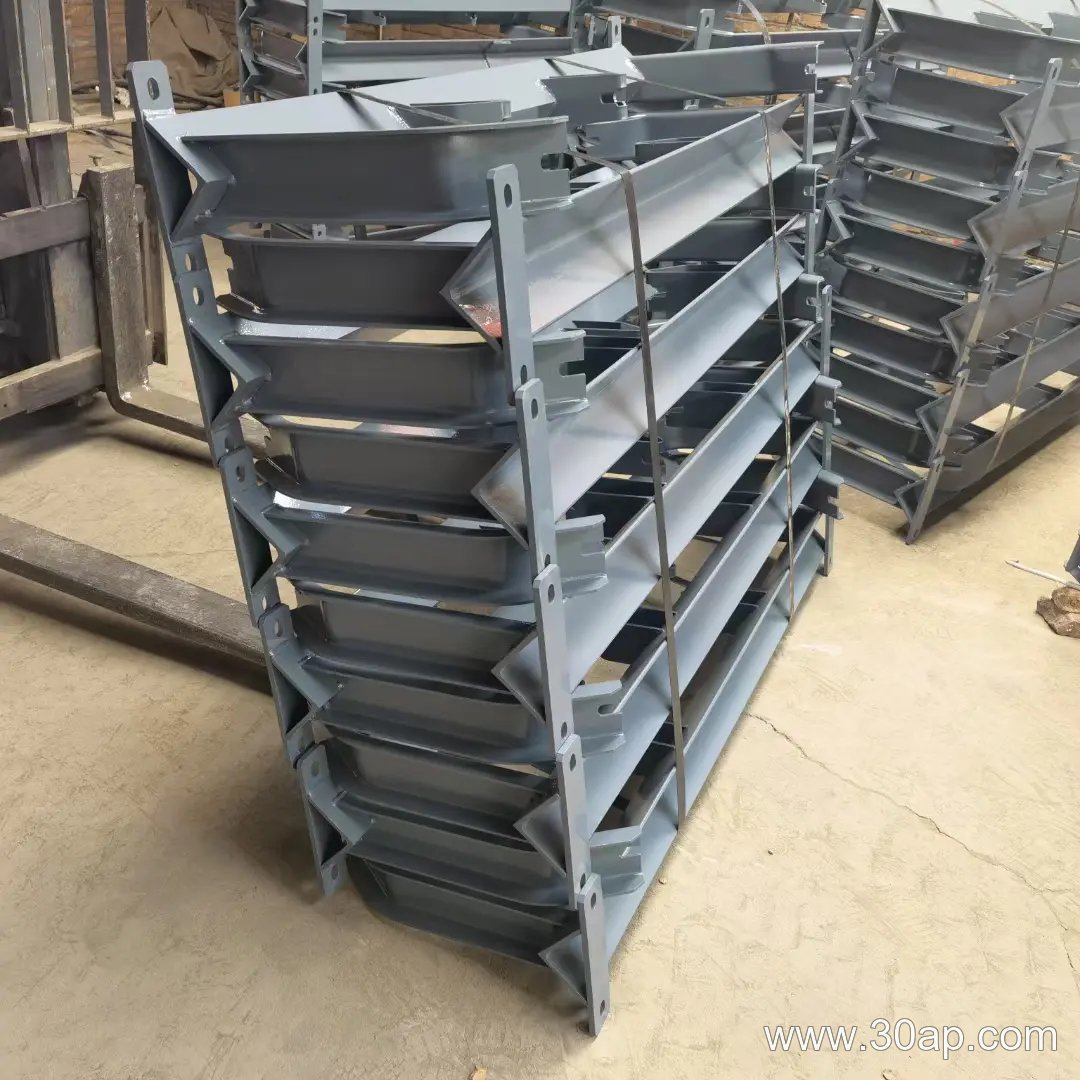
How Do Dynamic Loads Affect Fastener Torque on a Conveyor Bracket
A heavy-duty conveyor bracket is constantly subjected to cyclic vibrations generated by rotating idler rolls and moving bulk materials. These vibrations tend to induce micro-movements between mating surfaces, which can gradually loosen mounting bolts if adequate locking mechanisms are absent. Once a fastener loses its initial clamping force, impact shock loads transfer directly to the bolt threads, raising the risk of fatigue failure.
Mitigating fastener loosening requires more than standard tightening during initial setup. Maintenance crews often integrate spring lock washers, nylon-insert lock nuts, or thread-locking adhesives designed for heavy machinery. Periodic torque checks using calibrated wrenches help verify that every conveyor bracket remains rigidly anchored to the stringer channel throughout its operational lifecycle.
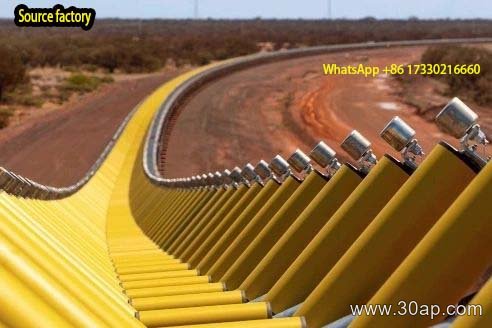
Why Does Misalignment Happen During Conveyor Bracket Installation
Achieving precise belt tracking depends heavily on the initial positioning of every conveyor bracket along the structural frame. If mounting holes have excessive clearance or if installers rely solely on visual alignment without measuring tools, individual brackets can skew slightly off-axis. Even a fraction of a degree in angular deviation forces the belt to drift toward one side, generating uneven edge wear and excessive friction.
Correcting this condition involves loosening the mounting hardware and using string lines or laser alignment gauges to square each conveyor bracket relative to the primary belt centerline. Ensuring strict adherence to geometric tolerances during installation prevents chronic mistracking and reduces the need for constant, reactive adjustments.
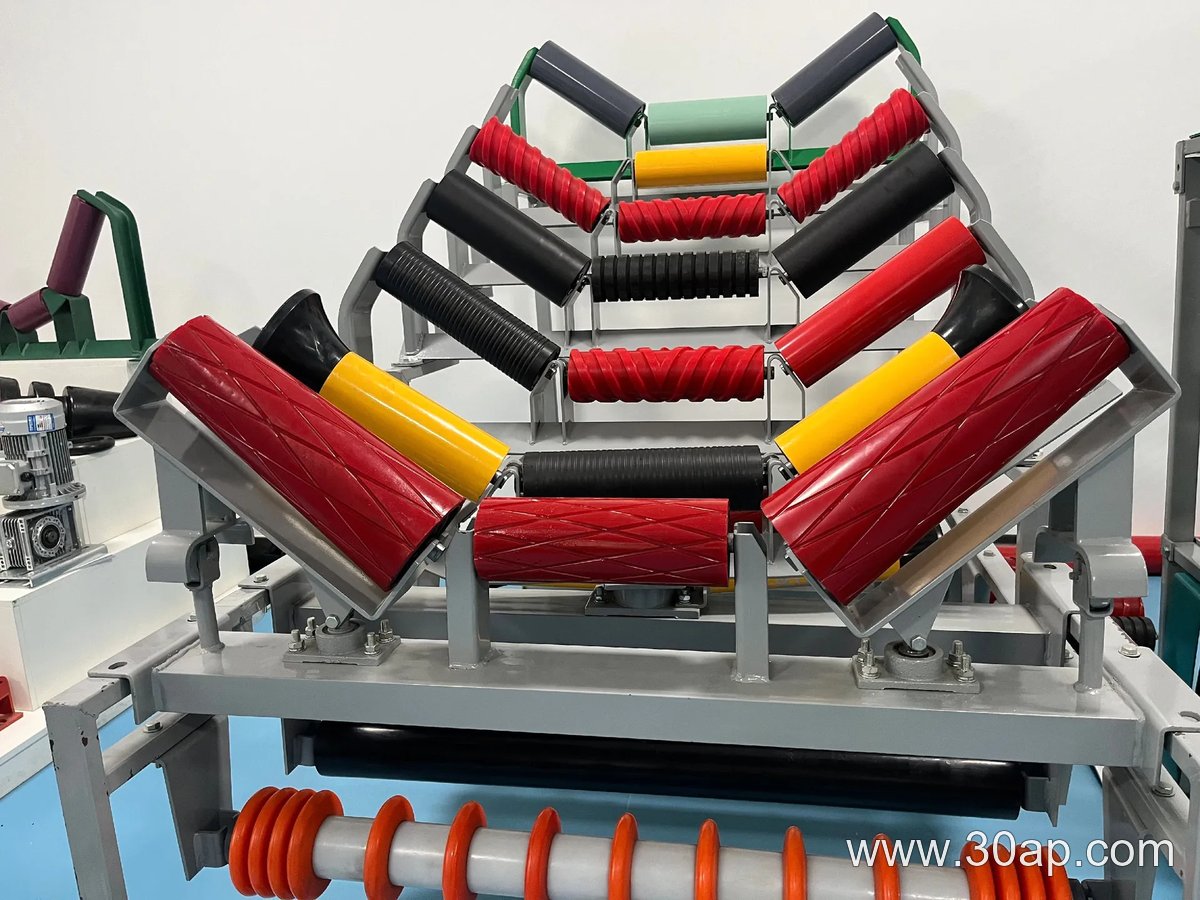
What Are the Key Inspection Signs That a Conveyor Bracket Requires Replacement
Detecting structural degradation early prevents catastrophic conveyor failures. Technicians should look for visible distortion, such as bending in the support arms or cracking in the welded gussets of a conveyor bracket. Severe material thinning caused by abrasive slurry or chemical exposure also signals that the component has exceeded its safe working margin.
- Inspect welded joints for hairline cracks propagating under cyclic stress.
- Measure remaining wall thickness in high-wear corrosion zones.
- Check for elongation or ovalization in bolt mounting slots.
- Verify that idler mounting slots remain flat and free from severe impact gouges.
When these physical abnormalities are identified, immediate replacement of the affected conveyor bracket is necessary to maintain proper load distribution and safeguard surrounding mechanical assemblies.