What a Four-Roll Idler Bracket Does
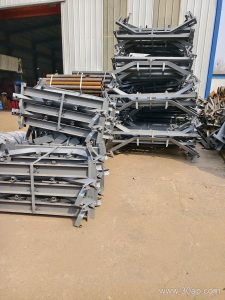
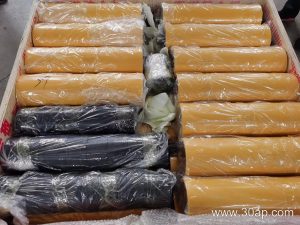
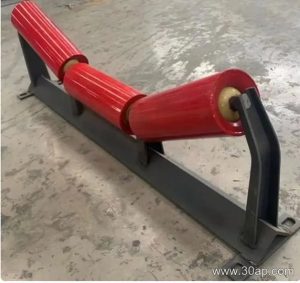
A four-roll idler bracket is a support frame that carries four idler rollers under a conveyor belt. Unlike a conventional three-roll troughing set, this bracket uses two side rolls and two centre rolls, which distributes the load across a wider contact area. The result is better belt support in high-capacity zones such as a coal mine transfer point, a cement plant clinker line, or an iron ore stockyard. The bracket itself is often called a four-roll idler frame, and both names refer to the same assembly.
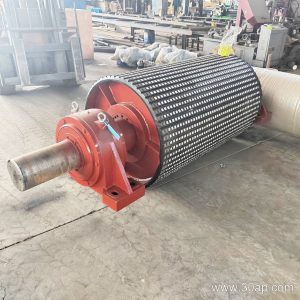
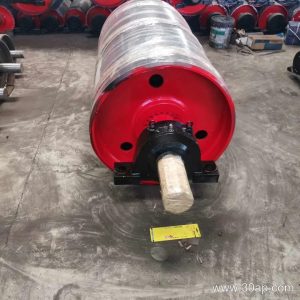
It is not a drive pulley, a tail pulley, or a bend pulley. Those components transmit power or change belt direction. The four-roll idler bracket simply holds idler rollers in position so the conveyor belt can run smoothly.
Construction and Common Materials
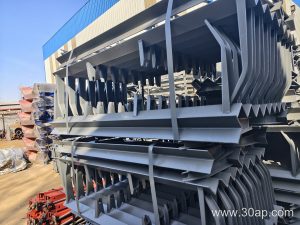
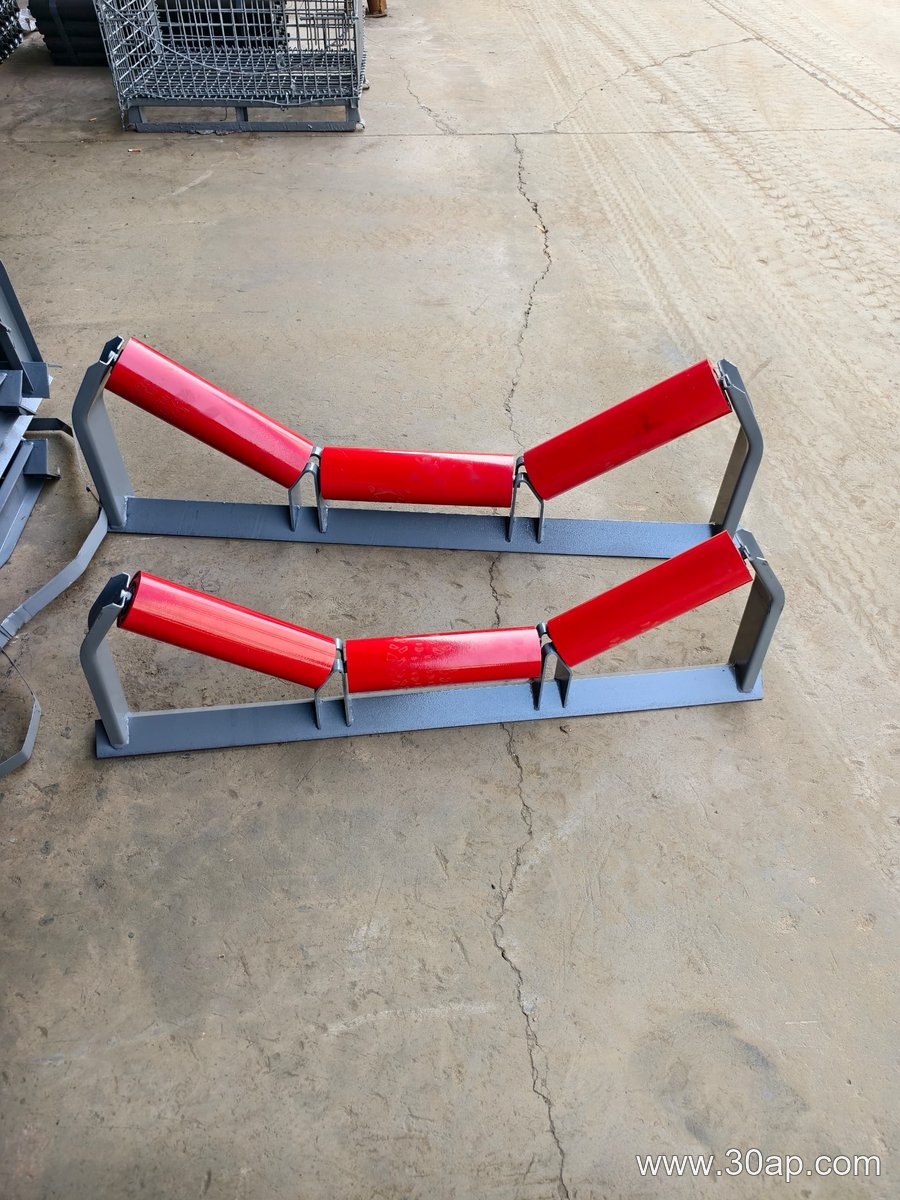
Most four-roll idler brackets are fabricated from angle steel, channel steel, or folded steel plate. The choice depends on the load and the belt width. A typical frame includes a cross beam, two side wings, and mounting slots for the idler shafts. The trough angle is fixed at manufacture or adjustable on site. Common trough angles for this bracket are 20, 30, 35, and 45 degrees. Adjustable versions allow the operator to change the trough angle between these values to suit the material being carried.
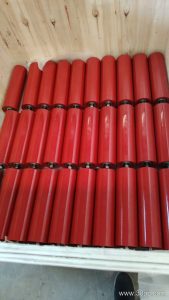
Roller diameters usually range from Ø89 to Ø194, with Ø108, Ø133, and Ø159 being frequent choices. Belt widths from B650 to B2000 are supported by different bracket sizes. The mounting hole spacing and beam length change with belt width and trough angle, so they are not universal. A B800 frame will not fit a B1400 conveyor without modification.
Where It Fits in a Conveyor System
Four-roll idler brackets are found in bulk handling operations such as coal mines, power plant coal yards, sand and gravel lines, and fertilizer silos. They are often used at loading points where the belt receives a heavy impact, or along the carrying side where material is fine and the belt needs extra support. In a crushing and screening plant, they help keep the conveyor belt aligned and reduce spillage.
For comparison, a three-roll troughing bracket is lighter and more common on standard conveyors. A four-roll bracket is chosen when the belt is wide, the material load is heavy, or the user wants a lower profile between rolls. It is not a replacement for a conveyor pulley or a bend pulley; those parts serve different functions.
Selection Points for Buyers
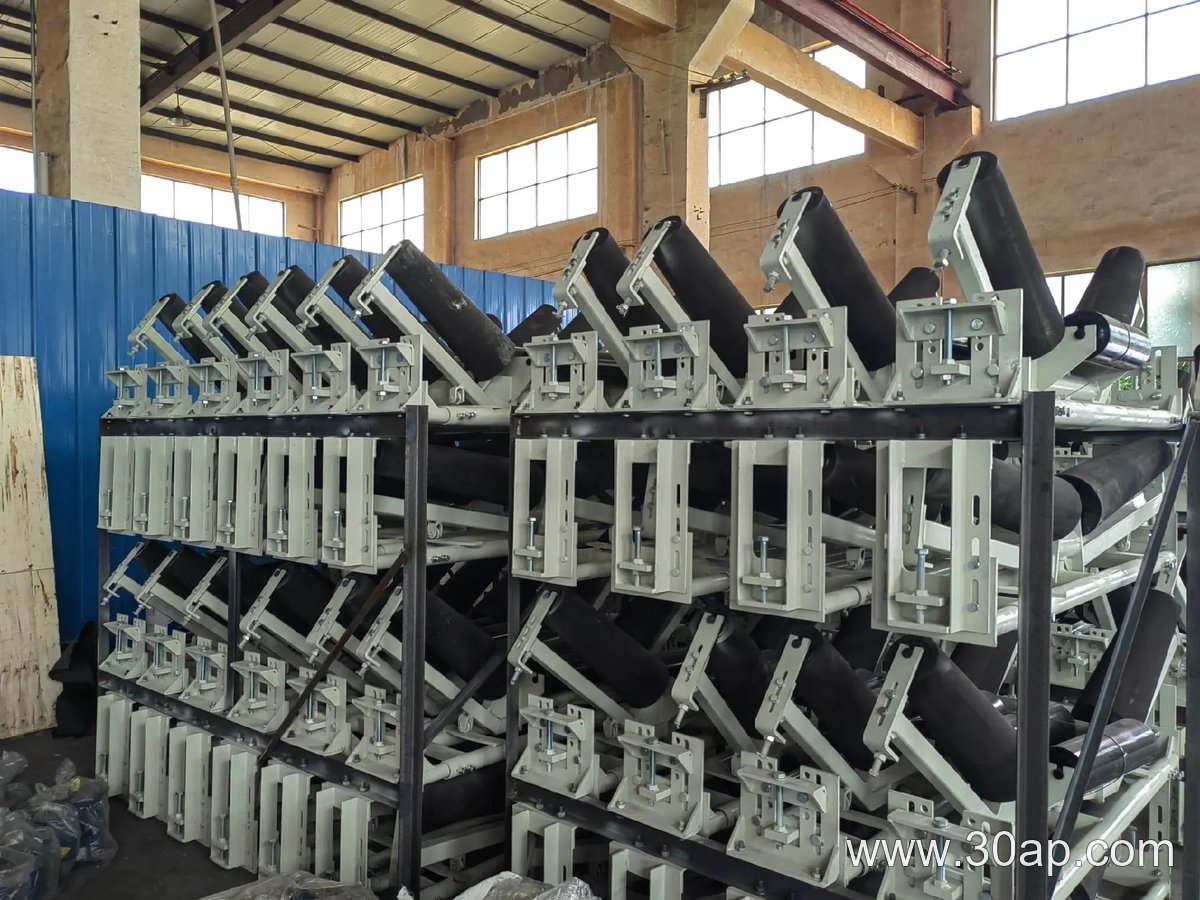
When selecting a four-roll idler bracket, confirm the belt width, the required trough angle, and the roller diameter. Also check the mounting dimensions on the conveyor stringer. The table below lists common reference combinations, but they are not mandatory pairings.
| Belt Width | Trough Angle | Roller Diameter | Typical Use |
|---|---|---|---|
| B650 | 30 degrees | Ø89 | Small sand and gravel line |
| B800 | 35 degrees | Ø108 | Cement plant raw material |
| B1000 | 35 degrees | Ø133 | Coal mine main haulage |
| B1200 | 45 degrees | Ø133 | Iron ore stockyard |
| B1400 | 45 degrees | Ø159 | Power plant coal conveyor |
| B1600 | 45 degrees | Ø159 | Large port terminal |
Buyers should also consider the material of the bracket. Folded steel plate can be lighter than channel steel but may need extra reinforcement. Angle steel is easy to weld and repair. For corrosive environments, a suitable surface treatment is important, though no single coating suits every site.
Maintenance and Compatibility
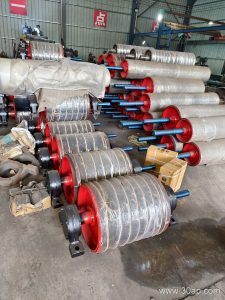
A four-roll idler bracket works together with conveyor idler rollers and the conveyor belt. Worn rollers should be replaced before they damage the bracket or the belt. Check that the idler shafts fit the bracket slots correctly and that the trough angle matches the belt training. If the bracket is adjustable, recheck the setting after any roller change.
Do not confuse this bracket with a return bracket or a V-return bracket. Those are used on the return side of the belt. The four-roll idler bracket is primarily a carrying-side component. For a conveyor pulley or a drive pulley, consult the respective product data. The four-roll idler bracket remains a support item, and its correct selection depends on belt width, load, and site conditions.