What a Conveyor Carrying Bracket Does
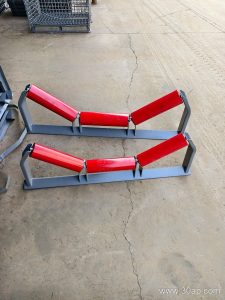
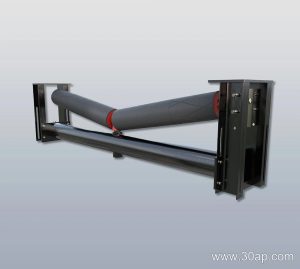
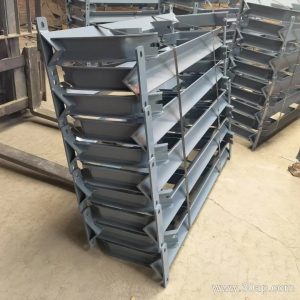
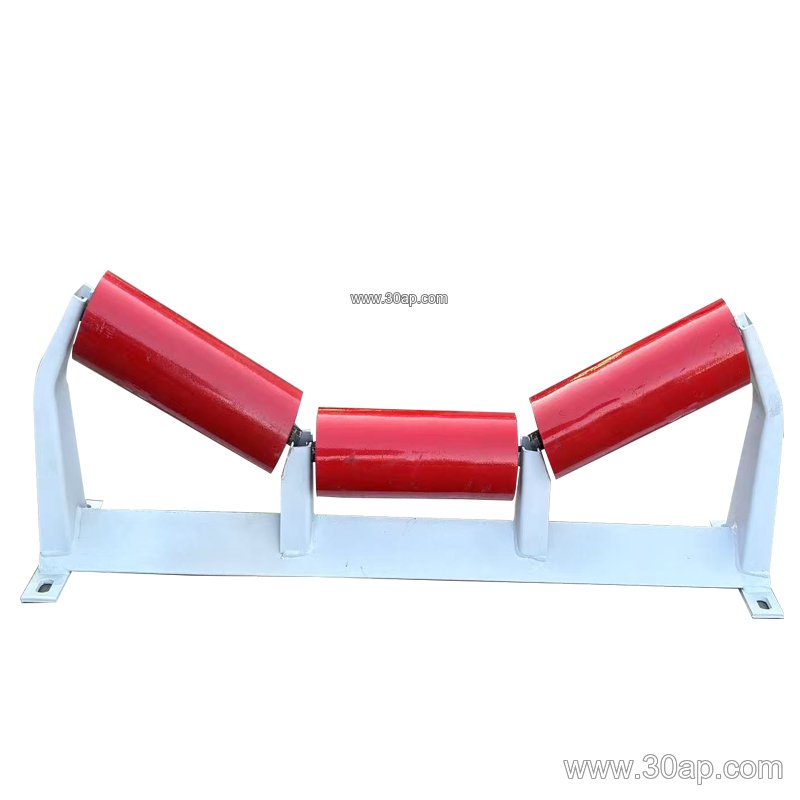
A conveyor carrying bracket is the steel support that holds the troughing idlers on the load-bearing side of a belt conveyor. It sits between the conveyor frame rails and positions each idler at the chosen trough angle so the conveyor belt forms a stable channel for the material. On a quarry or crushing line the bracket is often the part that decides how well the belt tracks, how much spillage occurs, and how quickly idlers can be replaced during maintenance.
The same component is also called a carrying idler bracket, and in some drawings an upper trough bracket. These names describe the same item: the frame-mounted support under the carrying idlers, not the pulley at the head or tail of the conveyor.
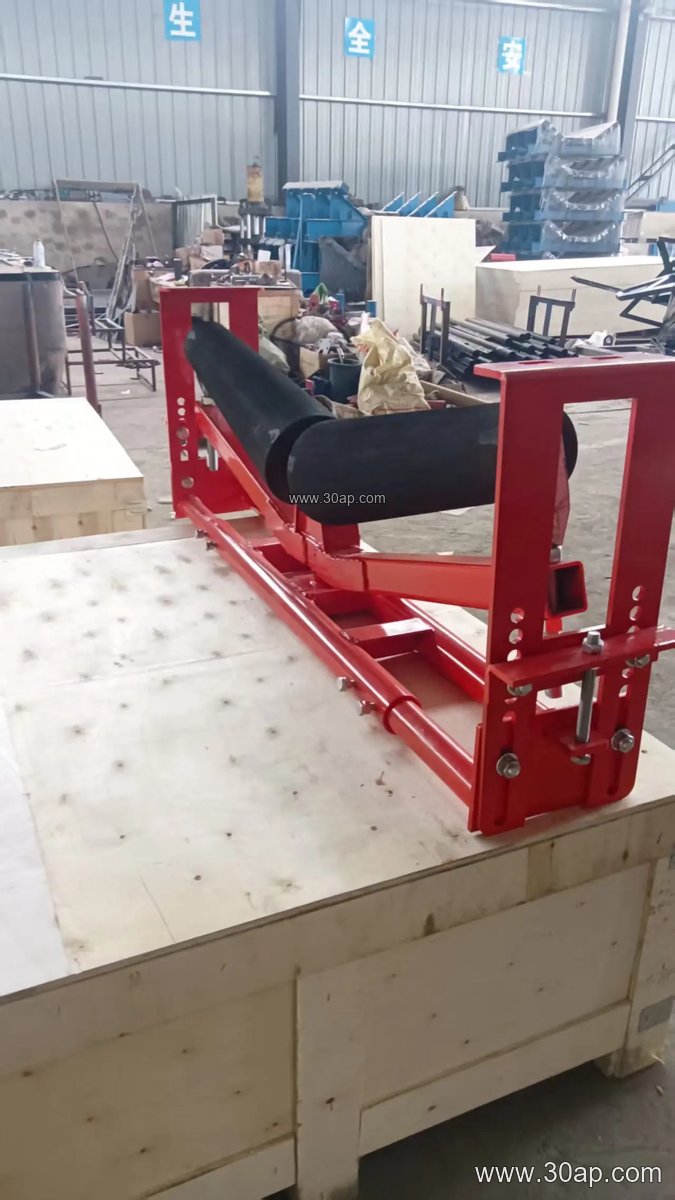
Construction and Materials
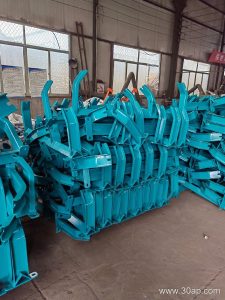
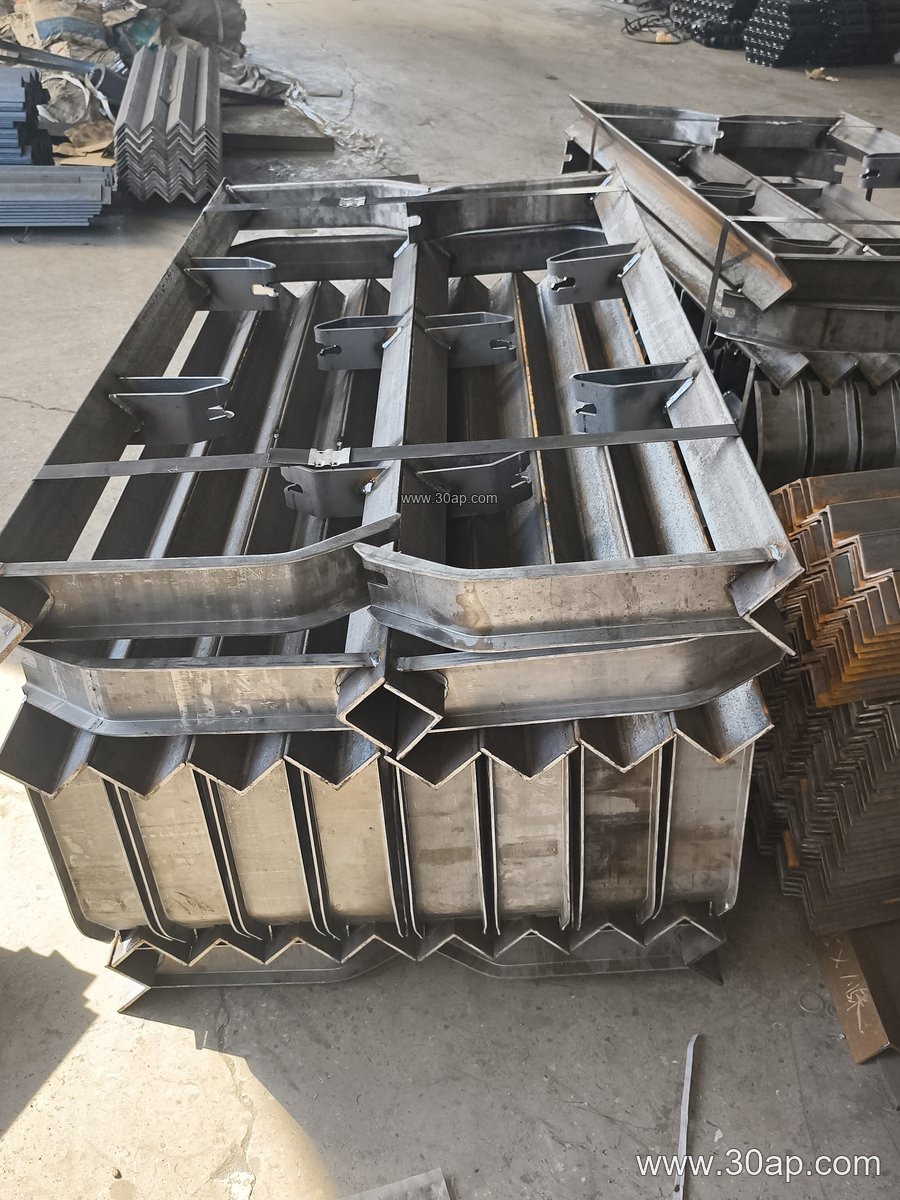
Most units are fabricated from angle steel, channel steel, or folded steel plate. The bracket usually has a crossbeam with mounting slots or holes for the idler shafts, plus end plates or feet that bolt to the conveyor frame. Welded or bolted designs both exist. A bolted design allows the trough angle to be changed later, while a welded fixed bracket keeps a single angle for the life of the installation.
Common trough angles are 20, 30, 35 and 45 degrees. Adjustable brackets can move between some of these angles, which helps when a cement plant or power station coal yard handles more than one material. Forward-leaning brackets, tilted about 1.5 to 2 degrees, are used where belt training and reduced material shift matter.
Where It Fits in the Conveyor
The carrying bracket works together with the conveyor belt, idler roller and conveyor pulley. The belt rests on the rollers, the rollers sit in the bracket, and the pulley drives or returns the belt. A carrying bracket is not a replacement for a drive pulley, tail pulley or bend pulley; those are separate components with different functions. Likewise, a return bracket supports the belt on the empty side and is not the same as the carrying bracket on the loaded side.
Typical applications include iron ore and limestone mines, coal washing plants, sand and gravel lines, cement plants, power plant coal handling, steel sintering, mixing plants and tunnel muck removal. In dusty or wet conditions, the bracket should allow water and fines to drain away rather than collect around the idler shaft.
Common Reference Sizes
The table below shows reference combinations often seen in design drawings. These are examples, not fixed rules; the correct match depends on belt width, load, material and frame design.
| Belt width | Trough angle | Idler diameter | Typical bracket use |
|---|---|---|---|
| B500 | 20 degrees | Ø89 | Light sand or grain lines |
| B650 | 30 degrees | Ø89 | Small crushing and screening plants |
| B800 | 35 degrees | Ø108 | Quarry and mixing plant conveyors |
| B1000 | 35 degrees | Ø133 | Coal handling and cement raw material |
| B1200 | 45 degrees | Ø133 | Iron ore and heavy aggregate |
| B1400 | 45 degrees | Ø159 | Large mine and port conveyors |
| B1600 | 35 degrees | Ø159 | Power plant coal systems |
| B1800 | 45 degrees | Ø194 | High-capacity bulk handling |
| B2000 | 45 degrees | Ø194 | Heavy duty mining conveyors |
| B2200 | 45 degrees | Ø194 | Very wide bulk transport lines |
Installation hole spacing and crossbeam length usually change with belt width and trough angle, so they should be confirmed from the conveyor frame drawing rather than assumed.
Buyer Checklist
- Confirm the belt width and the required trough angle before ordering.
- Check the idler shaft diameter and the mounting hole pattern on the existing frame.
- Decide between a fixed bracket and an adjustable bracket based on whether the angle may change.
- For impact zones, consider a buffer bracket with shock-absorbing idlers instead of a standard carrying bracket.
- Ask for the material and surface treatment, since dusty and wet sites need suitable corrosion protection.
- Keep spare brackets on hand so a damaged unit does not stop the whole conveyor line.
A well-matched conveyor carrying bracket keeps the belt profile stable, reduces spillage and makes idler changes faster. Matching it to the frame, the idlers and the material handled is more important than choosing a single standard size.