What Drives Conveyor Bracket Cost in a Wet Outdoor Conveyor?
Material, dimensions, manufacturing, and freight each affect the cost of a conveyor bracket. A wet outdoor conveyor amplifies these factors because corrosion resistance and drainage add complexity.
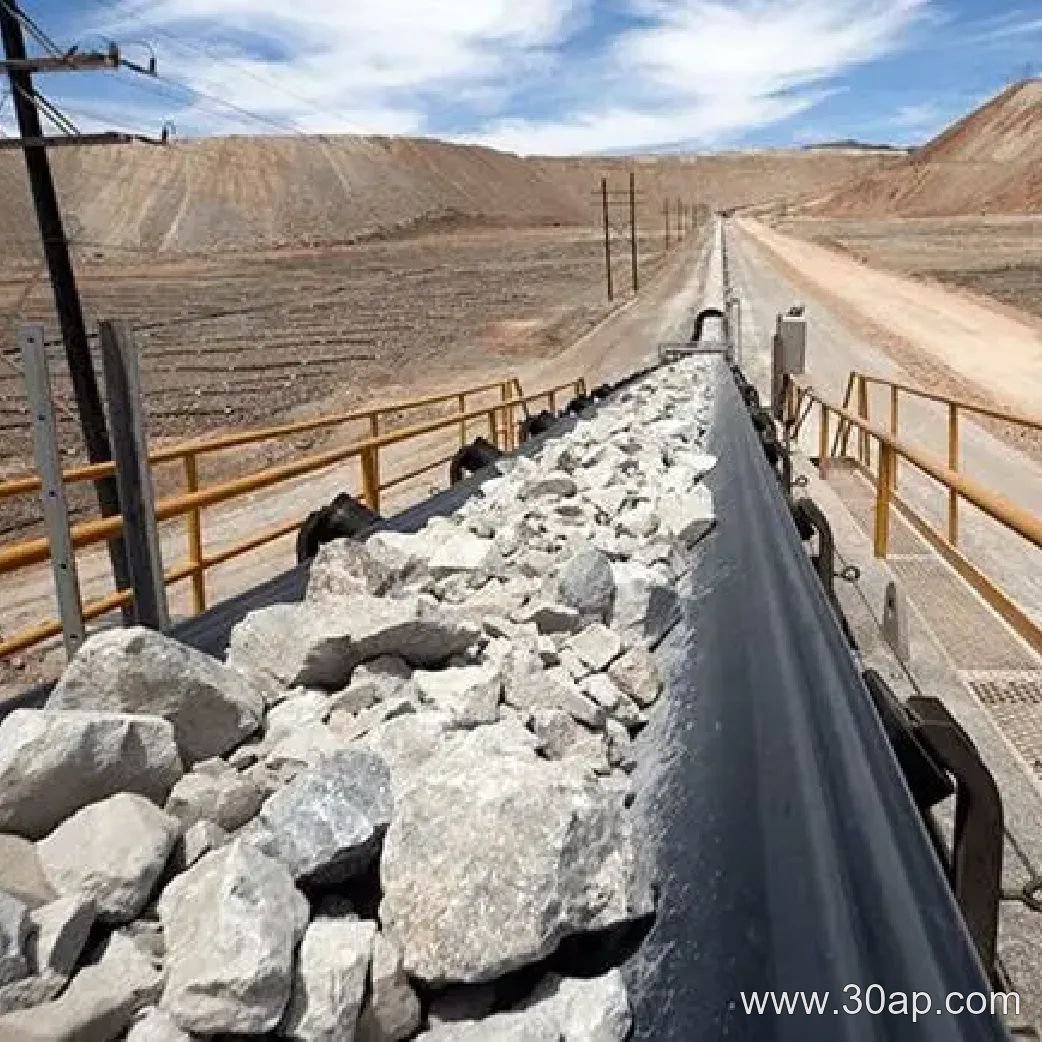
Key Cost Factors for a Conveyor Bracket
- Material: Stainless steel or galvanized steel costs more than mild steel but lasts longer in wet conditions.
- Dimensions: Larger brackets require more material and may need thicker plate, raising cost.
- Manufacturing: Bending, welding, and hole punching add labor; complex shapes increase cost.
- Freight: Heavy or bulky brackets cost more to ship, especially to remote sites.
For a wet outdoor conveyor, specifying a conveyor bracket with drainage holes and compatible metals can reduce long-term corrosion costs, but the initial price will reflect those features.
Is Your Conveyor Belt Quietly Failing?
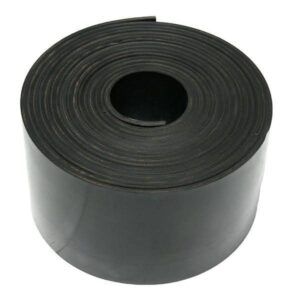
Many operators assume a conveyor belt that runs smoothly needs no attention. In a cement plant, abrasive clinker and constant dust slowly wear the cover and carcass. Regular inspection catches issues before failure.
Inspection and Preventive Maintenance
Walk the line weekly. Check for cover gouges, edge fraying, and splice wear. Listen for idler squeals. Track belt alignment. Lubricate pulleys and tighten bolts. Keep material from building up on rollers.
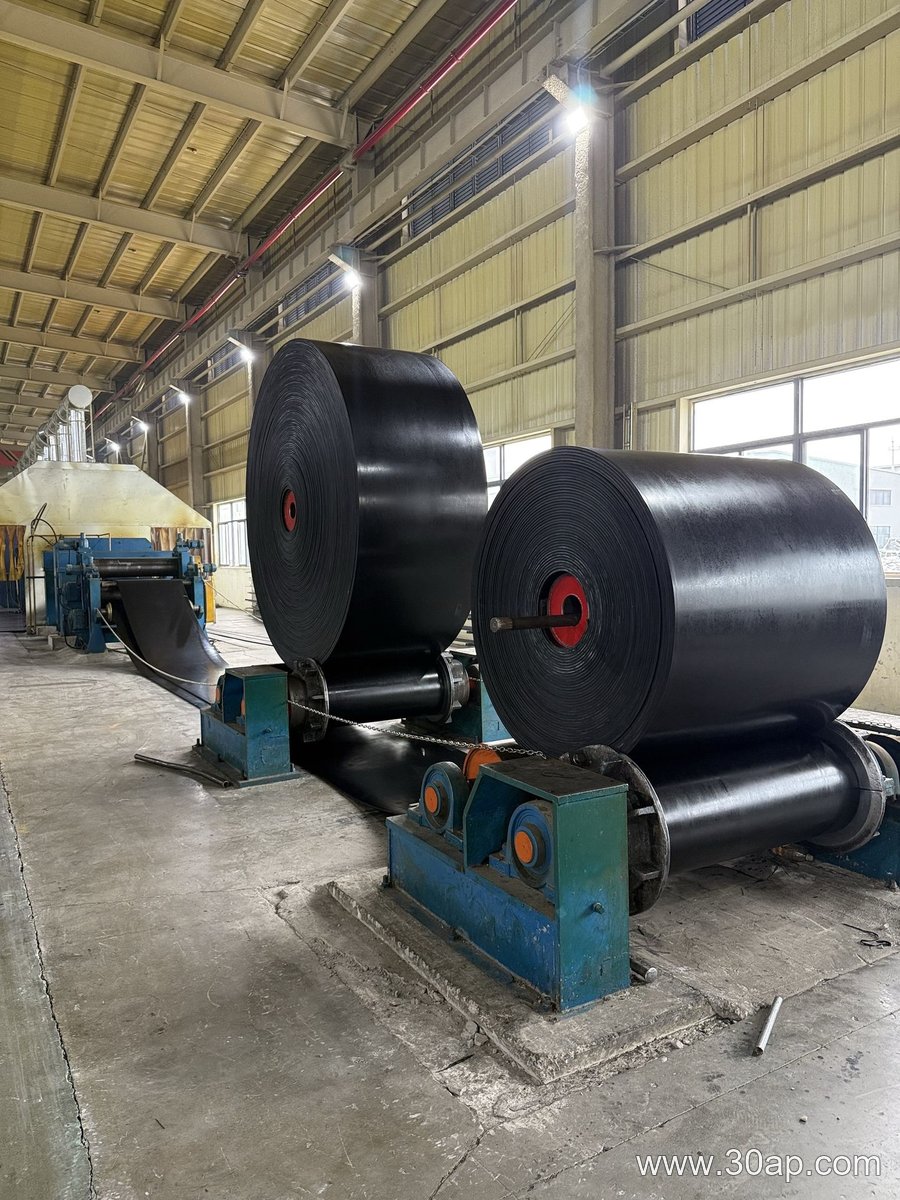
Signs Replacement Is Needed
- Exposed fabric or steel cords
- Longitudinal cracks or ply separation
- Frequent mistracking despite adjustment
- Patch repairs covering more than 20% of belt length
Address these signs promptly to avoid unplanned downtime.
What Is a Return Idler Roller?
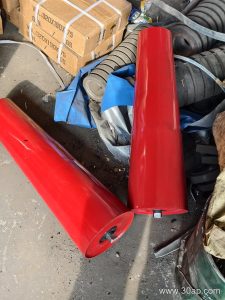
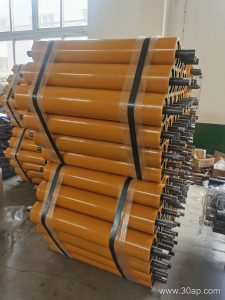
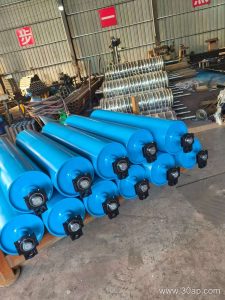
A return idler roller is a rotating cylinder that supports the empty, returning strand of a conveyor belt. In a bulk-material port terminal, it sits beneath the belt after the discharge point, where cargo no longer presses down but the belt still needs steady support.
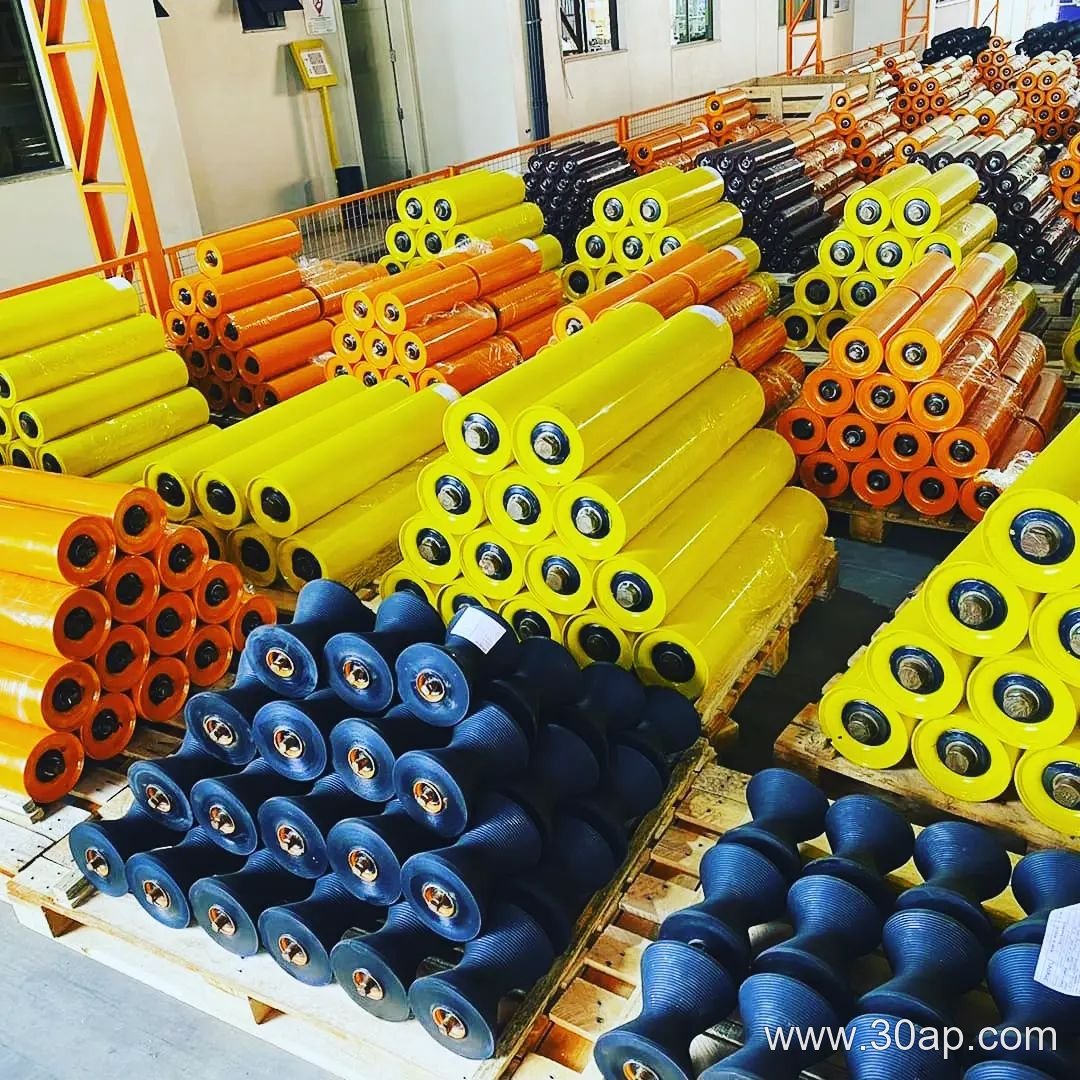
Construction and Features
- Tube, shaft, bearings, and seals form the core assembly.
- Self-cleaning or spiral designs can shed dust and stray material.
- Rubber or polymer rings may reduce buildup and belt wear.
Its main job is simple: keep the return belt aligned, reduce sag, and protect the belt from dragging on structures.
What Is a Discharge-End Pulley?
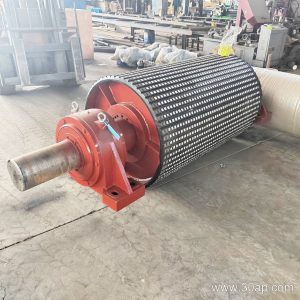
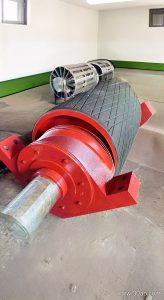
A discharge-end pulley is the conveyor pulley at the material release point. Unlike a drive pulley, it mainly redirects the belt and supports the discharged load. In wet outdoor conveyors, it must resist water, grit, and corrosion while keeping the belt tracking true.
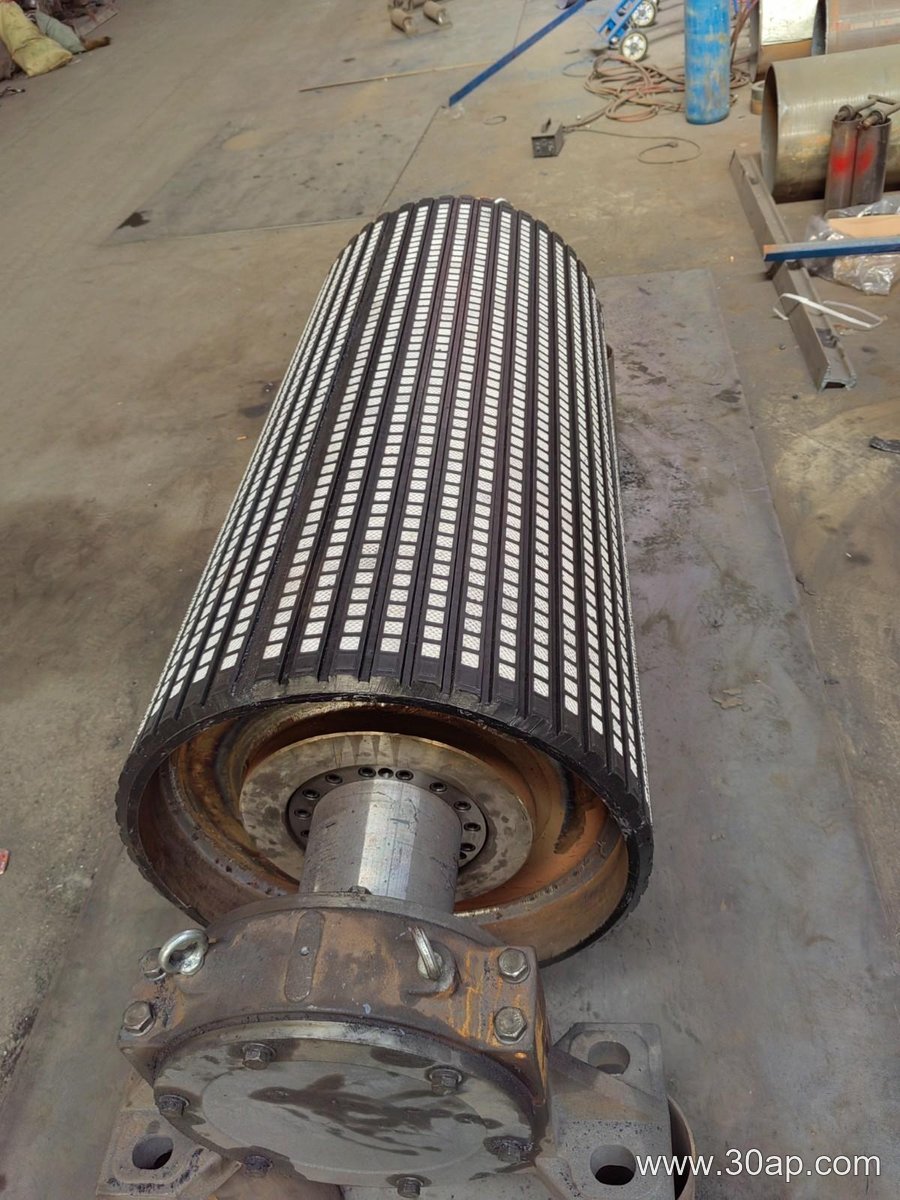
Construction and Features
- Shell: thick-walled tube, often crowned to center the belt.
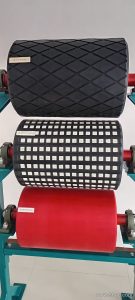
- Lagging: rubber or ceramic lagging for grip in wet conditions.
- Shaft and hubs: keyed or shrink-fit, sealed against water ingress.
- Bearings: housed and lubricated for outdoor duty.
These features reduce slippage and extend service life when rain and fines are present. A discharge-end pulley is not a universal solution; its design must match belt tension, speed, and material abrasiveness.