Understanding Conveyor Bracket Pricing
When specifying a conveyor system for a quarry, cement plant, or coal handling facility, the conveyor bracket price is a line item that deserves careful attention. This component, also called a conveyor support bracket or conveyor frame bracket, holds the idler roller in the correct position relative to the conveyor belt. Its cost varies with design, material, and the specific demands of the installation. Buyers who understand the factors behind the price can make more informed decisions and avoid over- or under-specifying.
What Drives the Price of a Conveyor Bracket
Several elements influence the final cost per unit. The table below summarizes common price factors without quoting actual figures, as these depend on supplier, order volume, and market conditions.
| Factor | Effect on Price |
|---|---|
| Material (angle steel, channel steel, folded plate) | Heavier sections and higher-grade steel increase cost |
| Type (trough, return, transition, self-aligning, etc.) | More complex designs with adjustment features cost more |
| Belt width compatibility (B500 to B2200) | Wider brackets require more material and larger dimensions |
| Trough angle (20°, 30°, 35°, 45°) | Fixed angles are simpler; adjustable versions add cost |
| Surface treatment (paint, galvanizing) | Corrosion protection adds to the base price |
For example, a B800 trough bracket at 35° with a fixed design will typically cost less than an adjustable bracket for B1400 at 45° that includes self-aligning features. However, the exact relationship depends on the manufacturer and order quantity.
Common Types and Their Price Positioning
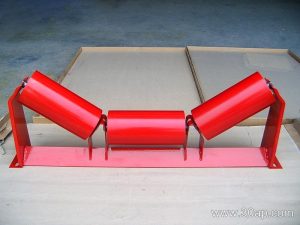
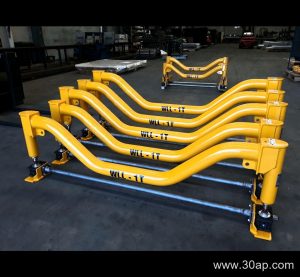
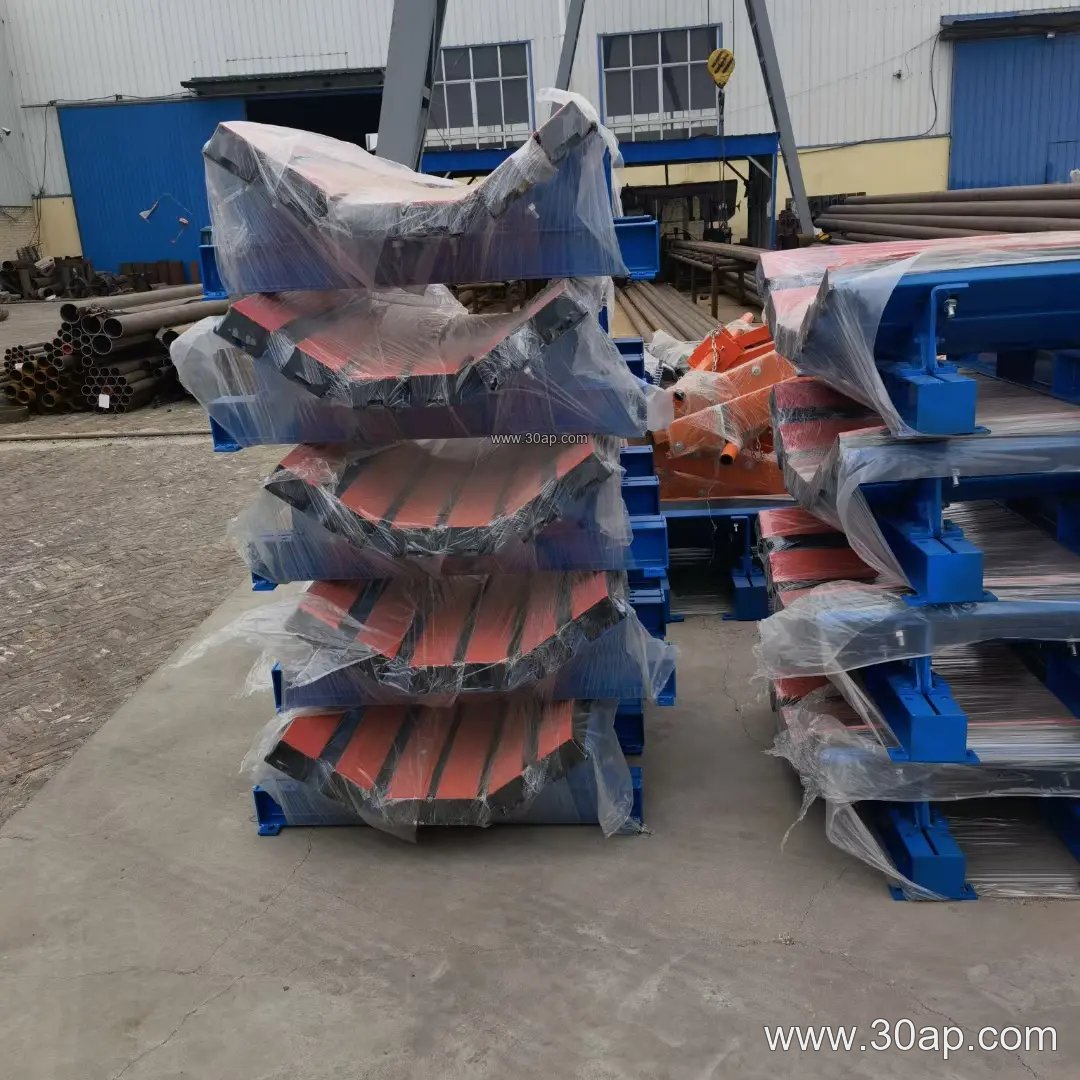
Conveyor brackets come in several forms, each with a different cost profile. Trough brackets for carrying idlers are the most common and generally represent the baseline price. Return brackets, including V-type and flat return designs, are often simpler and may cost less. Transition brackets, used near pulleys to guide the belt smoothly, are more specialized and can carry a higher price. Self-aligning and forward-leaning brackets include additional mechanisms and are priced accordingly. Adjustable brackets, which allow the trough angle to be set between 20° and 45°, sit at the upper end of the range.
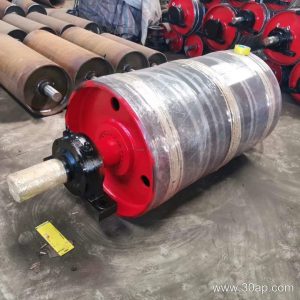
It is important to note that drive pulleys, tail pulleys, and bend pulleys are not interchangeable with brackets; they serve entirely different functions in a conveyor system. A bracket supports the idler roller, while a pulley drives or redirects the belt.
Where Conveyor Brackets Are Used
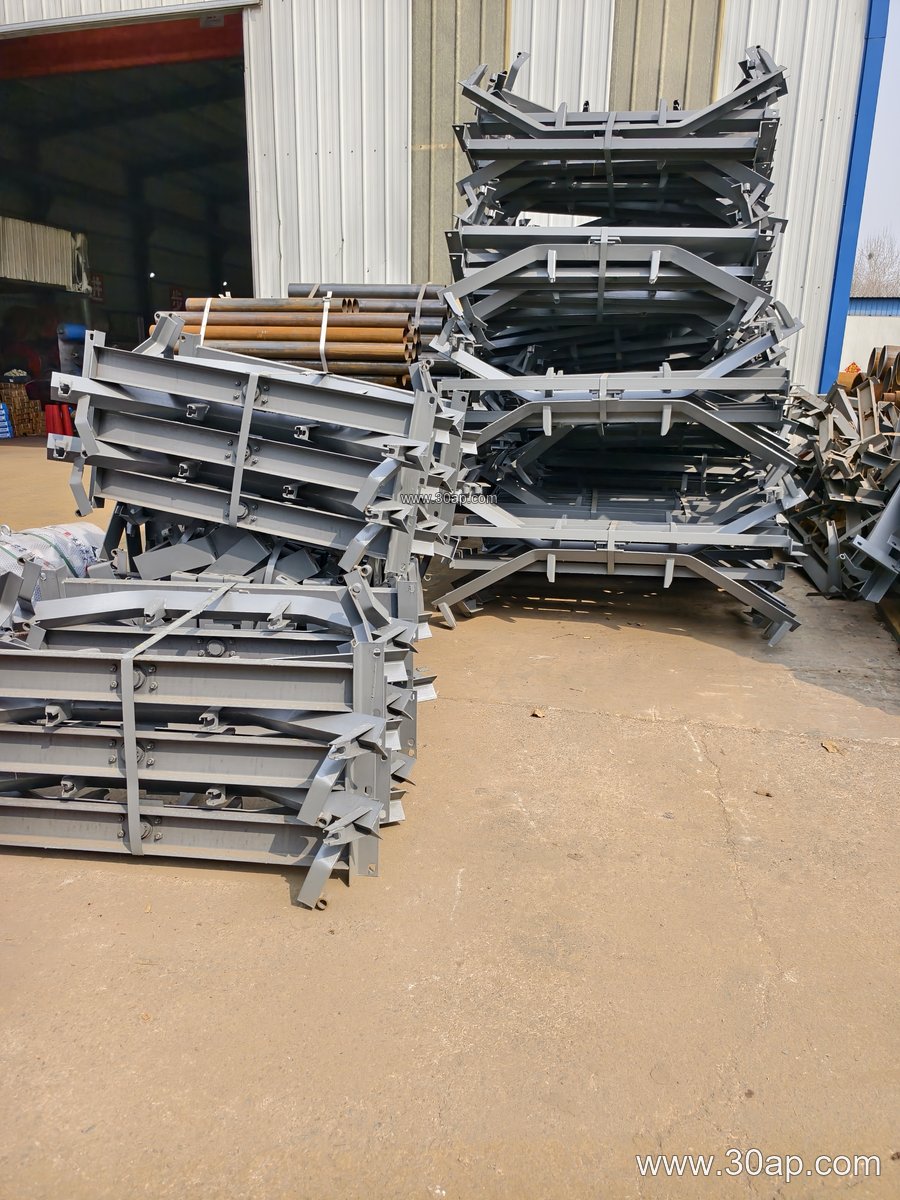
In a limestone mine, conveyor brackets hold the idler rollers that support the conveyor belt along the entire length of the haulage route. In a coal preparation plant, they maintain proper belt alignment through troughing and return stations. The same brackets appear in sand and gravel lines, power plant coal handling, and fertilizer granulation circuits. The environment affects the choice: dusty, corrosive, or high-load conditions may call for heavier materials or protective finishes, which influence the conveyor bracket price.
Specifying for Cost and Performance
Selecting the right bracket involves matching belt width, idler diameter, and trough angle to the application. Common belt widths range from B500 to B2200, and idler diameters from Ø89 to Ø194. A typical combination might be B1000 with 35° trough angle and Ø133 idlers, but many other combinations are valid. The bracket must be designed to suit the chosen idler and belt, not the other way around.
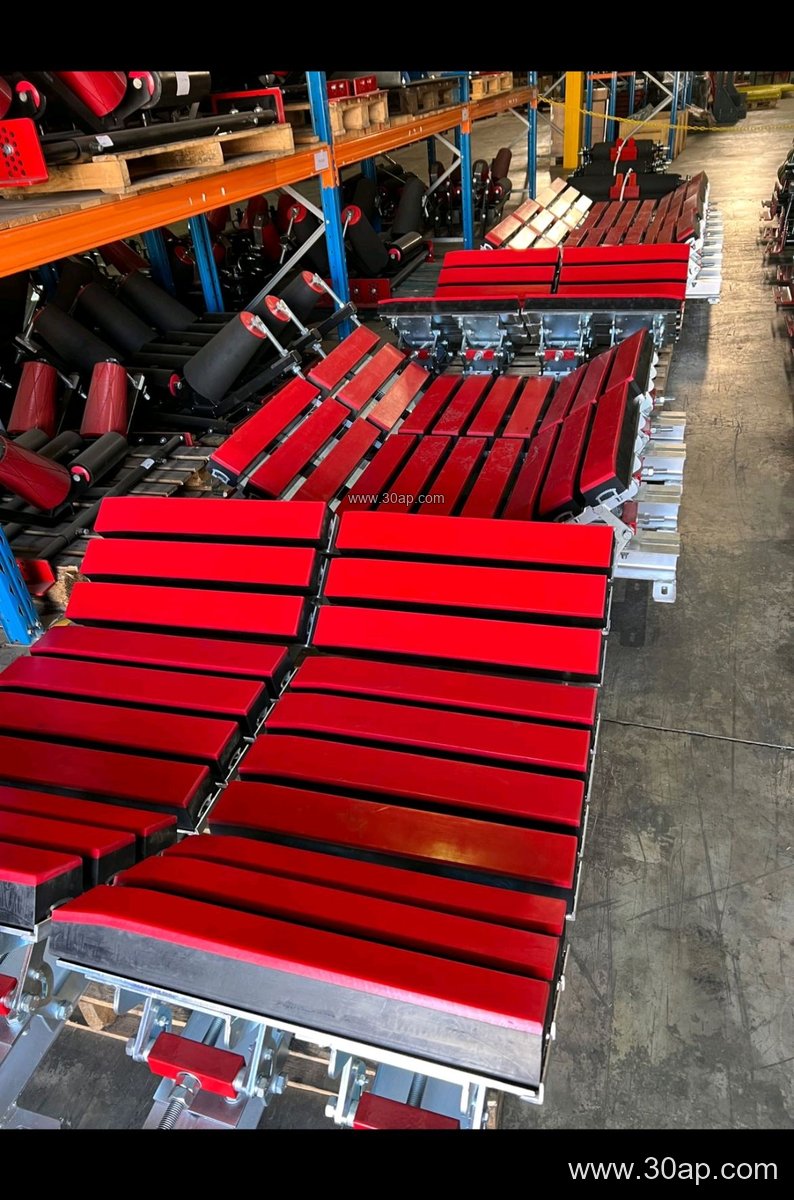
Buyers should provide the following to get an accurate price:
- Belt width (e.g., B650, B1200)
- Idler diameter (e.g., Ø108, Ø159)
- Trough angle (20°, 30°, 35°, 45°)
- Bracket type (trough, return, transition, self-aligning, etc.)
- Material preference (angle steel, channel steel, folded plate)
- Surface treatment requirements
Installation hole spacing and beam length are determined by belt width and trough angle; they are not fixed values and should be confirmed with the supplier. Avoid assuming that a given belt width automatically dictates a specific pulley diameter or shaft size—these are separate design decisions.
Balancing Cost and Durability
The lowest-priced conveyor bracket may not be the most economical over time. In abrasive environments such as a crushed stone operation, a lightly built bracket may wear quickly, leading to replacement costs and downtime. Conversely, over-specifying a bracket for a light-duty application adds unnecessary expense. The key is to match the bracket’s construction to the actual load and environmental conditions. Discuss duty cycle, material abrasiveness, and maintenance intervals with the supplier to find the right balance.
Remember that the conveyor bracket price is only one part of the total cost of ownership. Efficient installation, reliable idler performance, and minimal belt misalignment all contribute to lower operating costs. A well-chosen bracket supports these goals without inflating the initial budget.