What a Heavy-Duty Trough Idler Does
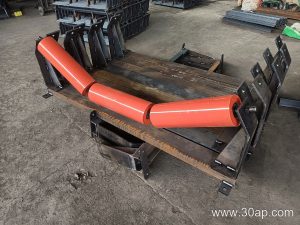
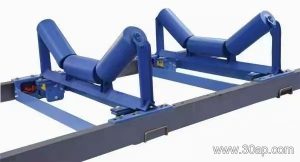
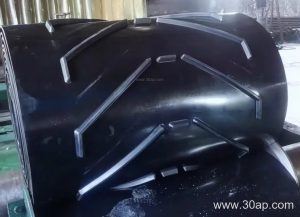
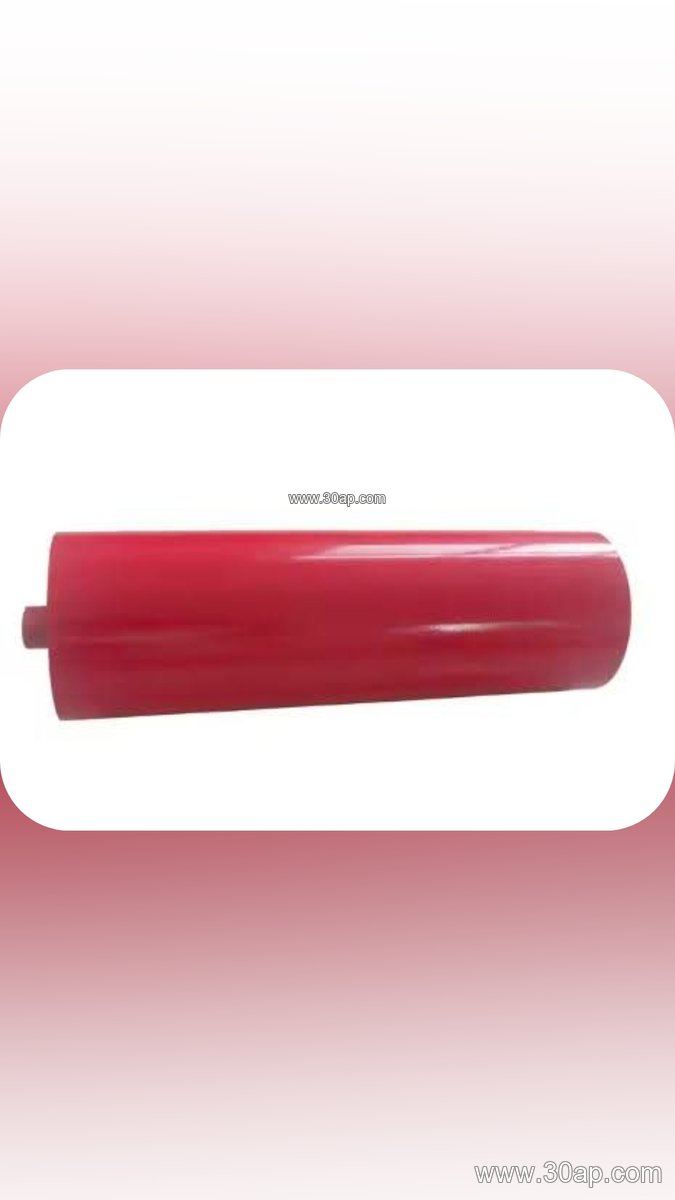
A heavy-duty trough idler is the belt-supporting component that forms the conveyor belt into a trough shape on the carrying side. In a quarry, a coal washing plant, or a cement clinker line, this idler roller must carry the weight of the belt plus the material load while keeping the belt tracking steadily. The trough shape helps contain bulk material and reduces spillage, which is why three-roll trough idler sets are common on high-capacity belts. The heavy-duty version is built for abrasive, high-load conditions rather than light-duty service.
Construction and Key Components
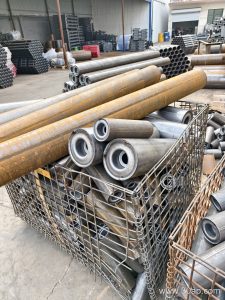
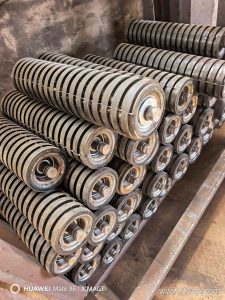
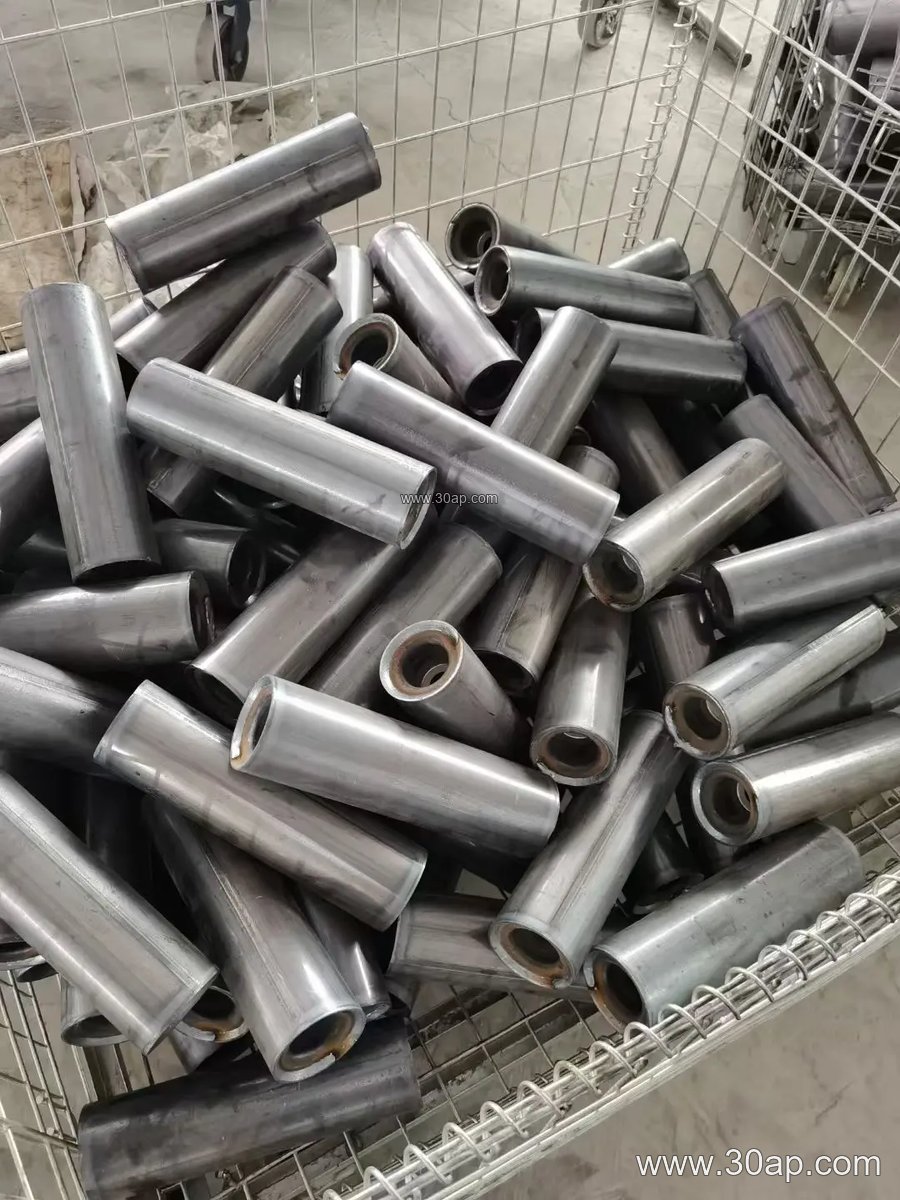
A typical heavy-duty trough idler uses a thick-walled steel tube shell, welded end discs, and a shaft that runs through sealed bearing housings. The roller surface may be plain steel, nylon, or ceramic depending on wear conditions. Rubber rings are used on impact idlers, but those are a different subtype and are not a substitute for the standard trough idler. Sealing is critical in dusty plants, and the bearing selection usually follows load and speed rather than a single fixed rule. Common bearing numbers include 6205, 6305, 6306, and 6308, but the same roller diameter can be paired with different bearings depending on the design.
Common Sizes and Arrangements
Trough idlers are usually supplied as single-roll, two-roll, or three-roll sets. The three-roll trough set is the most familiar on bulk conveyors. Roller diameter and belt width are related to load and belt speed, but no single belt width requires one fixed pulley diameter or shaft size. The table below shows common reference values, not universal supply promises.
| Parameter | Common Reference Values |
|---|---|
| Roller diameter | Ø89, Ø102, Ø108, Ø127, Ø133, Ø159, Ø178 mm |
| Belt width | B650, B800, B1000, B1200, B1400, B1600 mm |
| Trough angle | 20°, 30°, 35°, 45° |
| Roller length (three-roll example) | B650: about 250 mm; B800: about 315 mm; B1000: about 380 mm; B1200: about 465 mm; B1400: about 530 mm |
| Bearing examples | 6205, 6305, 6306, 6308 |
Side rollers and center rollers can differ in length, and the values above are only common examples. The actual roller length depends on belt width, trough angle, and idler arrangement.
Where It Fits on the Conveyor
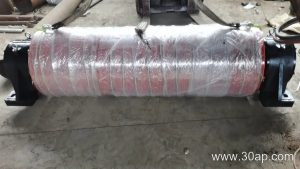
The heavy-duty trough idler sits on the carrying run, supported by a conveyor bracket or frame. It is not a drive pulley, tail pulley, or bend pulley; those are conveyor pulleys with different functions. A trough idler supports and shapes the belt, while a conveyor pulley drives or redirects it. In a limestone mine or a power plant coal yard, the carrying idlers handle the main material load, and the return idlers support the empty belt. For comparison, a V-type return idler or a flat return idler may be used on the return strand, but neither replaces the trough idler on the carrying side.
Selection and Maintenance Notes
Buyers should match the idler to belt width, trough angle, material lump size, and expected load. In a sand and gravel line or a crushing and screening plant, impact and abrasion may call for thicker shells or a different roller surface. Check that the shaft, bearing housing, and seal design suit the dust and moisture level on site. During operation, listen for seized rollers, watch for belt misalignment, and inspect for worn shells. A worn trough idler can damage the conveyor belt and increase power demand. Keep spare rollers and brackets on hand for critical conveyors, and confirm dimensions against the actual conveyor frame before ordering.