What a 630mm Diameter Conveyor Pulley Is
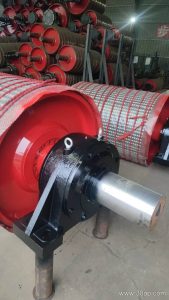
A 630mm diameter conveyor pulley is a large-diameter drum used in bulk material handling systems to drive, tension, or redirect the conveyor belt. With a nominal diameter of 630mm (often written Ø630), this pulley falls into the mid-to-large size range, making it suitable for heavy-duty applications where high torque and belt wrap are required. Whether installed as a drive pulley at the head of the conveyor or as a bend pulley in a complex routing, the 630mm diameter provides a balance between load capacity and space efficiency.
In industries such as mining, coal preparation, cement plants, and power station coal handling, this size is frequently specified for main haulage belts and high-capacity transfer points. It pairs well with conveyor belts in the B800 to B1400 width range, though the exact match depends on the system design and not on a fixed rule.
Construction and Key Components
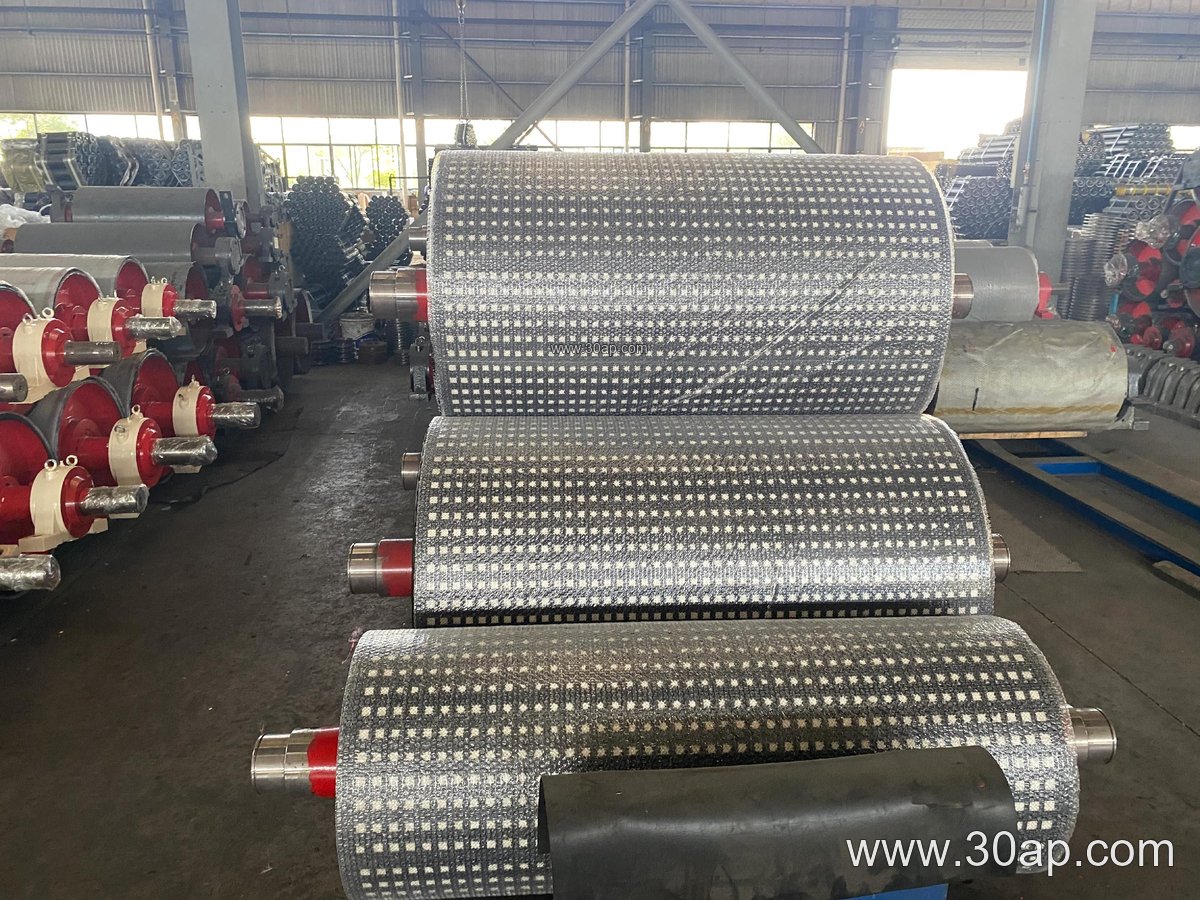
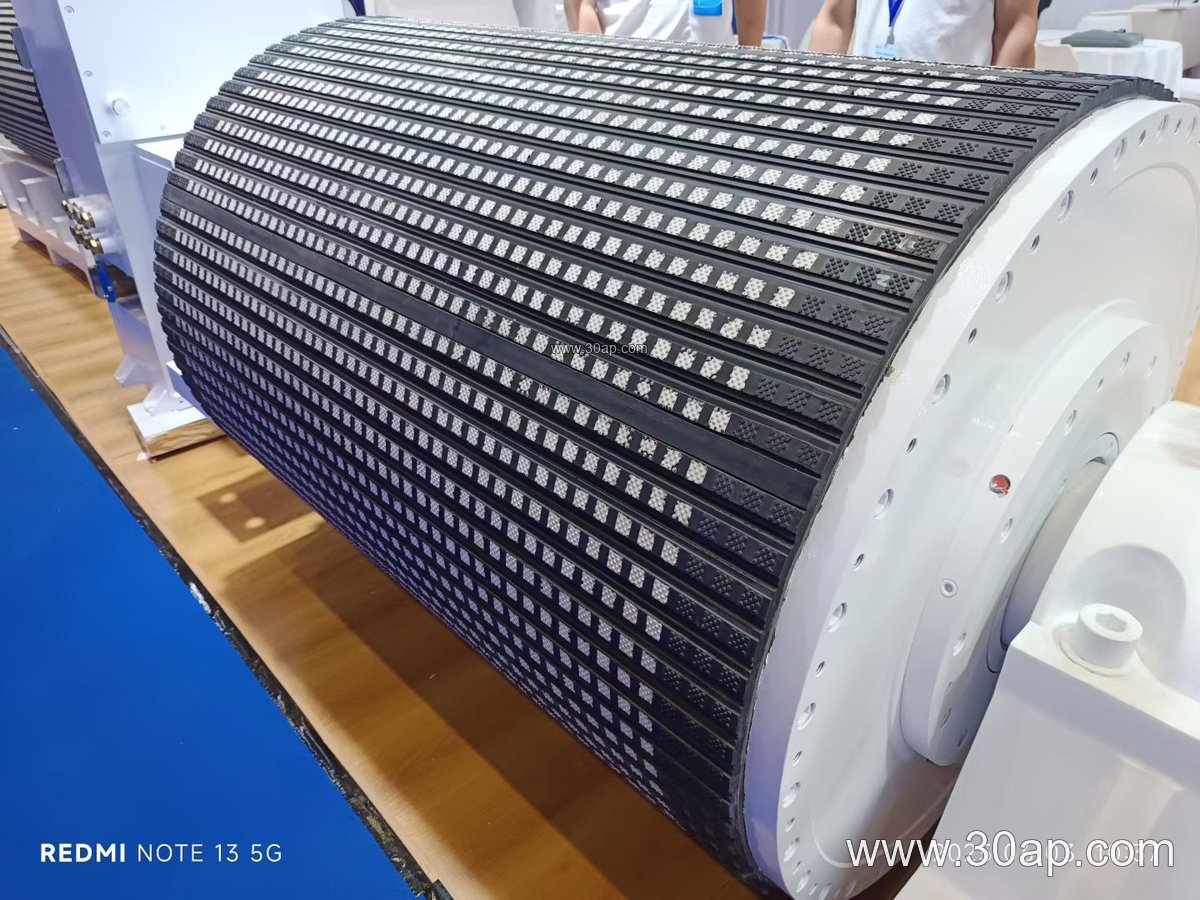
A 630mm diameter conveyor pulley is typically built with a welded steel shell, end discs, and a shaft that transmits torque. The shell surface may be plain (smooth) or covered with rubber lagging to improve grip and protect the belt. Common lagging types include plain rubber, diamond pattern, and ceramic lagging, with thicknesses often ranging from 8mm to 20mm. The pulley is supported by bearings housed in bearing blocks, which are mounted to the conveyor bracket or frame.
Shaft diameters for this pulley size are not determined by belt width alone; they are selected based on torque, radial load, and bearing life. Typical shaft sizes might range from Ø100 to Ø180, but the final value must be calculated by the conveyor designer. The pulley face width is usually wider than the belt to ensure full support—for example, a B1000 belt would call for a face width around 1150mm, while a B1200 belt might use a 1400mm face.
Typical Applications and Industries
You will find 630mm diameter conveyor pulleys in demanding environments such as:
- Mining and quarrying: drive pulleys on overland conveyors or transfer points in iron ore, copper ore, and limestone operations.
- Coal handling: head pulleys at coal preparation plants and power station coal yards, where reliability is critical.
- Cement and aggregates: bend and tension pulleys in clinker transport or crushed stone lines.
- Port bulk terminals: heavy-duty drive pulleys on ship loaders and stacker-reclaimers.
While drive, tail, and bend pulleys serve different functions, they are not interchangeable. A 630mm diameter drive pulley might be lagged for high traction, whereas a bend pulley of the same size may be plain or lightly lagged. The application dictates the subtype, and the diameter alone does not define the role.
Specifications and Selection Considerations
When specifying a 630mm diameter conveyor pulley, several parameters need attention. The table below lists common reference values—these are typical ranges, not fixed pairings.
| Parameter | Common Range / Example |
|---|---|
| Diameter | Ø630 mm |
| Belt width (B) | B800, B1000, B1200, B1400 |
| Face width | Approx. 950 mm (for B800) to 1600 mm (for B1400) |
| Shaft diameter | Ø100 to Ø180 (determined by torque and load) |
| Lagging type | Plain rubber, diamond, ceramic; thickness 8–20 mm |
| Bearing type | Spherical roller bearings, sized per load |
Buyers should provide the belt width, belt speed, motor power, and expected belt tension to the pulley manufacturer. The shaft diameter cannot be guessed from belt width; it must be calculated. Also, consider the environment: in dusty or wet conditions, lagging with grooves or ceramic tiles can reduce slip and extend belt life. For comparison, a smaller 500mm diameter pulley might be used on a short transfer conveyor, but it would not handle the same torque as a 630mm unit.
Maintenance and Compatibility
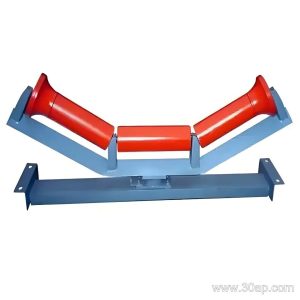
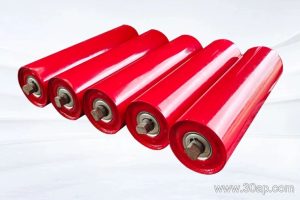
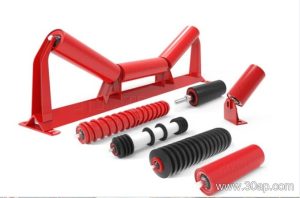
Regular inspection of the pulley surface, lagging wear, and bearing condition helps prevent unplanned downtime. Keeping the conveyor belt properly tensioned and aligned reduces uneven load on the pulley. When replacing a pulley, verify the shaft size, keyway, and bearing block mounting dimensions to ensure compatibility with the existing conveyor bracket and frame. Idler rollers and pulleys work together to support the belt; a worn pulley can affect the entire system, so periodic checks are worthwhile.
In summary, a 630mm diameter conveyor pulley is a robust component for medium-to-large belt conveyors. By understanding its construction, typical uses, and the factors that influence selection, plant operators and maintenance teams can specify the right pulley for their material handling needs—whether in a sand and gravel pit, a fertilizer plant, or a tunnel boring project.