What a Conveyor Support Bracket Does
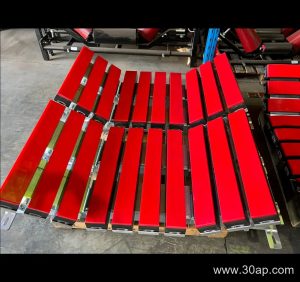
A conveyor support bracket is the structural component that holds idler rollers in the correct position along a belt conveyor. It connects the roller assembly to the conveyor frame and maintains the trough angle that shapes the conveyor belt for efficient material transport. In a quarry, cement plant, or coal handling system, these brackets are the quiet workhorses that keep the belt tracking straight and the load stable.
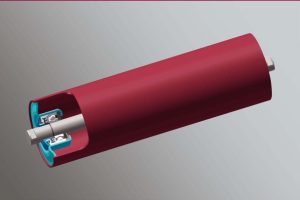
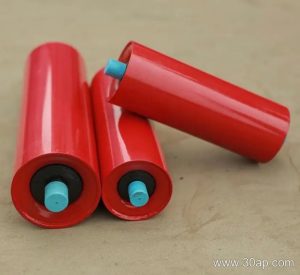
Unlike a drive pulley or tail pulley, which transmit power and change belt direction, the support bracket is a stationary fixture. Its job is alignment and support, not motion. It works together with the conveyor pulley, idler roller, and conveyor belt to form a complete carrying system.
Construction and Common Materials
Most brackets are fabricated from angle steel, channel steel, or bent steel plate. The choice depends on load capacity and environmental conditions. In a limestone mine or iron ore processing plant, heavier channel steel is often preferred for impact zones. For lighter duty in a fertilizer or grain silo, bent plate may be sufficient.
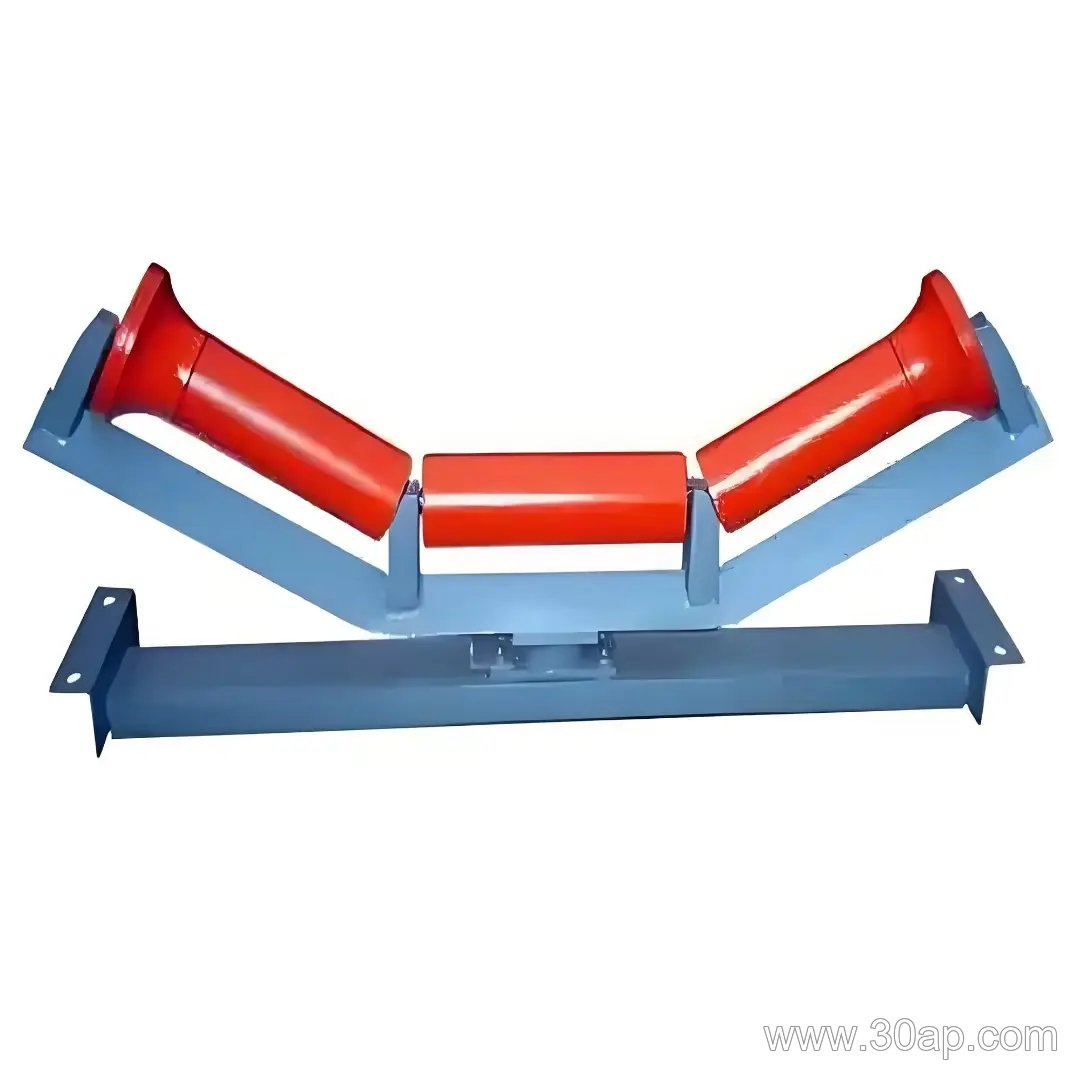
Typical designs include:
- Troughing bracket for carrying idlers
- Return bracket for the empty belt side
- V-return bracket for belt training
- Impact bracket for loading points
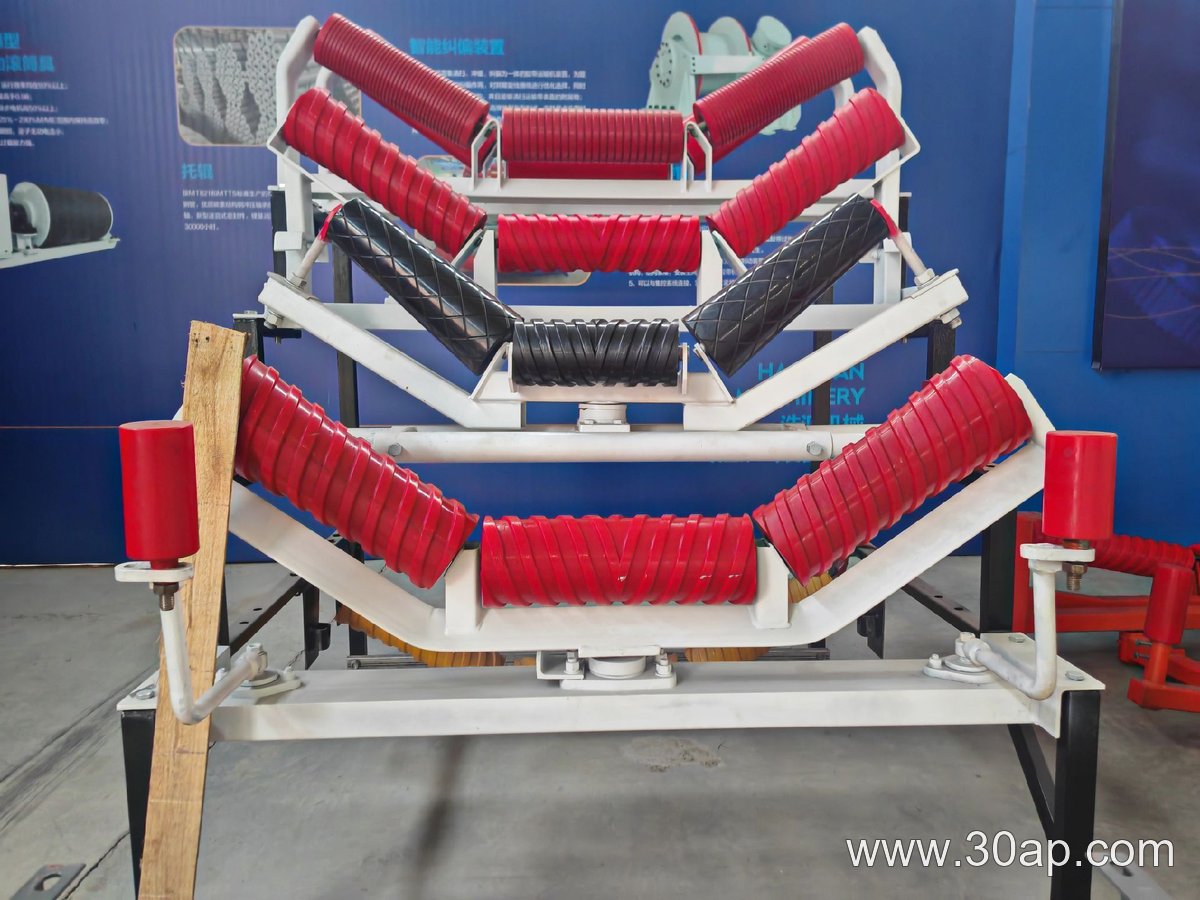
- Self-aligning bracket for tracking correction
- Adjustable bracket for variable trough angles
Each type is matched to a specific roller arrangement. A troughing bracket, for example, is not interchangeable with a return bracket, just as a bend pulley is not a tail pulley.
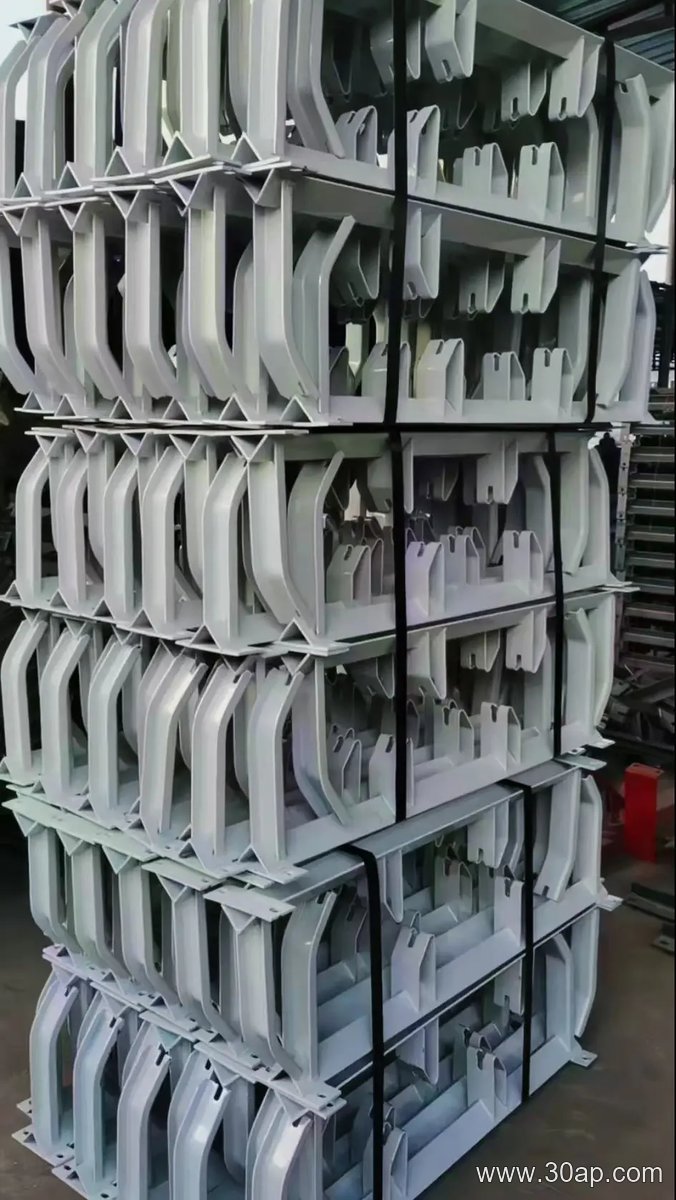
Where These Brackets Are Used
You will find conveyor support brackets in almost every bulk material handling operation. In a coal washing plant, they hold idlers that carry coal through the wash box. In a power plant coal yard, they support the belt on long overland conveyors. In a stone crushing and screening line, they absorb impact at transfer points. In a port terminal, they keep the belt aligned during high-speed loading.
The environment dictates the bracket design. A tunnel boring project may need corrosion-resistant brackets due to moisture. A sinter plant may require heat-resistant construction. A cement plant often uses heavy-duty brackets to handle clinker dust and high loads.
Matching Brackets to Belt Width and Roller Diameter
Belt width and roller diameter are not fixed pairs. A B800 belt can run with Ø89, Ø108, or Ø133 rollers depending on load and speed. A B1200 system might use Ø133 or Ø159. The bracket must accommodate the chosen roller and the required trough angle.
Common trough angles include 20, 30, 35, and 45 degrees. Adjustable brackets allow changes between these angles. Forward tilt is often around 1.5 to 2 degrees for belt training. The mounting hole spacing and crossbeam length vary with belt width and trough angle, so they are determined by design rather than a universal number.
Reference Data for Common Configurations
The table below shows typical combinations, but these are examples only. Actual selection depends on the conveyor design, material, and operating conditions.
| Belt Width | Trough Angle | Roller Diameter | Typical Bracket Type |
|---|---|---|---|
| B500 | 20° | Ø89 | Troughing |
| B650 | 30° | Ø89 | Troughing |
| B800 | 35° | Ø108 | Troughing or Impact |
| B1000 | 35° | Ø133 | Troughing |
| B1200 | 45° | Ø133 | Adjustable Troughing |
| B1400 | 45° | Ø159 | Heavy Duty Troughing |
| B1600 | 35° | Ø159 | Troughing or V-Return |
| B1800 | 45° | Ø194 | Heavy Duty |
| B2000 | 45° | Ø194 | Heavy Duty |
These figures are reference values. A B800 conveyor is not limited to a single trough angle or roller diameter. The bracket is selected after the belt width, load, and idler spacing are known.
What Buyers Should Consider
When specifying a conveyor support bracket, start with the conveyor frame dimensions and the idler roller to be used. Confirm the trough angle and whether adjustment is needed. Check the mounting hole pattern on the frame. For impact zones, consider a buffer bracket with reinforced construction. For long conveyors, self-aligning brackets reduce belt mistracking.
Material thickness and surface treatment matter in wet or corrosive environments. A powder-coated bracket may last longer in a fertilizer plant, while a hot-dip galvanized version suits a port terminal. The bracket must also be compatible with the conveyor pulley and belt tension.
Finally, remember that a support bracket is part of a system. It does not work alone. It supports the idler roller, which supports the conveyor belt, which carries the material. Getting the bracket right means the whole line runs smoother.