What a Double-Row Return Idler Does
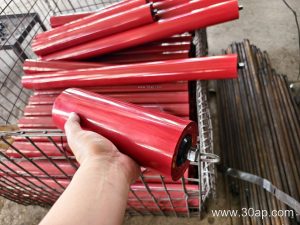
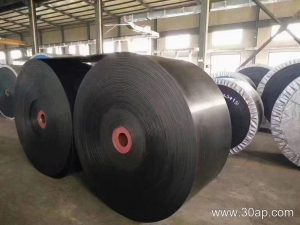
On the return side of a belt conveyor, the conveyor belt comes back empty, and it still needs steady support. A double-row return idler is a lower-run idler assembly that carries the belt on two parallel rows of rollers. Instead of a single flat roller or a V-shaped return set, this design spreads the belt across two lines of contact, which helps keep the belt tracking evenly and reduces the chance of sag between frames. In a quarry, a coal washing plant, or a cement plant, the return strand often collects fines and moisture, so a stable, well-supported return path matters for the whole conveyor.
The product is also called a two-row return roller set or twin-row return idler. These are accurate equivalent names for the same assembly, and they describe the same lower-run support unit.
How the Assembly Is Built
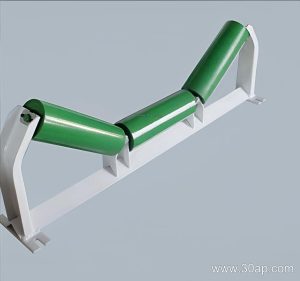
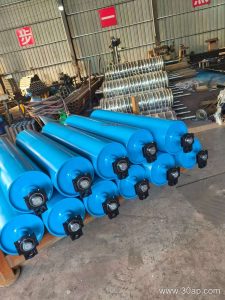
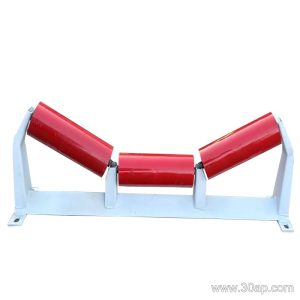
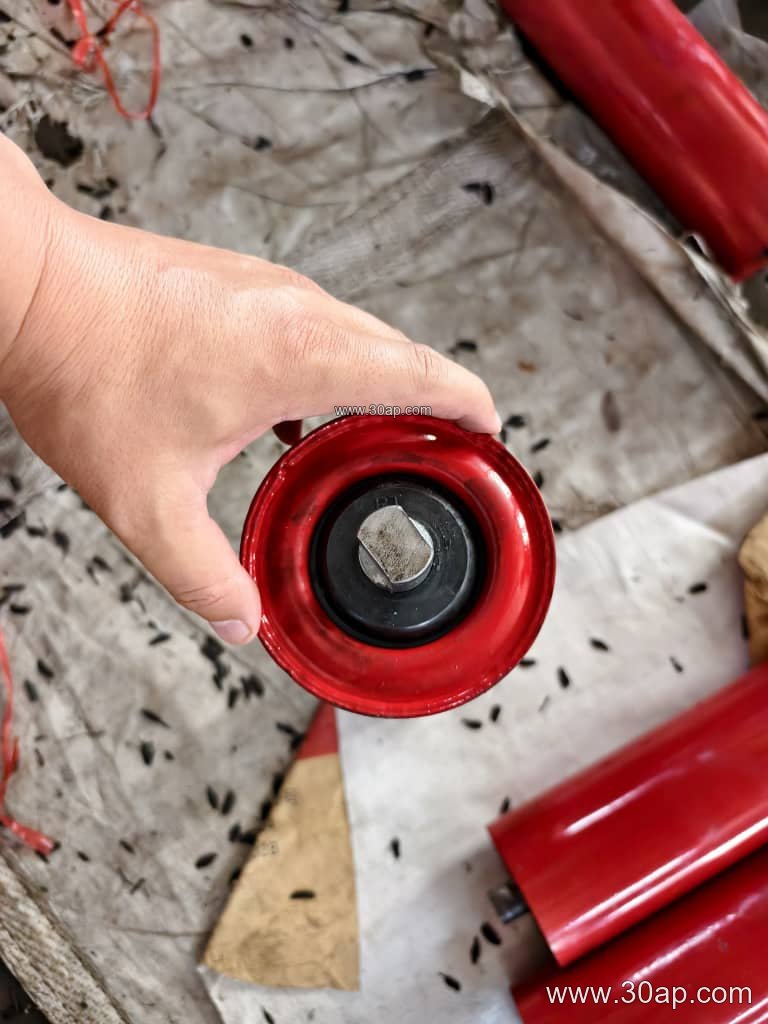
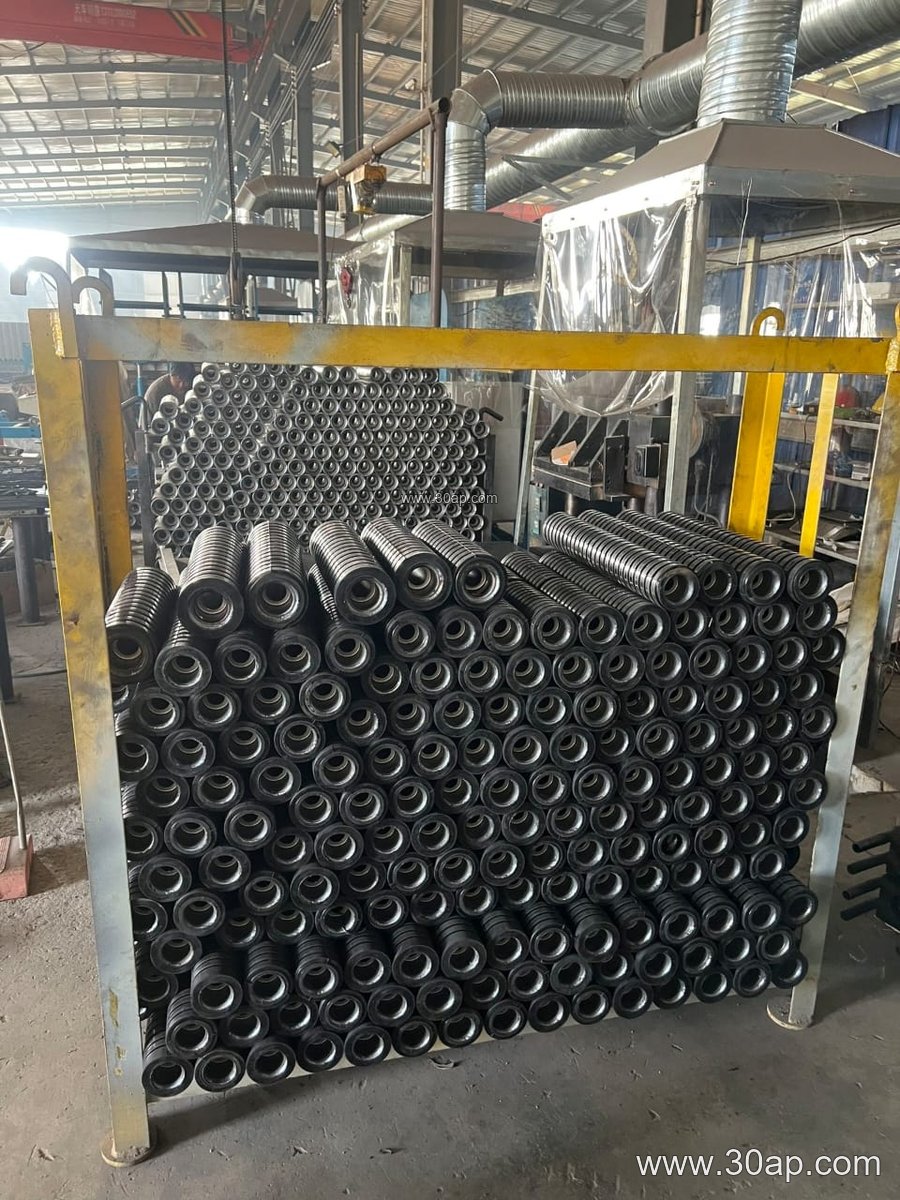
A double-row return idler usually consists of two rows of idler rollers mounted in a common frame or bracket arrangement, with the rows set at a small angle or parallel depending on the design. Each roller follows the usual idler roller construction: a steel tube shell, bearing housings at both ends, a shaft, and a sealing system to keep dust and water out. Roller surfaces may be plain steel, nylon, or rubber-covered, and the choice depends on whether the belt needs extra grip, quieter running, or protection from sticky material.
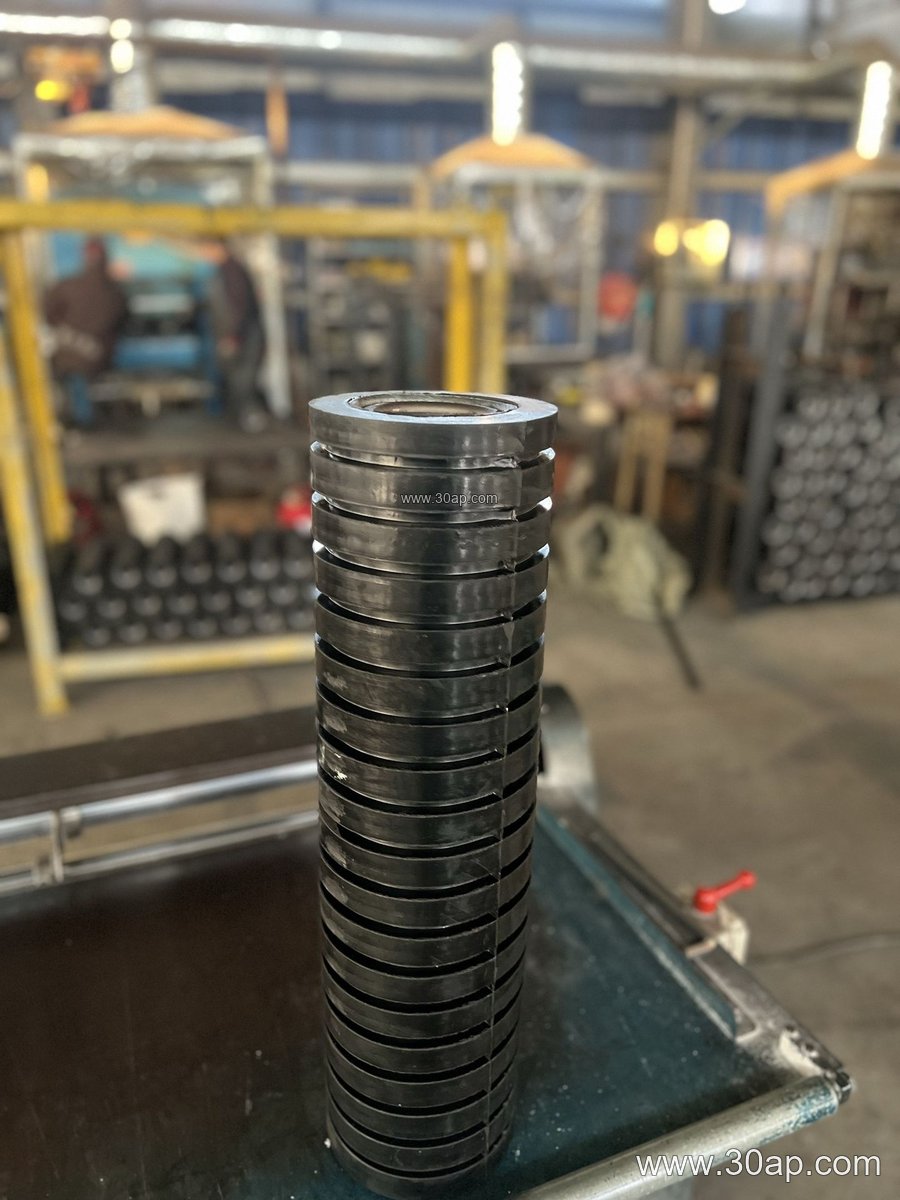
Common roller diameters for this kind of lower-run equipment include Ø89, Ø108, Ø127, Ø133, and Ø159 mm, with larger sizes such as Ø178 and Ø194 mm used on heavy-duty conveyors. Bearings are typically selected from series such as 6204, 6205, 6305, 6306, 6308, and 6310, matched to the load and shaft design rather than to a single fixed roller size.
Where It Fits on the Conveyor
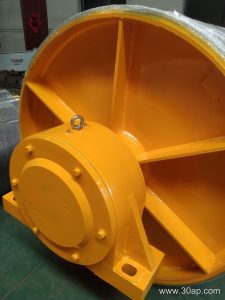
The double-row return idler belongs to the return strand, so it is installed under the carrying belt after the material has been discharged. It is not a substitute for a drive pulley, tail pulley, or bend pulley; those are conveyor pulleys that transmit power or change belt direction, and they serve a different function. Within the return group, a plant may also use a plain flat return idler or a V-type return roller, but the double-row arrangement is chosen when better belt support and tracking are needed across a wide belt.
Typical applications include:
- Coal handling and washed coal transport in a coal preparation plant
- Crushed stone and aggregate lines in a sandstone plant or quarry
- Cement raw material and clinker conveying
- Power plant coal feed systems
- Iron ore, copper ore, and sinter transport in steel and metallurgical plants
Matching Belt Width and Roller Length
Roller length is not a universal constant. It follows the conveyor belt width, the frame design, and the angle of the two rows. The table below shows common reference values for idler roller lengths used with standard belt widths. These are examples for orientation, not a fixed rule, and the final length is confirmed by the conveyor design.
| Belt width | Common roller length reference | Typical roller diameter range |
|---|---|---|
| B500 | about 200 mm | Ø63 to Ø89 mm |
| B650 | about 250 mm | Ø76 to Ø108 mm |
| B800 | about 315 mm | Ø89 to Ø127 mm |
| B1000 | about 380 mm | Ø102 to Ø133 mm |
| B1200 | about 465 mm | Ø108 to Ø159 mm |
| B1400 | about 530 mm | Ø127 to Ø178 mm |
| B1600 | about 600 mm | Ø133 to Ø194 mm |
| B1800 | about 670 mm | Ø159 to Ø219 mm |
| B2000 | about 750 mm | Ø178 to Ø219 mm |
Belt widths outside this range, such as B400, B2200, or B2400, are also handled by conveyor designers, but the roller length and diameter should be calculated from the actual load and frame geometry. A single belt width does not lock the conveyor to one pulley diameter either, and shaft size is determined by the load case, not by belt width alone.
Selection Points for Buyers
Before ordering, confirm the belt width, the return frame spacing, and the expected material load on the return strand. Check whether the site needs a dust-resistant seal for a coal yard, a rubber-covered roller for a sticky aggregate line, or a heavier bearing series for a high-tonnage ore conveyor. Ask for the roller diameter, shell thickness, bearing model, and sealing arrangement in writing, and confirm that the mounting bracket matches the existing conveyor bracket holes. For a long conveyor, spacing and alignment of the double-row sets affect belt life as much as the roller quality itself.
Regular inspection of the return idlers, together with the conveyor belt and the pulleys, keeps a plant running smoothly. When a roller seizes or the shell wears thin, replace it promptly to avoid belt edge damage and unnecessary downtime.