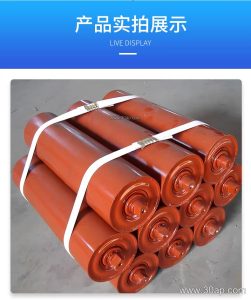
What a Guide Idler Bracket Does on a Conveyor
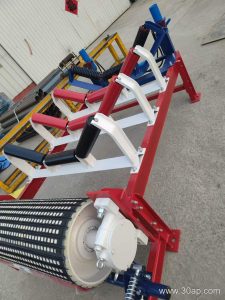
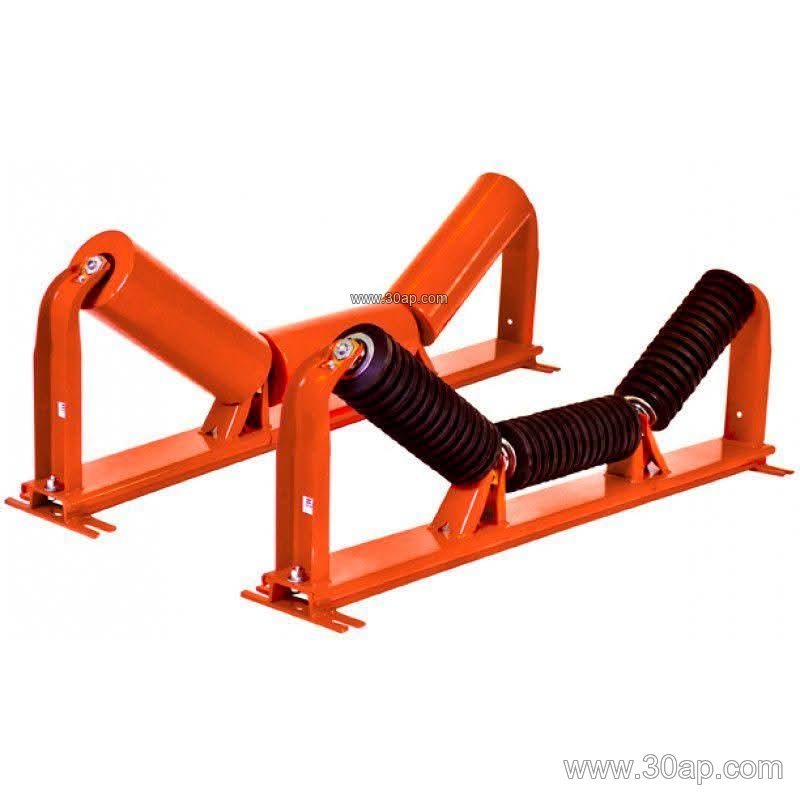
A guide idler bracket, also called a training idler bracket or self-aligning idler bracket, is a mounting component that holds a guide idler roller in position and allows it to pivot or tilt so the conveyor belt stays centered. It is not a drive pulley, tail pulley, or bend pulley; those are separate components with different roles. The bracket works with the idler roller and conveyor belt to correct misalignment before it causes edge damage or spillage.
In a quarry, cement plant, or coal handling system, even a small belt drift can lead to costly downtime. The guide idler bracket provides the mechanical link that lets the idler respond to belt movement and guide it back on track.
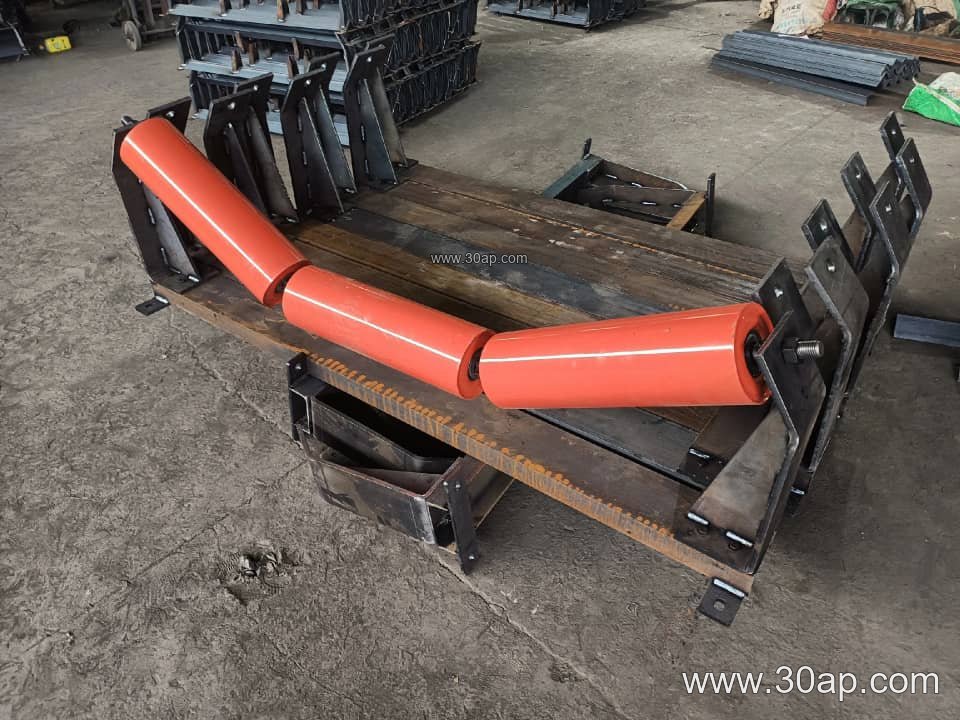
Construction and Common Materials
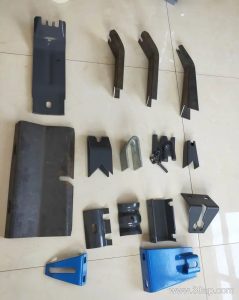
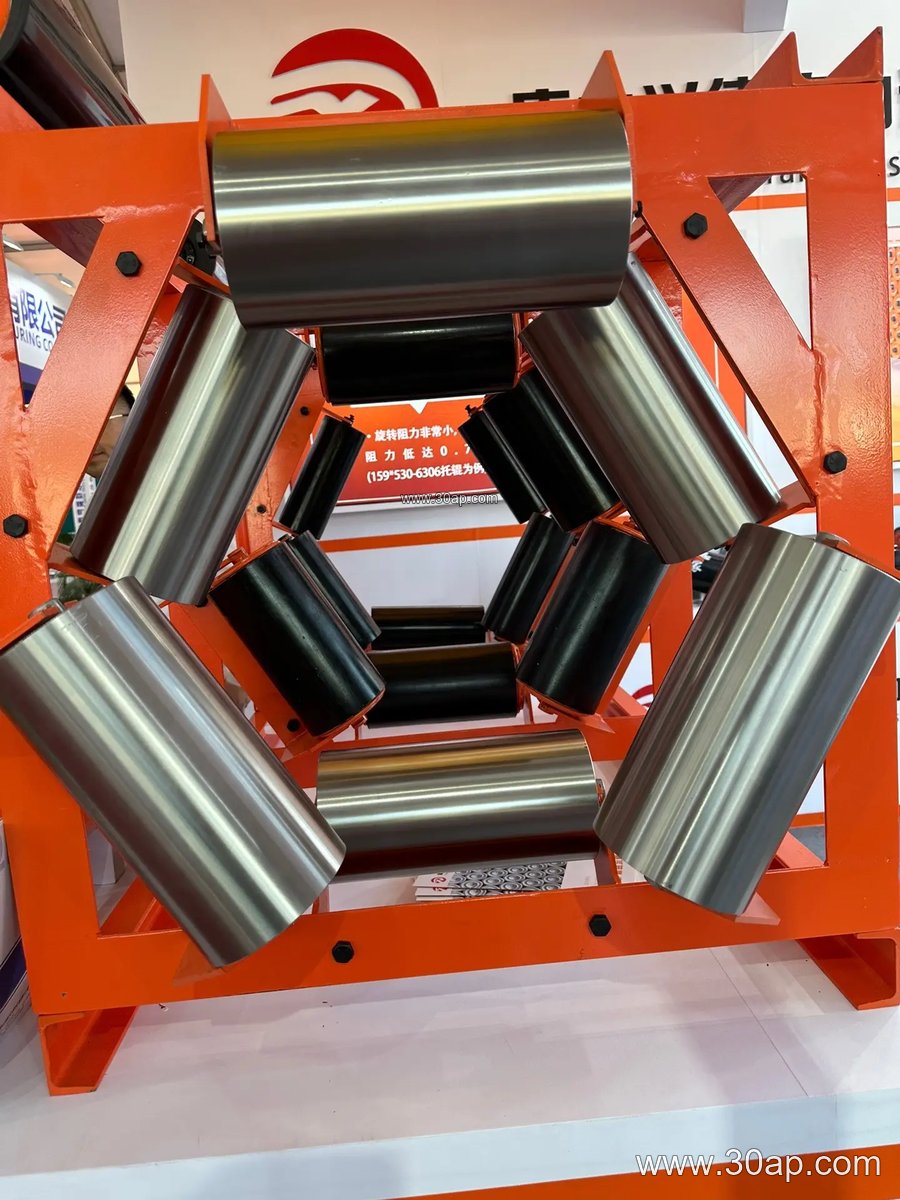
Most guide idler brackets are fabricated from angle steel, channel steel, or bent steel plate. The design must be strong enough to resist vibration and impact while allowing smooth pivoting. Typical features include:
- Pivot pin or bearing assembly for self-aligning action
- Adjustable slots for fine-tuning idler position
- Mounting holes that match the conveyor frame
- Reinforced gussets at stress points
Material thickness and welding quality directly affect service life, especially in dusty or wet conditions found in mines and power plants.
Where Guide Idler Brackets Are Used
These brackets appear wherever belt tracking is critical. Common locations include:
- Loading points where material impact can shift the belt
- Long conveyor runs in sand and gravel lines
- Curved sections in tunnel excavation conveyors
- Transfer points in fertilizer and grain silo systems
In a coal washing plant, for example, a guide idler bracket paired with a V-return bracket helps keep the belt centered on the return side. The two are not interchangeable; each serves a specific tracking function.
Matching Bracket to Belt Width and Idler Diameter
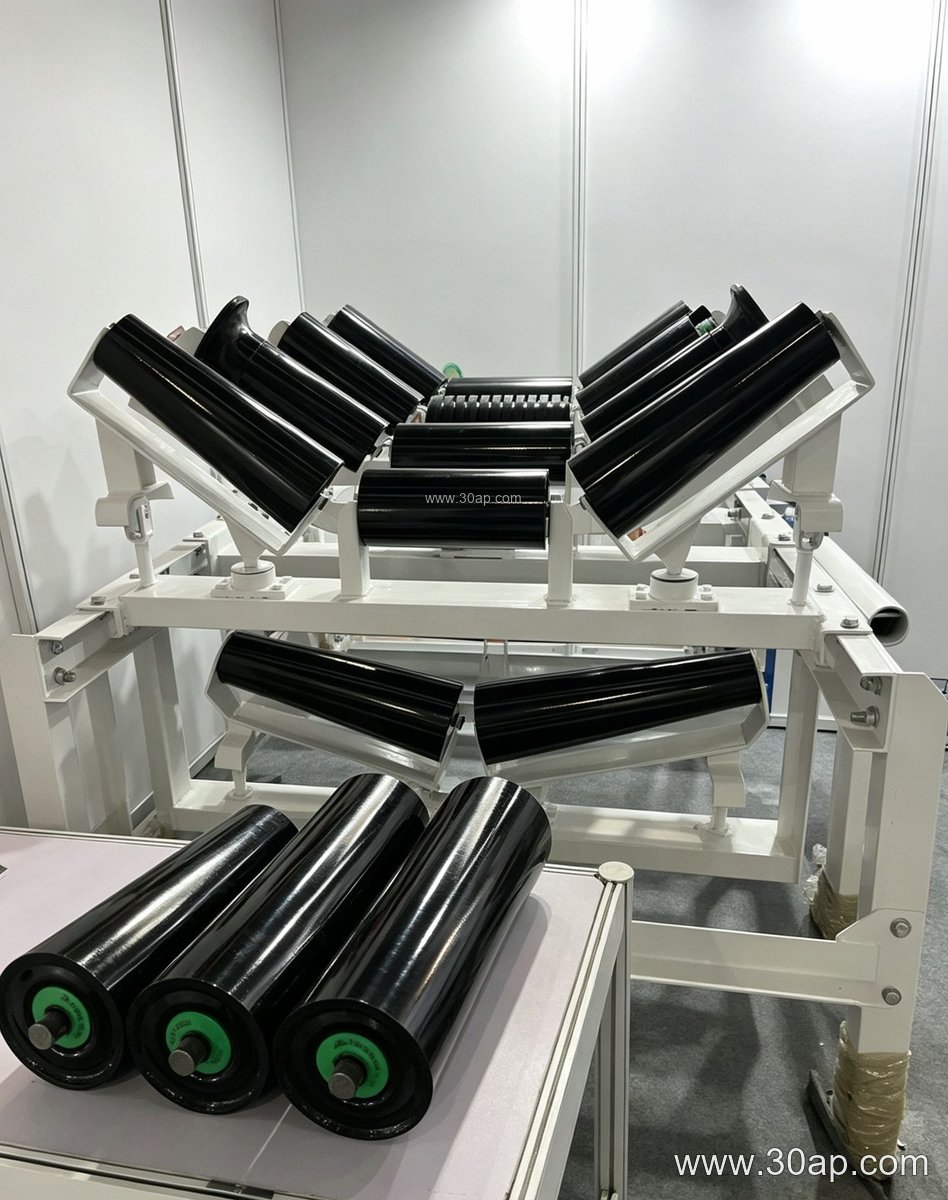
Guide idler brackets are selected based on conveyor belt width, idler roller diameter, and trough angle. The table below shows common reference combinations, but final dimensions depend on the conveyor design. Belt width does not dictate a single pulley diameter, and no fixed shaft size should be assumed from belt width alone.
| Belt Width (B) | Typical Trough Angle | Common Idler Diameter | Bracket Type |
|---|---|---|---|
| B500 | 20°–30° | Ø89 | Adjustable guide bracket |
| B650 | 30° | Ø89–Ø108 | Self-aligning bracket |
| B800 | 35° | Ø108 | Training idler bracket |
| B1000 | 35°–45° | Ø108–Ø133 | Heavy-duty guide bracket |
| B1200 | 45° | Ø133 | Adjustable guide bracket |
| B1400 | 35°–45° | Ø133–Ø159 | Reinforced guide bracket |
| B1600 | 35°–45° | Ø159 | Self-aligning bracket |
For wider belts such as B1800 or B2000, brackets are usually custom-fabricated to match the conveyor frame and idler configuration. Mounting hole spacing and crossbeam length vary with belt width and trough angle, so these should always be confirmed with the conveyor manufacturer.
Selection Tips for Buyers
When specifying a guide idler bracket, consider the following:
- Belt width and trough angle: These determine bracket geometry and idler position.
- Idler diameter: The bracket must accept the shaft and bearing housing of the guide idler roller.
- Adjustability: Adjustable brackets allow fine-tuning of belt tracking without shimming.
- Environment: In dusty or corrosive settings, choose brackets with adequate material thickness and surface protection.
- Compatibility: Confirm that the bracket fits the existing conveyor frame and does not interfere with other components such as return brackets or impact beds.
Keep in mind that a guide idler bracket is not a substitute for a bend pulley or drive pulley; it is a tracking accessory that works alongside them. Proper installation and periodic inspection help maintain belt alignment and extend the life of the conveyor belt and idler roller.
Installation and Maintenance Notes
Install the bracket squarely to the conveyor frame and ensure the pivot moves freely. Check bolt tightness after the first few days of operation, as vibration can loosen fasteners. In sand and gravel plants, clean accumulated material from the pivot area to prevent binding. A well-maintained guide idler bracket will help keep the belt centered, reducing edge wear and material spillage.