Why the Conveyor Bracket Deserves Your Attention
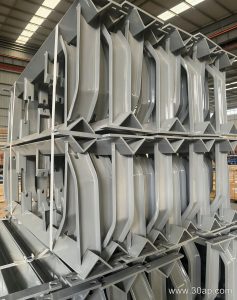
The conveyor bracket is far more than a simple steel angle. It is the structural interface that aligns idler rollers, absorbs dynamic loads, and maintains belt tracking across long transfer distances. In industrial exporting, a poorly specified bracket leads to premature bearing failure, belt misalignment, and costly downtime. This article focuses on what makes a conveyor bracket reliable, and how to select one for your next project.
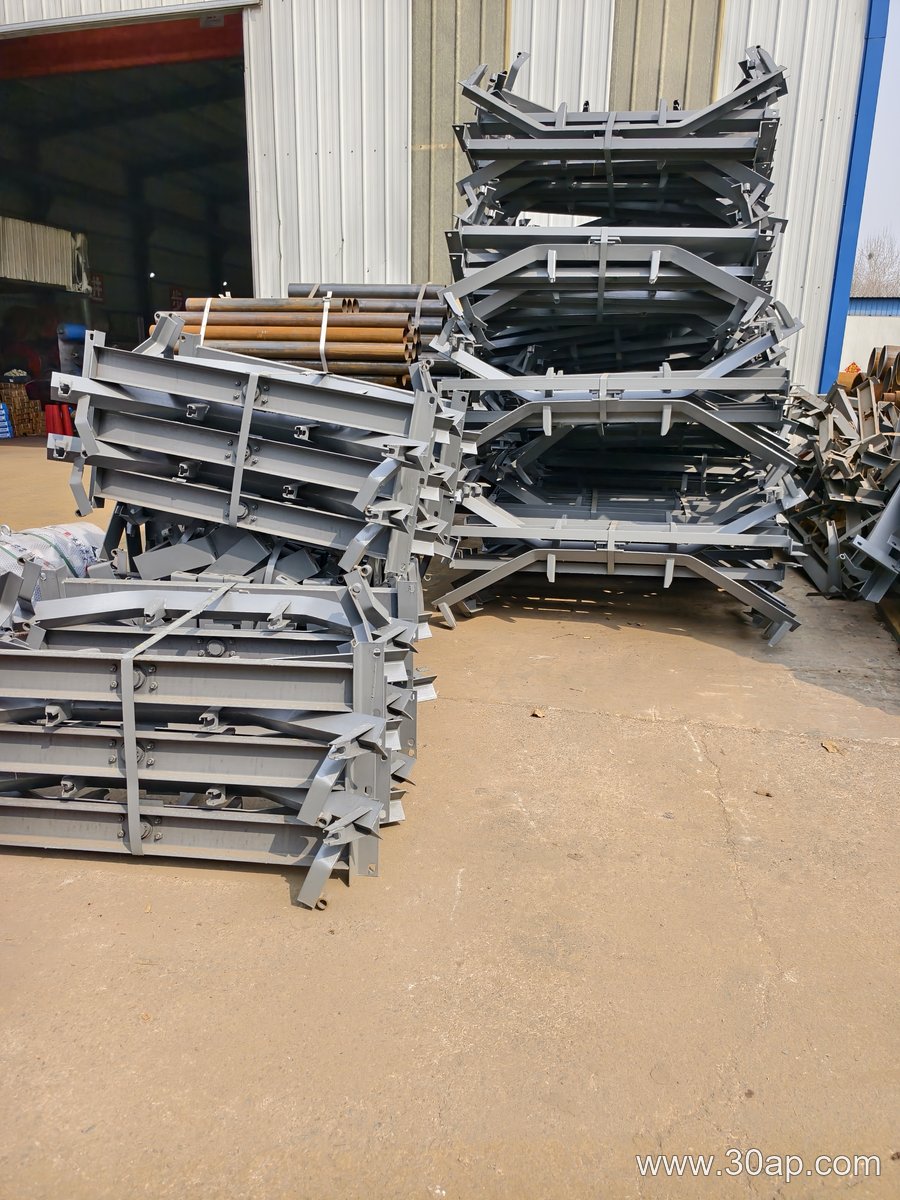
Key Selection Criteria for Conveyor Brackets
- Material grade: For abrasive or corrosive environments, choose hot-dip galvanized or stainless steel brackets. Mild steel with epoxy paint suits dry, indoor applications only.
- Roller slot geometry: Ensure slots match your idler’s bolt pattern (e.g., 35° or 45° trough angles). A universal slotted bracket offers field adjustability but reduces rigidity—use fixed-angle brackets where vibration is high.
- Load rating: Verify static and dynamic capacity against actual belt speed, material density, and lump size. Never guess—request OEM load charts.
- Mounting type: Weld-on brackets are permanent and strong; bolt-on brackets allow easy replacement. For retrofit projects, always check existing stringer hole spacing.
Purchasing and Quality Control Advice
When sourcing conveyor brackets, ask for a coating thickness test (galvanized ≥ 85 microns) and dimensional report per ISO 2768-m. Inspect weld seams for porosity, and verify that all edges are deburred to protect your belt. For export, confirm palletization and stacking strength—brackets are heavy and can distort if poorly crated. Finally, request a sample bracket for on-site trial before bulk ordering. This small step ensures your conveyor line runs true for years.
Why the Right Conveyor Belt Defines System Efficiency
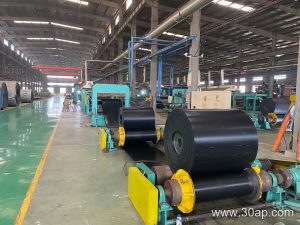
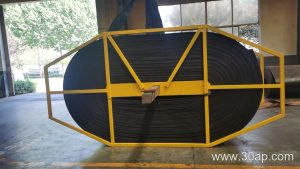
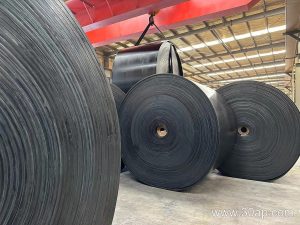
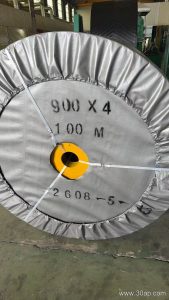
The conveyor belt is not a passive component; it is the dynamic interface between your product and your process. Choosing the wrong belt leads to spillage, premature wear, and unplanned downtime. This guide focuses on the belt itself—its carcass, cover, and profile—so you can specify with confidence.
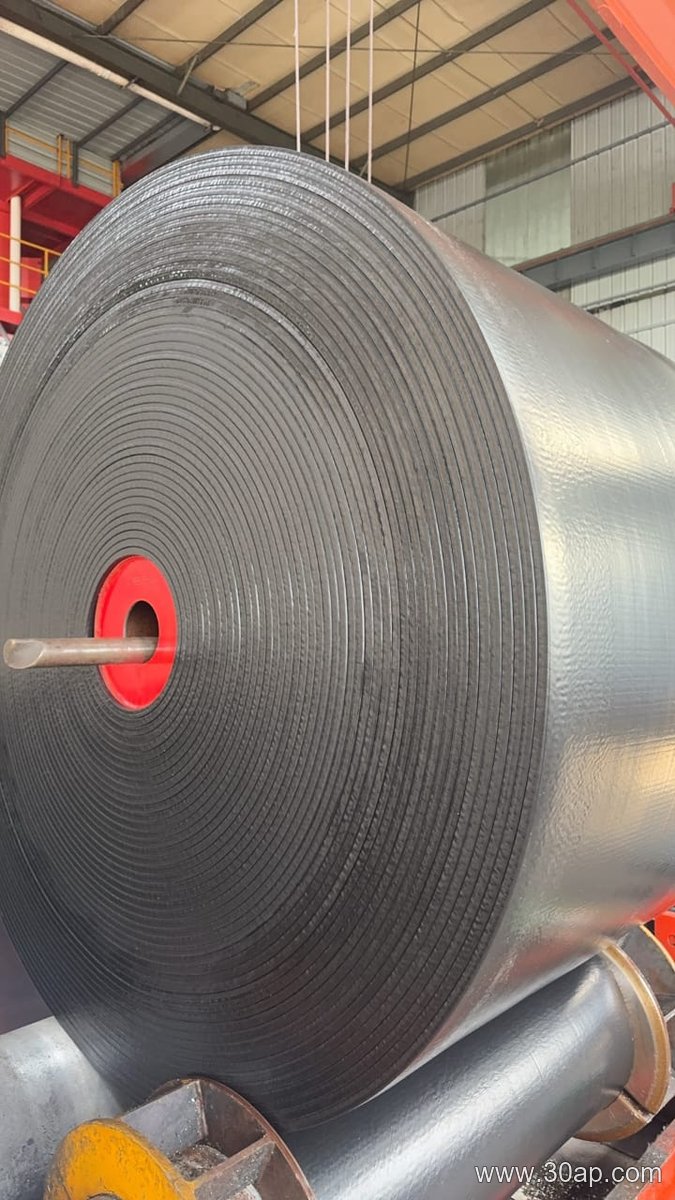
Core Criteria for Industrial Conveyor Belts
- Load and impact: For heavy or abrasive bulk materials, select a multi-ply or steel-cord belt with a thicker rubber top cover (e.g., 8:3 or 10:5 construction). For light packaged goods, a single-ply PVC or PU belt is sufficient.
- Environment and temperature: Use heat-resistant belts (EPDM or chlorobutyl) for hot clinker or sinter; use oil- and grease-resistant NBR covers for machining swarf. For cold storage, a belt with low-temperature flexibility is mandatory.
- Profile and tracking: V-guided, cleated, or chevron belts are chosen based on incline angle and product stability. A cleated belt (up to 45° incline) prevents rollback, while a plain belt is best for horizontal sliding.
- FDA and safety: For food handling, ensure the belt meets FDA or EU 1935/2004 standards and is easy to clean—look for seamless, non-absorbent covers.
Purchasing and Maintenance Advice
Always request a belt with a guaranteed elongation below 1.5% under rated tension, and confirm the splicing method (endless or mechanical) matches your installation space. Buy from a supplier that provides technical drawings and a written service life for your specific duty cycle. Inspect edge wear and pulley alignment monthly; a well-chosen belt will outlast your motor if managed correctly.
Why the Idler Roller Defines Your Conveyor’s Performance
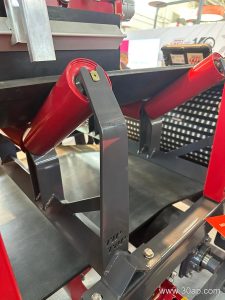
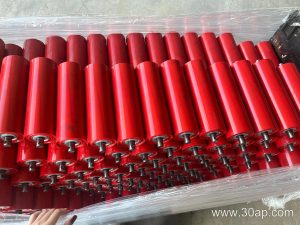
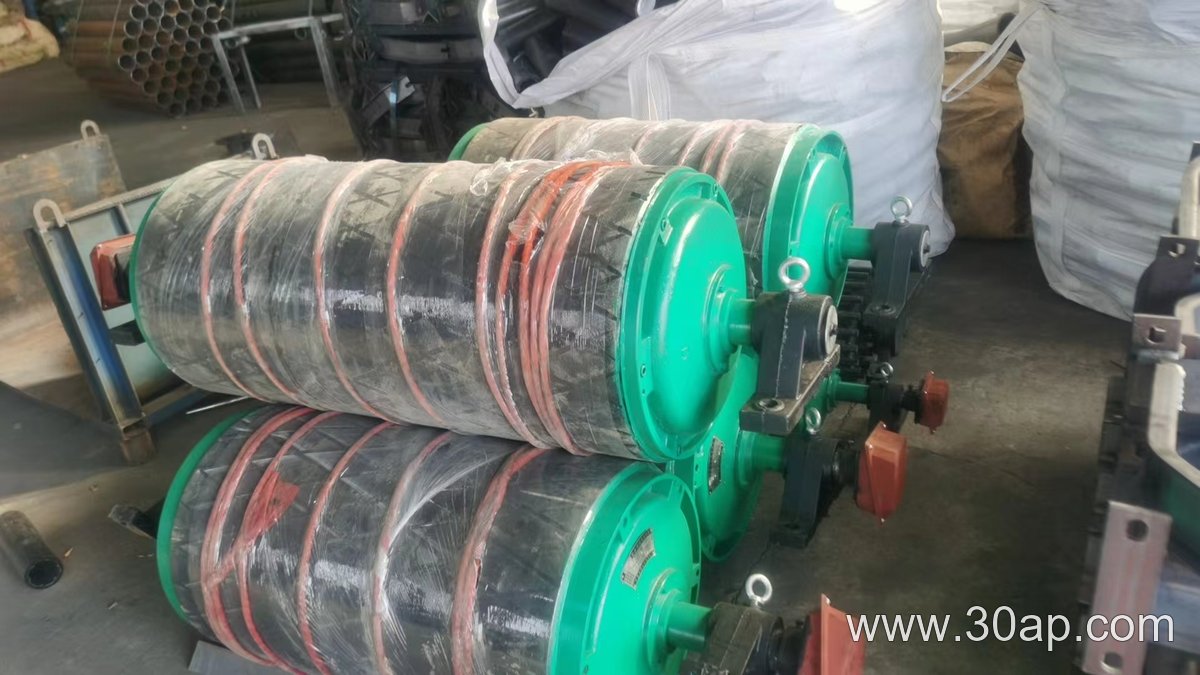
The idler roller is the unsung workhorse of any bulk handling system. It supports the belt, absorbs impact, and guides material flow—yet a poorly selected roller can cause belt misalignment, premature wear, and costly downtime. For industrial buyers, understanding roller design is not optional; it is a direct lever on operational efficiency.
Key Selection Criteria for Idler Rollers
- Load and belt speed: Match roller diameter and wall thickness to your peak tonnage. Heavier loads demand steel or HDPE rollers with reinforced bearings.
- Environment: In dusty or corrosive settings, choose sealed bearings and rubber disc covers to prevent contamination. For wet conditions, opt for stainless steel or polymer shells.
- Trough angle: Standard 20°, 35°, or 45° troughing idlers affect belt tracking. Test your material’s repose angle to avoid spillage.
- Maintenance access: Quick-change cartridge designs reduce replacement time. Always verify shaft tolerances and frame compatibility before ordering.
Purchasing Advice That Saves Money
Never buy solely on price. Instead, ask suppliers for load ratings per ISO 1537 and request a sample for a field trial. Also, standardize roller diameters across your plant to minimize spare part inventory. Finally, inspect the idler roller’s runout—excessive eccentricity accelerates belt fatigue. A quality roller may cost 15% more upfront but can extend belt life by years, making it the most profitable component you can invest in.
Understanding Conveyor Pulley Fundamentals
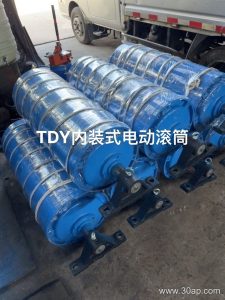
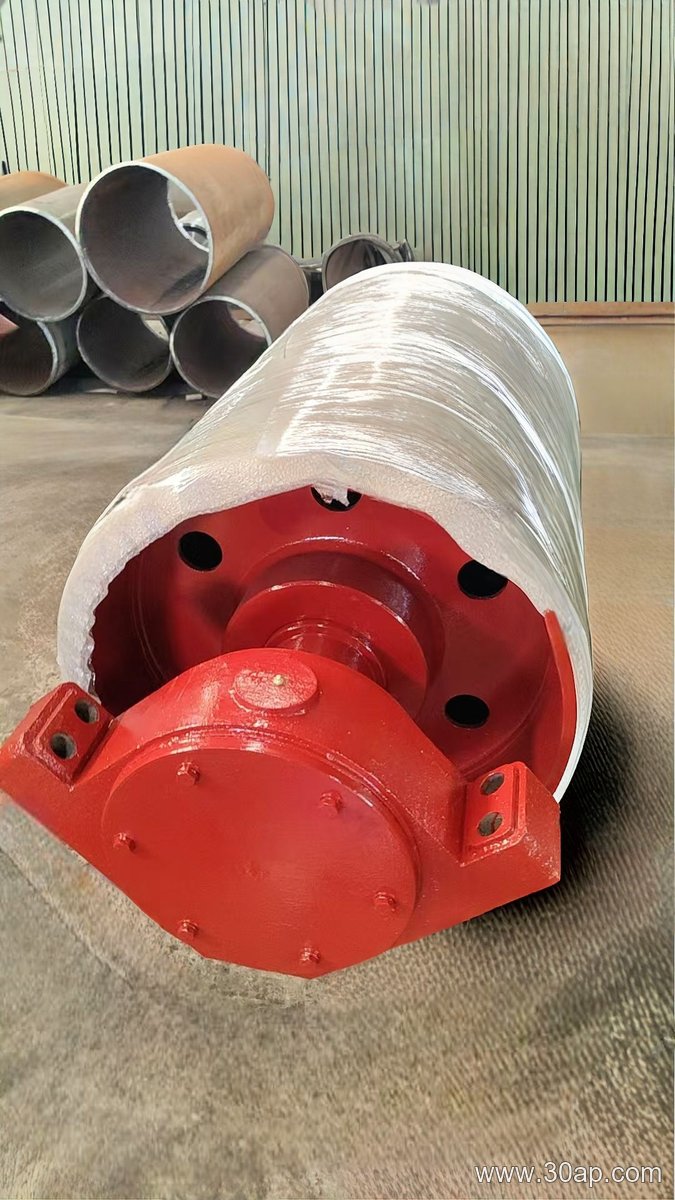
The conveyor pulley is the critical rotating component that drives, redirects, or tensions a belt system. Without a correctly engineered pulley, even the best belt and motor will fail prematurely. Pulleys are categorized by function: drive (head), tail, bend, and take-up. Each type experiences different loads, so matching the pulley to its duty is your first purchasing decision.
Key Specifications for Your Application
- Diameter and face width – must match belt width and minimum bend radius to avoid over-stressing the belt carcass.
- Shaft and hub design – check for keyway stress, locking elements, and fatigue resistance under cyclic torque.
- Lagging type – rubber, ceramic, or grooved lagging improves traction on drive pulleys and protects against wear.
- Shell thickness and crown profile – a crowned face aids belt tracking, while thicker shells resist impact and abrasion.
Selection and Purchasing Advice
Always calculate the effective belt tension (Te) and wrap angle before asking for quotes. For high-tonnage or abrasive materials, invest in heavy-duty pulleys with forged or machined hubs. Request a detailed engineering drawing and confirm that the pulley meets CEMA or ISO standards. Also, specify the environmental conditions: dust, moisture, or chemicals dictate the need for stainless steel, sealed bearings, or special coatings. Finally, compare total cost of ownership—not just the purchase price. A slightly more expensive pulley with better seals and thicker lagging will save downtime and replacement costs. Ask the supplier for a finite element analysis (FEA) report when operating at high speed or with shock loads.