What a Heavy-Load Conveyor Idler Does
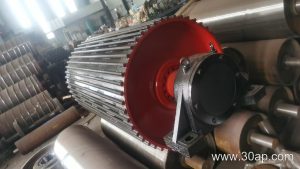
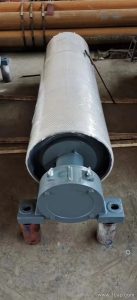
A heavy-load conveyor idler is a robust roller assembly that supports the conveyor belt and the material load along the carrying and return runs of a bulk handling system. It is not a drive component; the drive, tail, and bend pulleys handle power transmission and direction changes, while the idler rollers carry the belt and absorb the daily wear of tons of ore, coal, clinker, or aggregate. In a crushing circuit at a copper mine or a coal yard feeding a power plant, these rollers keep the belt tracking smoothly and reduce the energy needed to move the load.
The same product is often called a heavy-duty conveyor roller or a heavy-duty idler roller. That equivalent name refers to the same item, not to a drive pulley or a different roller type. The distinguishing feature is the load rating: thicker wall tube, larger shaft, and heavier bearings than a standard-duty roller.
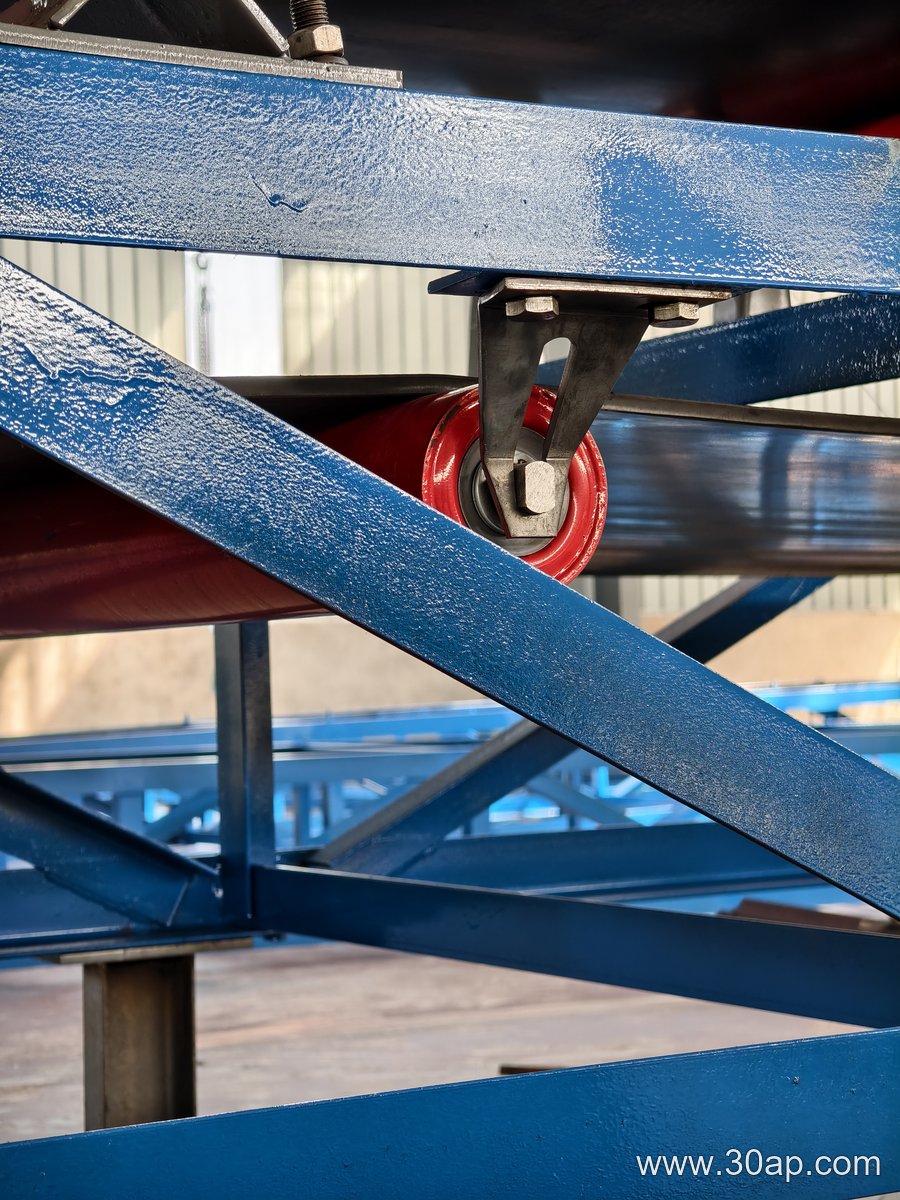
How the Roller Is Built
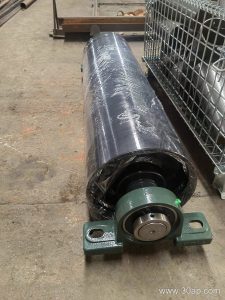
Construction starts with a steel tube shell, typically seamless or welded, machined at both ends to accept bearing housings. The shaft is usually cold-drawn or turned, with a diameter matched to the calculated load and belt speed. Bearings sit in sealed housings; common bearing numbers include 6204, 6205, 6305, 6306, 6308, 6310, and larger sizes for very heavy service. Labyrinth seals or contact seals keep out fine dust and water, which is critical in a limestone quarry or a cement plant where airborne particles are constant.
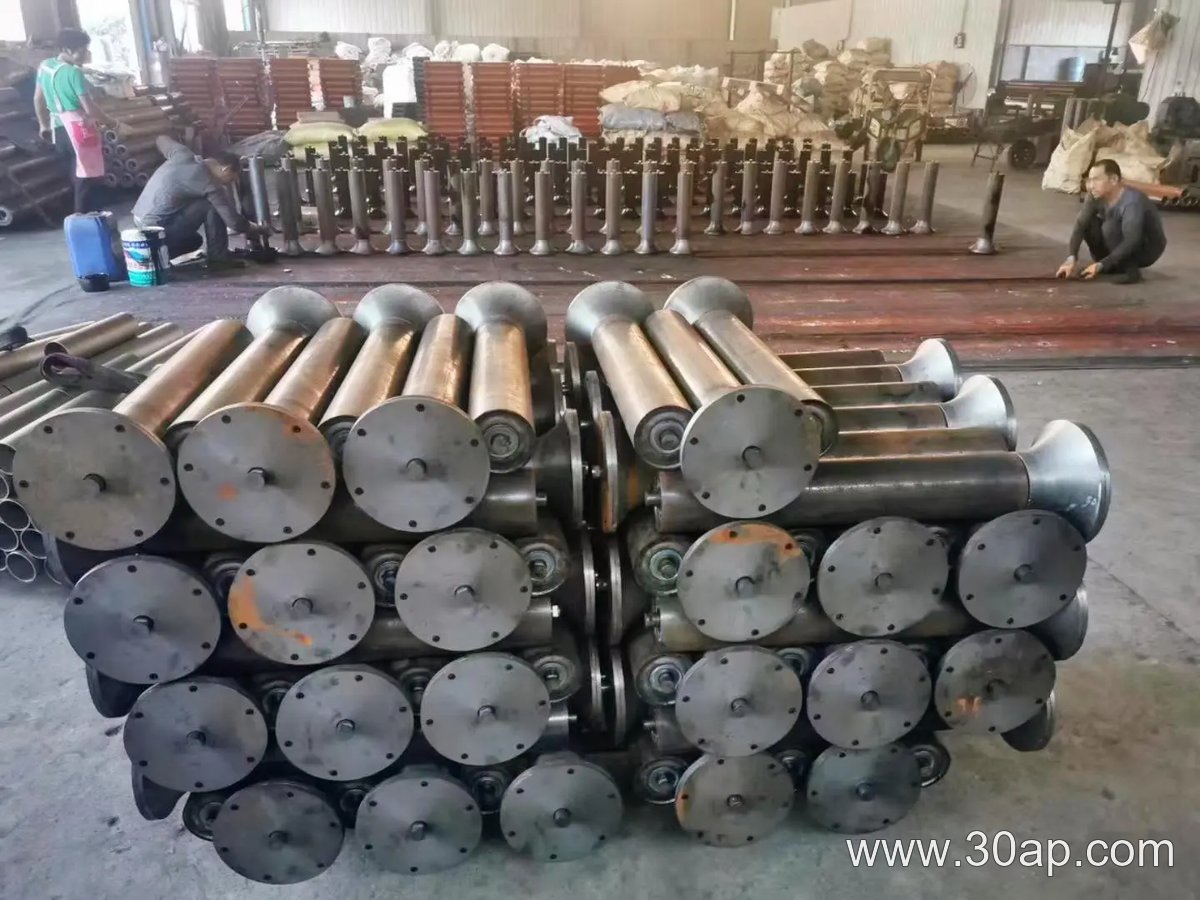
Surface form can vary. A plain steel shell is common for general service, while a rubber ring surface or ceramic coating may be chosen where impact or abrasion is severe. Nylon shells appear in some lighter corrosive duties but are less common in true heavy-load positions. The choice depends on material lump size, drop height, and belt width, not on a single fixed rule.
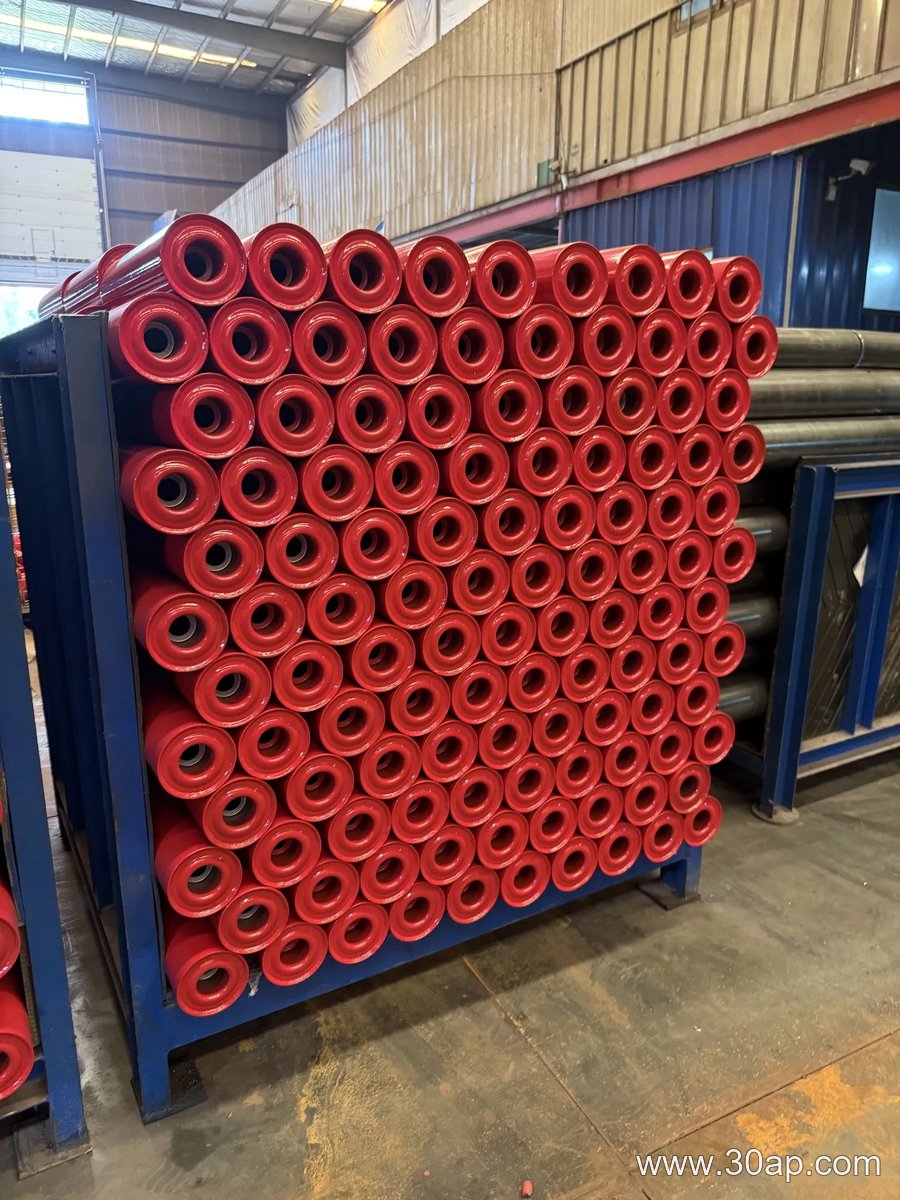
Where It Fits in the Conveyor
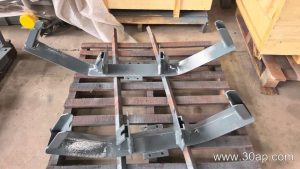
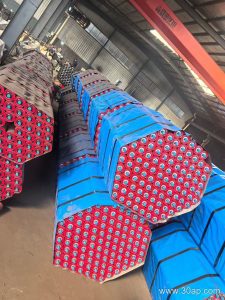
Heavy-load idlers appear in several locations. On the carrying side, three-roll troughing sets at 20, 30, 35, or 45 degrees form the belt into a trough. On the return side, flat or V-return rollers support the empty belt. Impact rollers with rubber rings are placed under loading chutes to absorb the drop energy of large lumps. Transition idlers sit between the last troughing set and the pulley to reduce belt edge stress.
Typical industries include iron ore and copper mines, coal preparation plants, sand and gravel lines, cement kilns and clinker coolers, power station coal handling, and port bulk terminals. The idler roller does not replace the conveyor pulley, nor does a drive pulley substitute for a carrying idler; each has a separate role.
Common Dimensions and Bearing References
The following values are common examples, not universal specifications or a supply promise. Final dimensions should be confirmed by the conveyor designer.
| Belt width | Typical 3-roll troughing roller length | Common roller diameter range | Bearing examples |
|---|---|---|---|
| B500 | About 200 mm | Ø63 to Ø89 | 6204, 6205 |
| B650 | About 250 mm | Ø76 to Ø108 | 6205, 6305 |
| B800 | About 315 mm | Ø89 to Ø133 | 6305, 6306 |
| B1000 | About 380 mm | Ø108 to Ø159 | 6306, 6308 |
| B1200 | About 465 mm | Ø108 to Ø178 | 6308, 6310 |
| B1400 | About 530 mm | Ø133 to Ø194 | 6310 and larger |
| B1600 | About 600 mm | Ø133 to Ø219 | 6310 and larger |
| B1800 to B2400 | About 670 mm to 750 mm or more | Ø159 to Ø219 | Heavy series |
Side rollers and center rollers may differ in length within the same troughing set. The table is a starting point for discussion, not a fixed match between one belt width and one roller diameter or shaft size.
What a Buyer Should Check
- Load per roller, belt speed, and material density from the conveyor design.
- Roller diameter, shaft diameter, and bearing series as a set, not as isolated numbers.
- Seal type for dusty or wet conditions, especially in coal or cement service.
- Surface form: steel, rubber ring, ceramic, or nylon, based on impact and abrasion.
- Mounting details and conveyor bracket compatibility, including hole spacing and frame type.
- Troughing angle and transition distance to avoid belt edge damage.
A heavy-load conveyor idler is a wear item, so repairability and consistent dimensions matter. When replacing rollers, match the existing bracket and frame, verify the shaft end type, and confirm that the bearing and seal arrangement suits the actual environment. For a coal plant or a sand and gravel line, that attention to detail extends roller life and keeps the conveyor belt running true.