What an Anti-Misalignment Idler Does
An anti-misalignment idler is a conveyor idler designed to correct belt drift rather than simply support the belt. On a long conveyor, small side loads, uneven loading, or a slightly off-center tail pulley can push the belt toward one side. A standard idler roller will keep rolling, but it will not actively guide the belt back. The anti-misalignment type, often called a self-aligning idler or training idler, uses a pivoting frame or angled rollers to create a corrective force when the belt moves off track.
The idea is simple. When the belt contacts the steering roller or the angled side roller, the frame rotates slightly. That rotation changes the direction of the roller relative to the belt path, and the belt is gently pushed back toward the center. It is not a substitute for proper alignment of the conveyor pulley and conveyor bracket, but it reduces the need for frequent manual adjustment.
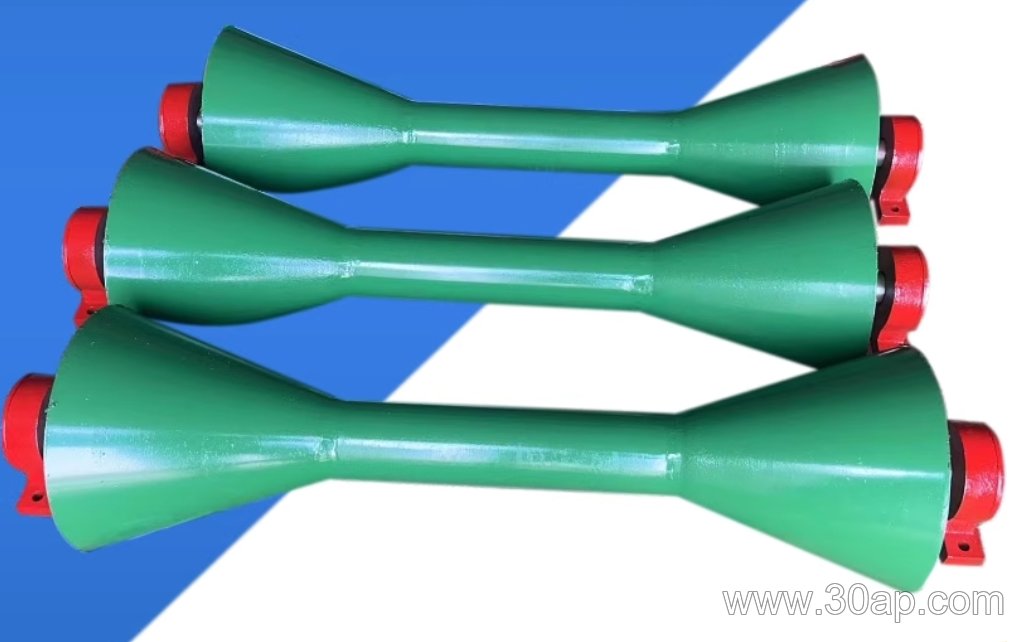
How the Idler Is Built
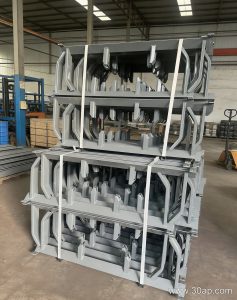
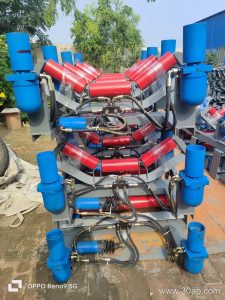
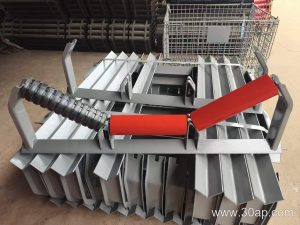
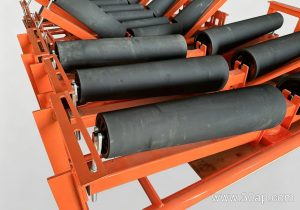
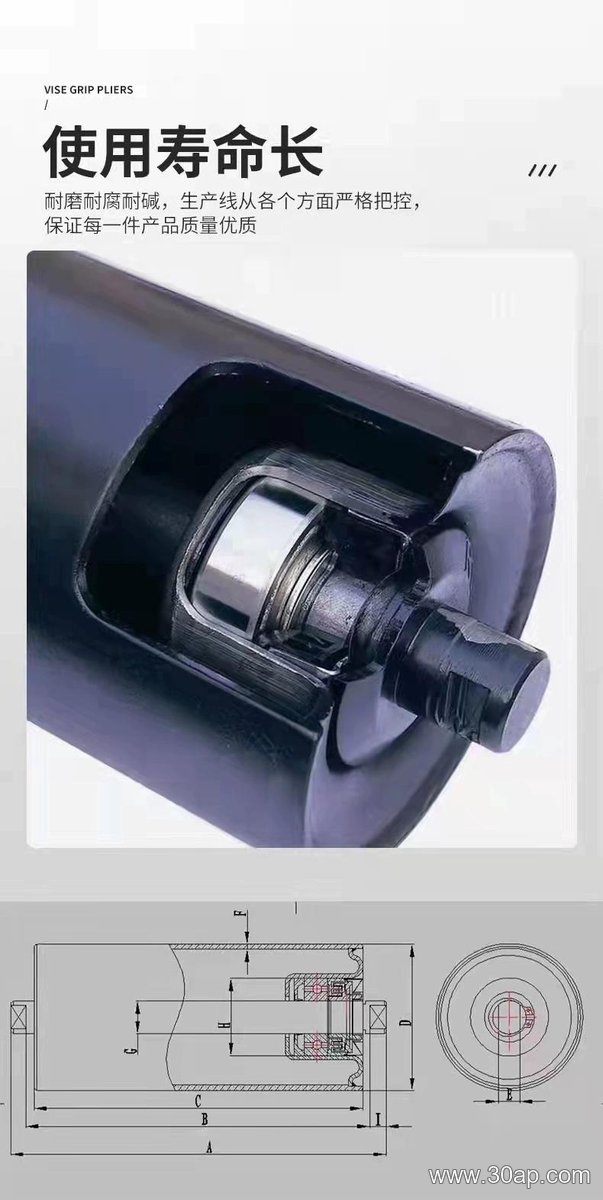
A typical unit starts with a sturdy steel frame that pivots on a central shaft or bearing seat. The rollers may be arranged as a two-roll V shape, a three-roll trough set, or a five-roll set for wider belts. The roller shell is often a steel tube, but nylon, rubber rings, or ceramic surfaces are available for different conditions. Bearings are usually sealed deep-groove ball bearings, with common sizes such as 6205, 6305, or 6306. The shaft diameter is determined by the load and the frame design, not by belt width alone.
Some designs use a friction disc or a tapered roller to sense belt drift. Others rely on a small vertical steering roller that touches the belt edge. The pivot point is usually located so that the belt force itself turns the frame. This means no motor, no sensor, and no external power are needed. The idler works passively, using the belt’s own movement to correct its path.
Where It Fits on the Conveyor
Anti-misalignment idlers are most useful on the carrying side, especially after a loading point where material can land off-center. They are also placed on the return side to keep the belt from rubbing against the frame. In a quarry or a sand and gravel line, a self-aligning idler is often installed every 30 to 50 meters on long sections. In a coal handling plant or a power station coal yard, they help control drift caused by wind or uneven loading.
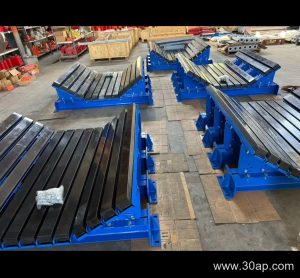
One common choice for the return strand is the Ø108 Self-Aligning Idler, which is used on medium-width belts to keep the empty belt centered before it reaches the tail pulley. For impact zones under a crusher or a transfer chute, a Conveyor Impact Idler is used instead, because it absorbs falling material and protects the belt. A Stainless Steel Idler may be selected in a fertilizer plant or a food-grade facility where corrosion resistance matters. In a wide conveyor at a port or a large stockyard, a Five-Roll Idler Set can be used to support the belt and provide steering across the full width.
Roller Diameter, Belt Width, and Trough Angle
There is no single rule that ties one belt width to one roller diameter. Common roller diameters for conveyors include Ø89, Ø108, Ø133, Ø159, and Ø194. A B800 belt might use Ø89 or Ø108 rollers, while a B1200 belt may use Ø133 or Ø159, depending on the load and the idler spacing. The trough angle also matters. For a three-roll set, common angles are 20, 30, 35, and 45 degrees. A 35-degree trough is a frequent choice for bulk materials, while a 45-degree trough gives a deeper belt profile for higher capacity.
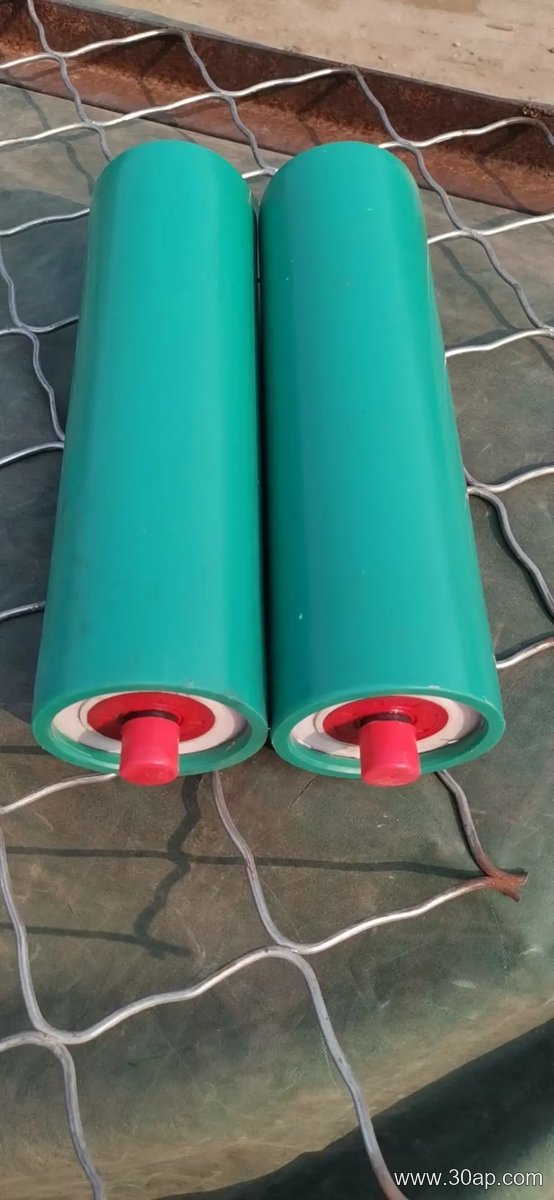
Roll length changes with belt width and trough angle. For example, a three-roll trough set may use a side roller of about 200 mm for B500, 250 mm for B650, 315 mm for B800, 380 mm for B1000, and 465 mm for B1200. These are common examples, not fixed rules. The center roller can be different from the side rollers. The frame width and the conveyor bracket spacing must match the actual design.
Materials and Surface Options
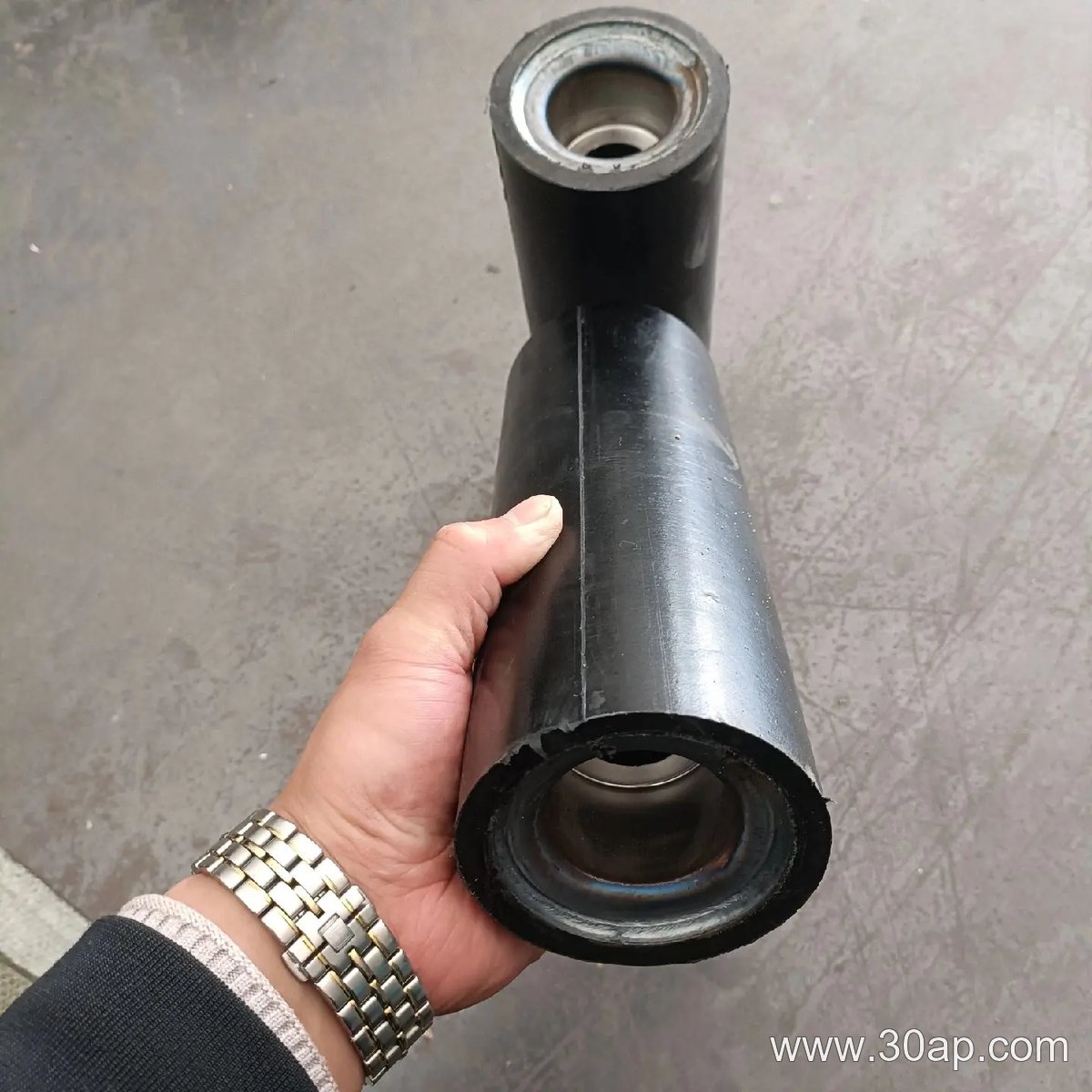
The roller surface can be plain steel, nylon, rubber rings, or ceramic. Rubber rings are useful in impact areas because they cushion the belt and reduce noise. Ceramic is chosen for abrasive materials where wear is a concern. For corrosive environments, a stainless steel roller shell or frame may be specified. The bearing housing is usually sealed with a labyrinth or contact seal to keep out dust and water. In a cement plant or a tunnel boring project, dust and moisture are common, so a good seal matters more than a fancy surface.
What a Buyer Should Check
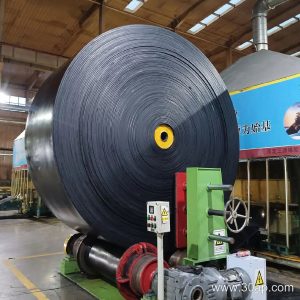
Before requesting an Idler Quotation, gather the belt width, the trough angle, the roller diameter, the shaft size, and the mounting dimensions. Also note the belt speed, the material being carried, and whether the location is on the carrying side or the return side. For a self-aligning idler, the pivot design and the steering roller position are important. Ask whether the frame is fixed or adjustable, and whether the rollers are replaceable. A good supplier will ask about the conveyor pulley alignment and the condition of the conveyor belt, because a worn belt or a misaligned pulley can defeat even the best training idler.
Installation should follow the manufacturer’s spacing recommendation. Too few self-aligning idlers may not control the belt, while too many can create unnecessary drag. In most cases, one anti-misalignment idler every 30 to 50 meters on a long conveyor is a reasonable starting point, but the final number depends on the belt length, the load, and the alignment history. Regular inspection of the idler roller, the frame pivot, and the conveyor bracket will keep the system working. If the belt still drifts, check the conveyor pulley and the loading chute before adding more idlers.