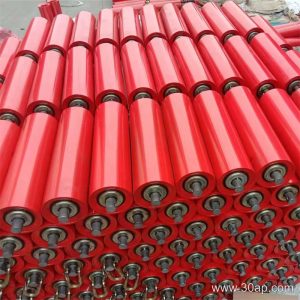
Idler Roller: The Backbone of Conveyor Performance
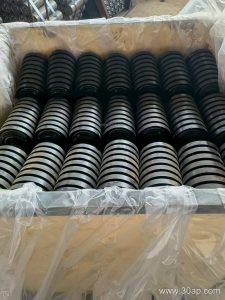
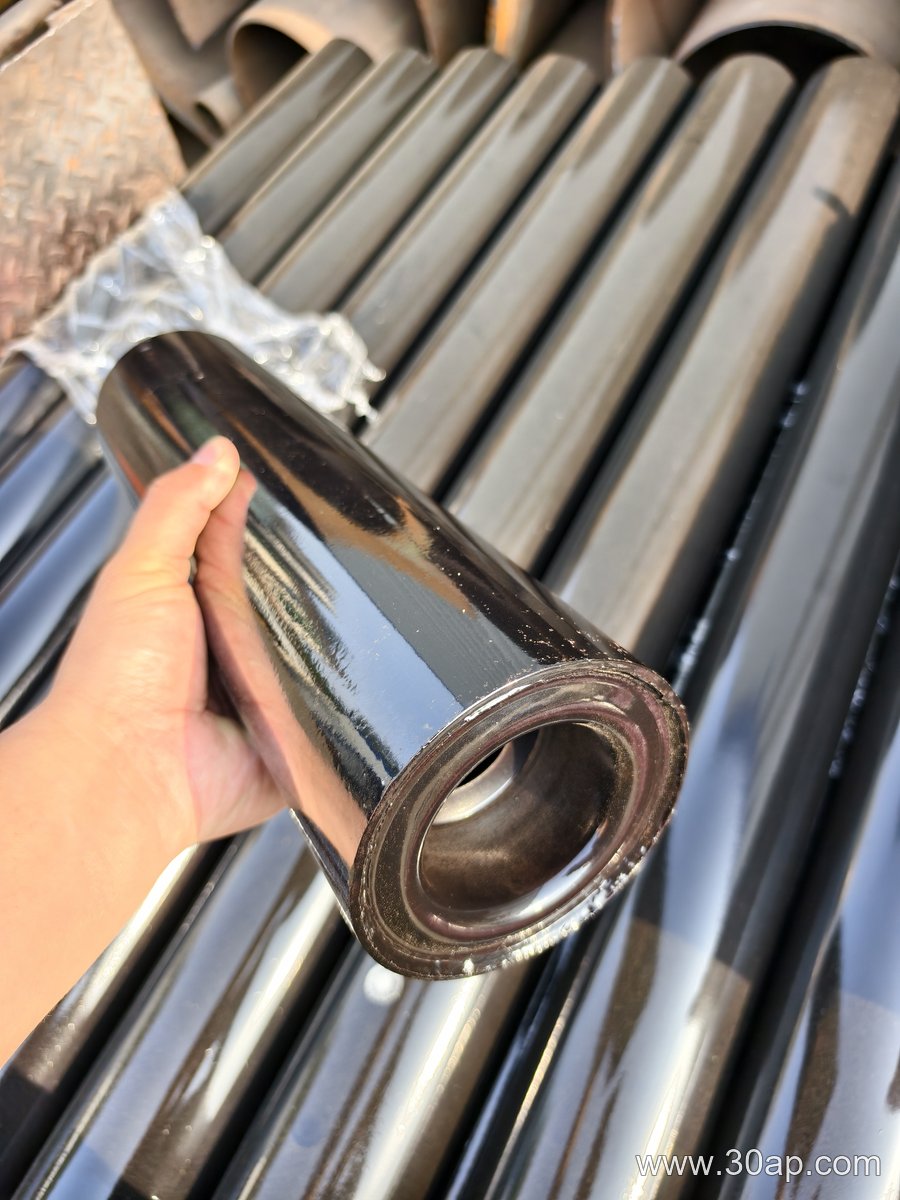
An idler roller supports the conveyor belt and the material load, reducing friction and preventing belt sagging. Its quality directly affects operational efficiency, belt lifespan, and energy consumption. Selecting the wrong type can lead to premature failure, spillage, and costly downtime.
Key Selection Criteria for Idler Rollers
- Load rating: Match the roller’s dynamic capacity to your maximum material weight, including impact zones.
- Belt speed and diameter: Ensure the roller’s rotational speed and shell diameter suit your conveyor’s linear speed to avoid overheating.
- Sealing system: Choose labyrinth or contact seals based on dust, moisture, and abrasive conditions.
- Material of construction: Steel for heavy duty, HDPE for corrosive or food-grade environments, and rubber-coated for noise reduction.
Purchasing Advice for Long-Term Value
Always verify the roller’s runout tolerance (typically below 0.7 mm) and concentricity to prevent belt vibration. Ask for certified test reports on radial load and impact resistance. Also, consider interchangeability with your existing frames to simplify maintenance. For high-wear applications, invest in rollers with replaceable bearings and a robust lubrication system. Finally, compare total cost of ownership—not just unit price—including energy savings from low rolling resistance and extended service intervals.
Understanding Conveyor Pulley Fundamentals
The conveyor pulley is the core mechanical component that drives, redirects, or tensions a conveyor belt. Its design directly affects belt tracking, load support, and system energy efficiency. For industrial buyers, choosing the wrong pulley leads to premature belt wear, downtime, and increased maintenance costs.
Key Specifications to Evaluate
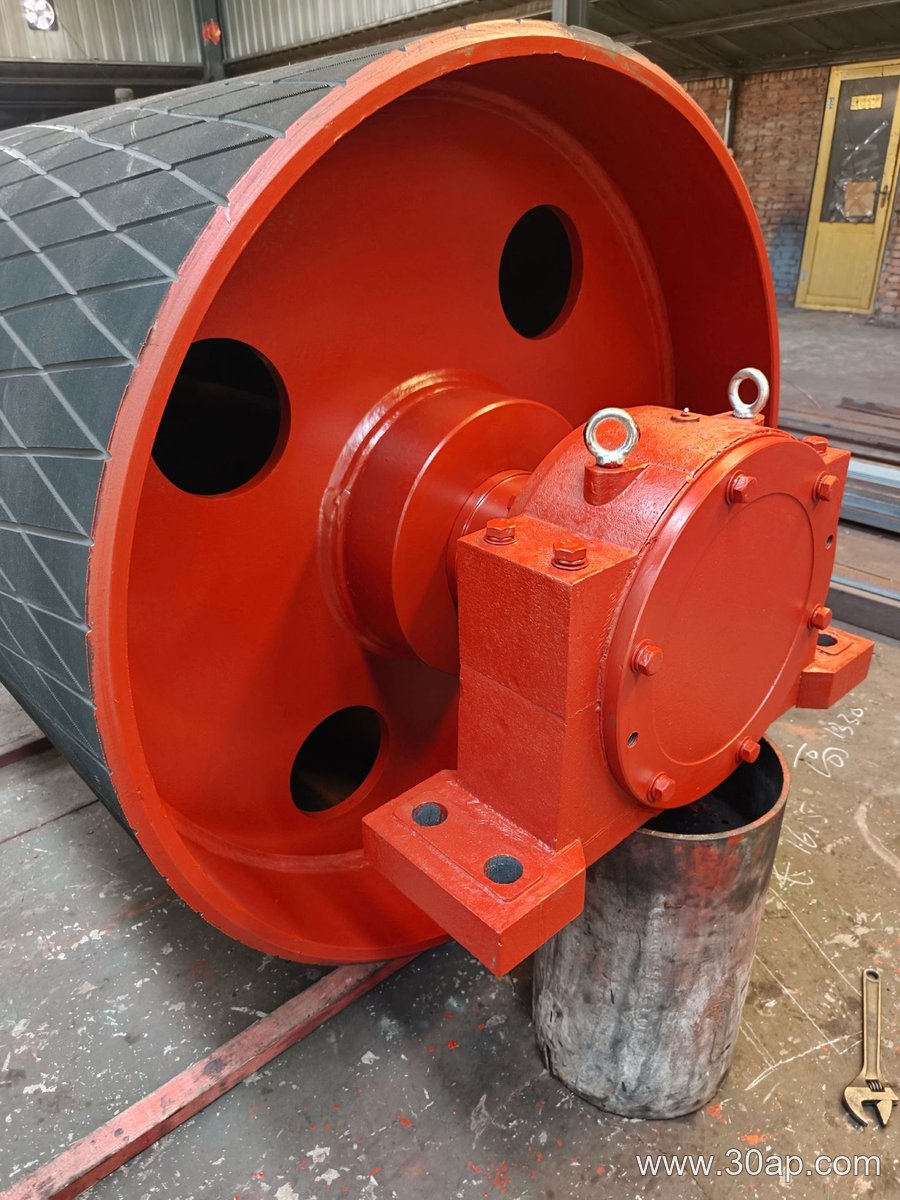
- Diameter and face width: Match pulley diameter to belt speed and tension, and ensure face width exceeds belt width by 100–200 mm for proper tracking.
- Shaft and bearing capacity: Calculate dynamic load including belt weight, material load, and starting torque. Use CEMA ratings for standard applications.
- Lagging type: Rubber lagging (plain or ceramic) improves friction and reduces slippage; ceramic is best for wet or steep inclines.
- Shell material: Choose steel for general use, stainless for corrosive environments, and consider drum or wing design for material buildup resistance.
Application-Specific Selection Advice
For head pulleys (drive pulleys), prioritize high-friction lagging and a larger diameter to handle peak torque. Tail and take-up pulleys require self-cleaning wing designs in abrasive bulk handling. Snub pulleys need smaller diameters but must be positioned accurately to increase belt wrap angle.
Purchasing Checklist
- Verify pulley balance grade (ISO 1940 G16 or G6.3) for high-speed systems.
- Request dimensional and welding certifications.
- Confirm hub and bushing compatibility with your existing shaft.
- Ask about crowning – a 1–2 mm crown helps center the belt.
- Compare total cost of ownership: quality pulleys last 3–5 years longer than budget alternatives.
Always provide your belt width, speed, tension, and material type to the manufacturer. A correctly engineered conveyor pulley reduces energy consumption by up to 15% and extends belt life significantly.
Why the Conveyor Bracket Determines System Reliability
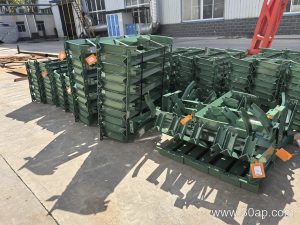
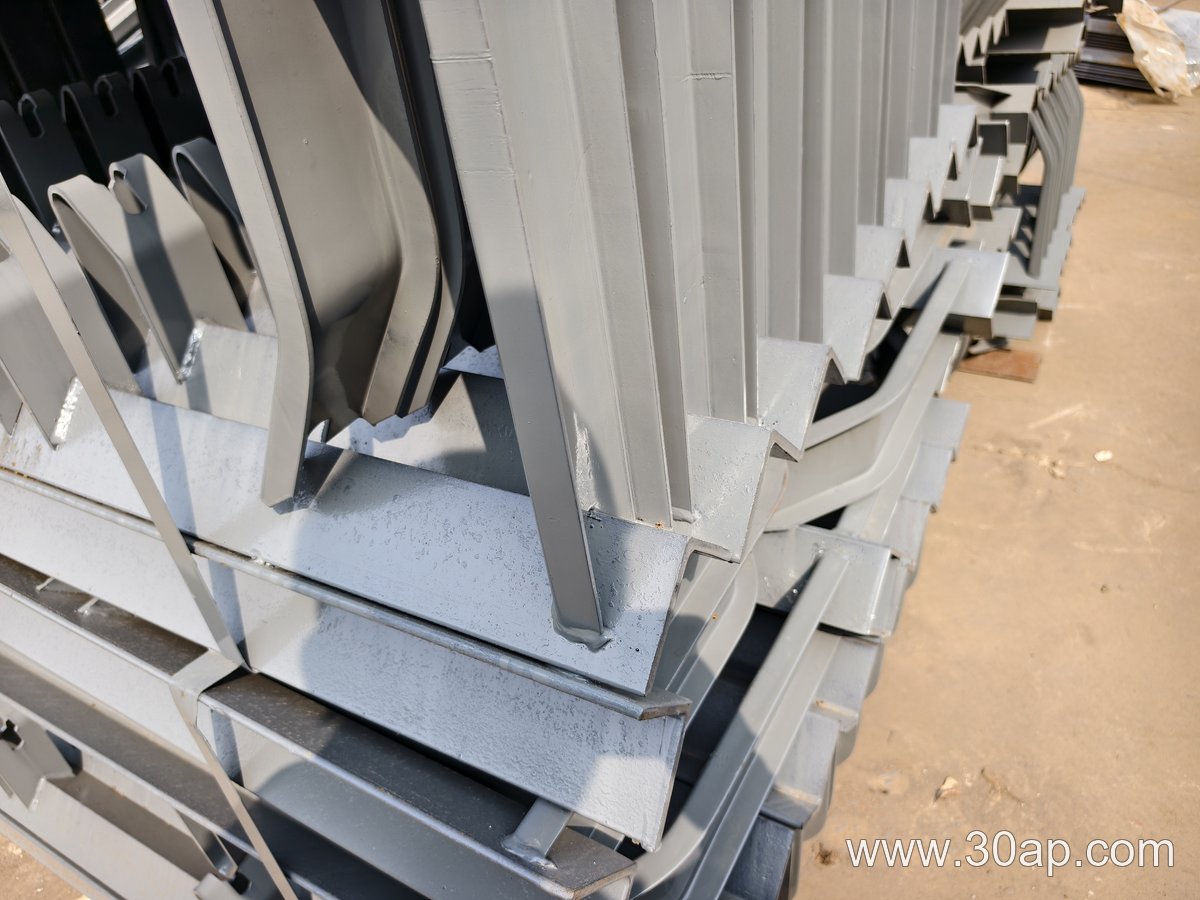
The conveyor bracket is the structural link that secures rollers, idlers, and frames to your conveyor’s support structure. A poorly selected bracket causes misalignment, vibration, and premature wear—often long before the belt or motor fails. For industrial buyers, understanding load rating, material grade, and mounting geometry is essential.
Selection Criteria for Heavy-Duty Operations
- Material: Choose hot-dipped galvanized steel for corrosive or outdoor environments; stainless steel (304/316) for food or chemical lines.
- Load capacity: Match the bracket’s dynamic rating to your peak belt tension and product weight, not just average load.
- Adjustability: Slotted or multi-position brackets simplify belt tracking and allow quick realignment during maintenance.
- Compatibility: Verify the bracket’s bolt pattern and shaft diameter against your existing idler or roller series.
Purchasing Advice: Avoid the Cheap-Bracket Trap
While a low-cost conveyor bracket saves money upfront, bending or cracking under load stops your entire line. Always request the manufacturer’s deflection test data. For retrofits, order one sample and test fit before bulk purchasing. Also, confirm if the bracket is welded, bolted, or clamp-on—bolted types ease future replacements in confined spaces.
Finally, check the bracket’s edge distance and weld quality. A clean, full-penetration weld at the base prevents sudden fatigue fractures. Properly specified and installed, a quality conveyor bracket delivers years of silent, maintenance-free service—the true measure of your system’s engineering integrity.
Conveyor Belt Fundamentals for Modern Operations
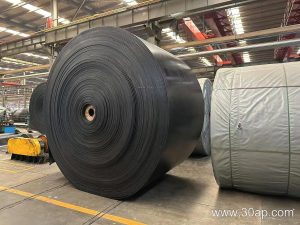
A conveyor belt is the circulatory system of any bulk handling or assembly line. Selecting the wrong belt causes downtime, product damage, and inflated energy costs. This guide focuses on what matters when specifying a conveyor belt for your facility.
Material and Construction Matters
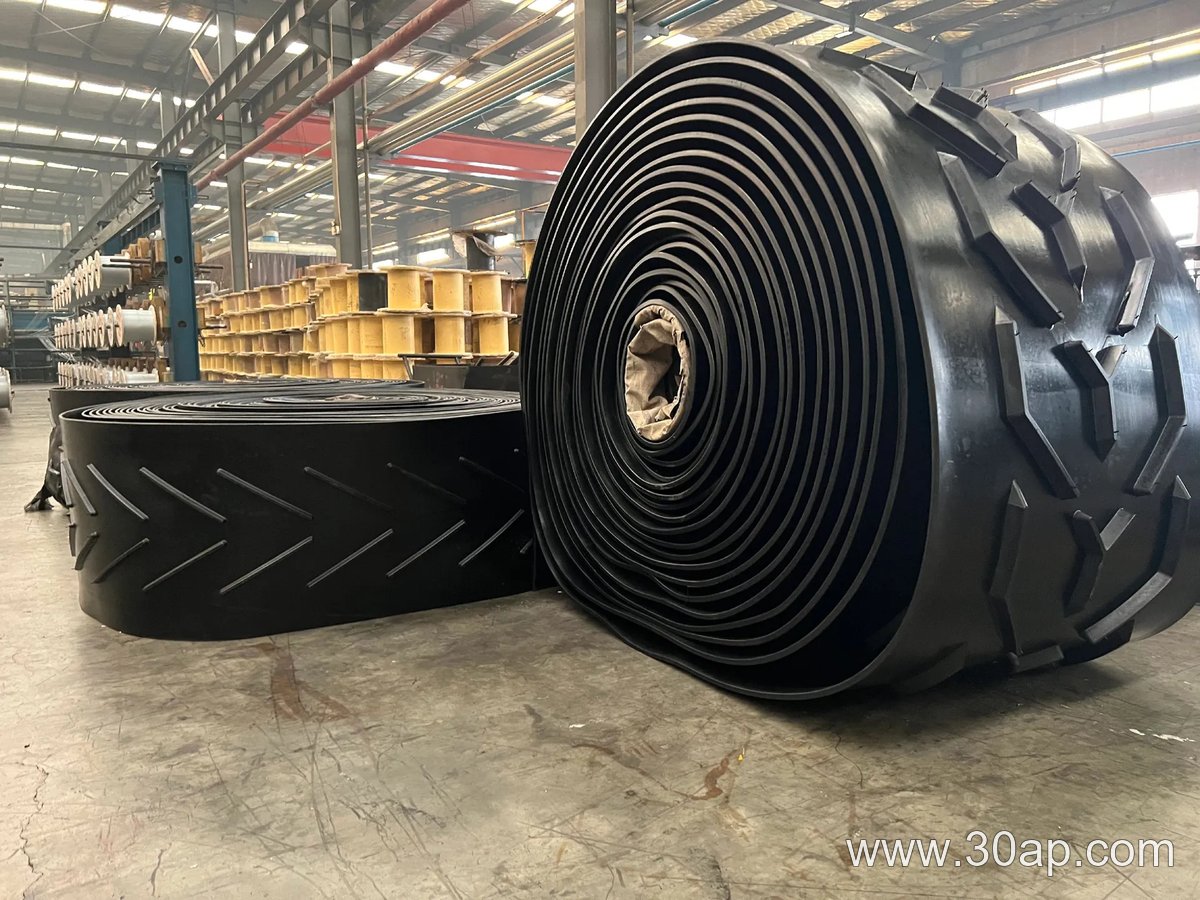
Rubber, PVC, polyurethane, and metal mesh each suit different loads. Rubber handles abrasive aggregates; PVC resists oils and is easy to clean. For high-temperature zones, use heat-resistant compounds. Always match the belt carcass (fabric or steel) to tension requirements.
Profile and Surface Design
- Flat belts for general transport and sorting.
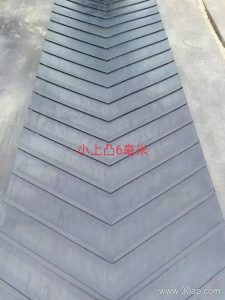
- Cleated or chevron profiles for inclined angles above 20 degrees.
- Sidewall belts prevent spillage on steep slopes.
Key Purchasing Criteria
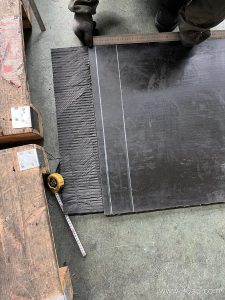
Measure belt width, length, and splice method (mechanical vs. vulcanized). Check load per meter and speed rating. Ask for a friction coefficient test—too slick causes slip; too grippy increases motor load.
Maintenance and Lifecycle Cost
Choose a belt with repair-friendly splicing kits and documented wear indicators. Budget for tracking systems and belt cleaners—they extend service life by up to 40%. Request a warranty covering edge fray and delamination.
Finally, always request a sample strip for field testing under your actual product type and temperature. A correctly specified conveyor belt reduces total cost of ownership more than any other mechanical component.