What Is an ST1250 Conveyor Belt
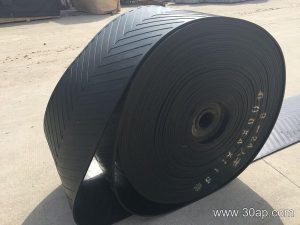
The ST1250 conveyor belt is a steel cord conveyor belt with a nominal tensile strength of 1250 N/mm. It belongs to the steel cord family of heavy-duty belts, where the load-bearing skeleton is made of high-carbon steel cords embedded in rubber. This construction gives the belt very low elongation under tension, excellent longitudinal flexibility, and strong resistance to impact and tearing. In large mining, coal, cement, and power plant operations, the ST1250 belt is often chosen for main haulage lines where reliability and long center distances matter.
An accurate equivalent name for the same product is steel cord conveyor belt ST1250. The “ST” prefix stands for steel cord, and the number indicates the breaking strength per unit width. It is not a fabric-reinforced belt, and it should not be confused with EP or NN belts, which use textile carcasses and are generally limited to shorter or less demanding conveyors.
Construction and Build
A typical ST1250 belt consists of several layers working together:
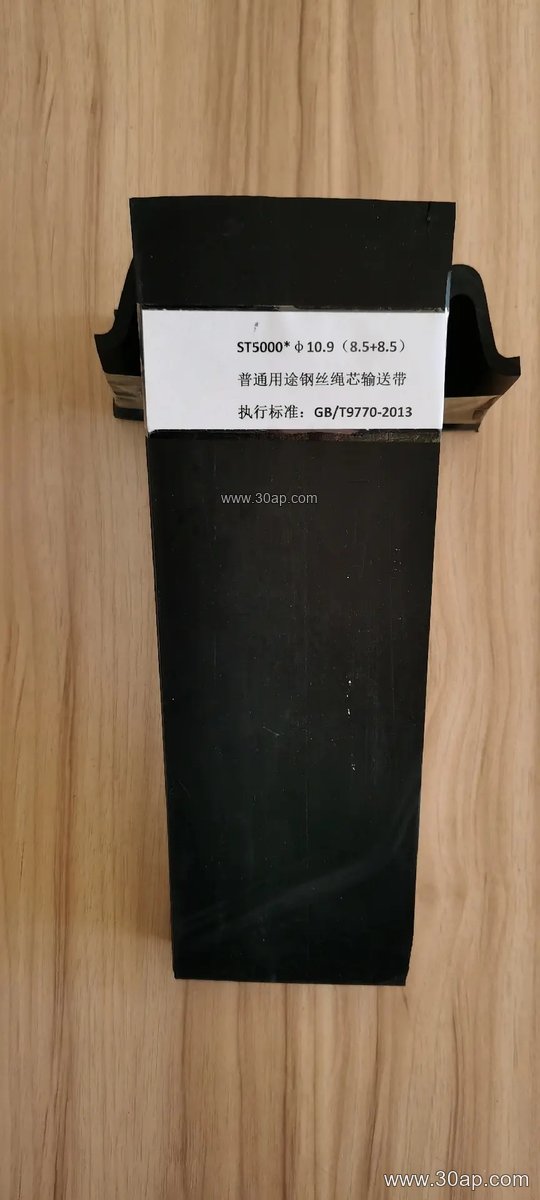
- Steel cord carcass – high-strength steel cords arranged in parallel, usually with a pitch that suits the belt width and pulley diameters. The cords carry the tension and limit stretch.
- Core rubber – bonds the cords and cushions them against dynamic loads.
- Top and bottom cover rubber – protects the carcass from abrasion, impact, moisture, and in some cases heat or oil. Common cover thickness combinations include 6+2 mm, 8+3 mm, and other values chosen by design.
- Edge construction – reinforced edges help resist edge wear and cord exposure on long haulage routes.
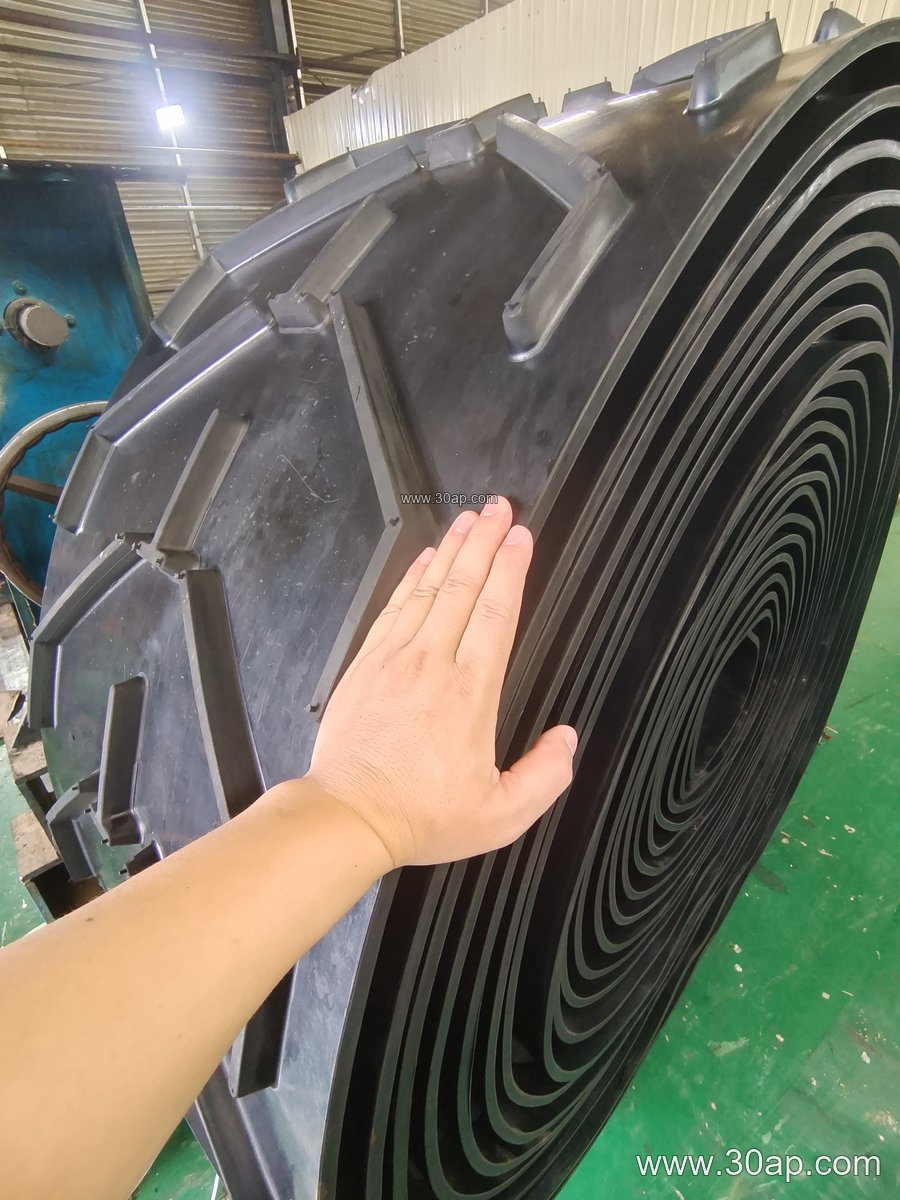
The belt is produced in a press vulcanization process that cures the rubber and bonds it to the cords. Because the steel cords carry most of the tension, an ST1250 belt can span long distances with fewer transfer points than a fabric belt. It also runs well on large-diameter conveyor pulleys and is less prone to stretch-related take-up problems.
Where ST1250 Belts Are Used
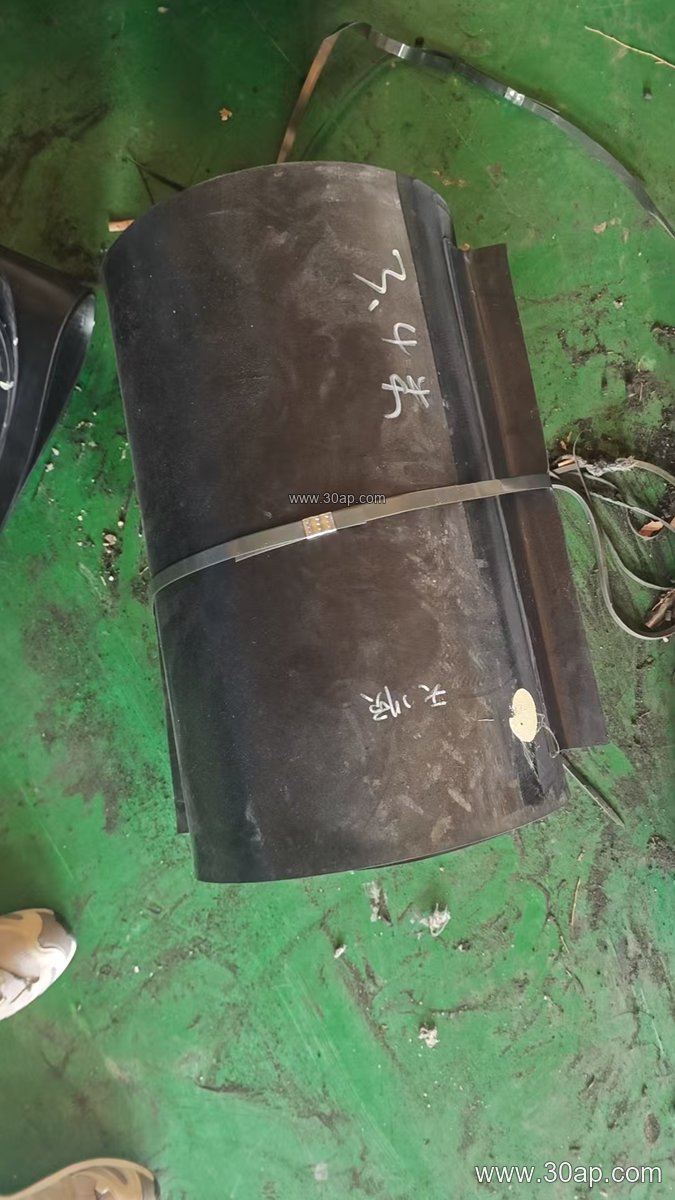
Steel cord belts like the ST1250 are common in bulk material handling where tonnage is high and routes are long. Typical industries include:
- Mining and mineral processing – ore, overburden, and concentrate transport.
- Coal preparation and coal-fired power plants – raw coal and ash handling.
- Cement plants – limestone, clinker, and raw meal conveying.
- Sand and gravel plants – aggregate transport over long distances.
- Ports and stockyards – ship loading and yard conveyors.
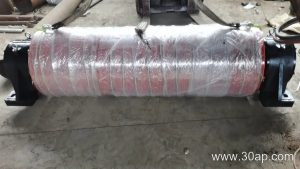
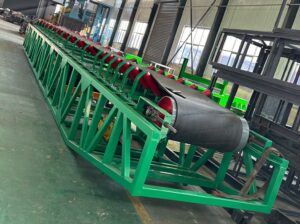
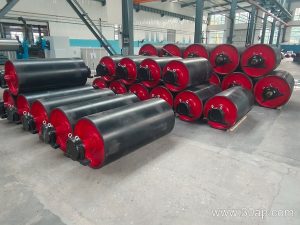
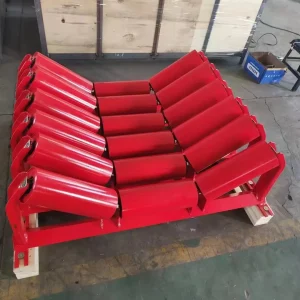
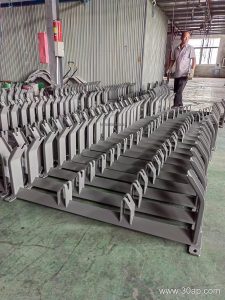
In these settings, the belt works together with conveyor pulleys, idler rollers, and conveyor brackets to form a complete conveyor system. The drive pulley, tail pulley, and bend pulleys each play a different role, and their sizes must be matched to the belt’s cord pitch and flexibility. Using the wrong pulley diameter for a given belt construction can lead to cord fatigue or premature cover wear.
Specifications and Selection Notes
When specifying an ST1250 belt, buyers usually consider belt width, cover thickness, cord pitch, and operating conditions. The table below shows common reference values; actual supply should be confirmed with the belt manufacturer.
| Parameter | Common Reference Range | Notes |
|---|---|---|
| Belt width | B800, B1000, B1200, B1400, B1600, B1800, B2000 | Width is selected based on lump size, capacity, and conveyor design. |
| Nominal strength | ST1250 (1250 N/mm) | Higher or lower ST grades exist for other duty levels. |
| Cover thickness | 6+2 mm, 8+3 mm, others by design | Top cover protects against impact and abrasion; bottom cover protects against wear on idlers. |
| Cover rubber type | Abrasion-resistant, heat-resistant, oil-resistant, flame-retardant, antistatic | Selected according to material and environment. |
| Cord pitch | Typically 10 mm, 12 mm, 15 mm, or 17 mm depending on manufacturer | Pitch affects pulley diameter requirements and splice design. |
Belt width and pulley diameter are not fixed one-to-one pairs. A B1200 belt may run on different pulley sizes depending on cord pitch, tension, and conveyor profile. Buyers should provide the conveyor’s maximum tension, pulley diameters, trough angle, and material characteristics so the belt supplier can confirm compatibility.
Buyer Checklist and Maintenance
Before ordering an ST1250 conveyor belt, gather the following information:
- Required belt width and length, including splice allowance.
- Maximum operating tension and safety factor.
- Drive pulley, tail pulley, and bend pulley diameters.
- Material type, lump size, temperature, and any oil or chemical exposure.
- Fire safety requirements, such as flame-retardant or antistatic properties.
- Environmental conditions, including ambient temperature and moisture.
During operation, regular inspection of the belt surface, edges, and splices helps catch wear early. Check idler roller alignment and pulley condition, because a seized roller or worn pulley can damage the belt quickly. Keep the belt tracking well and maintain proper take-up tension to avoid cord stress. With correct installation and care, a steel cord belt such as the ST1250 can deliver long service life in demanding bulk handling systems.