Why the Conveyor Belt Defines Your Material Handling Efficiency
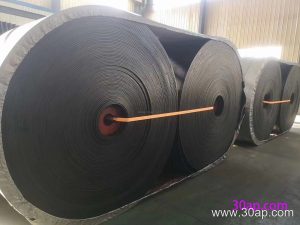
The conveyor belt is the silent workhorse of any production line, moving goods reliably while absorbing impact, friction, and temperature extremes. Choosing the wrong belt leads to downtime, product damage, and costly replacements.
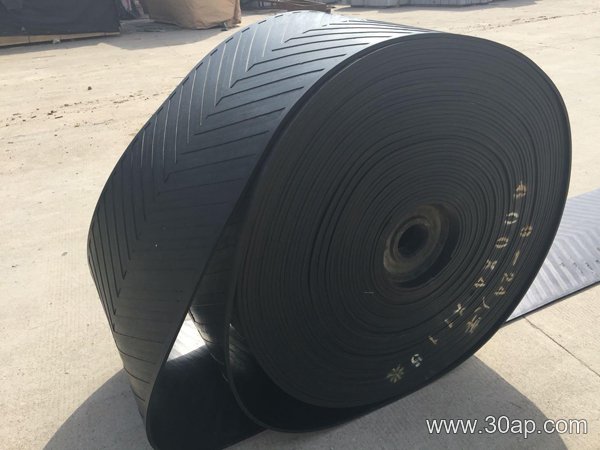
Key Factors for Industrial Conveyor Belt Selection
- Material compatibility: Match the belt surface (rubber, PVC, or metal) to the product’s weight, abrasiveness, and chemical exposure.
- Tensile strength: Verify the carcass construction—polyester, nylon, or steel cord—against your load and start-stop frequency.
- Operating environment: For heat, oil, or outdoor use, specify flame-resistant or anti-static compounds.
Purchasing Advice for Long-Term Performance
Always request a technical datasheet with belt width, thickness, and minimum pulley diameter. Test a sample under your real conditions, and confirm splice kits and fasteners are available from the manufacturer. Invest in a belt with a longer service life even if the upfront cost is higher—it reduces maintenance labor and unplanned shutdowns.
Understanding the Role of an Idler Roller in Material Handling
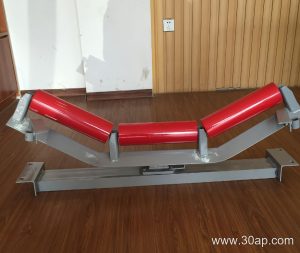
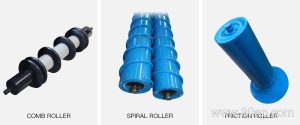
The idler roller is the unsung backbone of any belt conveyor system. It supports the belt, shapes the load, and minimizes friction during transport. Selecting the correct idler roller directly impacts belt life, energy consumption, and downtime. A poor choice can lead to premature wear, misalignment, or even belt failure.
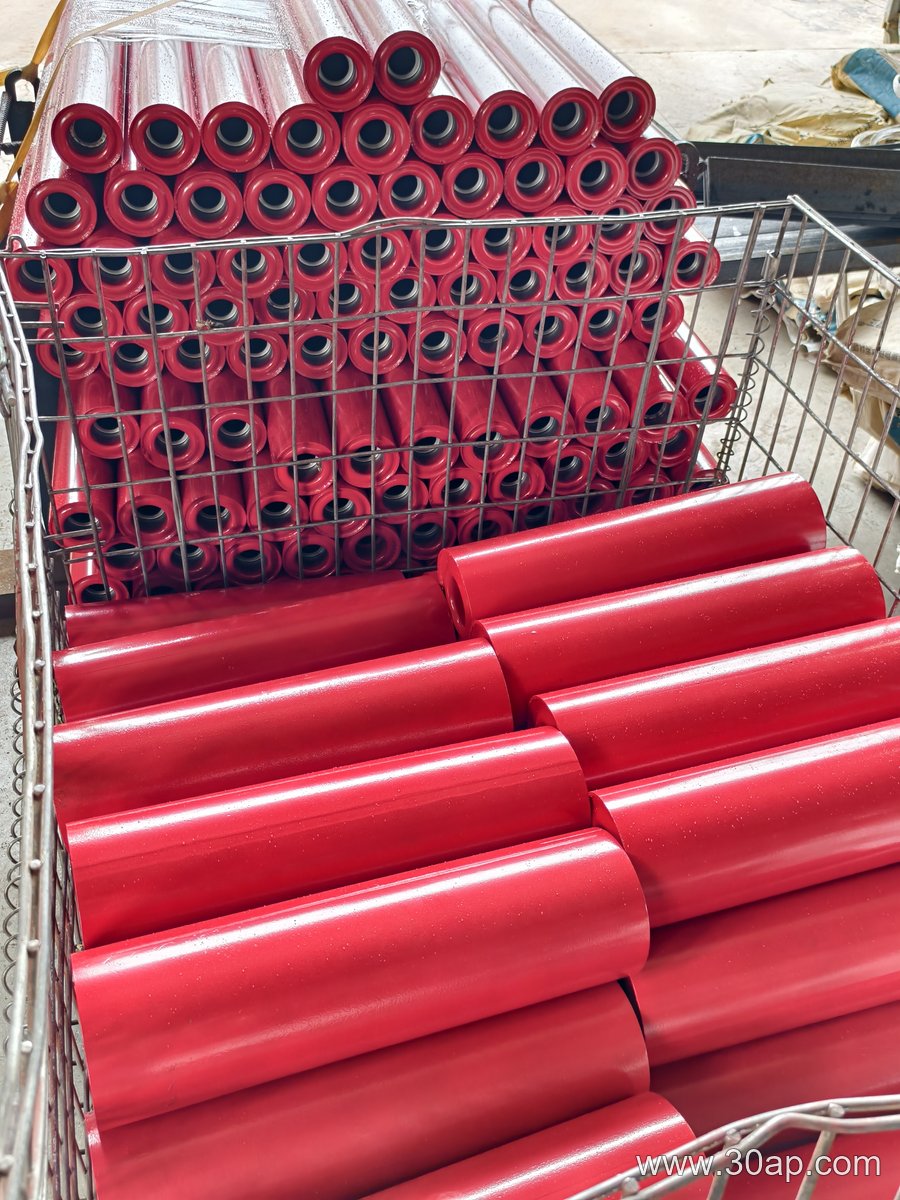
Key Selection Criteria for Your Idler Roller
- Load rating: Match the idler roller’s dynamic capacity to your material weight and belt speed. Overloading causes bearing failure.
- Trough angle: Common angles are 20°, 35°, and 45°. Steeper angles handle finer materials but increase belt stress.
- Roller diameter and tube thickness: Larger diameters reduce belt sag and impact, while thicker tubes resist abrasion from heavy or sharp loads.
- Enclosure type: Choose CEMA-rated rollers (B, C, D, E) based on your environment—dusty, wet, or corrosive conditions demand sealed or specialized bearings.
Purchasing Advice for Longevity and Cost Efficiency
Always specify the exact shaft diameter and mounting frame dimensions to ensure fit. Request sample testing under your actual load conditions. Consider maintenance features like quick-change rollers to reduce downtime. Balance upfront cost against expected service life—cheaper idler rollers often require replacement sooner, driving total ownership costs higher. Finally, verify manufacturer certifications and availability of spare parts.
Why the Conveyor Pulley Demands Your Attention
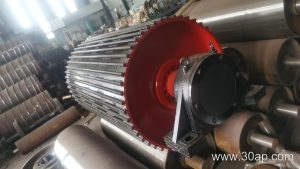
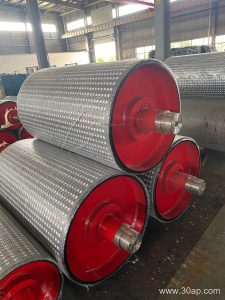
The conveyor pulley is not an accessory; it is the mechanical heart that drives belt tension, tracking, and torque transfer across every bulk handling system. A poorly specified pulley causes belt slippage, misalignment, and premature failure—costing far more than the component itself.
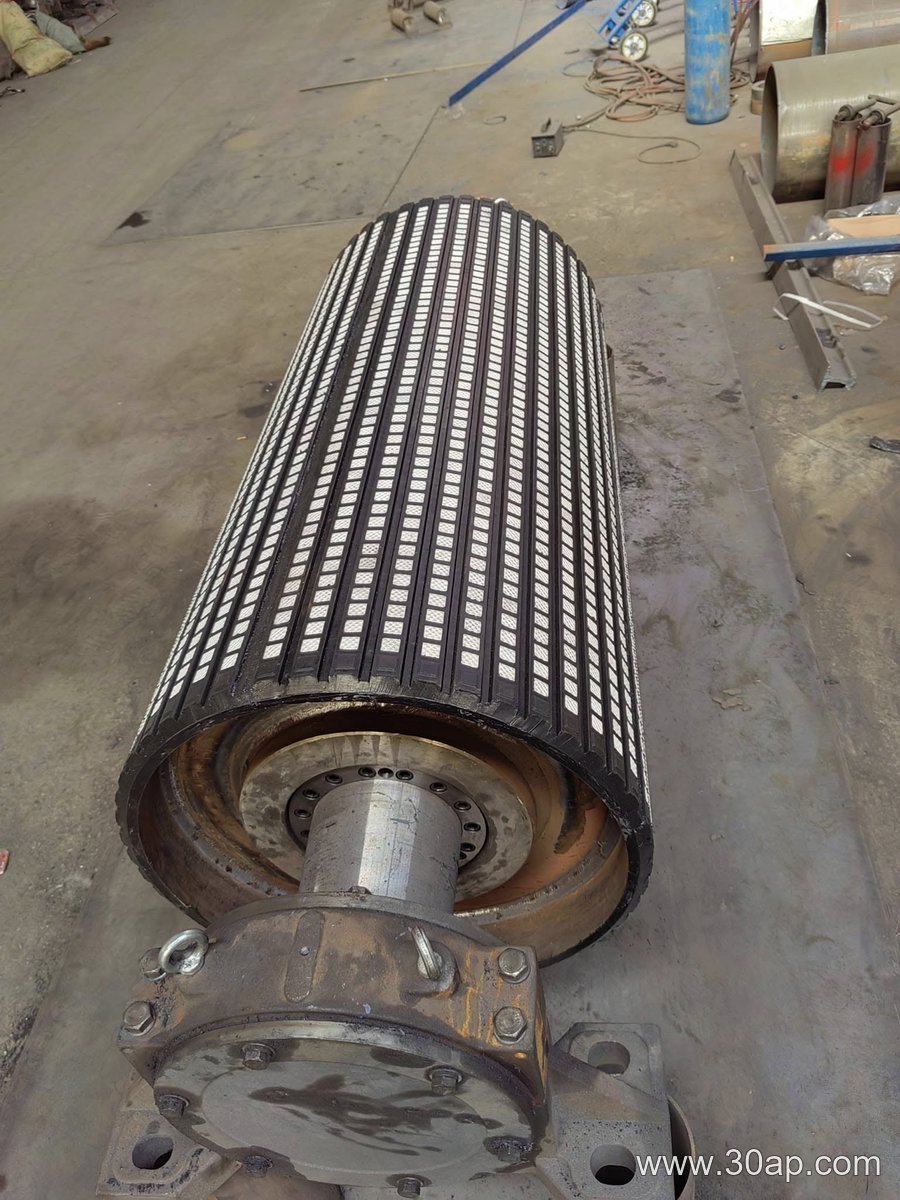
Key Criteria for Choosing a Conveyor Pulley
- Belt width and speed: Match the pulley face length and diameter to your belt’s tension rating—never undersize the shaft.
- Lagging type: Use ceramic lagging for high-slip, wet, or steep incline applications; rubber for general duty.
- Bearing and hub selection: Confirm load ratings exceed peak dynamic forces, including start-up and braking torque.
Purchasing Advice: Avoid Costly Mistakes
Always request the manufacturer’s engineering data for crown profile, shaft deflection, and weld integrity. Specify the exact environment—dust, temperature, chemical exposure—because the pulley’s coating and steel grade must resist corrosion. For critical installations, order a spare drive pulley and verify that the keyway and bushing system are industry-standard for quick replacement. Finally, demand a dynamic balance test report for pulleys above 800 mm diameter to ensure vibration-free operation at full belt speed.
Why the Conveyor Bracket Defines System Uptime
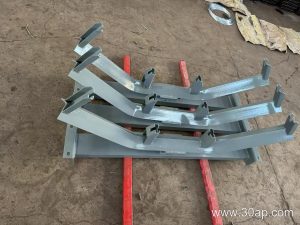
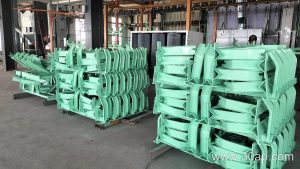
The conveyor bracket is the structural anchor that transfers load, absorbs vibration, and maintains belt alignment across every transfer point. A weak or mis-specified bracket leads to frame fatigue, mistracking, and unplanned downtime.
Material and Coating Choices
- Galvanized steel: standard indoor, dry environments
- Stainless steel: washdown, food, or corrosive plants
- Powder-coated mild steel: aesthetic, moderate load
Load Analysis Before You Buy
Calculate dynamic load = belt tension + product weight + impact factor. Never choose by static weight alone. Consult the conveyor manufacturer’s rail profile and bolt pattern.
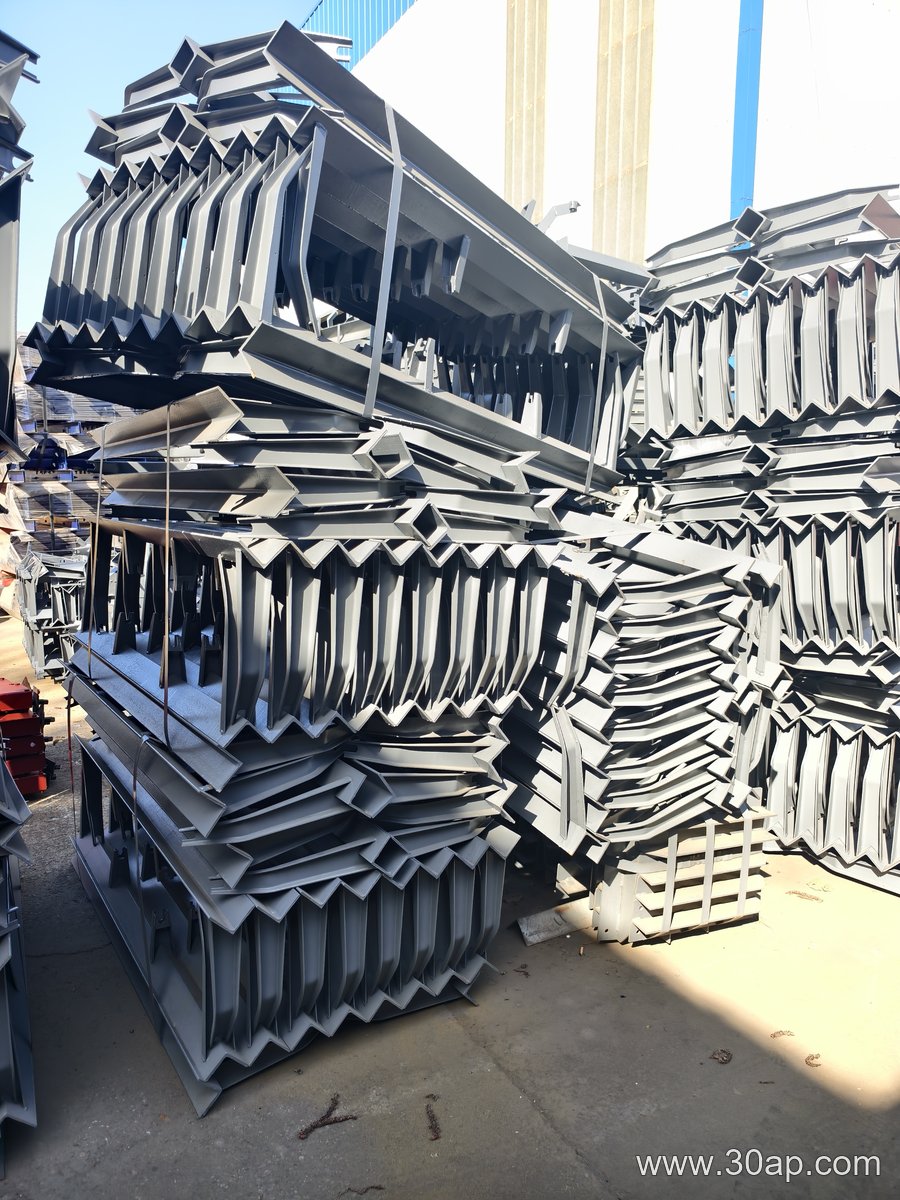
Adjustability and Tolerances
- Slot holes allow vertical and horizontal fine-tuning
- Check bracket thickness matches frame gauge (2–3 mm typical)
- Verify weld integrity and edge radius for belt clearance
Purchasing Checklist
- Request load test certificates
- Confirm thread type (metric or imperial) for fasteners
- Order 5% spares for vibration-prone zones
Invest in a bracket with proven fatigue life; it is cheaper than one emergency replacement across your entire line.