What a Belt Conveyor Bracket Does
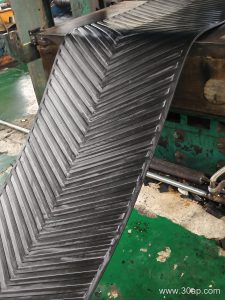
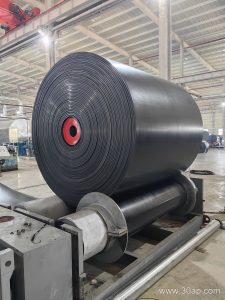
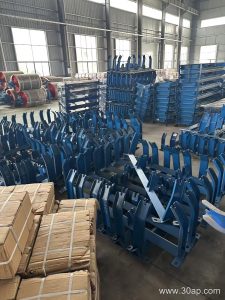
A belt conveyor bracket is the structural support that holds idler rollers in position along a conveyor frame. In a quarry, cement plant, or coal handling system, these brackets keep the conveyor belt at the correct trough angle on the carrying side and provide stable support on the return run. The bracket itself does not move the belt, but its alignment and rigidity directly affect belt tracking, roller life, and spillage control.
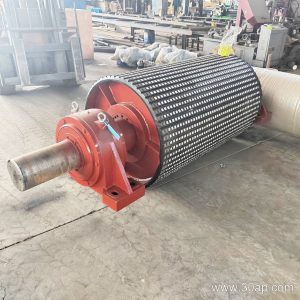
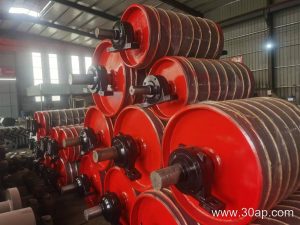
Also called a conveyor bracket or idler bracket, this component is often confused with a conveyor pulley, but the two are different. A drive pulley, tail pulley, and bend pulley are not interchangeable with a bracket. The bracket is a stationary support, while pulleys transmit power or change belt direction. A belt conveyor bracket works together with the conveyor belt, idler roller, and frame to keep material moving smoothly.
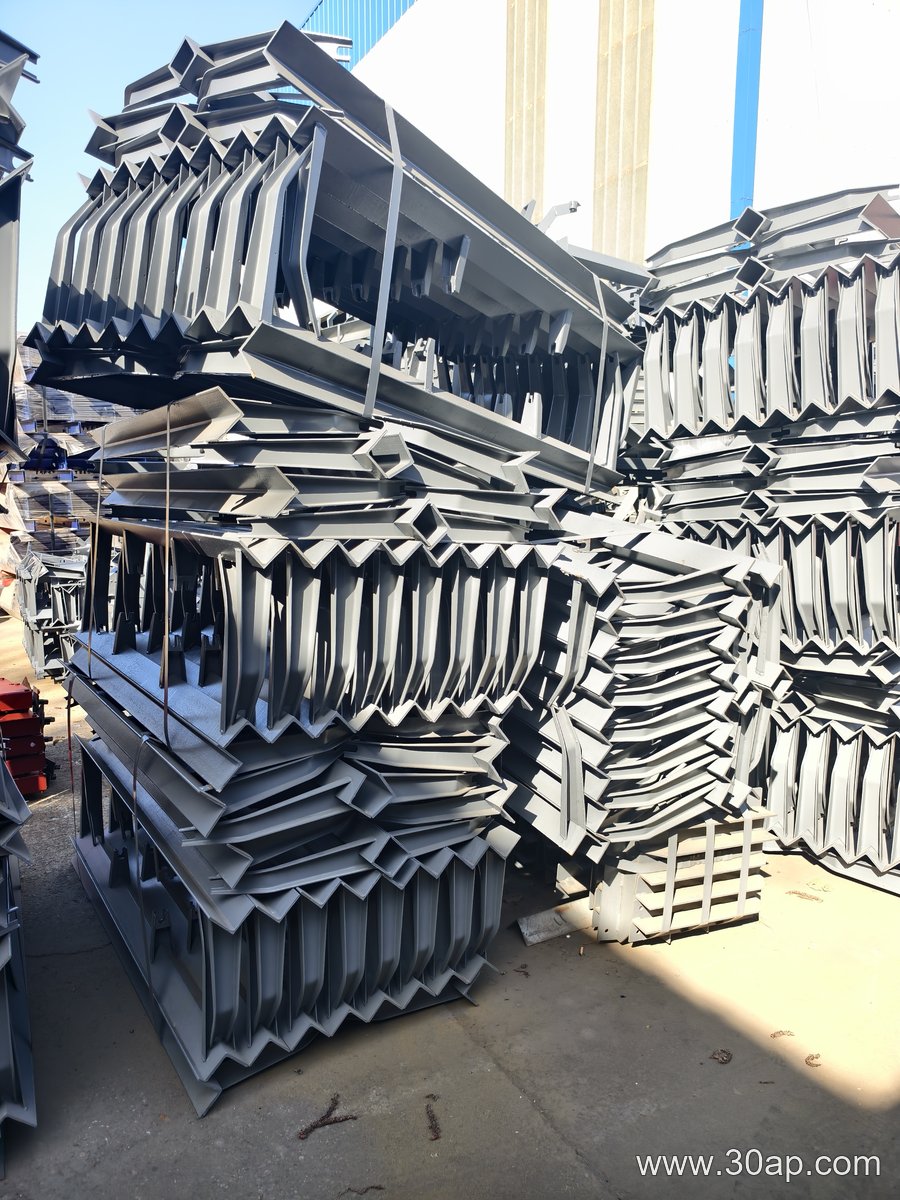
Common Types and Where They Fit
Different positions on the conveyor call for different bracket designs. The most common types include:
- Troughing bracket — supports three idlers to form a trough on the carrying side.
- Transition bracket — eases the belt from flat to troughed profile near pulleys.
- Return bracket — holds return idlers under the belt.
- V-return bracket — uses two rollers in a V shape for better belt centering.
- Impact bracket — reinforced for loading zones where material drops onto the belt.
- Self-aligning bracket — allows slight rotation to correct belt misalignment.
- Adjustable bracket — lets maintenance staff change the trough angle.
These types are not interchangeable. A return bracket cannot replace a troughing bracket, and a self-aligning bracket serves a different purpose than a fixed one. Choosing the right type depends on the conveyor section and the material being handled.
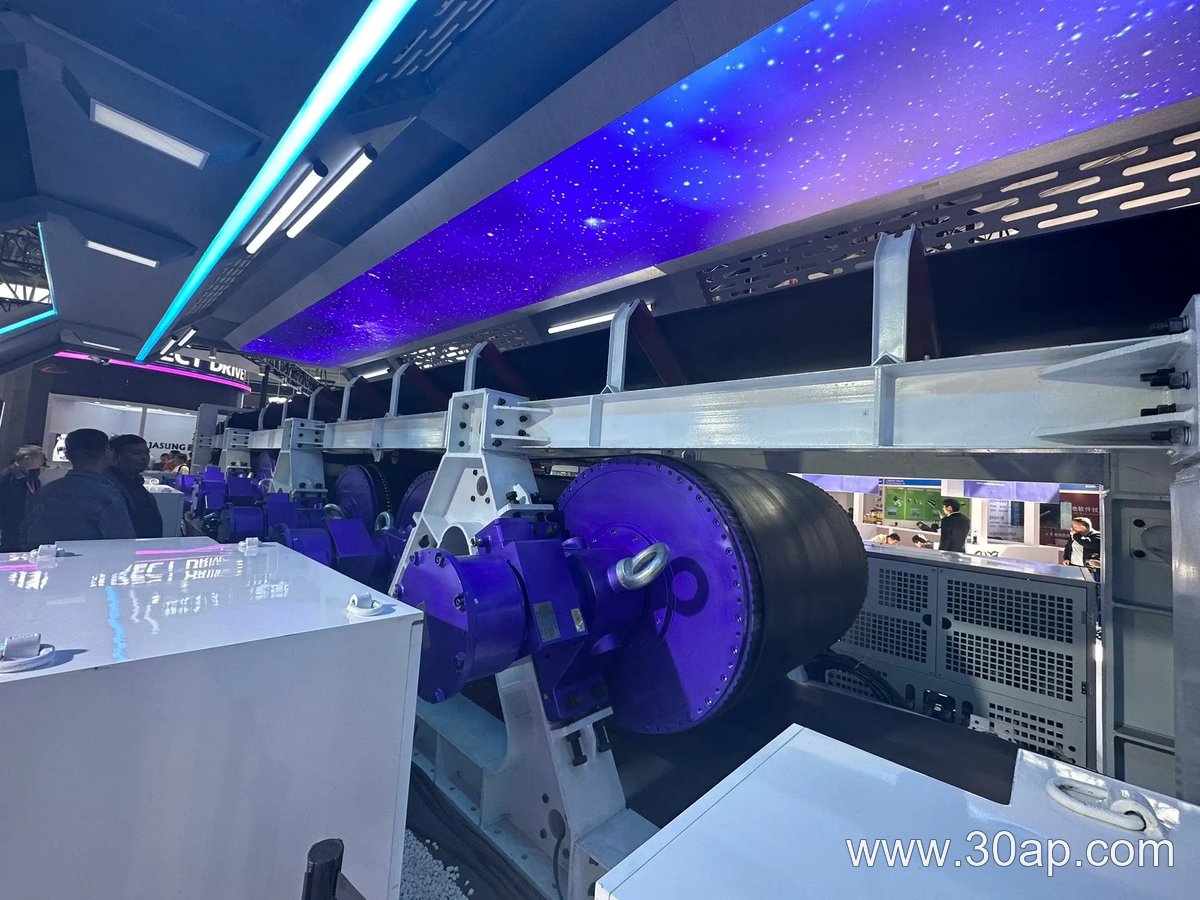
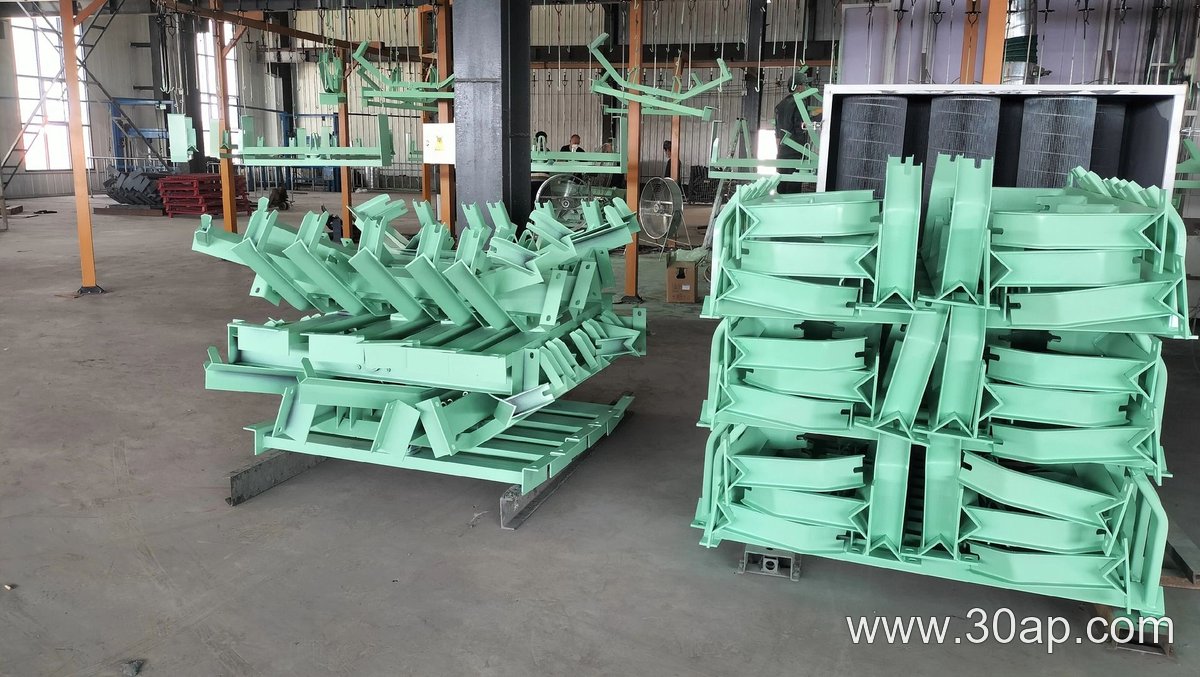
Materials and Build Details
Most brackets are made from angle steel, channel steel, or folded steel plate. The choice affects strength, weight, and corrosion resistance. In a limestone mine or fertilizer plant, the environment may require additional surface treatment. Installation hole spacing and beam length usually vary with belt width and trough angle, so they are determined by design rather than fixed numbers.
Matching Belt Width, Trough Angle, and Roller Diameter
Belt width, trough angle, and roller diameter are related but not locked together. A B800 belt may run at 35 degrees with Ø108 rollers, while a B1200 system might use 45 degrees and Ø133 rollers. The table below shows common reference combinations, but these are examples only. Actual selection should follow the conveyor design.
| Belt Width | Common Trough Angle | Typical Roller Diameter |
|---|---|---|
| B500 | 20°–30° | Ø89 |
| B650 | 30°–35° | Ø89–Ø108 |
| B800 | 35° | Ø108 |
| B1000 | 35°–45° | Ø108–Ø133 |
| B1200 | 35°–45° | Ø133 |
| B1400 | 35°–45° | Ø133–Ø159 |
| B1600 | 35°–45° | Ø159 |
| B1800 | 35°–45° | Ø159–Ø194 |
| B2000 | 35°–45° | Ø194 |
Adjustable brackets can be set between these angles. Some forward-leaning designs use about 1.5 to 2 degrees of tilt to help belt tracking.
Installation and Maintenance Notes
Correct installation keeps the bracket square to the conveyor centerline. Misaligned brackets cause the belt to drift, which wears the idler roller and edge of the conveyor belt. In a coal handling system or sand and gravel line, regular inspection of bracket bolts and welds prevents unexpected downtime. When replacing a bracket, match the mounting hole pattern to the existing frame and confirm the trough angle before tightening.
What Buyers Should Consider
Buyers should specify the belt width, trough angle, roller diameter, and mounting arrangement. They should also state the material being conveyed and the environment, such as a cement plant or iron ore mine, because dust and moisture affect material choice. Ask for a drawing that shows hole spacing and beam length, since these are not universal. A belt conveyor bracket that fits properly will support the belt, extend roller life, and reduce spillage across the conveyor system.