What a Large-Diameter Pulley Does on a Conveyor
A large-diameter pulley is a conveyor pulley whose shell diameter is sized well above the minimum needed to wrap the belt, usually to reduce belt bending stress, improve traction, or handle high tension in a demanding duty. In a cement plant clinker line or a limestone quarry, the head pulley often falls into this category because it carries the fullest belt tension and must grip the conveyor belt without excessive slip.
Diameter is a design result, not a label. A pulley with a larger shell gives the belt a gentler transition, which matters for thick, stiff belts and for high-capacity lines. The same shell may be built as a drive, tail, or bend unit, but those roles are not interchangeable: a drive pulley transmits torque through lagging and shaft, a tail pulley returns the belt, and a bend pulley only changes direction.
How the Shell, Shaft and Lagging Fit Together
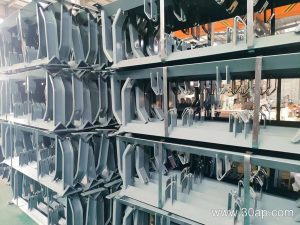
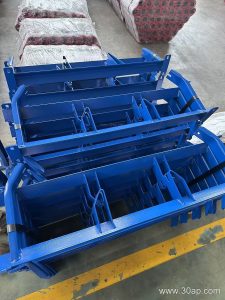
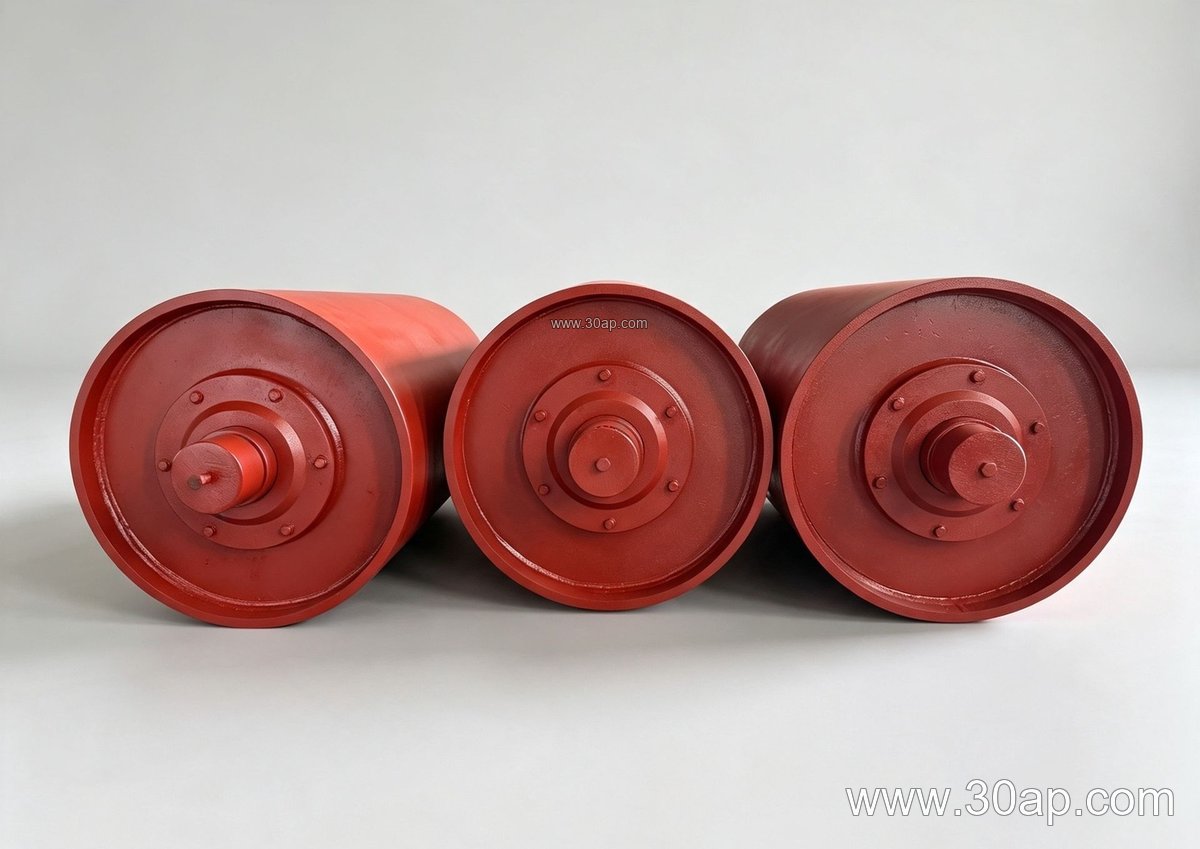
A large-diameter pulley usually combines a rolled steel shell, welded end discs, a through shaft or stub shafts, and bearing housings mounted on a conveyor bracket or frame. The shaft diameter is set by torque and radial load, not by belt width alone, so a B1200 line might use a shaft anywhere from Ø120 to Ø160 or beyond depending on the drive arrangement.
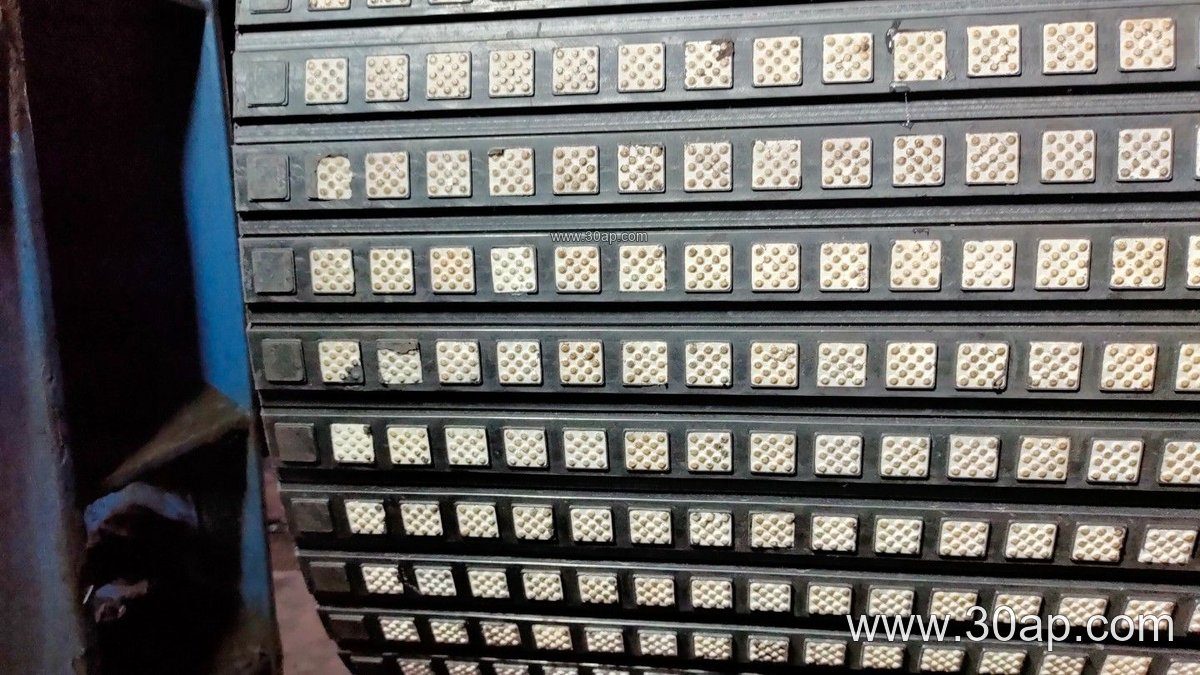
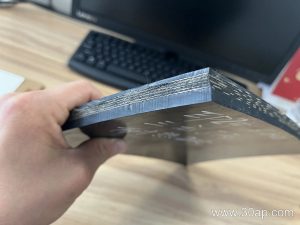
Surface treatment is a separate decision from diameter. Common options include plain finish, hot-vulcanized rubber, cold-bonded rubber, diamond grooving, herringbone lagging, and ceramic lagging, with lagging thickness often 8, 10, 12, 15, or 20 mm. In a coal handling plant, diamond or herringbone lagging helps shed water and fines; in a dry aggregate line, plain or lightly lagged shells may be sufficient.
Typical Size Combinations
The table below shows reference combinations, not fixed rules. A given belt width can work with more than one shell diameter, and final sizing should follow the conveyor design.
| Belt width | Typical shell face width | Example large-diameter pulley | Common lagging |
|---|---|---|---|
| B650 | about 750 mm | B650 × Ø500 | 10 mm diamond rubber |
| B800 | about 950 mm | B800 × Ø630 | 12 mm plane rubber |
| B1000 | about 1150 mm | B1000 × Ø800 | 12 mm hot-vulcanized rubber |
| B1200 | about 1400 mm | B1200 × Ø1000 | 15 mm diamond lagging |
| B1400 | about 1600 mm | B1400 × Ø1250 | 15 mm ceramic lagging |
| B1600 | about 1800 mm | B1600 × Ø1400 | 20 mm herringbone rubber |
Shell diameters commonly run from Ø200 up to Ø1800, so the term large-diameter pulley usually refers to the upper part of that range relative to the belt and load. Face width normally exceeds belt width to allow for belt wander.
Where a Large Shell Earns Its Place
Heavy-duty positions benefit most. On a primary crushing discharge in an iron ore mine, a large head pulley reduces belt fatigue at the highest tension point. At a port bulk terminal, a large bend or snub pulley can guide a wide belt through a tight transfer without over-flexing it. In a power plant coal yard, a large tail pulley with a self-cleaning surface helps keep the return strand tracking.
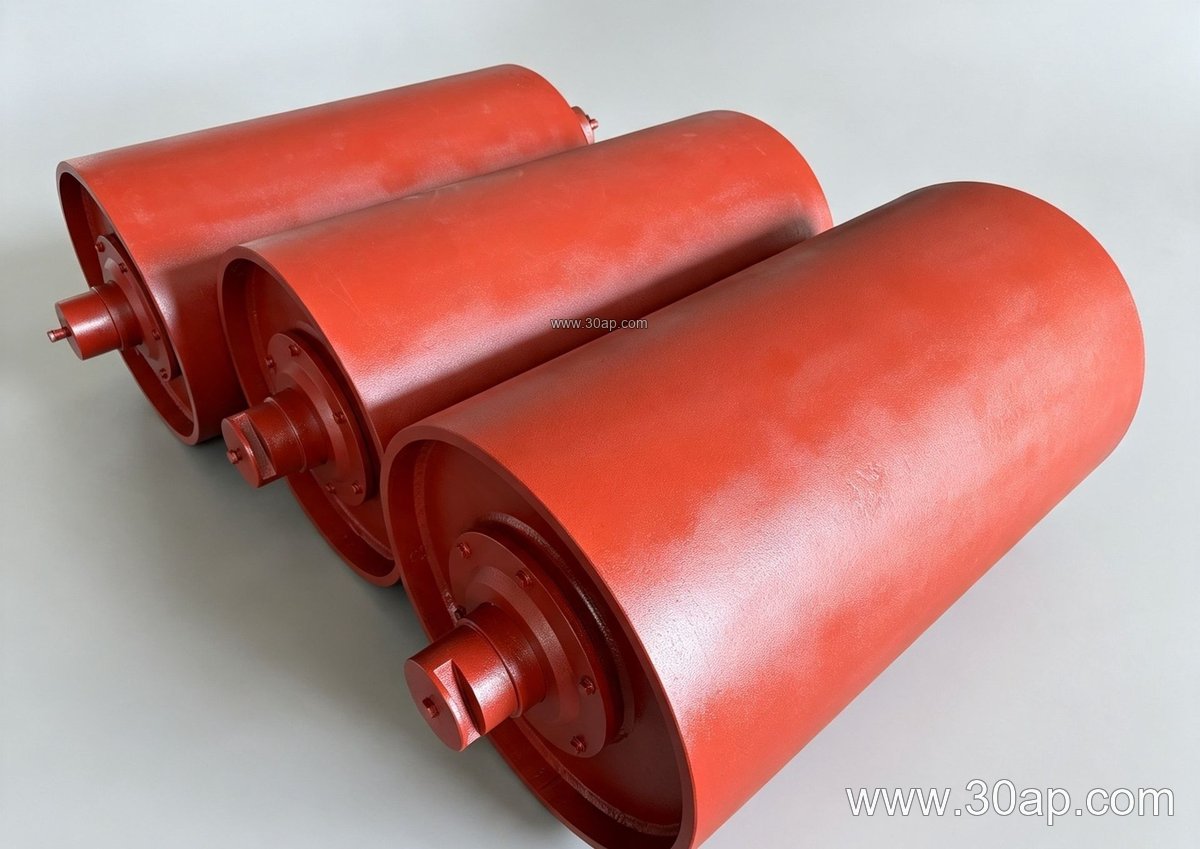
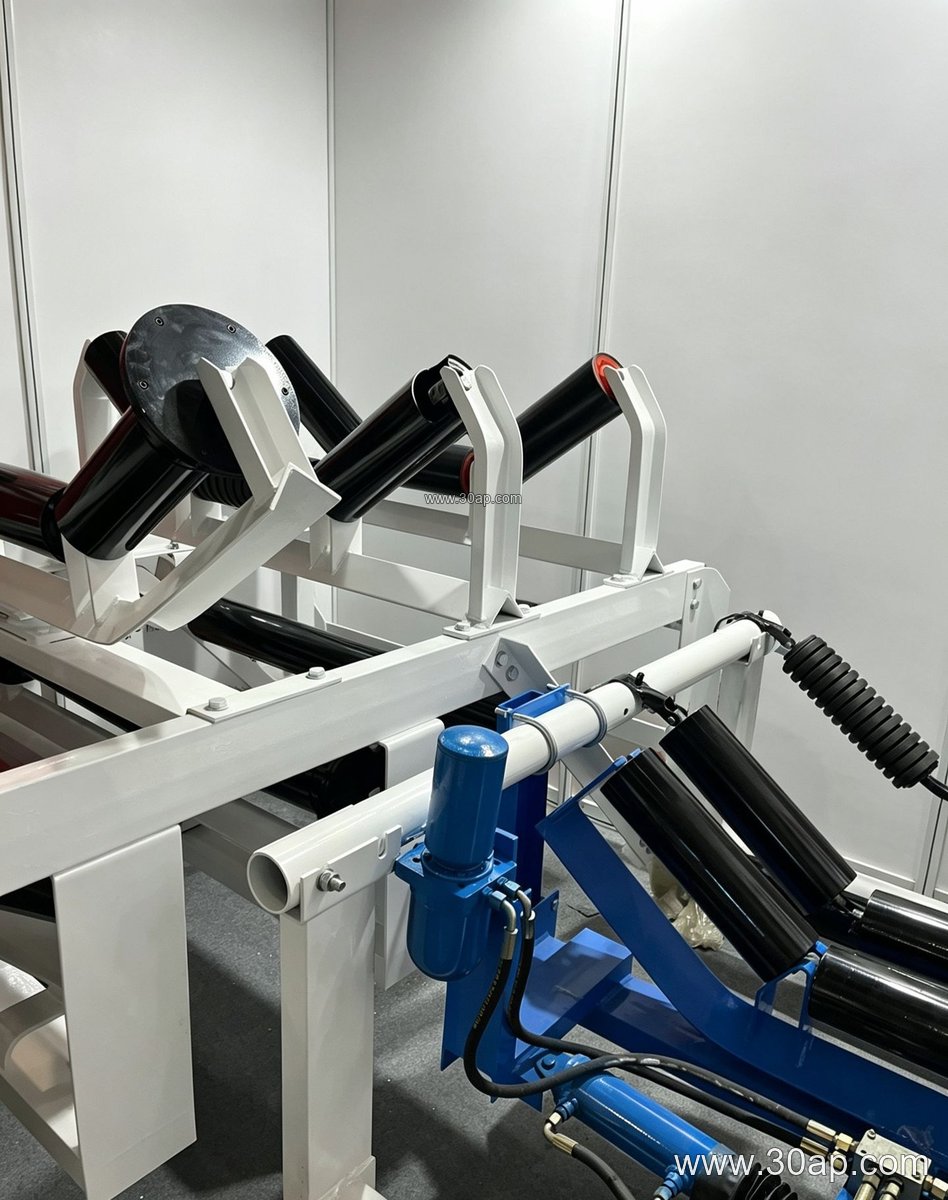
These units work alongside conveyor idler rollers, support brackets, and the belt itself, so alignment across the whole frame matters as much as shell size.
What Buyers Should Confirm Before Ordering
- Belt width, belt thickness, and belt modulus, since a stiff belt needs a gentler bend radius.
- Actual running tension and torque, which determine shaft diameter and bearing selection.
- Position and role: head, tail, tension, bend, or snub, because each has different load and access needs.
- Lagging type and thickness matched to material, moisture, and slip risk.
- Balance grade, runout tolerance, and whether the pulley is supplied with bearings and brackets.
- Environmental conditions such as dust, washdown, and temperature that affect bearing seals and lagging compound.
Ask for a dimensional drawing showing shell diameter, face width, shaft extension, keyway, and lagging profile. That drawing, not a catalog number, is what keeps a large-diameter pulley compatible with the rest of the conveyor.