Specify the Conveyor Bracket Before You Compare Suppliers
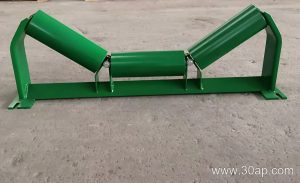
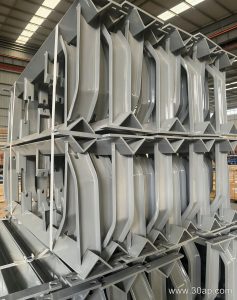
Start with a drawing that fixes the conveyor bracket’s hole pattern, material grade, load rating, and coating. In a cement plant, dust and impact make these details more important than price alone.
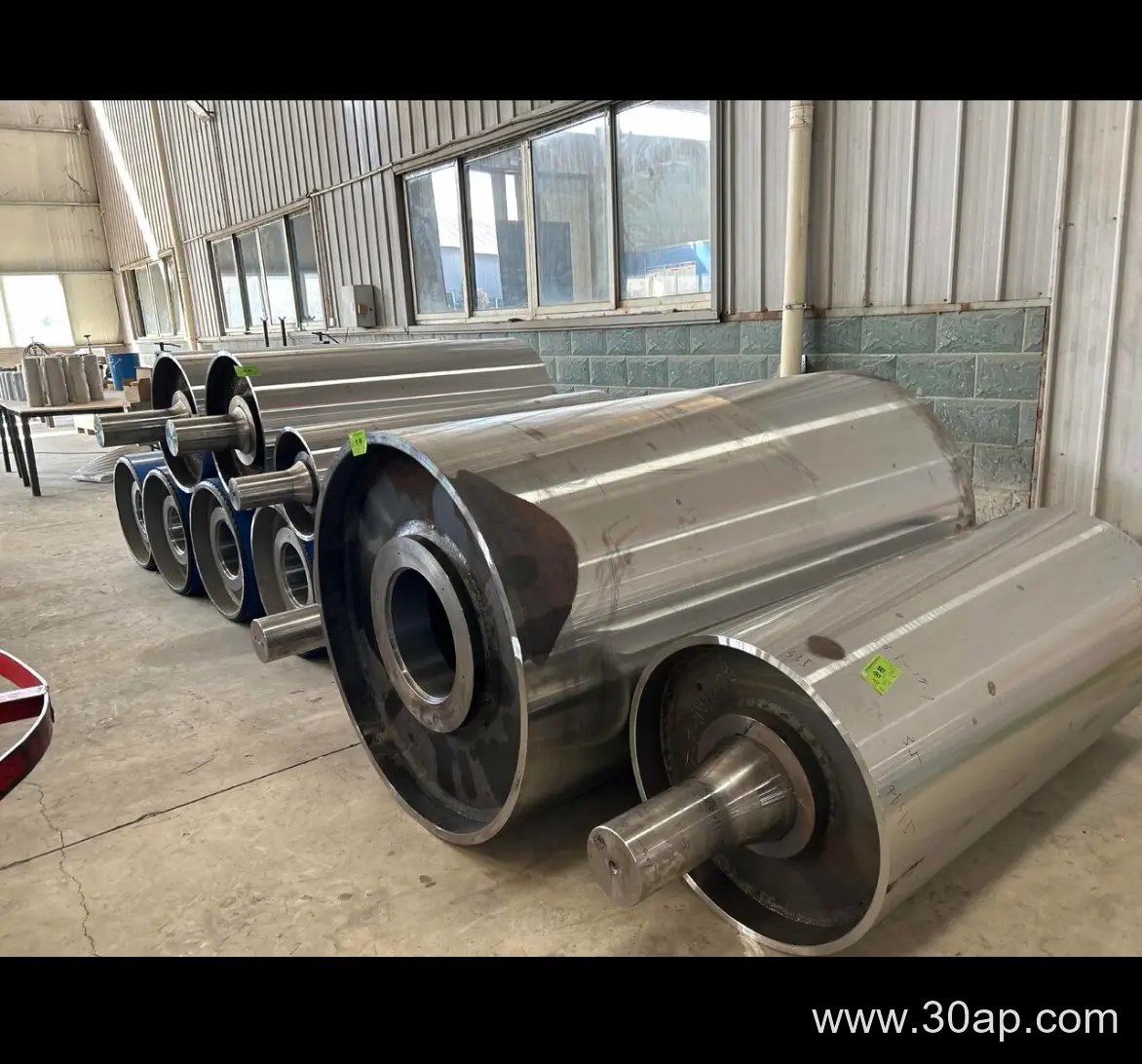
Supplier checks that matter
- Ask for a dimensional inspection report on the conveyor bracket.
- Confirm the steel grade and any weld procedure.
- Request a sample bracket for fit-up before bulk order.
Treat any quoted capacity as unverified until you see test data. A clear specification prevents later rework.
When Does a Conveyor Belt at a Bulk Port Need Rip Detection?
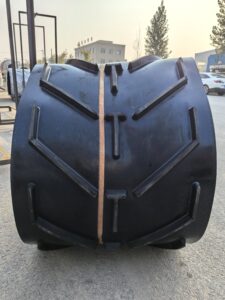
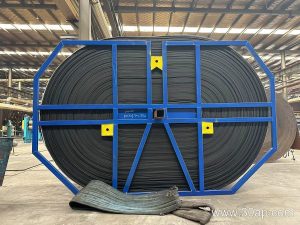
A conveyor belt at a bulk-material port terminal often runs long flights from ship unloader to stockyard. A single rip from tramp metal or a seized idler can destroy hundreds of meters of belt. Rip detection is not universal; it is justified when the cost of a longitudinal tear exceeds the installed system cost and when inspection access is limited.
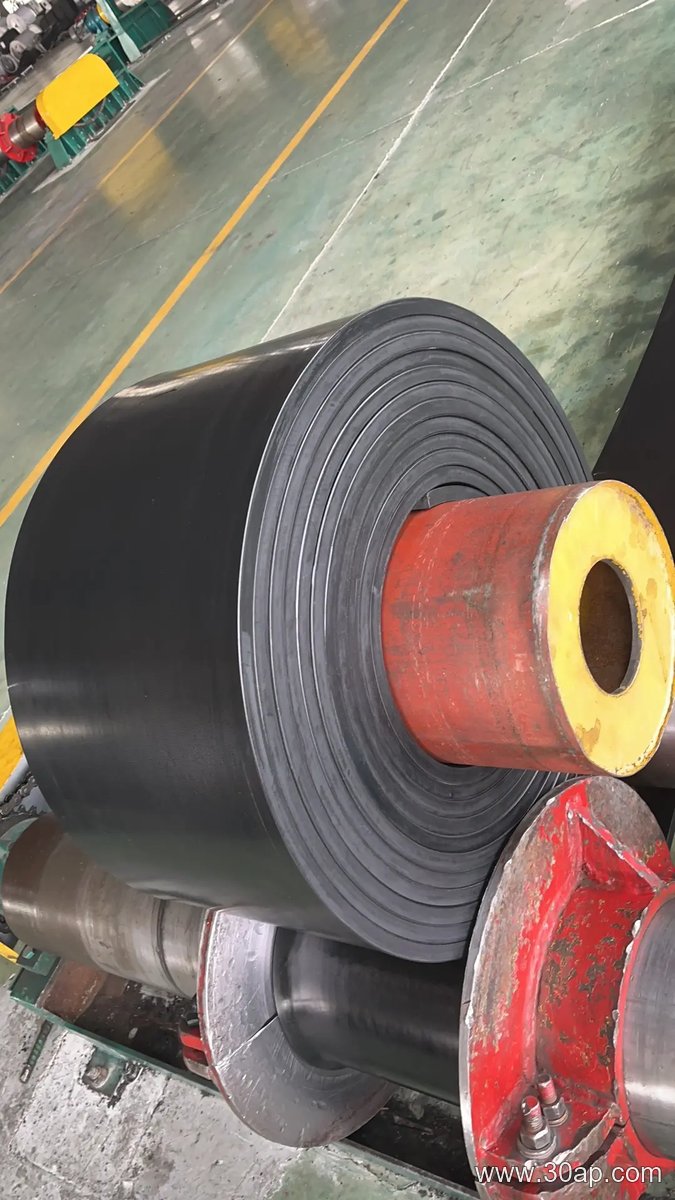
What triggers the decision?
- Belt width above 1200 mm and high tension
- Transfer points with unavoidable tramp metal risk
- Belt cannot be inspected visually along its full length
For a hypothetical 2.5 km port conveyor handling iron ore, a rip detection system using embedded loops may be considered. The trade-off is added belt splicing complexity versus reduced downtime.
Classifying Idler Rollers for Wet Outdoor Duty
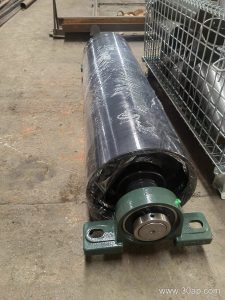
On a wet outdoor conveyor, an idler roller must shed water and resist slurry ingress. Construction type decides where each roller belongs.
Sealed Shell Rollers
Labyrinth or contact seals suit rain-washed lines. Use them where splash, not immersion, dominates.
Waterproof Idler Rollers
Fully sealed, corrosion-resistant shells fit washdown zones and slurry carryback.
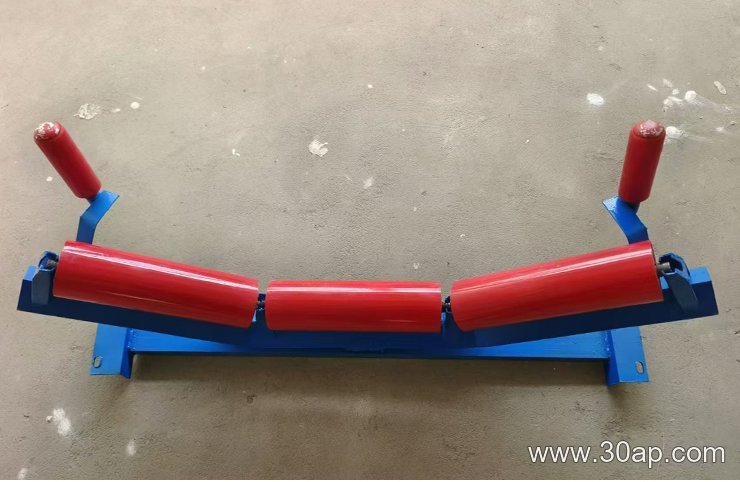
Side Guide Idlers
These control belt tracking at wet transfer points, reducing edge damage.
Match duty to exposure; avoid open bearings outdoors.
When Take-Up Travel Is the Binding Constraint
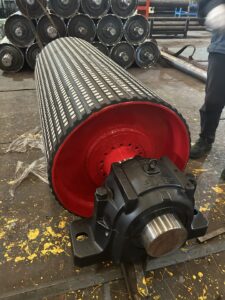
Assume a hypothetical cement plant needs a conveyor pulley at a take-up station where the available travel is fixed. A larger deflection angle would add wrap, but the frame cannot grow. This is a design trade-off, not a sizing exercise.
Why a Tension Pulley Helps
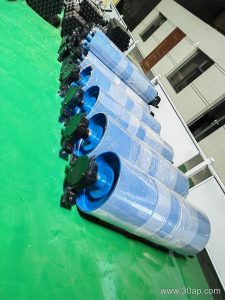
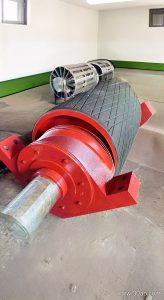
A tension pulley can raise wrap without moving the drive. Compare that with relocating a drive pulley, which forces structural changes. The tension pulley keeps the belt path compact.
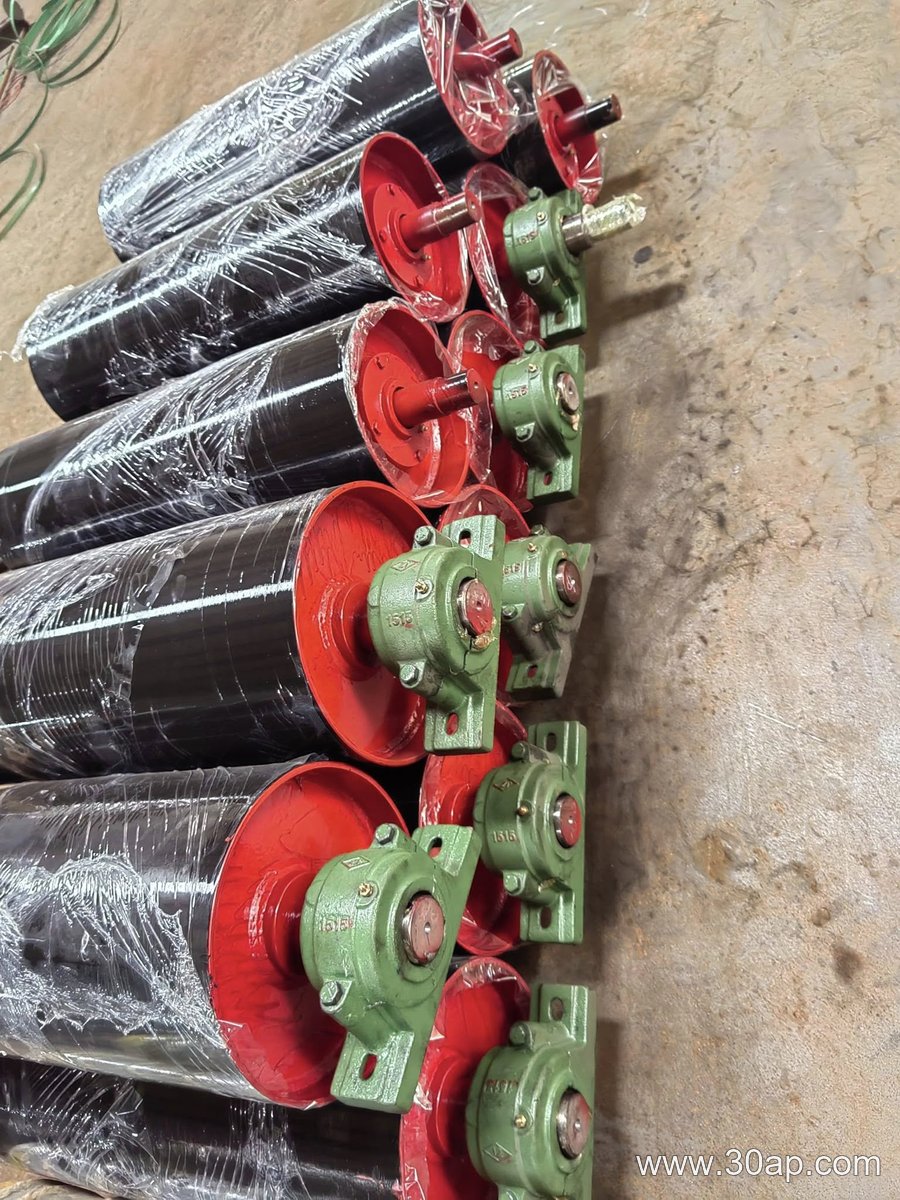
- Check belt tension and wrap angle first.
- Confirm lagging suits clinker dust.
- Verify shaft and bearing fits.
Decision
Select the tension pulley when travel is fixed and wrap must rise. Do not invent ratings; confirm them with the supplier.