What the ST1250 Conveyor Belt Is
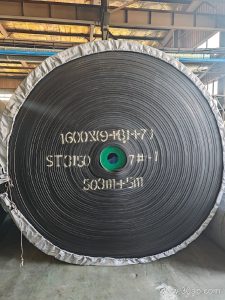
The ST1250 conveyor belt is a steel cord conveyor belt with a nominal tensile strength of 1250 N/mm. It belongs to the steel cord family, which is often written as steel reinforced conveyor belt or simply ST belt. The ST designation separates it from fabric carcass belts such as EP conveyor belt or NN nylon conveyor belt. Because the load is carried by longitudinal steel cords rather than woven fabric plies, this grade is chosen where high tension, long center distances, and heavy material loads are expected.
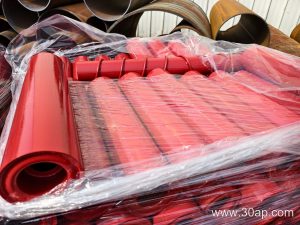
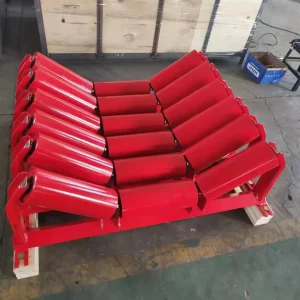
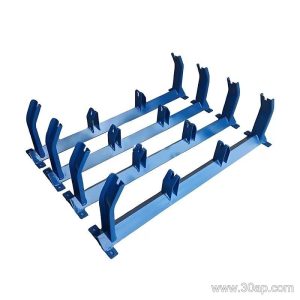
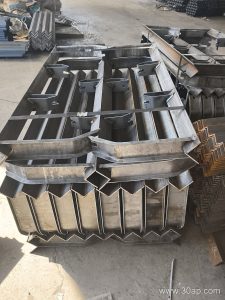
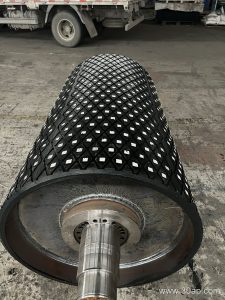
In a typical bulk handling circuit, the belt runs over a drive pulley at the head, a tail pulley at the return end, and bend pulleys where the route changes direction. These pulley roles are not interchangeable, and each one is selected around the belt tension, wrap angle, and space available. Idler rollers support the belt along the carrying and return runs, while conveyor brackets and frames hold the rollers and pulleys in alignment. The ST1250 grade is commonly found in mining, coal preparation, cement plants, power stations, and sand and gravel yards.
Construction and Common Specifications
A steel cord belt is built around a single layer of parallel steel cords embedded in rubber. The cords provide the breaking strength, and the rubber holds them in position and protects them from impact, abrasion, and moisture. Cover compounds are selected for the material being carried. A heat resistant compound may be used for clinker or sinter, an oil resistant compound for certain recycled or industrial feeds, and a flame retardant and antistatic compound for underground coal work where those properties are required.
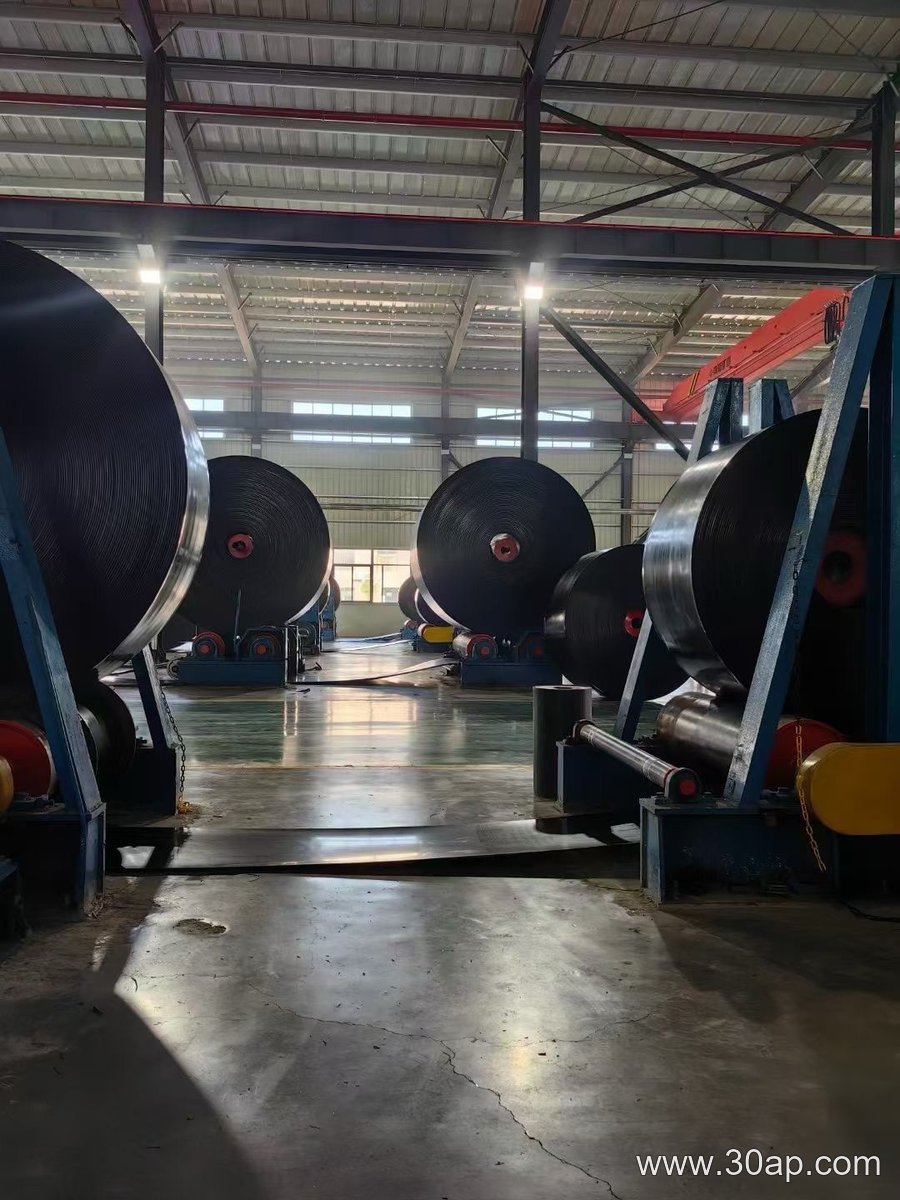
Cover thickness is usually quoted as top cover plus bottom cover, for example 6+2 mm or 8+3 mm. The table below shows reference values for steel cord belting around this strength class. Actual values depend on the manufacturer and the project design, so the data should be treated as a starting point for enquiry, not as a fixed supply promise.
| Item | Reference Data |
|---|---|
| Belt type | Steel cord, ST1250 |
| Nominal tensile strength | 1250 N/mm |
| Common belt widths | B800, B1000, B1200, B1400, B1600 |
| Cover thickness examples | 5+2 mm, 6+2 mm, 8+3 mm |
| Cord pitch | By design |
| Recommended pulley diameter | By design, matched to cord construction and tension |
| Belt speed | Commonly 2.5 to 5.0 m/s, but selected per application |
Belt width and pulley diameter are not a single fixed pair. A wider belt may run on a range of pulley diameters depending on the cord type, the duty, and the required service life. Shaft diameter should be calculated from the pulley load and torque, never guessed from the belt width alone.
Where It Fits in a Conveyor System
The ST1250 conveyor belt is often used on main trunk conveyors in open pit mines, underground coal transport, cement raw material and clinker lines, power plant coal yards, and large sand and gravel plants. These duties usually involve high tonnage, long distance, or both. The belt may travel several kilometres on a single flight, passing over intermediate idler roller sets and around bend pulleys at transfer points.
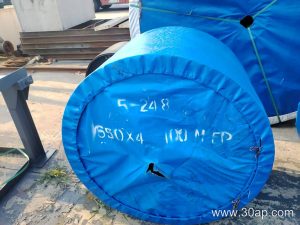
It can also be compared with other belt types. An EP conveyor belt or NN nylon conveyor belt is often a better economic choice for shorter, lighter duties because it is easier to splice and more forgiving of small pulley diameters. A PVC or PVG belt is common in underground coal work where solid woven construction and flame resistance are required. Patterned surfaces such as chevron or herringbone, or a corrugated sidewall belt, solve different problems such as inclined transport or material spillage. These alternatives do not replace the ST1250 grade where high tensile strength and low elongation are the main requirements.
Buyer Checklist
- Confirm the actual maximum belt tension, not just the nominal strength class. The ST1250 rating is a reference for the belt, while the duty point determines the safety factor.
- State the material, lump size, temperature, and any oil, chemical, or fire risk so the correct cover compound can be quoted.
- List the pulley diameters, the drive pulley, tail pulley, and bend pulleys separately, along with the wrap angles. Do not treat them as interchangeable.
- Provide the belt width, trough angle, idler roller spacing, and whether impact idlers are needed at the loading point.
- Ask for the splice method. Steel cord belts are usually spliced by vulcanisation, and the splice quality has a major effect on belt life.
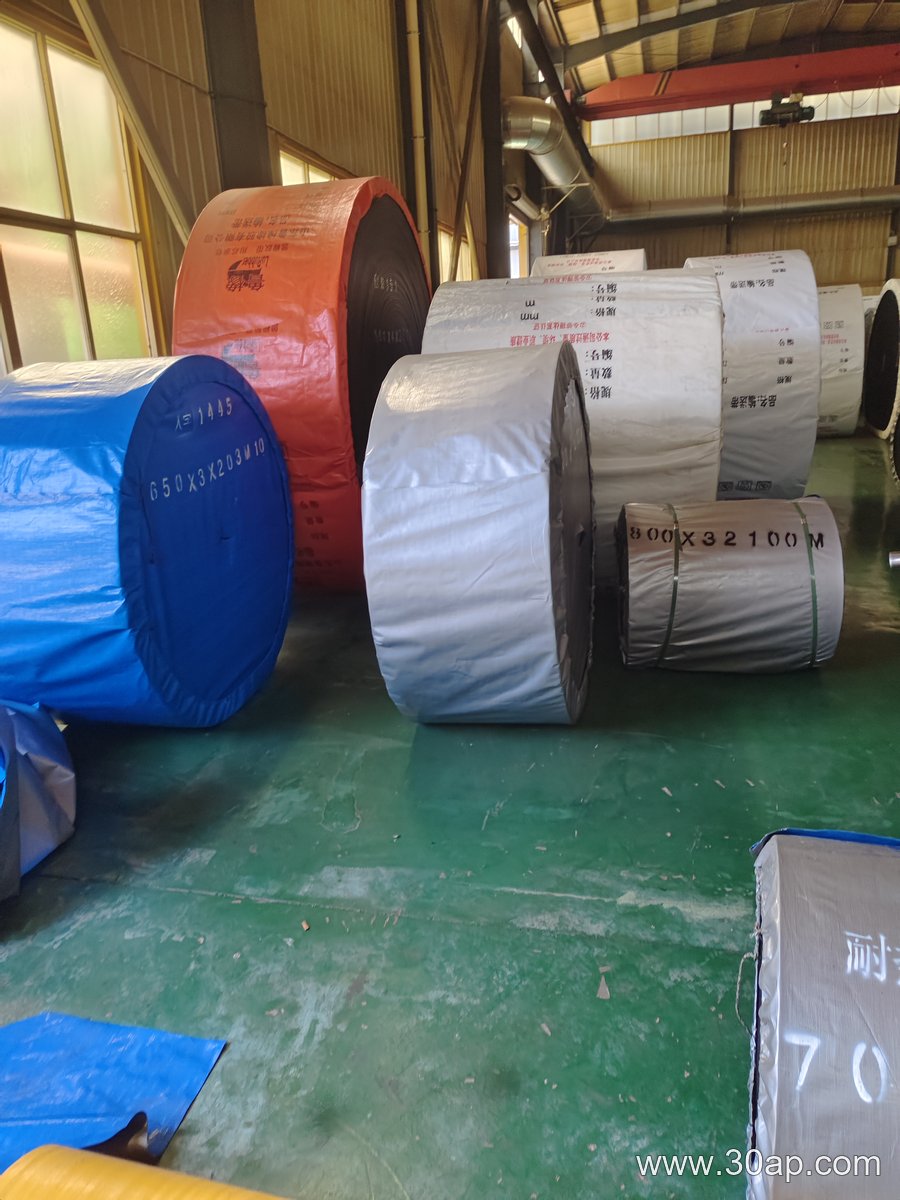
- Check storage and handling. Steel cord belts are heavy and should not be dragged over sharp edges or stored in tight coils for long periods.
Maintenance Notes
Once installed, the belt should be checked for cord exposure, edge damage, cover wear, and splice condition. Misaligned idler rollers or a worn conveyor pulley can cause edge tracking problems and shorten belt life. Keeping the return run clean and the conveyor brackets tight helps the belt run straight. In dusty plants such as cement or coal handling, regular washdown or scraping at the head pulley reduces carryback and keeps the belt from wandering. The goal is not to run the belt at the highest possible tension, but to keep the whole conveyor, including pulleys, rollers, and structure, working within its design range.