Start With the Four Variables That Actually Drive Conveyor Belt Choice
On a general manufacturing line, a conveyor belt rarely sees one steady duty. It may carry a heavy metal fixture at low speed, then a hot molded part, then a light carton at high speed. To choose a conveyor belt that survives that mix, work through four variables in order: material being handled, belt speed, temperature at the belt surface, and operating conditions such as oil, moisture, or incline.
A Compact Decision Checklist for a Mixed Line
- Material: Is it abrasive, oily, hot, or sharp-edged? That sets the cover compound and carcass type.
- Speed: Higher speed reduces belt width but increases impact and wear at the loading point.
- Temperature: Match the cover and carcass to the hottest sustained surface temperature, not the average.
- Operating conditions: Oil, water, dust, and incline angle decide whether you need special covers or cleats.
Why No Single Conveyor Belt Fits Every Station
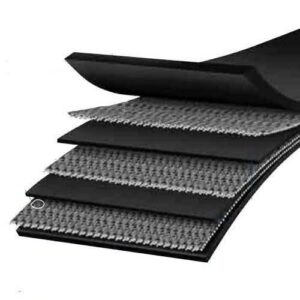
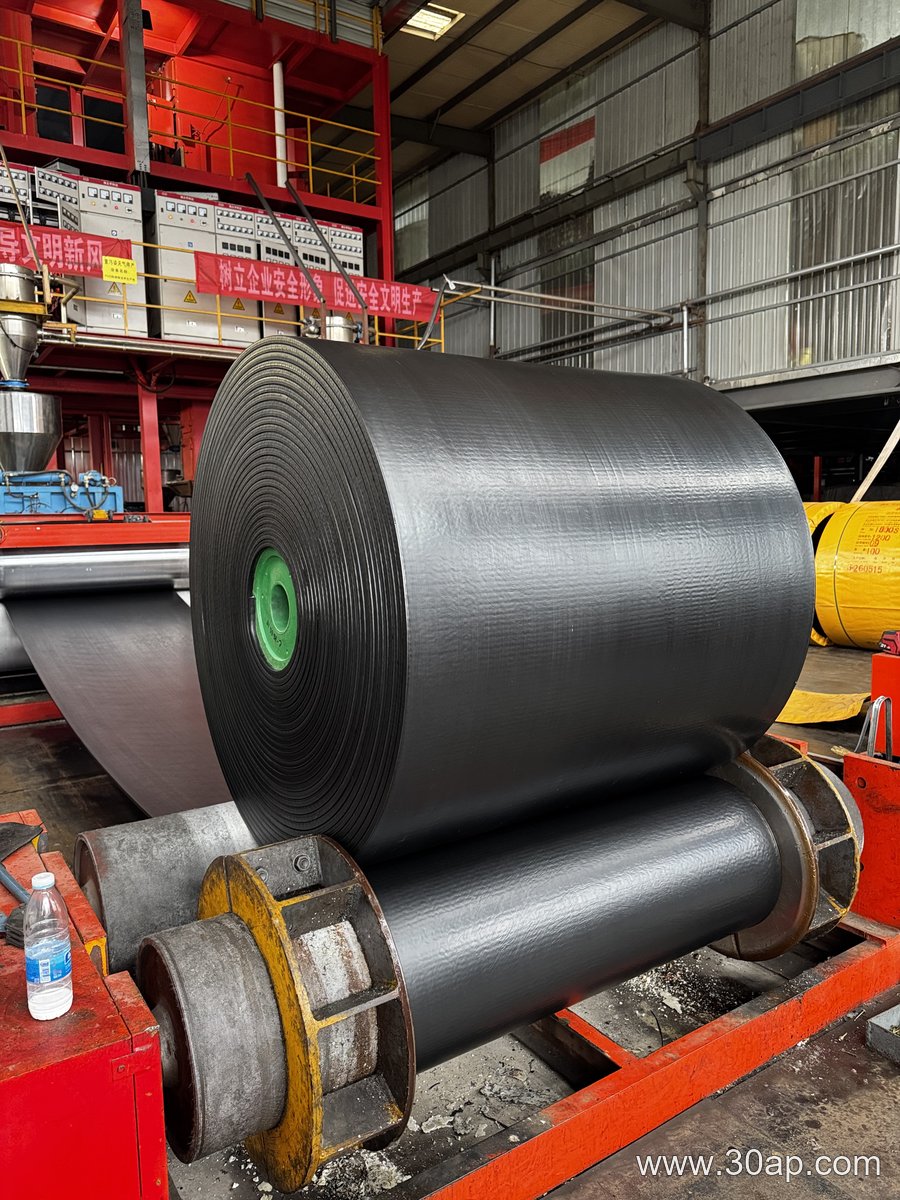
If the line changes duty often, a single conveyor belt specification may be a compromise. One practical path is to divide the line into zones. A heavy, slow zone might use a thick abrasion-resistant cover on a textile carcass, while a fast, light zone can use a thinner, more flexible belt that tracks well around small pulleys. Temperature is often the hidden constraint: a cover that handles oily parts may not handle heat, and vice versa.
Matching Speed and Pulley Diameter Without Guessing
As a general rule, a thicker or stiffer conveyor belt needs larger pulleys to avoid ply separation. If a station runs at high speed with small pulleys, choose a thinner belt and confirm the minimum pulley diameter with the belt supplier. Never invent a number; use the supplier’s published minimum for the selected construction.
When to Split the Specification Instead of Forcing One Belt
If the line moves hot parts above the limit of a standard cover, or oily parts that swell a natural rubber cover, split the specification. Use a heat-resistant belt in the hot zone and an oil-resistant belt in the oily zone. This is often cheaper than replacing one compromised conveyor belt every few months.
For a hypothetical mixed line, write down the material, speed, temperature, and contamination for each station. Then select a conveyor belt that meets the worst condition at that station, not the average. That single discipline prevents most premature failures.
Does a normal load guarantee a long idler roller life?
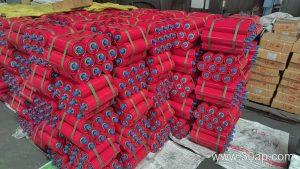
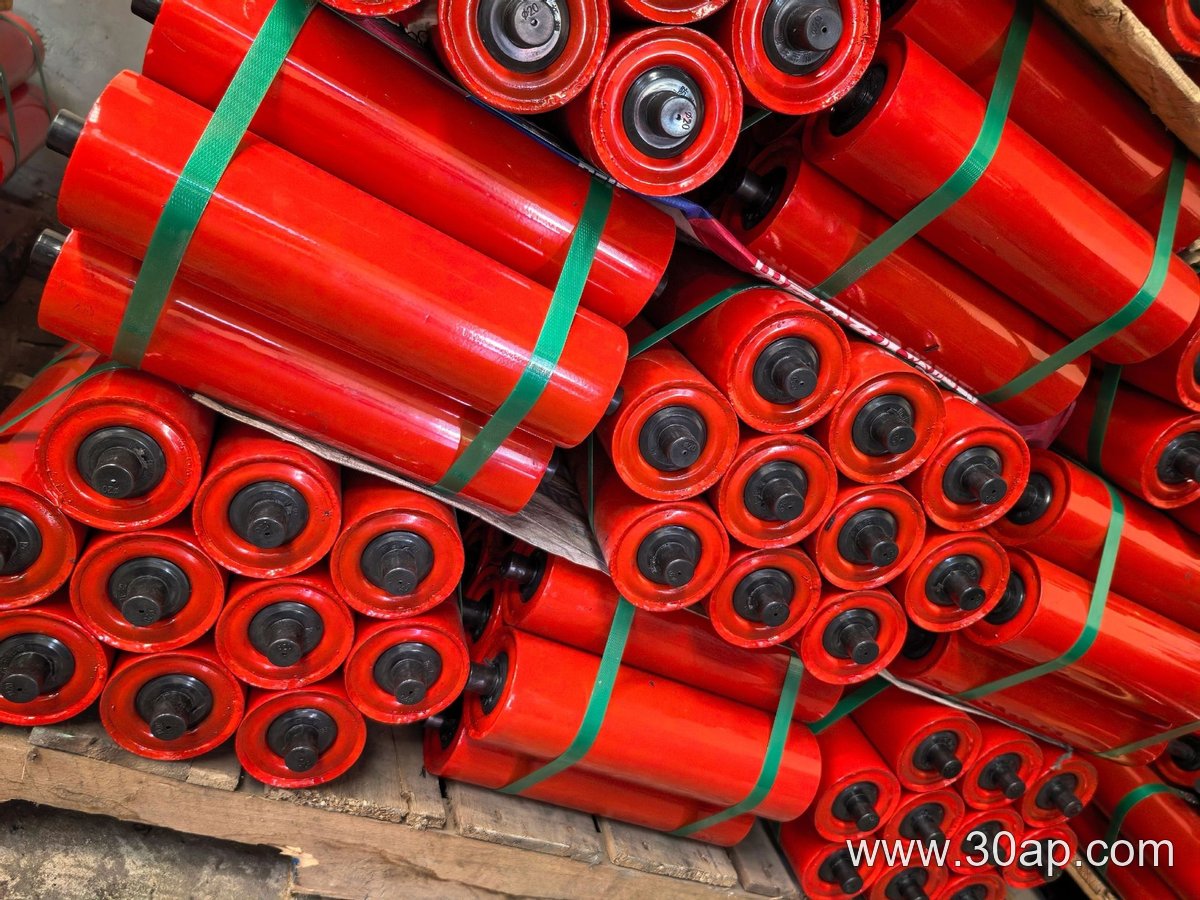
Not always. At a bulk-material port terminal, an idler roller can fail early because alignment, sealing, or vibration—not tonnage—drives wear. For example, a misaligned roller running empty may still overheat bearings. A correctly specified idler roller with proper clearance and free rotation lasts far longer.
What practical checks reveal the real cause?
- Rotate the idler roller by hand: roughness suggests bearing damage.
- Inspect the shell for flat spots or material build-up.
- Verify frame squareness and roller alignment.
In a hypothetical wet outdoor conveyor, water ingress, not load, often kills the idler roller first. Fix the environment, not just the roller.
Why does a conveyor pulley slip only when the belt is wet?
Because water turns lagging into a low-friction surface. In a cement plant, wet clinker dust acts like a lubricant. Check these four items in order.
1. Lagging condition
- Confirm the lagging is not glazed or worn smooth.
- Inspect for embedded grit that holds a water film.
2. Drainage
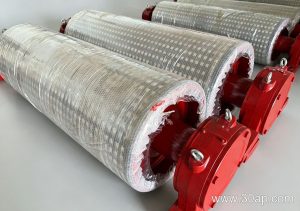
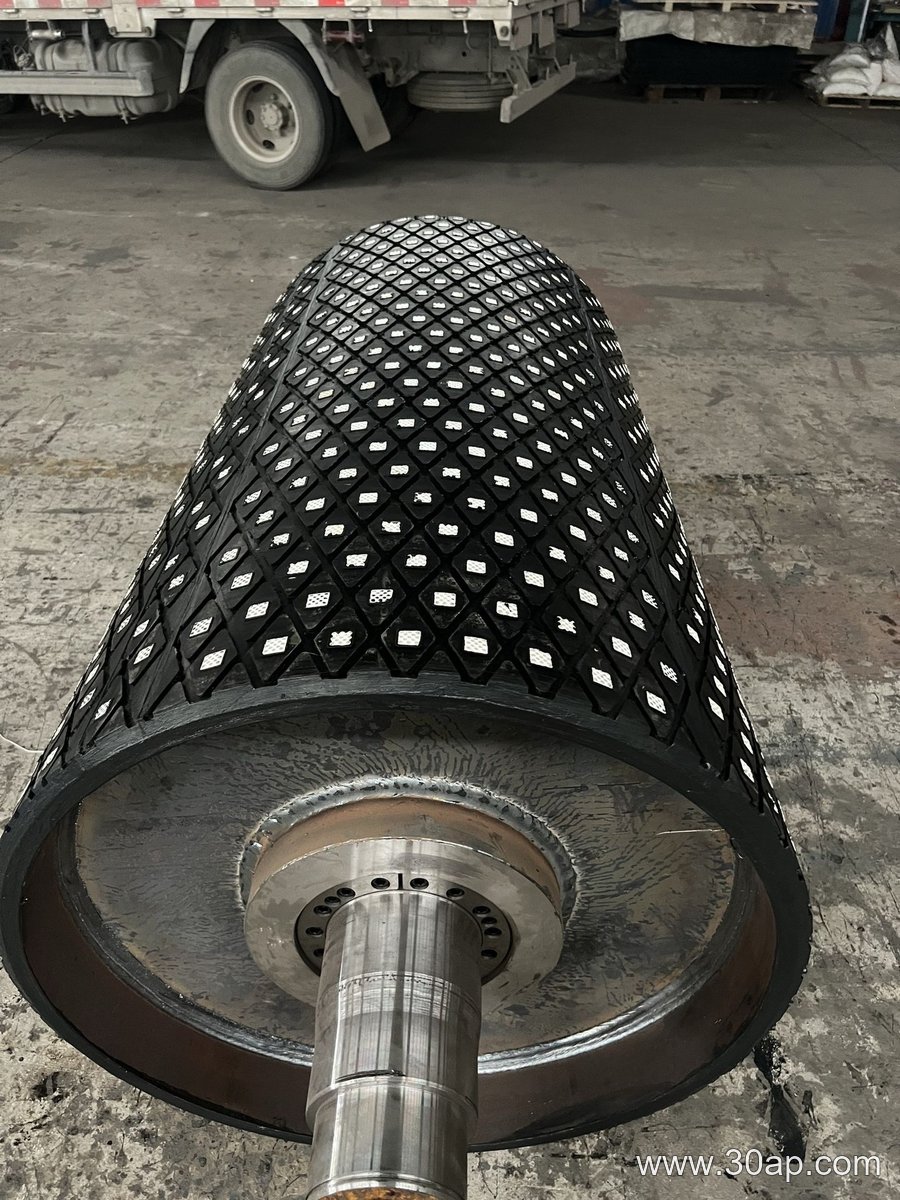
Plain lagging traps water. Grooved or herringbone rubber sheds it. A conveyor pulley with adequate grooves keeps contact dry enough to transmit torque.
3. Tension
Low take-up tension compounds slip. Verify tension meets the drive calculation.
4. Wrap angle
Check the arc of contact. A small wrap reduces grip even with good lagging.
Fix: regroove or replace lagging, restore tension, and add a snub pulley if wrap is marginal.
Can a bolted conveyor bracket correct belt wander caused by an out-of-square stringer?
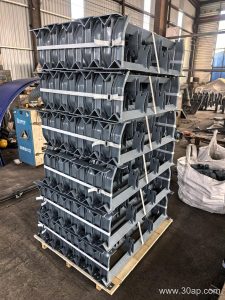
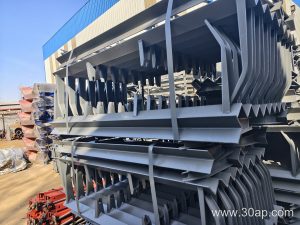
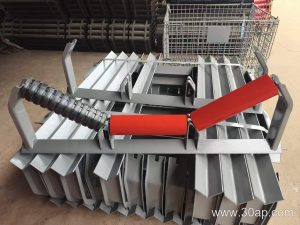
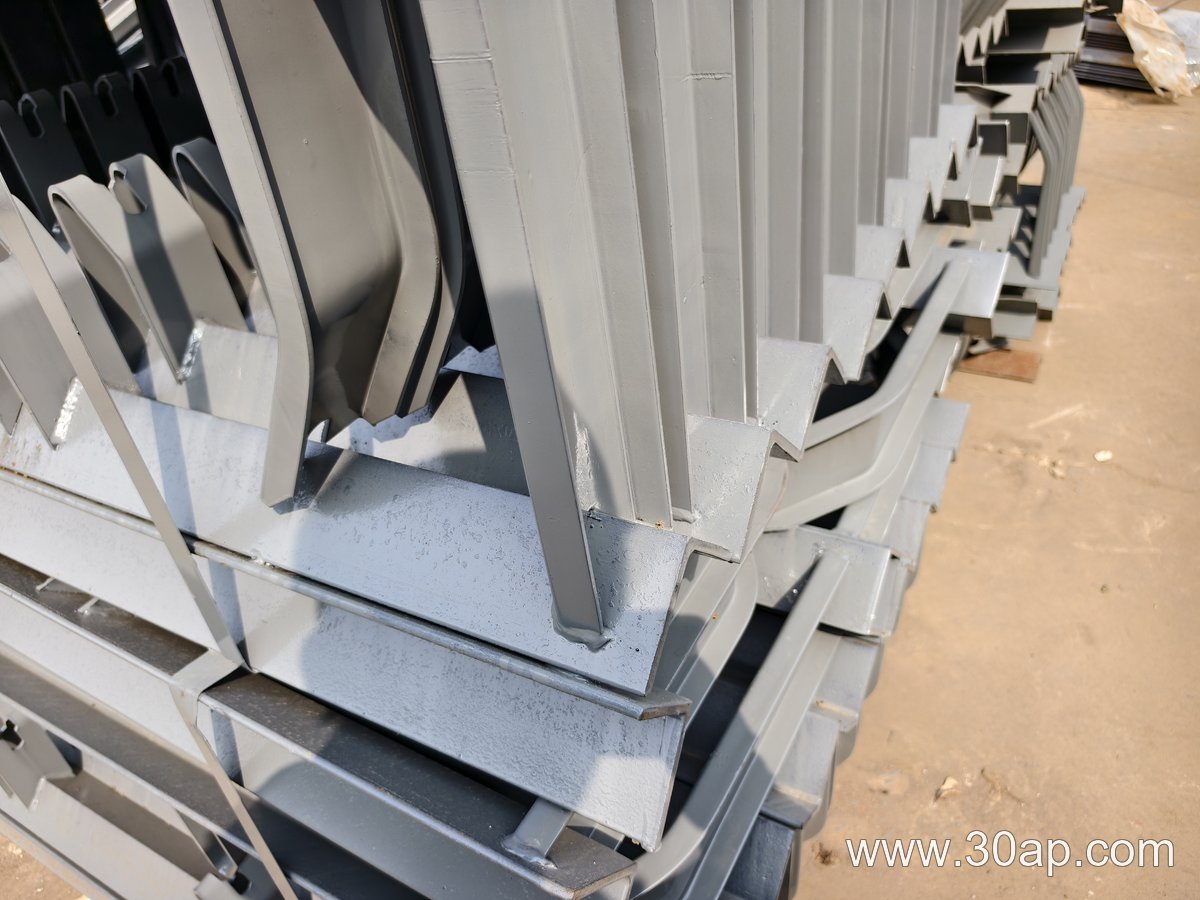
Assume a hypothetical mineral-processing plant where the stringer top flange is slightly out of square. A fixed conveyor bracket tilts each idler, so the belt steers toward one side. The practical fix is a shimmed or slotted conveyor bracket that restores the idler axis without cutting the frame.
Checks before choosing that solution
- Measure stringer squareness along the affected span.
- Confirm the bracket foot has enough slot travel for the needed correction.
- Verify the belt training effect is gradual, not abrupt.
- Check that the adjusted bracket still carries the full idler load.
If the misalignment is small, a slotted conveyor bracket with shims is the least invasive option. If it is large, realign the stringer first and use the bracket only for fine adjustment.