What Is a Conveyor Support Bracket?
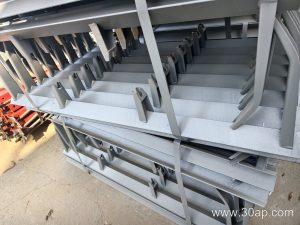
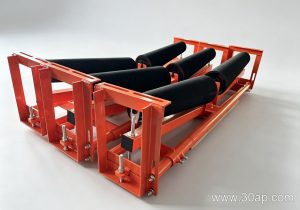
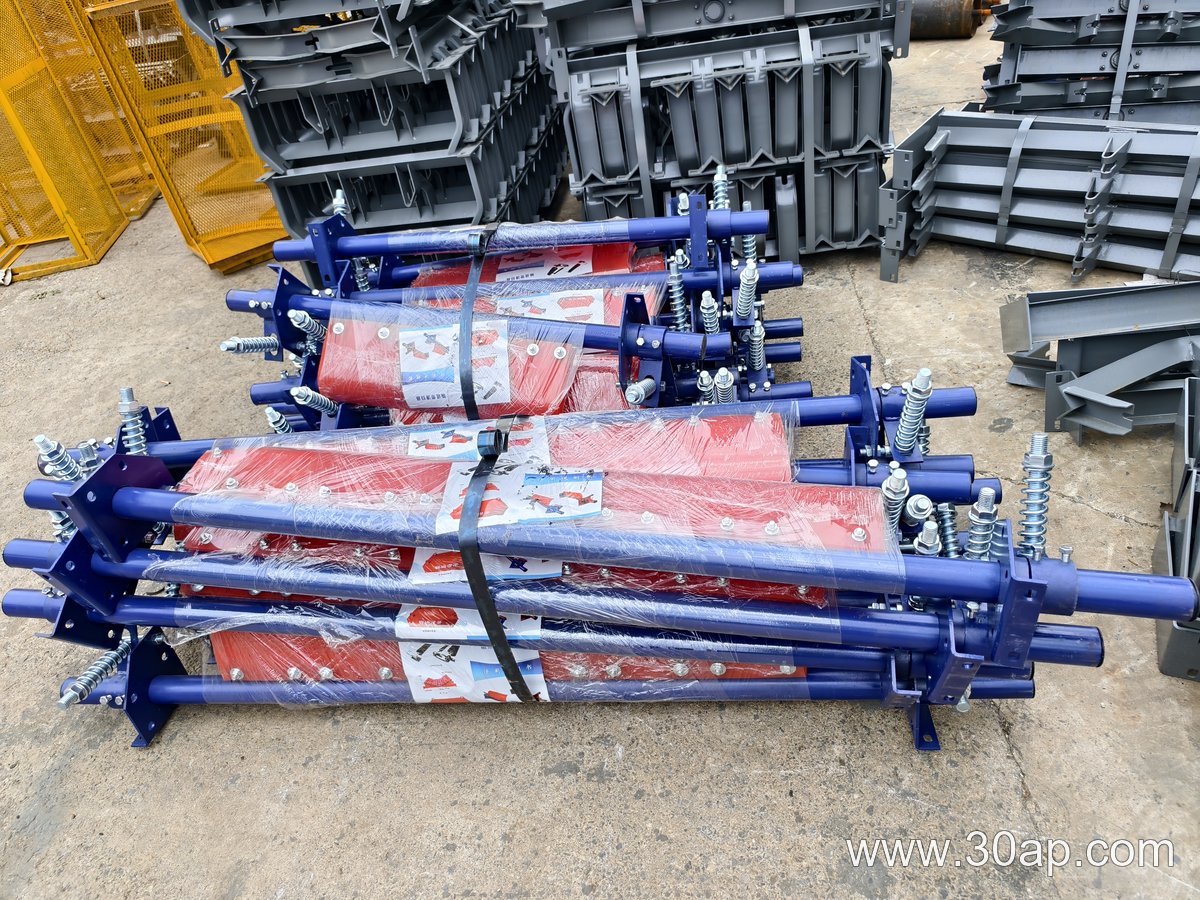
A conveyor support bracket is a structural component that holds idlers, rollers, or frame rails in place. In a general manufacturing line, it maintains alignment and load distribution along the conveyor path.
Construction and Features
Typically made from formed steel or aluminum, a conveyor bracket includes mounting holes, gussets, and a base plate. Its design may allow height adjustment and may be coated for corrosion resistance. Features such as slotted holes and reinforced ribs help accommodate belt tracking and vibration.
Uses in a Manufacturing Line
Conveyor brackets support both carrying and return sides of a belt. They are used at transfer points, drive sections, and tail pulleys. Proper bracket selection ensures smooth operation and reduces maintenance needs.
Why Conveyor Belt Classification Matters in a Dusty Quarry
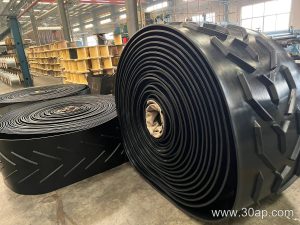
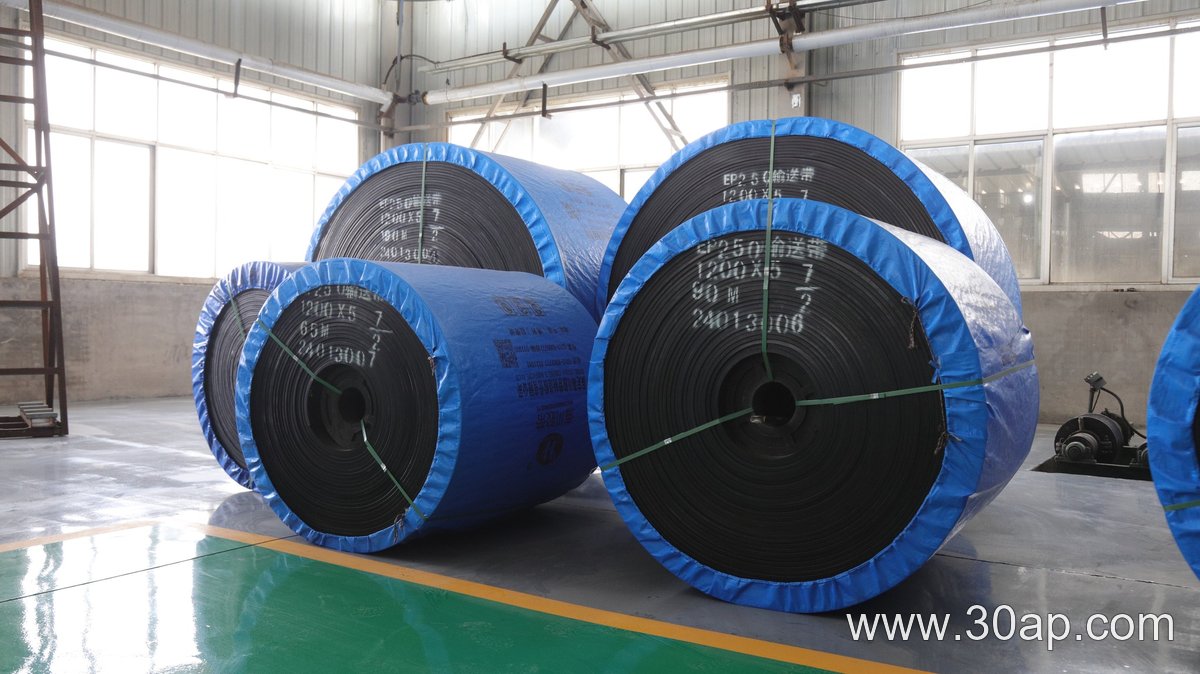
In a dusty quarry, a conveyor belt that is not matched to the duty will fail early. Grouping belts by construction, load capacity and performance helps you choose the right one.
Construction-Based Types
- Fabric carcass (EP): general purpose, moderate impact.
- Steel cord: high tension, long distances.
- Pipe conveyor belt: enclosed transport, dust control.
Duty and Performance Groups
- Heavy-duty: abrasive rock, high impact.
- Oil-resistant: recycled materials.
- Heat-resistant: hot clinker.
Match the group to the quarry’s material, speed and environment. A pipe conveyor belt, for example, suits dusty transfers where spillage is a concern. Gold mining conveyor belts often need abrasion resistance and tear strength.
How Do You Prepare a Clear Idler Roller Specification for Chinese Suppliers?
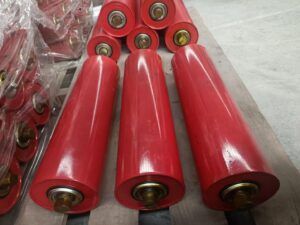
A practical question: what should a mineral-processing plant include in an idler roller inquiry to get comparable quotes from China? The direct answer is a specification that fixes the interface dimensions, load duty, and environmental protection, then asks the supplier to confirm each value in writing.
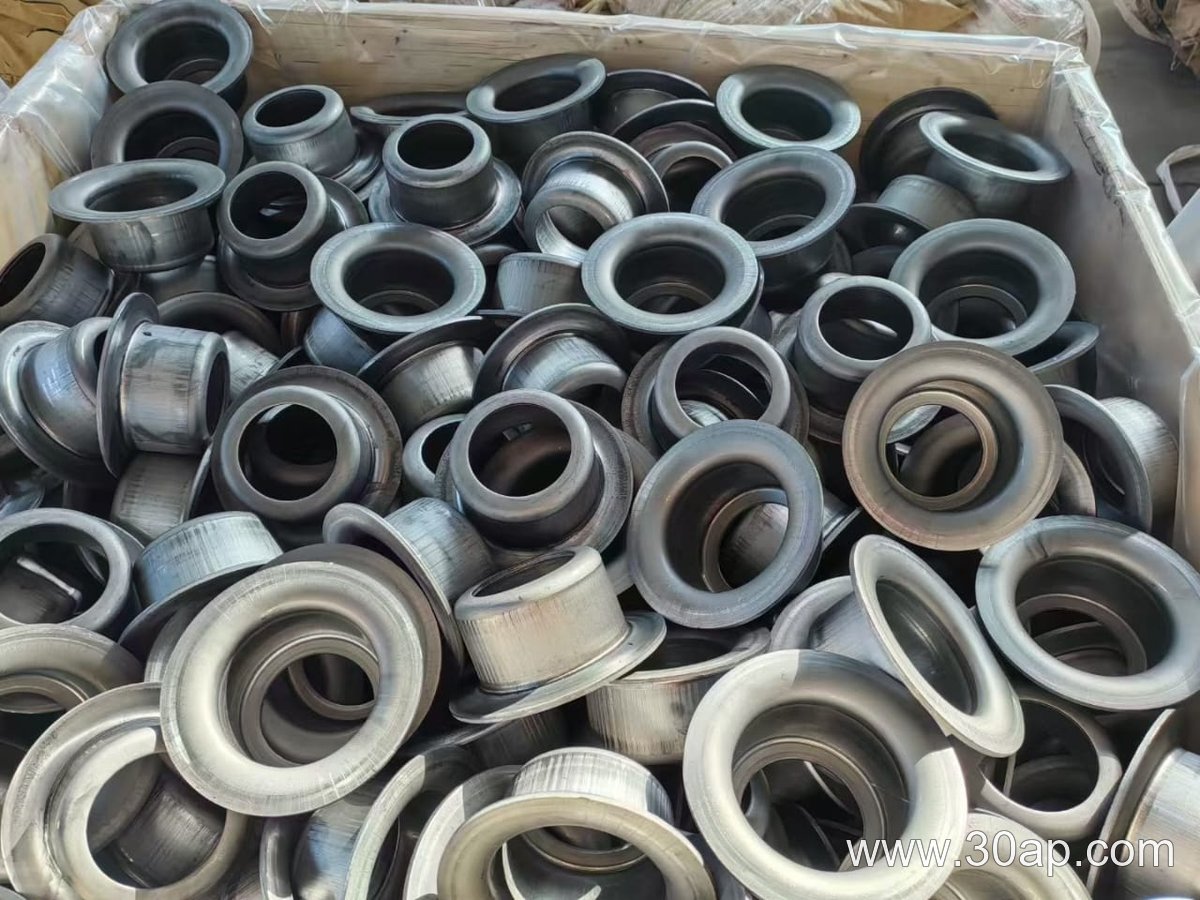
- Roll diameter, shaft diameter, and face length must match the existing conveyor frame.
- State the maximum belt load and speed so bearing size and seal type can be checked.
- Describe dust, moisture, and temperature exposure so the supplier proposes a suitable seal and finish.
- Require a dimensional drawing and material declaration with every quotation.
What Should You Evaluate in a Chinese Idler Roller Supplier Beyond Price?
Price alone does not reveal whether an idler roller will survive a mineral-processing plant. Ask for the factory’s process control for tube straightness, bearing seating, and seal assembly. Request a sample lot and inspect rotation torque and end-play. Confirm that the supplier can trace bearing and steel batches, and that packaging protects the idler roller from moisture during sea freight.
Grouping a Conveyor Pulley by Construction and Duty
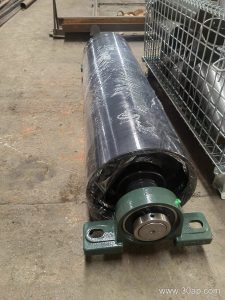
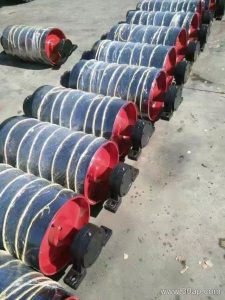
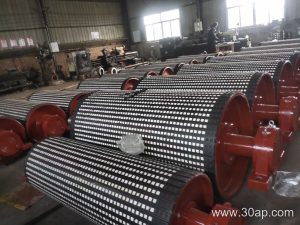
A conveyor pulley is easiest to specify when subtypes are grouped by construction, duty, or performance rather than by position alone. On a general manufacturing line, that grouping keeps the pulley matched to belt tension, speed, and environment.
By Construction
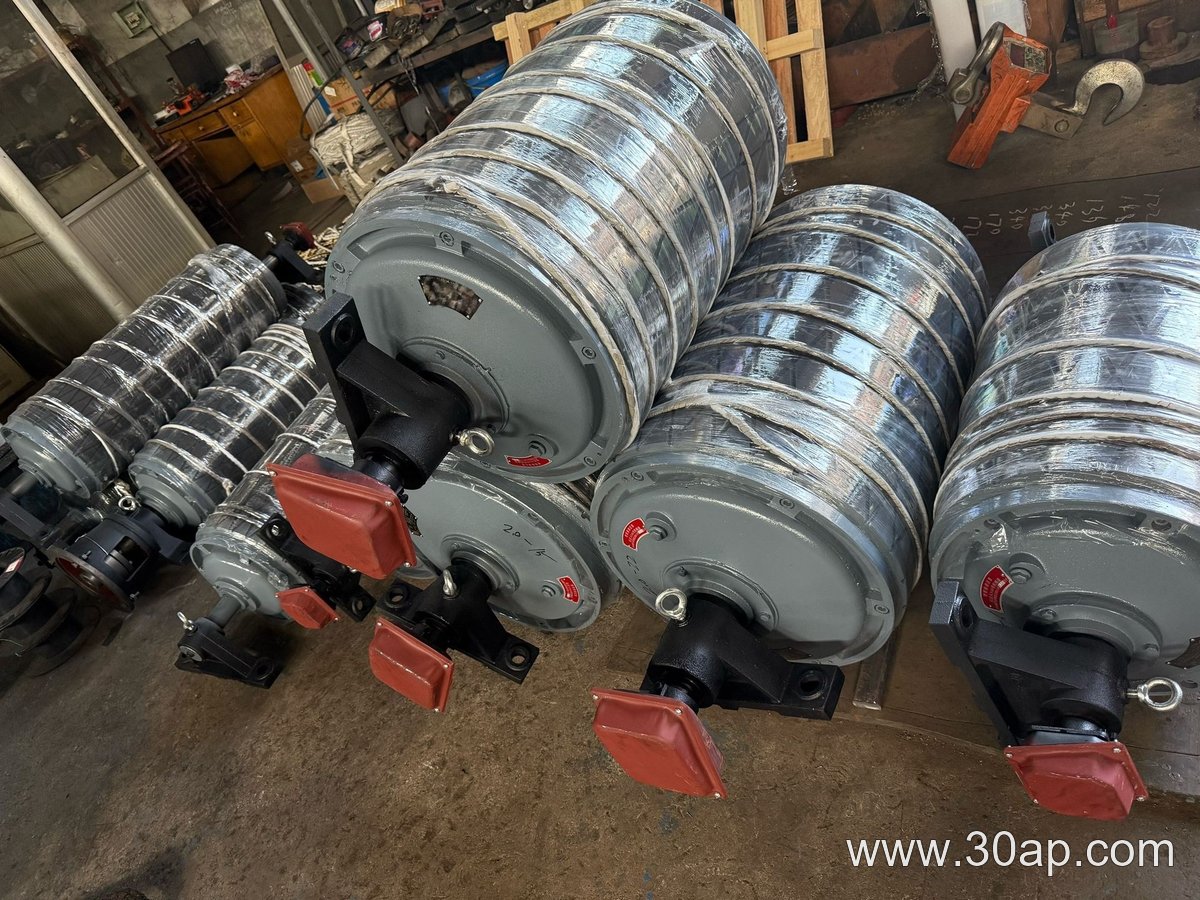
- Drum conveyor pulley: welded shell for full belt contact and high grip.
- Wing conveyor pulley: spaced bars for self-cleaning in sticky or dusty service.
- Intermediate bend pulley: redirects the belt without driving it.
By Duty and Performance
Light-duty pulleys suit low-tension packaging lines. Heavy-duty pulleys handle abrasive bulk loads. A 630mm diameter conveyor pulley may be selected where belt speed and wrap angle demand a larger contact surface.
Choose a subtype only after confirming shaft load, lagging, and bearing life for the actual line conditions.