What the ST3150 Conveyor Belt Is
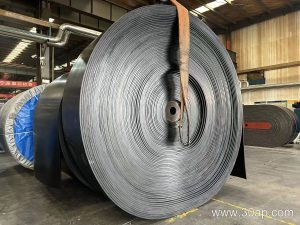
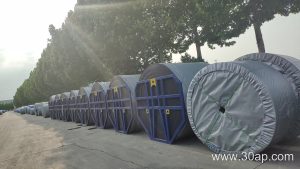
The ST3150 conveyor belt is a steel cord conveyor belt with a nominal tensile strength of 3150 N/mm. In a steel cord belt, the load-bearing skeleton is not woven fabric but a single layer of parallel steel cords embedded in rubber. Those cords run lengthwise and carry the tension, which allows the belt to cover long distances and handle heavy material flows without the stretch you would see in a multi-ply fabric construction. ST3150 is one of the higher strength classes within the steel cord range, sitting above ST2500 and below ST3500 and ST4000 in many manufacturer catalogs. Because the exact cord pitch, cord diameter and cover compound are set by the belt maker, the buyer should treat the grade as a strength class, not as a complete specification.
How the Belt Is Built
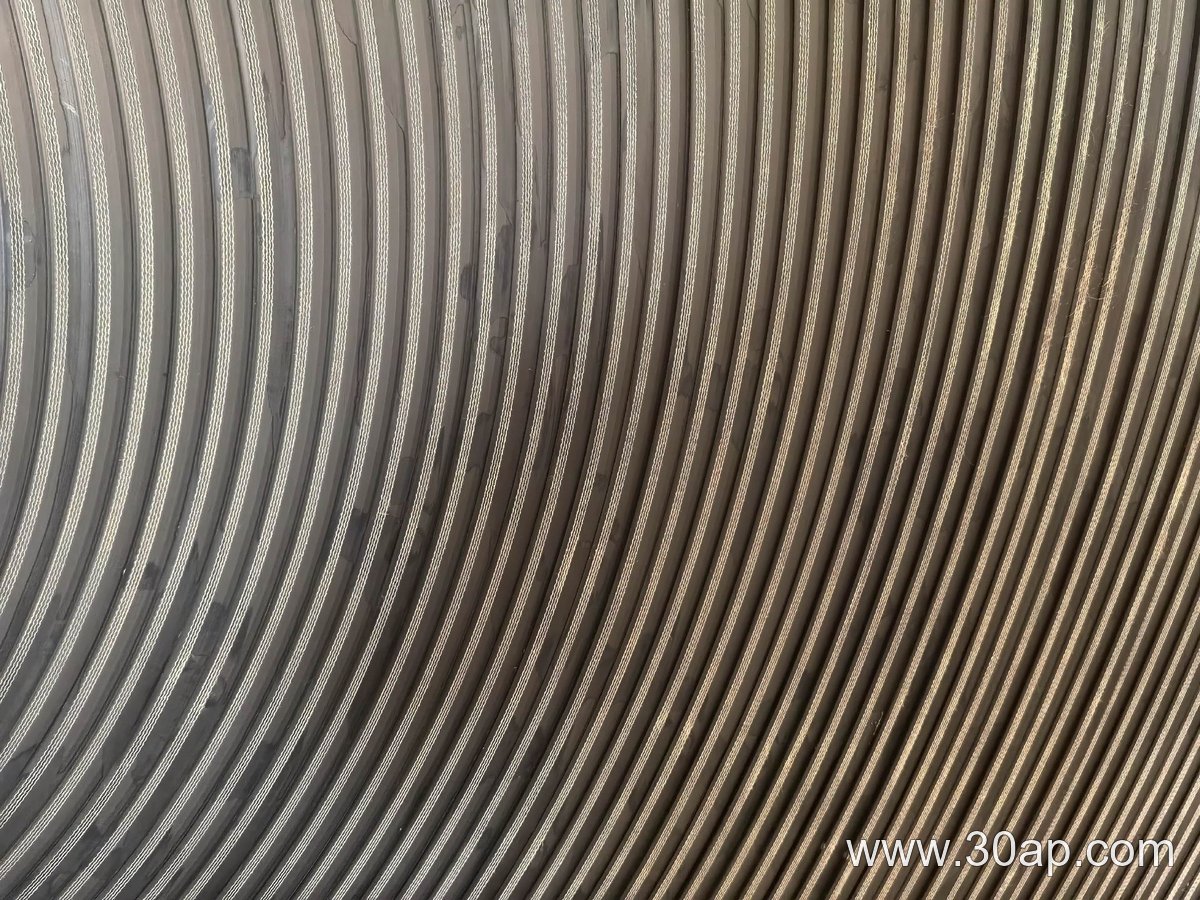
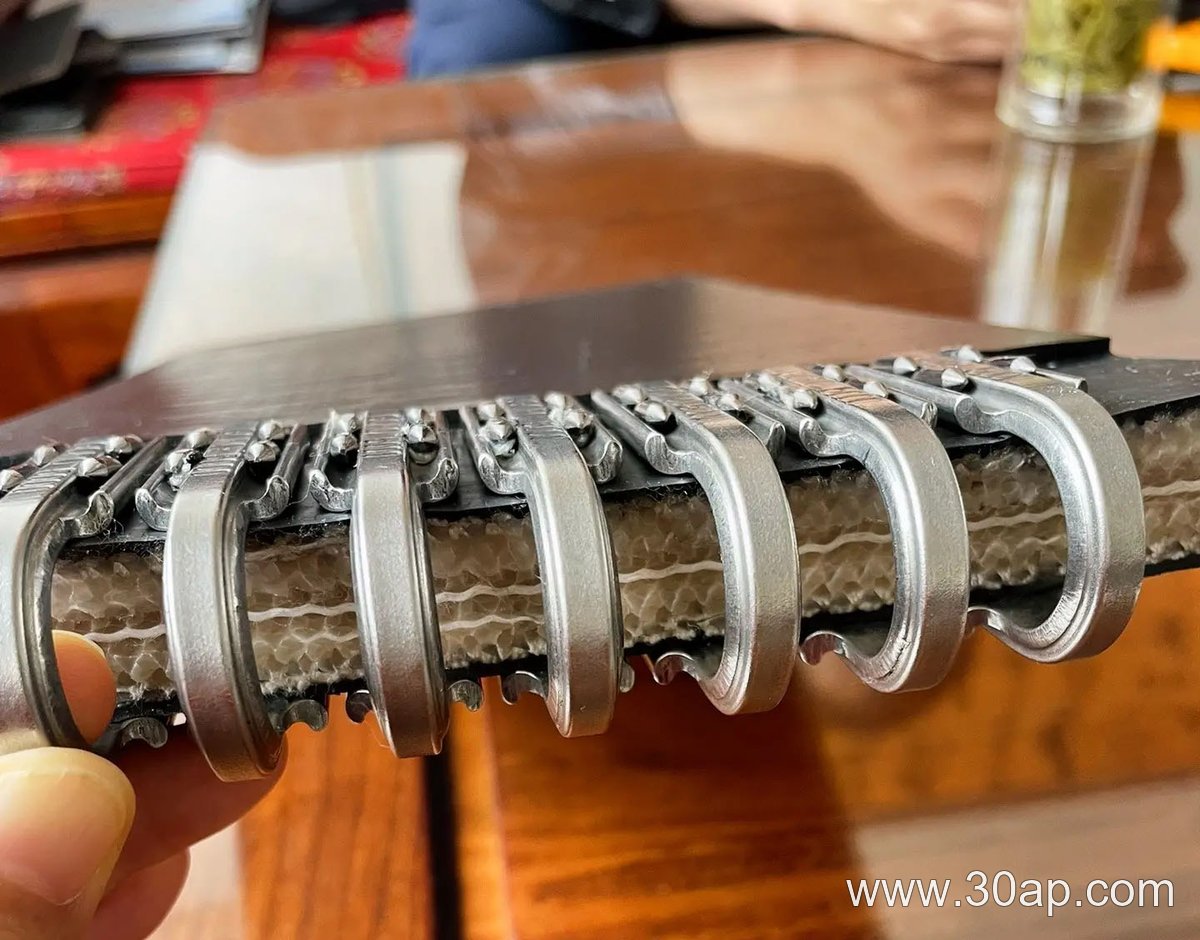
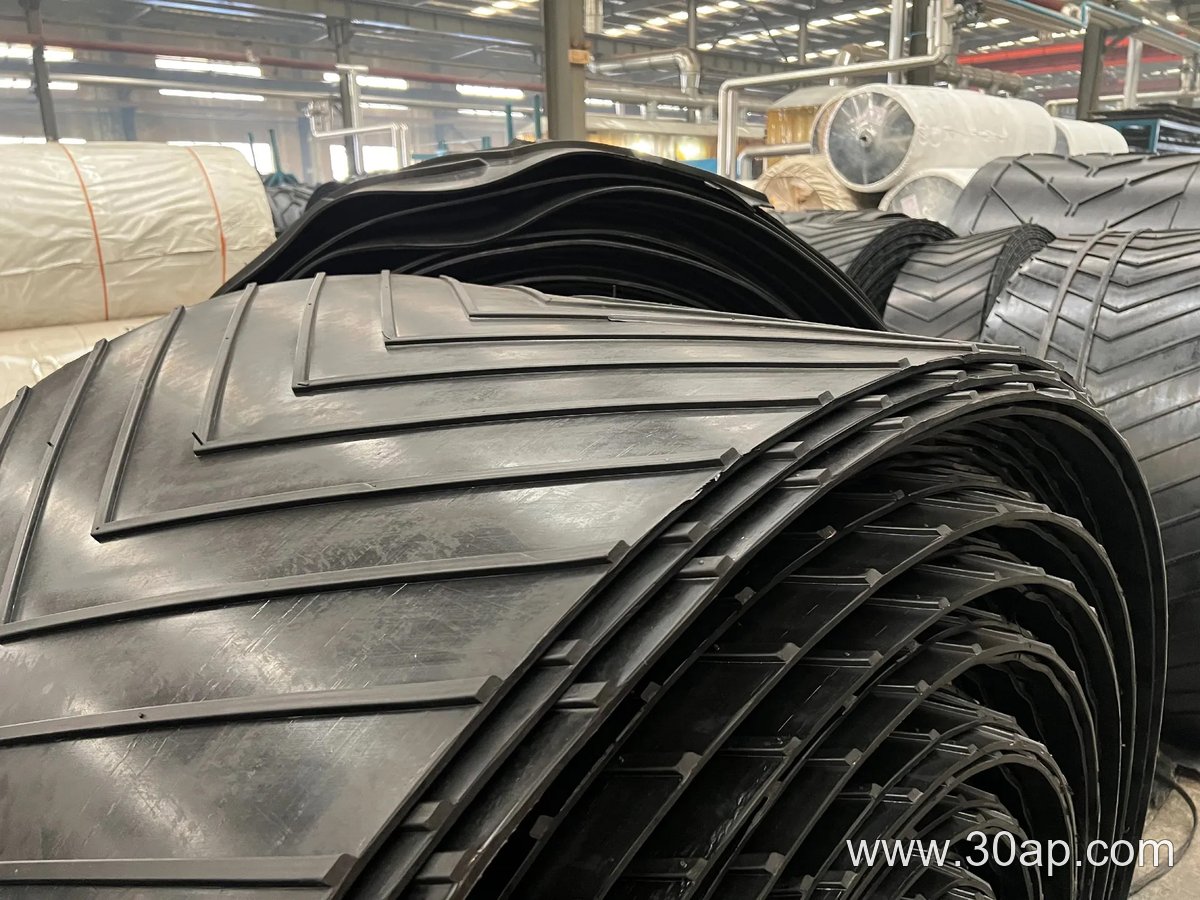
The construction has three main zones. At the center is the cord layer, where steel cords are spaced at a defined pitch and held in a bonding rubber. Above and below that layer sit the cover compounds: a top cover that faces the material and a bottom cover that runs against the idler rollers. Cover thickness is given as two numbers, such as 6+2 mm or 8+3 mm, where the first figure is the top cover and the second is the bottom cover. The rubber can be formulated for abrasion resistance, heat, oil, flame resistance or antistatic behavior, depending on the duty. Edge rubber protects the cords at the sides, and the splice is usually made as a stepped or finger splice that locks the cords together. A vulcanized splice is standard for this class because mechanical fasteners cannot develop the full cord strength.
Where It Fits in a Conveyor
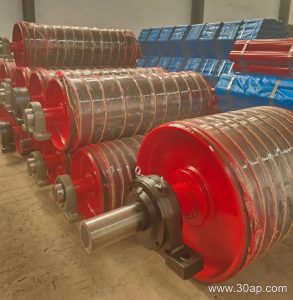
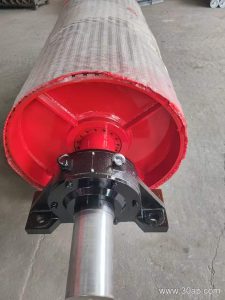
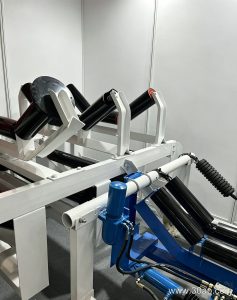
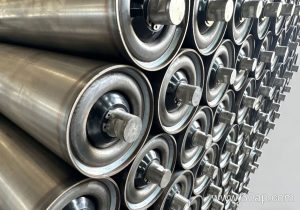
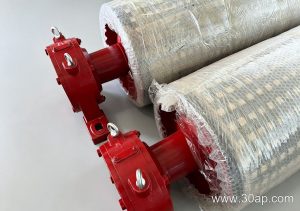
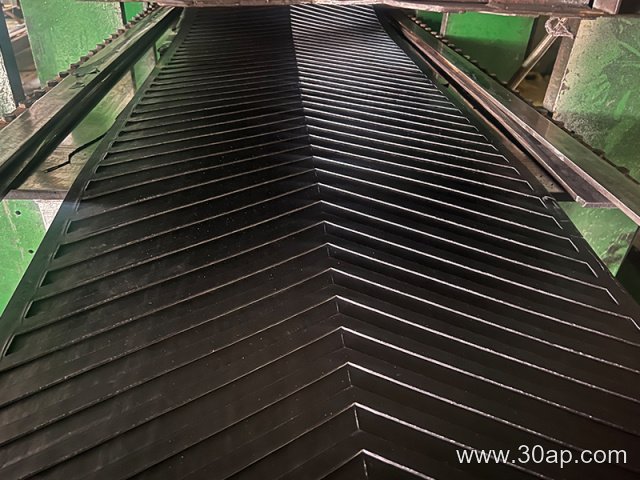
Steel cord belts of this strength are common in long overland conveyors, large downhill or incline haulage lines, and heavy-duty bulk handling in mining, ports and power plants. The belt runs over a drive pulley, a tail pulley and bend pulleys that route it through the structure. On the carrying side, troughing idler rollers shape the belt into a trough so the load stays centered; on the return side, flat return idlers support it. A conveyor pulley is not interchangeable with a tail or bend pulley in terms of function, and each has its own diameter and lagging requirement. Belt width and pulley diameter are matched by the conveyor designer based on tension, material size and the minimum bend radius the belt can tolerate, not by a single fixed rule. For comparison, a fabric belt such as an EP or NN construction may be the better choice on a short, low-tension line, but it would not replace a steel cord belt where high tension and low elongation are needed.
Points a Buyer Should Check
- Strength class and safety factor. Confirm that the calculated maximum belt tension, including starting and stopping loads, leaves an adequate safety factor for the selected ST3150 grade.
- Cover thickness and compound. Match the top cover to the abrasiveness and lump size of the material, and the bottom cover to the pulley and idler contact. A thicker cover adds wear life but also adds weight and cost.
- Belt width. Common widths include B800, B1000, B1200, B1400 and B1600, but the correct width follows the required capacity and the minimum pulley diameter for the cord construction.
- Pulley diameters. The drive, tail and bend pulleys each have a minimum diameter recommended by the belt manufacturer. Do not assume one belt width corresponds to one pulley size, and do not derive a shaft diameter from belt width alone.
- Splice method and site conditions. Steel cord belts normally require a vulcanized splice, so the installation plan should include the equipment, time and trained crew for it.
- Environmental factors. Temperature, oil exposure, fire risk and static buildup all influence the rubber formulation. State these conditions clearly when requesting a quotation.
Selection and Maintenance Notes
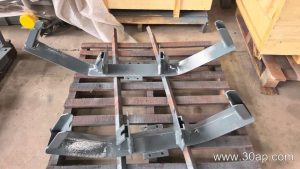
For a new conveyor, the belt, the conveyor pulley, the idler roller and the conveyor bracket should be treated as one system. Misalignment at the tail pulley, seized idlers or a poorly crowned pulley can damage even a correctly specified ST3150 belt. During operation, watch for edge wear, cover gouges, exposed cords and splice movement. Keep the belt tracking straight, maintain adequate tension and replace worn idlers before they cut into the bottom cover. When storing a spare belt, keep it off the ground, out of direct sunlight and away from ozone sources such as electric motors. Because cord construction and cover grades vary between manufacturers, always request the maker’s data sheet for the exact ST3150 belt being offered and check it against the conveyor design.