What Conveyor Bracket Procurement Covers
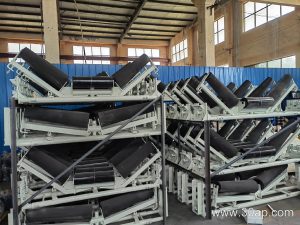
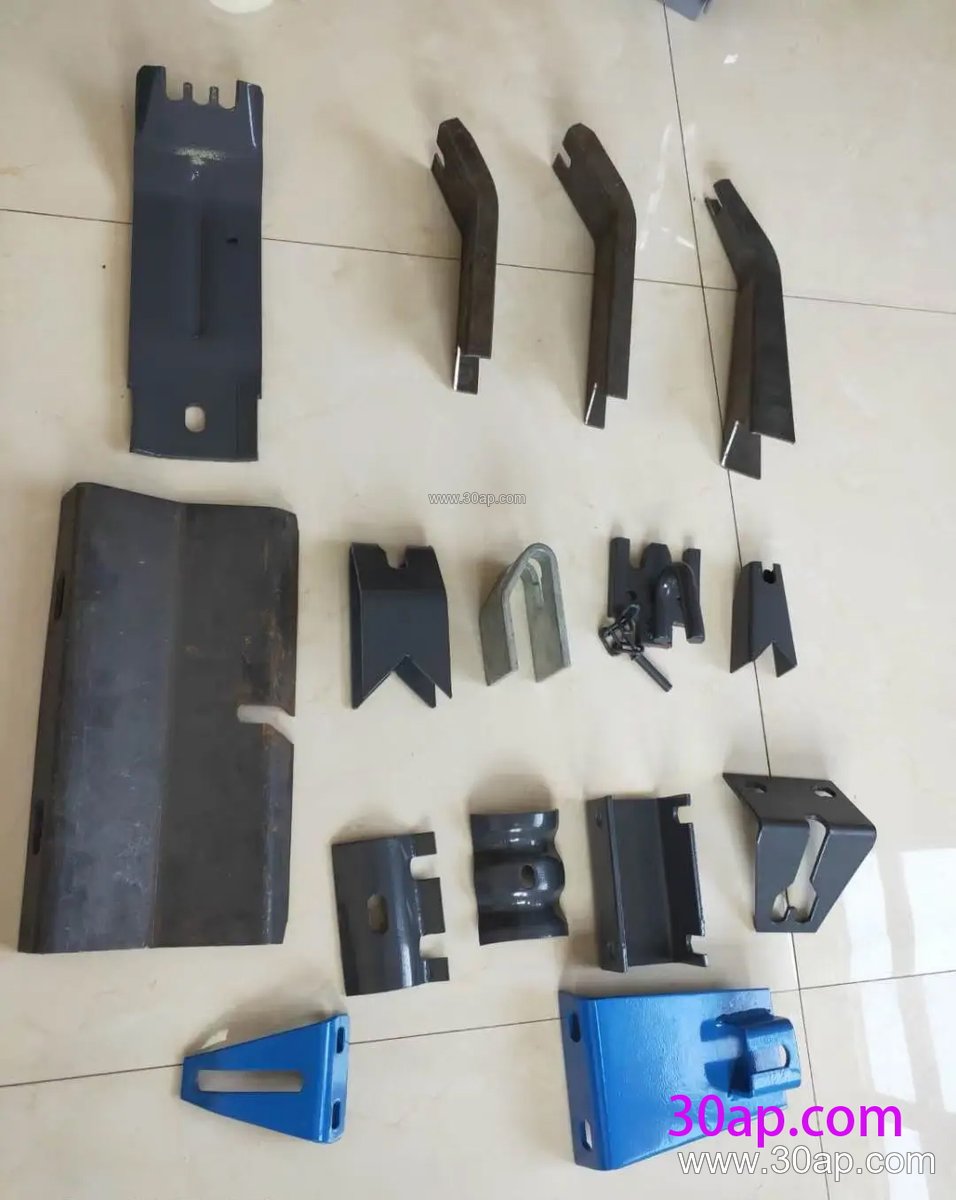
Conveyor bracket procurement is the process of sourcing the structural supports that hold idler rollers in place along a conveyor frame. These brackets, often called idler support brackets or roller mounting brackets, are not a single universal part. They include troughing brackets, return brackets, transition brackets, impact brackets, self-aligning brackets, and adjustable designs. Each type serves a specific position and function on the conveyor line. A buyer sourcing these components needs to match the bracket style to the belt width, trough angle, roller diameter, and loading conditions of the system.
How a Conveyor Bracket Is Built
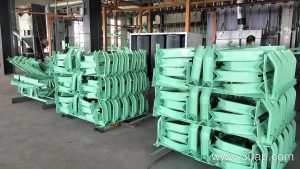
Most brackets are fabricated from angle steel, channel steel, or folded steel plate. The material thickness and finish depend on the duty cycle and environment. In a coal mine or cement plant, for example, brackets may need extra protection against dust and corrosion. The bracket typically has mounting holes or slots that align with the conveyor frame stringers. The top surface or cradle determines the trough angle of the idler rollers. Adjustable brackets allow the trough angle to be changed on site, which is useful when the material flow characteristics vary or when the belt needs fine tuning.
Where These Brackets Are Used
Conveyor brackets appear in almost every bulk material handling operation. In a sand and gravel plant, troughing brackets support the carrying side of the conveyor belt. In a power plant coal yard, return brackets hold the idler rollers that support the empty belt on its way back. In a fertilizer or grain silo facility, self-aligning brackets help keep the belt centered and reduce spillage. The same bracket family also appears in crushing and screening circuits, steel mills, and tunnel muck removal systems. The working environment often dictates the bracket material and coating, but the basic mounting principle remains similar.
Key Parameters for Procurement
When preparing a purchase inquiry, several parameters should be confirmed. The table below lists common reference values, but these are not fixed combinations. The actual bracket design depends on the conveyor layout and the roller manufacturer’s recommendations.
| Parameter | Common Reference Values |
|---|---|
| Belt width | B500, B650, B800, B1000, B1200, B1400, B1600, B1800, B2000, B2200 |
| Trough angle | 20°, 30°, 35°, 45° (adjustable brackets can be set between these angles) |
| Roller diameter | Ø89, Ø108, Ø133, Ø159, Ø194 |
| Bracket type | Troughing, return, transition, impact, self-aligning, adjustable |
| Material | Angle steel, channel steel, folded steel plate |
Do not assume that one belt width can only match one trough angle or one roller diameter. For example, a B800 conveyor might use a 35° troughing bracket with Ø108 rollers in one application, while a B1200 system could use a 45° bracket with Ø133 rollers. The mounting hole spacing and crossbeam length vary with belt width and trough angle, so these dimensions should be confirmed with the supplier rather than taken as universal constants.
Adjustable Versus Fixed Brackets
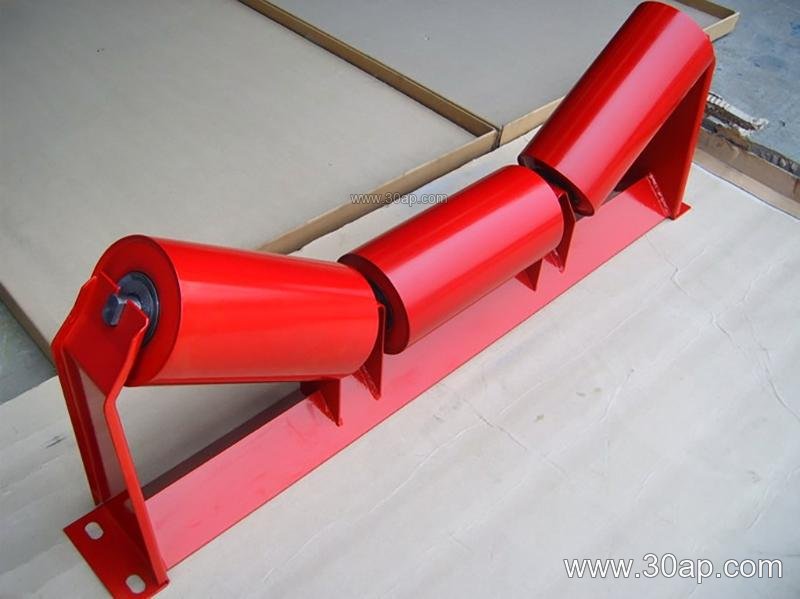
Fixed brackets are simple and cost-effective when the conveyor operates under stable conditions. Adjustable brackets cost more but allow the trough angle to be modified after installation. This can be helpful when the material being conveyed changes, or when the belt training needs correction. A transition bracket, for instance, may be fixed because it guides the belt from a flat pulley to a troughed profile. A self-aligning bracket, on the other hand, may include pivoting elements that respond to belt misalignment. These are different subtypes and should not be treated as interchangeable.
Working with Idler Rollers and Conveyor Pulleys
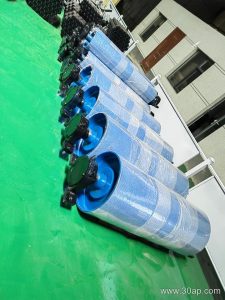
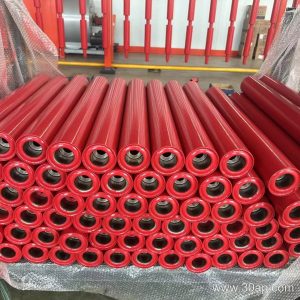
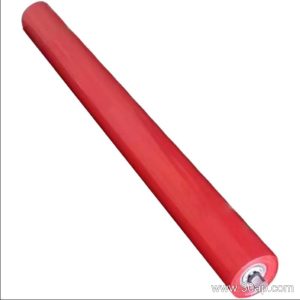
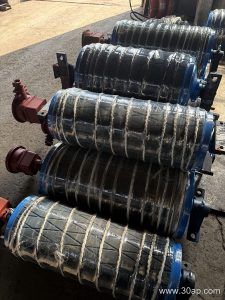
Conveyor brackets do not work alone. They position the idler rollers that support the conveyor belt. The belt itself runs over these rollers and around the conveyor pulleys at the head and tail. A drive pulley, a tail pulley, and a bend pulley each have distinct roles and are not interchangeable. The bracket selection must consider the roller diameter and the belt width, but it also must fit the frame geometry. In a typical procurement package, the buyer may request troughing brackets, return brackets, and a set of idler rollers together. The bracket holes must align with the roller shaft ends, and the overall height must match the conveyor profile.
Practical Advice for Buyers
- Confirm the belt width, trough angle, and roller diameter before requesting a quote.
- Specify the bracket type by its position and function, not just by a generic name.
- Ask for the mounting hole spacing and crossbeam length as part of the drawing review.
- Consider the environment: dusty, corrosive, or high-impact areas may need different materials or additional reinforcement.
- Do not mix drive, tail, and bend pulley specifications with bracket specifications; they are separate components.
Conveyor bracket procurement is a detail-oriented task. A bracket that fits one conveyor may not fit another, even if the belt width is the same. By focusing on the actual mounting dimensions, the roller size, and the trough angle, a buyer can avoid costly returns and keep the material handling line running smoothly.