What Should a Purchasing Specification for a Conveyor Pulley Contain Before You Compare Suppliers
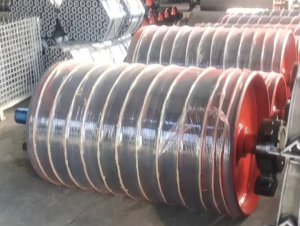
Start with the duty, not the drawing. Write down belt width, expected belt tension, speed, ambient conditions, and whether the conveyor pulley is a head, tail, or take-up unit. These inputs let every supplier quote against the same requirement.
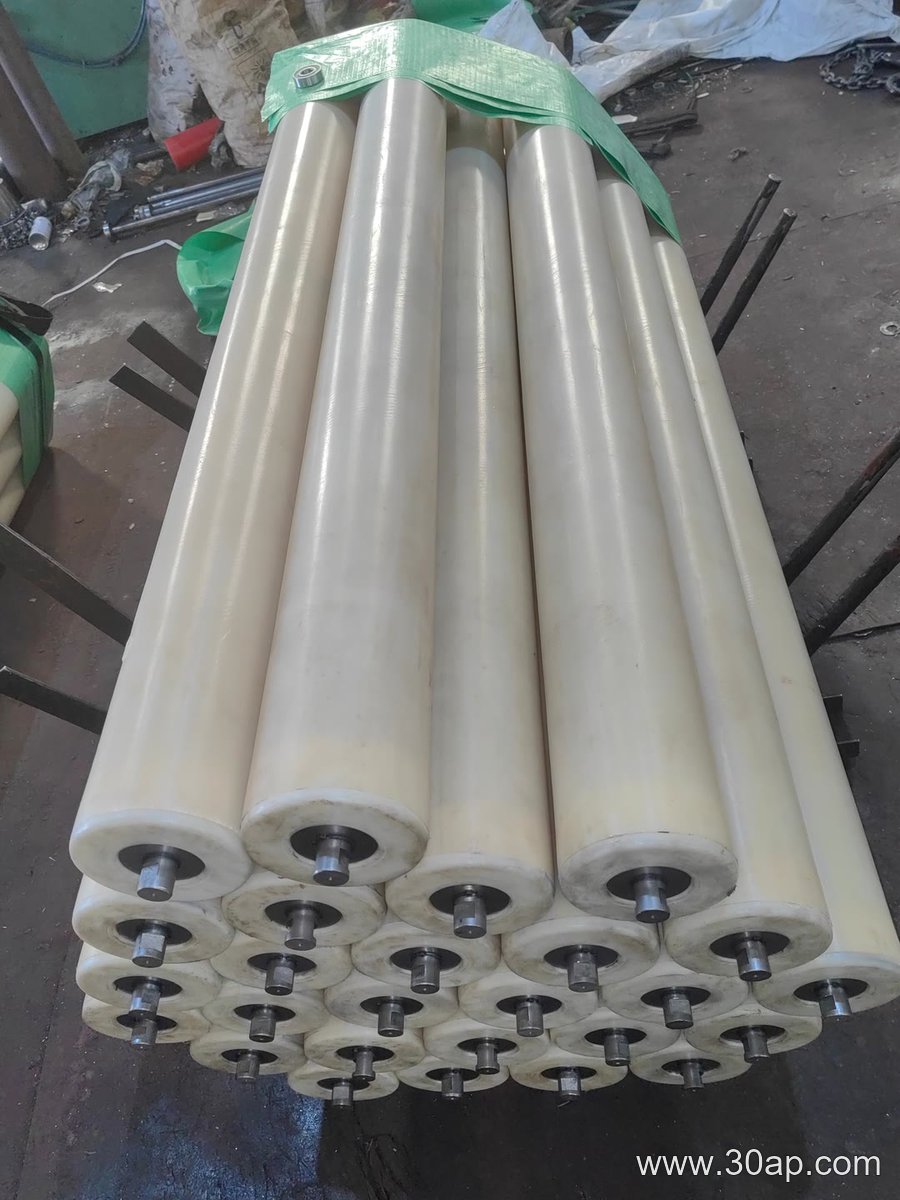
Checks to build into the specification
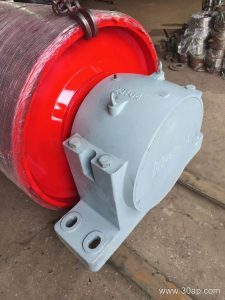
- Shell diameter, face width, and shaft diameter with tolerances.
- Lagging type and thickness, plus crown if needed for tracking.
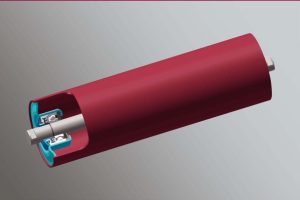
- Bearing type, sealing arrangement, and lubrication method.
- Balancing grade and inspection records for the finished conveyor pulley.
Evaluating a supplier
Ask for the manufacturing route, welding and machining controls, and how runout is measured. A supplier who can explain these steps is easier to audit than one who only sends a catalog page. For a general manufacturing line, request a sample inspection plan before placing a bulk order.
Which conveyor bracket construction fits an impact zone?
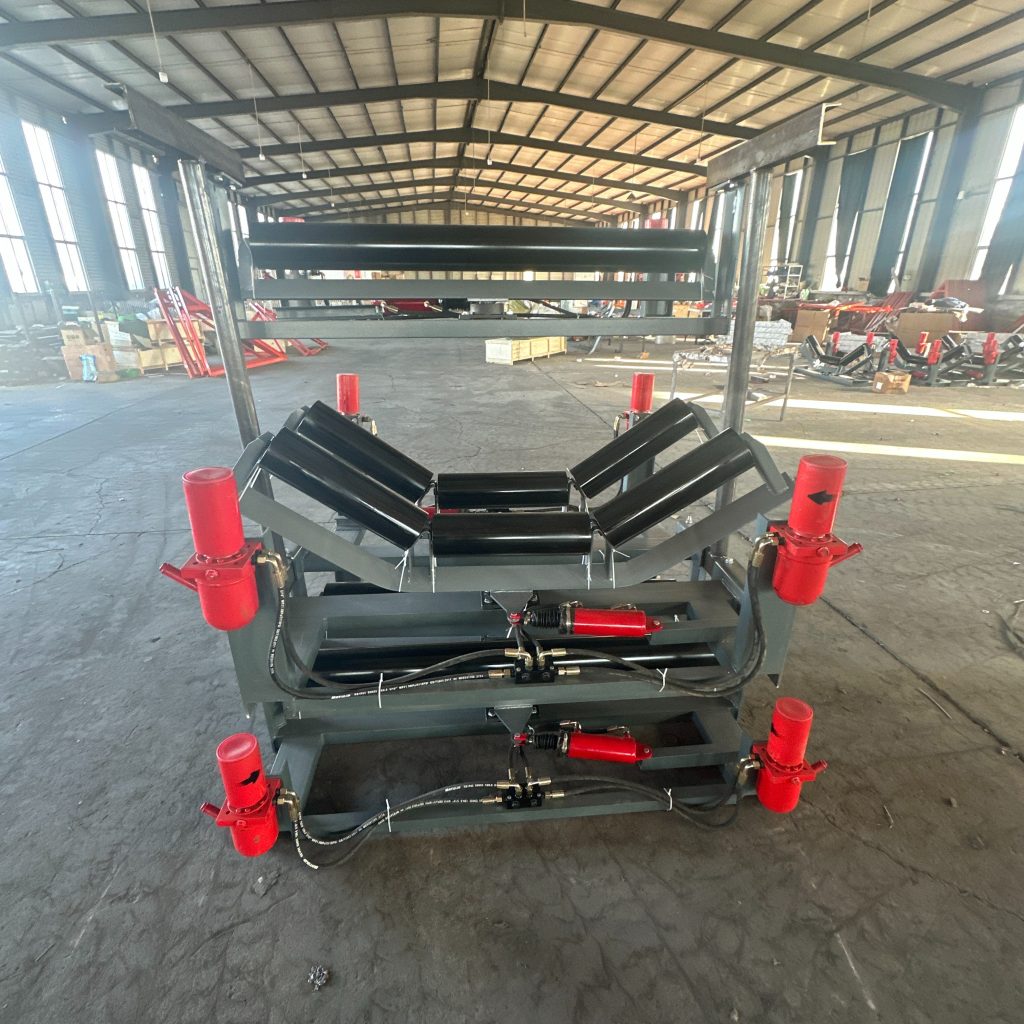
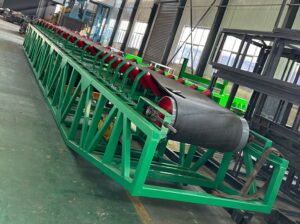
At a bulk port terminal, the conveyor bracket under a loading chute must absorb impact while keeping the idler axis aligned. The choice depends on duty: light, medium, or heavy. Light brackets use formed sheet or thin angle; medium use channel or angle with gussets; heavy use welded plate or cast designs. For impact zones, a heavy-duty welded bracket with a wide base and close bolt pattern resists shock and torsional flex. Verify bolt hole spacing, base thickness, and weld size against the calculated load.
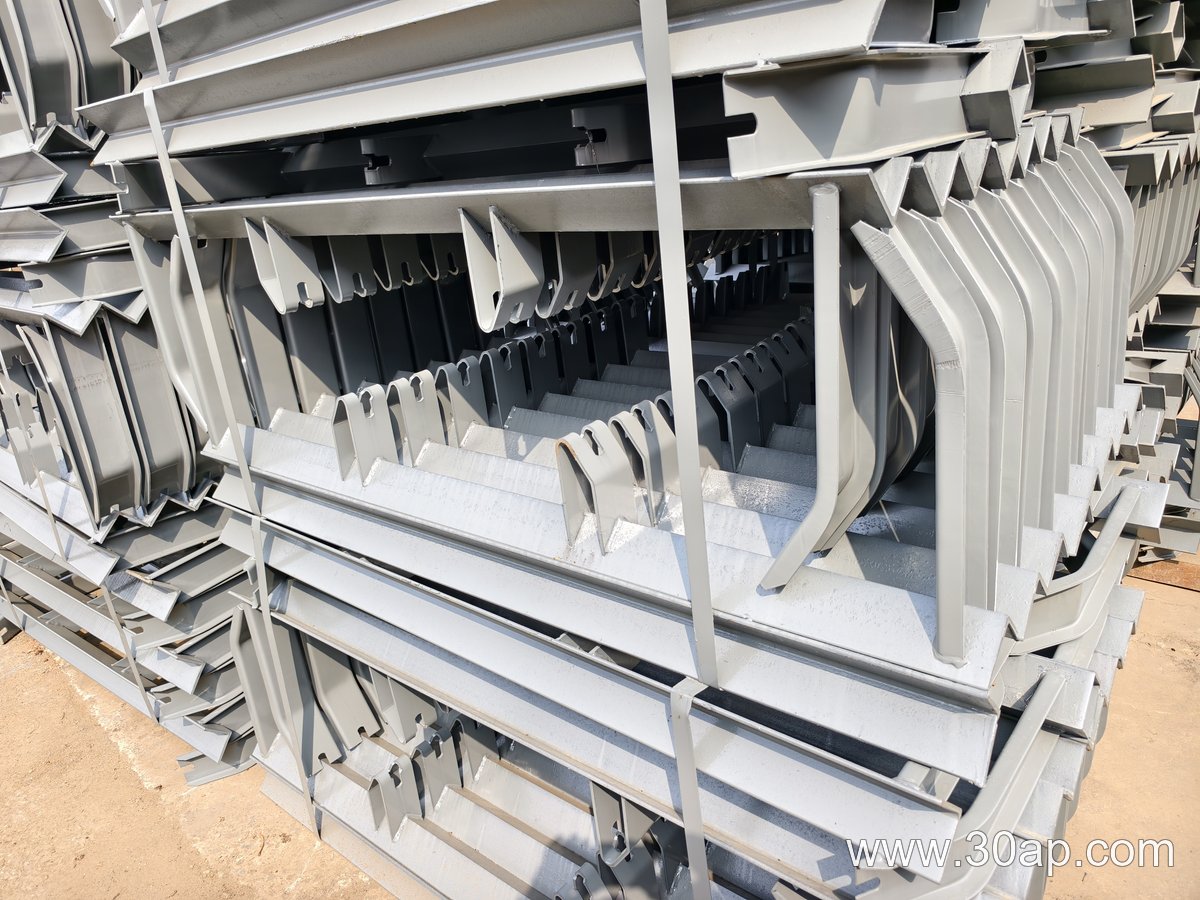
Construction groups and their service
- Formed steel bracket: light duty, low speed, small belt.
- Angle or channel bracket with gussets: medium duty, general conveying.
- Welded plate or cast bracket: heavy duty, high impact or reversal.
Match the bracket to the worst load case, not the average. If impact is frequent, specify a heavy construction and check fatigue at weld toes.
Should a Wet Outdoor Conveyor Belt Use a Bare Pulley or a Lagged One?
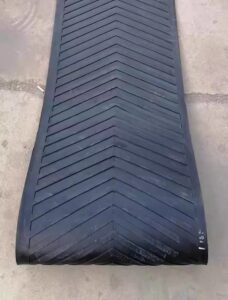
In a wet outdoor setting, water on the conveyor belt cover lowers friction at the drive pulley. A bare steel pulley may slip under load; lagging restores grip but adds cost and wear points. The trade-off is traction versus simplicity.
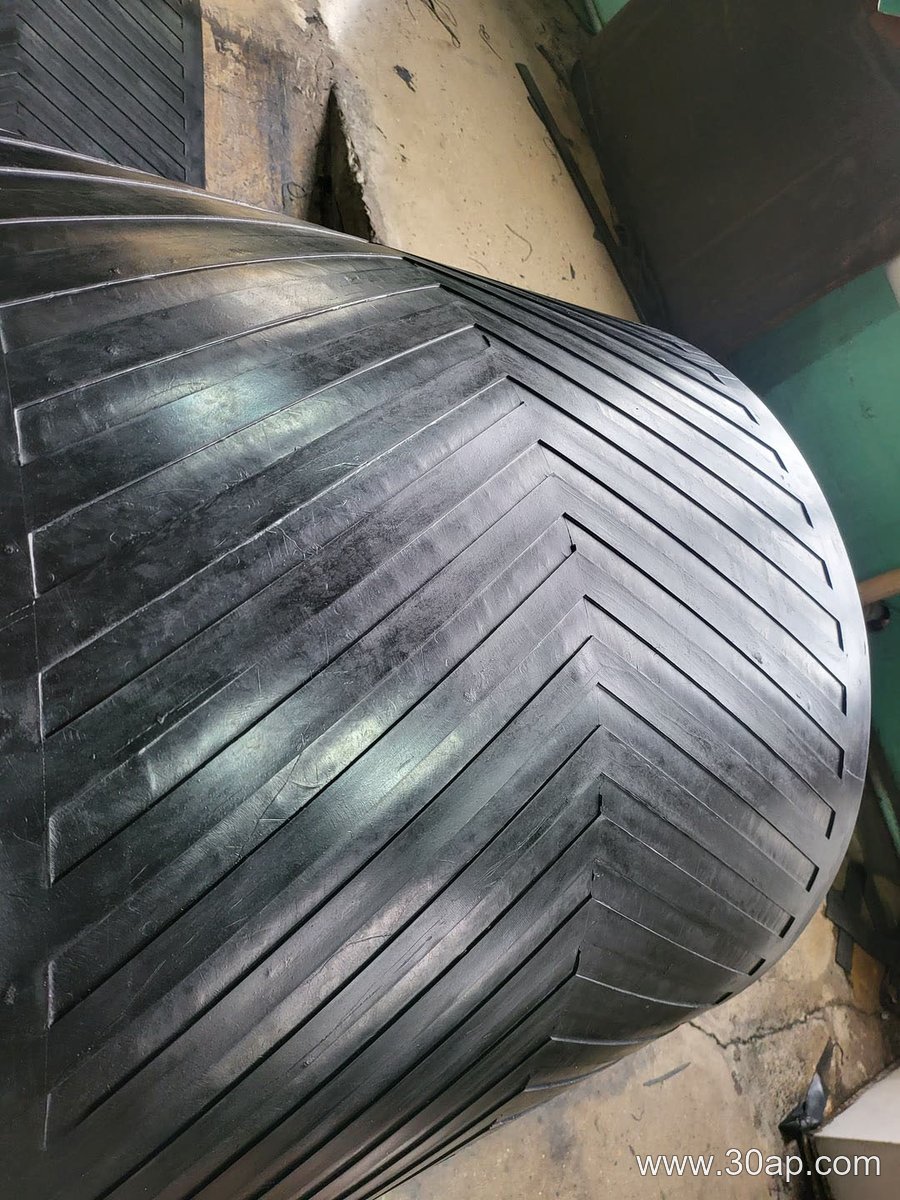
Quick checklist
- Is the pulley crowned and clean?
- Does the conveyor belt have a rough-top cover?
- Can you add a snub pulley instead of lagging?
Lagging helps, but it can wear and trap grit. For a conveyor belt that runs wet and dirty, choose lagging only if slip persists after tension and cleaning checks.
Inspection and Replacement Triggers for an Idler Roller
At a bulk port terminal, an idler roller often fails from neglect, not load. Check for shell wear, seal condition, and free rotation monthly. Replace if the shell wall thins, grease leaks, or the roller drags. A seized idler roller scars the belt and raises power draw.
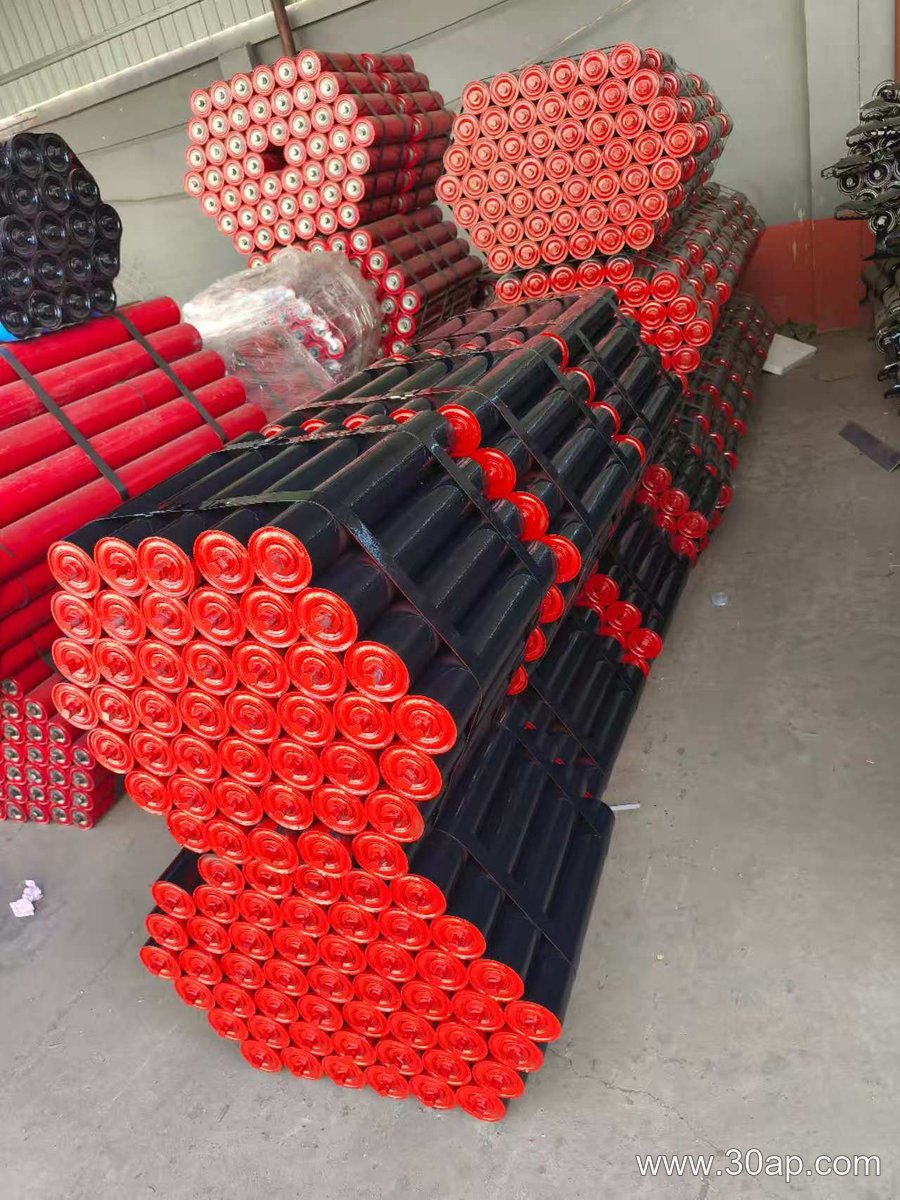
Key preventive steps
- Listen for squealing or grinding.
- Feel for uneven temperature after shutdown.
- Confirm axial play is within the manufacturer’s limit.