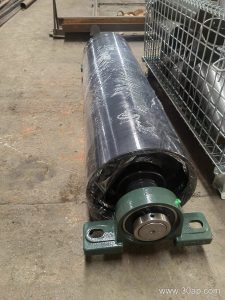
How Do You Calculate Belt Length Around a Conveyor Pulley
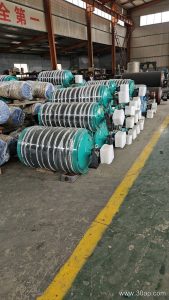
In a dusty quarry, belt replacement starts with one measurement at the conveyor pulley. Assume two pulleys of equal diameter D, center distance C, and a wrap angle of 180 degrees. Using consistent units, the approximate belt length is L = 2C + pi times D.
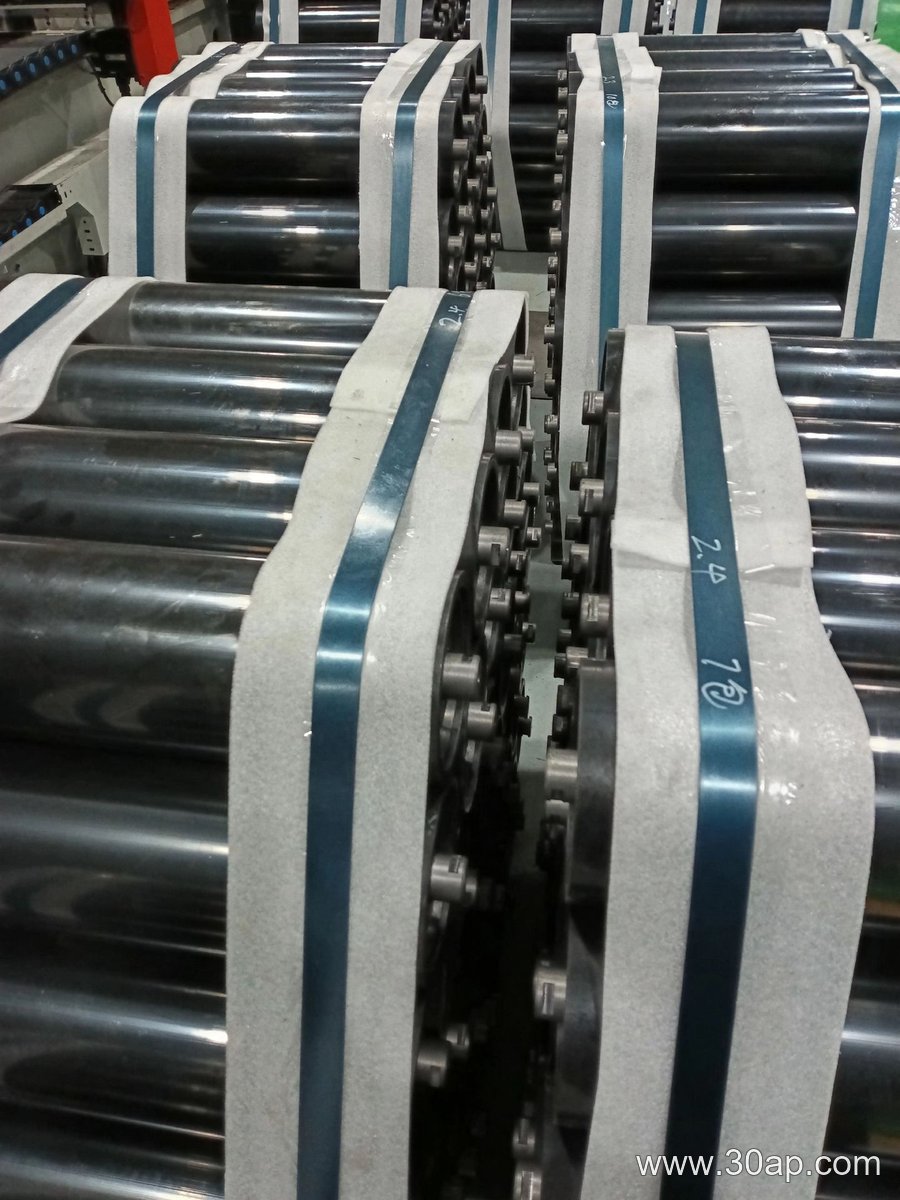
Checks Before Ordering
- Confirm pulley diameters include lagging thickness.
- Measure center distance with take-up at mid-travel.
- Verify wrap angle; it changes the arc term.
For unequal diameters, use L = 2C + 1.57 times (D + d) + (D – d) squared divided by 4C. Treat these as hypothetical planning estimates and confirm against the conveyor drawing.
Start With the Design Load, Not the Catalog
For a hypothetical cement plant clinker conveyor, we assume a 1,200 mm belt, 2.0 m idler spacing, and a 1,500 kg/m3 material bulk density. The conveyor bracket must carry the idler set plus material load; we calculate the static load per bracket, then apply a design factor of 3. We do not use a catalog rating as the sole basis.
Check the Bracket Geometry and Material
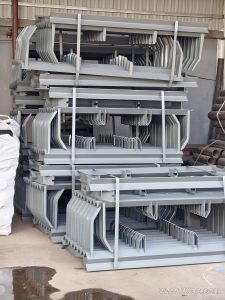
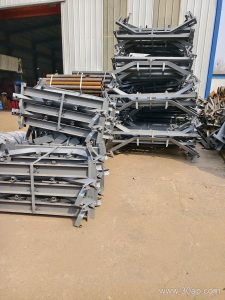
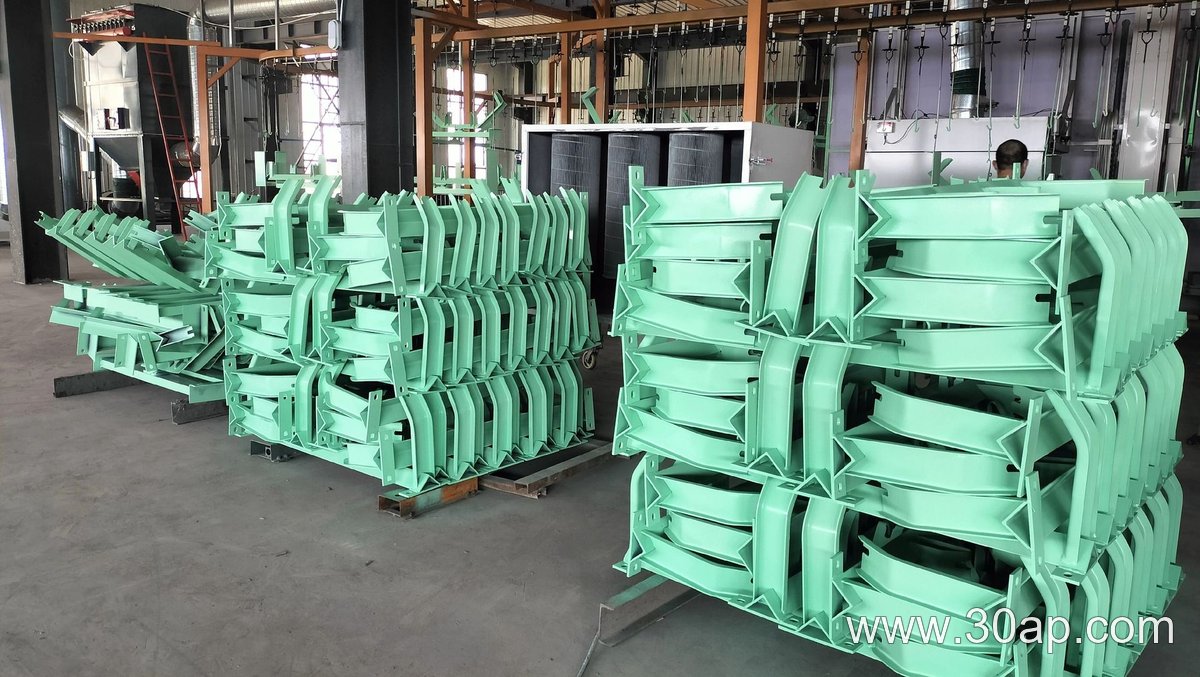
A three-roll idler bracket suits the troughed carrying side. We select a formed steel bracket with a slotted base for alignment, and specify a weld-on or bolt-on style depending on the stringer. The bracket material must resist abrasive clinker dust; we choose a painted carbon steel or, for high-wear zones, a galvanized option. We verify that the bracket fits the idler shaft diameter and the frame hole pattern.
Assumptions and Decisions
- Assumed belt speed: 2.5 m/s
- Assumed material load per bracket: 1,200 kg
- Design factor: 3
- Bracket type: three-roll, slotted base
We check deflection under load and confirm that the bracket does not interfere with the belt edge. The final choice is a conveyor bracket that meets the calculated load with a safe margin, not the cheapest per piece.
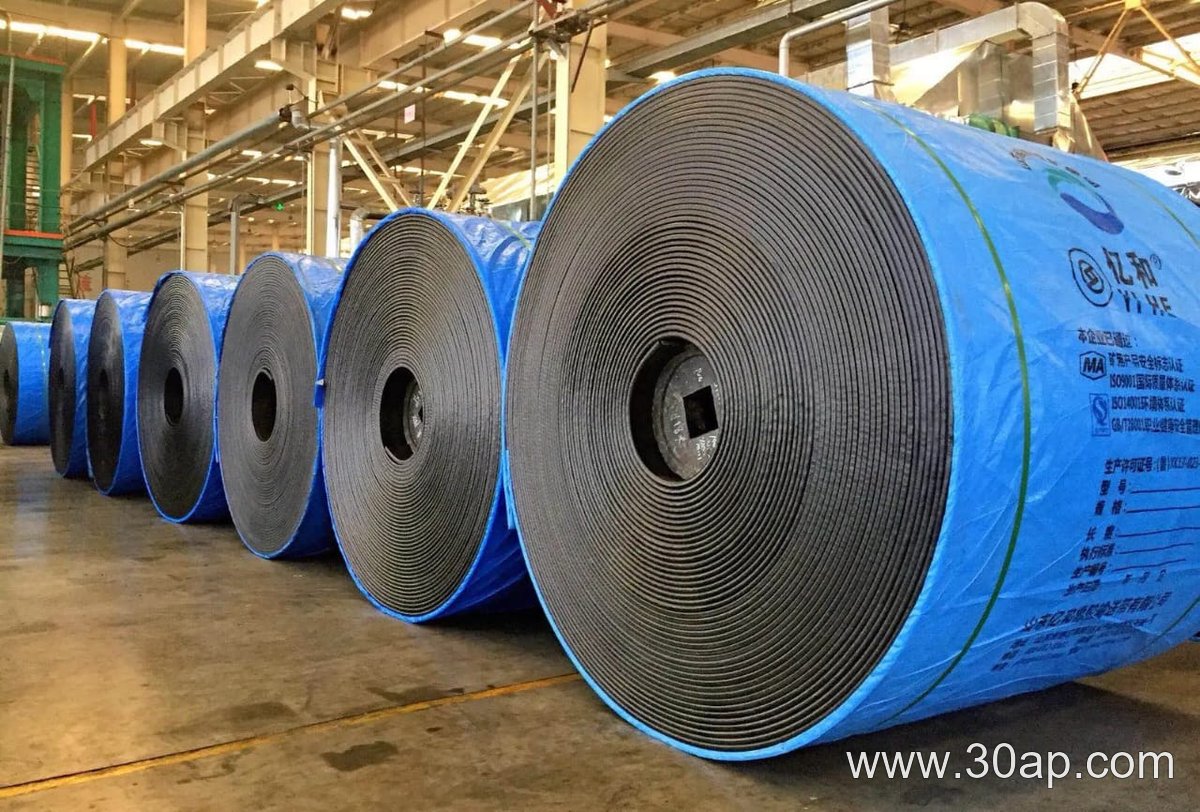
Which Conveyor Belt Construction Best Resists Sharp Ore Impact
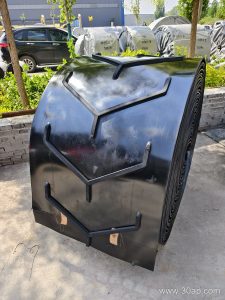
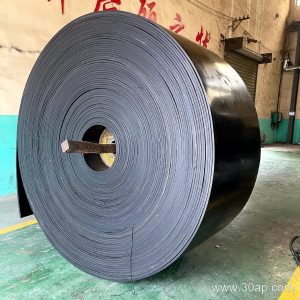
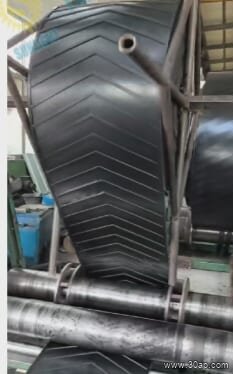
Ore dropped from a crusher discharge can puncture a conveyor belt cover before wear ever becomes the issue. The decision is not simply thicker rubber; cut-resistant construction and carcass support matter more at the loading point.
Checks Before Choosing
- Lump size and drop height at the transfer chute
- Cover grade for abrasion and cutting
- Carcass type supporting impact energy
- Pulley diameter limiting belt stiffness
For a hypothetical plant handling 300 mm ore, a cut-resistant cover over a fabric carcass often suits moderate drops, while steel cord may be required for high tension. Confirm with impact and tear test data, not assumptions.
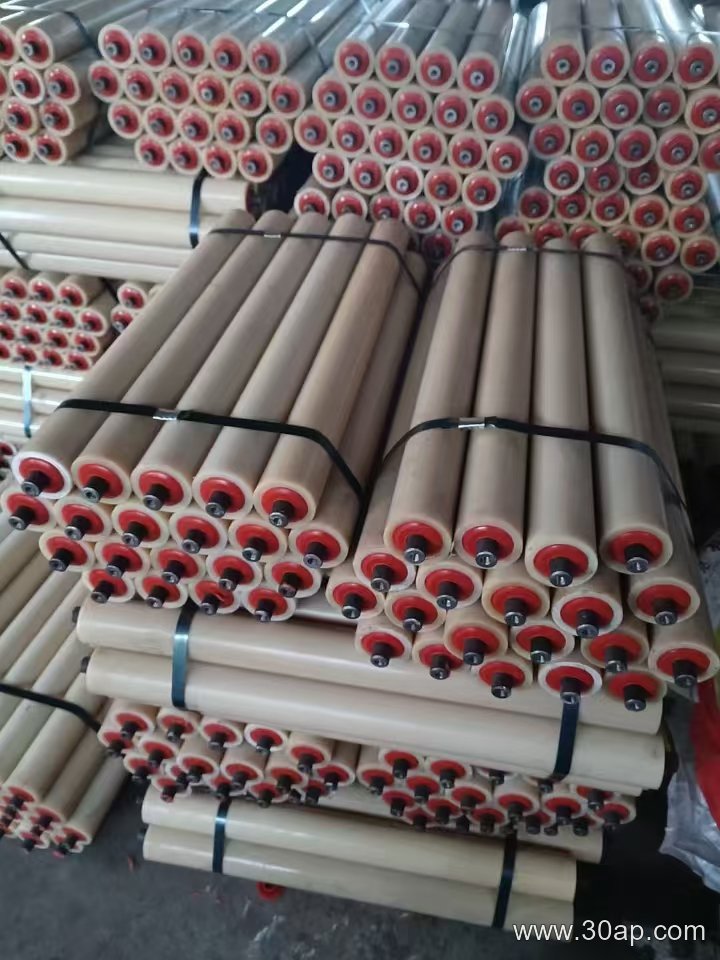
Face length calculation for an idler roller
The face length of an idler roller must exceed the belt width to prevent edge loading and belt damage. A common rule is face length = belt width + 100 mm. For a 1000 mm belt, that gives 1100 mm. This assumes a horizontal troughed station and standard edge clearance. Always verify with the conveyor designer, as trough angle and belt sag can alter the requirement.